

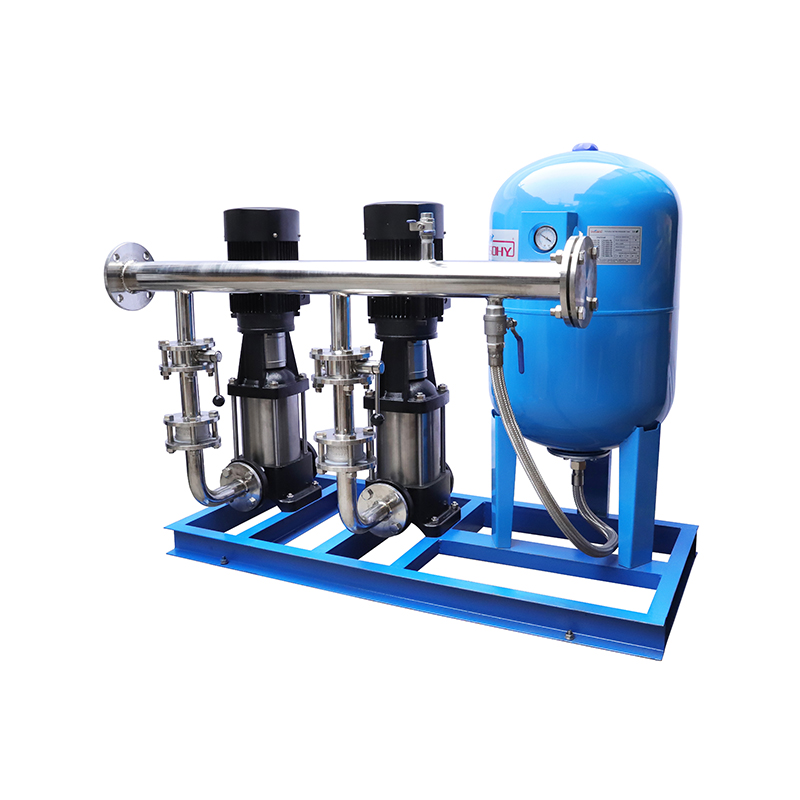
Full Automatic Constant Pressure Variable Frequency Water Supply Equipment is a new generation of hi...
See Details
Can an Intelligent Constant Pressure Water Supply System Save Energy?
Industry News-An intelligent constant pressure water supply system has become an important solution for stable and efficient water distribution in residential, commercial, and industrial environments. This system is designed to maintain consistent water pressure regardless of changes in water demand, ensuring a smooth and reliable supply at all times. Traditional water supply methods often struggle with pressure fluctuations, especially during peak usage periods, which can affect comfort, equipment performance, and overall system efficiency. Intelligent systems address these challenges through automation and precise control.
At the core of an intelligent constant pressure water supply system is the integration of sensors, control units, and variable-speed pumps. Pressure sensors continuously monitor water demand within the pipeline network, transmitting real-time data to a central controller. The controller adjusts pump speed accordingly, increasing or reducing output to maintain steady pressure. This responsive adjustment allows the system to adapt instantly to changing demand, such as multiple taps opening or closing at the same time, without noticeable pressure drops.
Energy efficiency is one of the key advantages of an intelligent constant pressure water supply system. Instead of running pumps at a fixed speed, the system only uses the energy required to meet current demand. During low-demand periods, pump speed decreases, reducing electricity consumption and mechanical wear. This approach not only lowers operational costs but also extends the service life of system components. Reduced energy usage aligns well with modern sustainability goals and building efficiency standards.
Another important benefit lies in improved user comfort. Consistent water pressure enhances daily activities such as showering, cleaning, and industrial processes that rely on stable flow. Sudden pressure changes, which can cause inconvenience or even damage sensitive equipment, are minimized. In high-rise buildings, where pressure variation between floors is common, intelligent constant pressure systems ensure uniform delivery across different levels, improving overall user experience.
Installation flexibility makes these systems suitable for a wide range of applications. Intelligent constant pressure water supply systems can be configured for residential complexes, office buildings, hotels, hospitals, and industrial facilities. Modular designs allow system capacity to be adjusted based on building size and water usage patterns. This scalability supports both new construction projects and system upgrades in existing infrastructure, offering practical solutions without major structural changes.
System reliability is further enhanced through automated monitoring and protection features. Many intelligent systems include alarms and fault detection functions that notify operators when abnormal conditions occur. Issues such as pressure deviations, pump overload, or sensor malfunctions can be identified early, reducing the risk of unexpected shutdowns. This proactive approach supports stable operation and simplifies maintenance planning.
Water resource management also benefits from intelligent constant pressure water supply systems. Precise control reduces water waste caused by pressure surges or leaks. Stable pressure helps maintain pipeline integrity, lowering the risk of pipe damage and leakage over time. In regions where water conservation is a priority, this controlled distribution contributes to responsible water usage without compromising availability.
Technological development continues to shape the evolution of the Intelligent Constant Pressure Water Supply System. Digital interfaces allow operators to monitor performance, adjust parameters, and review usage data easily. Some systems integrate remote access capabilities, enabling management teams to oversee operation from centralized platforms. Data analysis supports better planning, helping facility managers understand consumption patterns and optimize system performance.
Related products
-
-
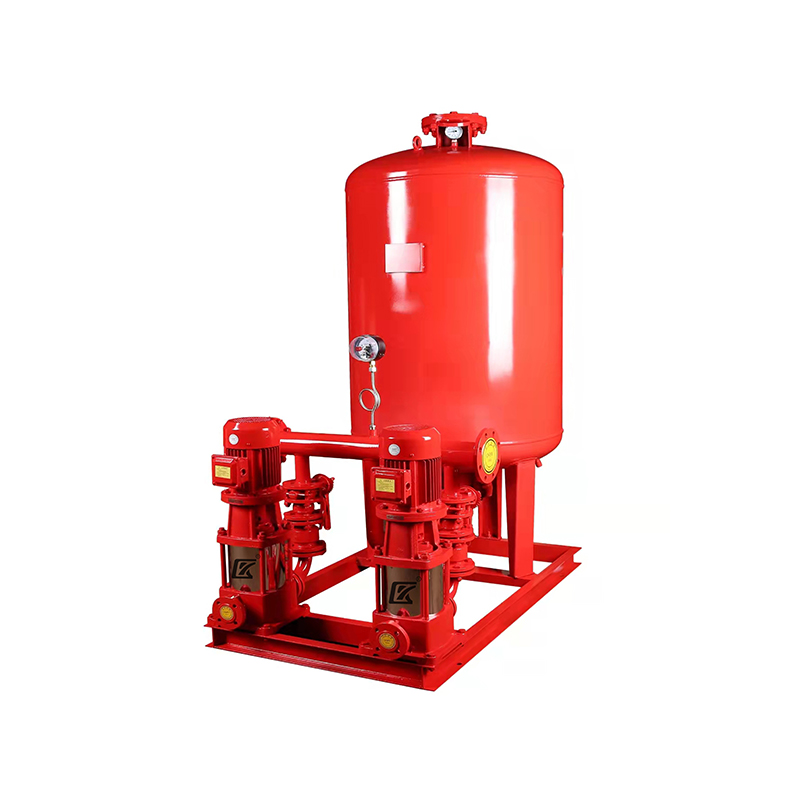
The Automatic Frequency Conversion Constant Pressure Fire Water Supply Equipment is designed and dev...
See Details -
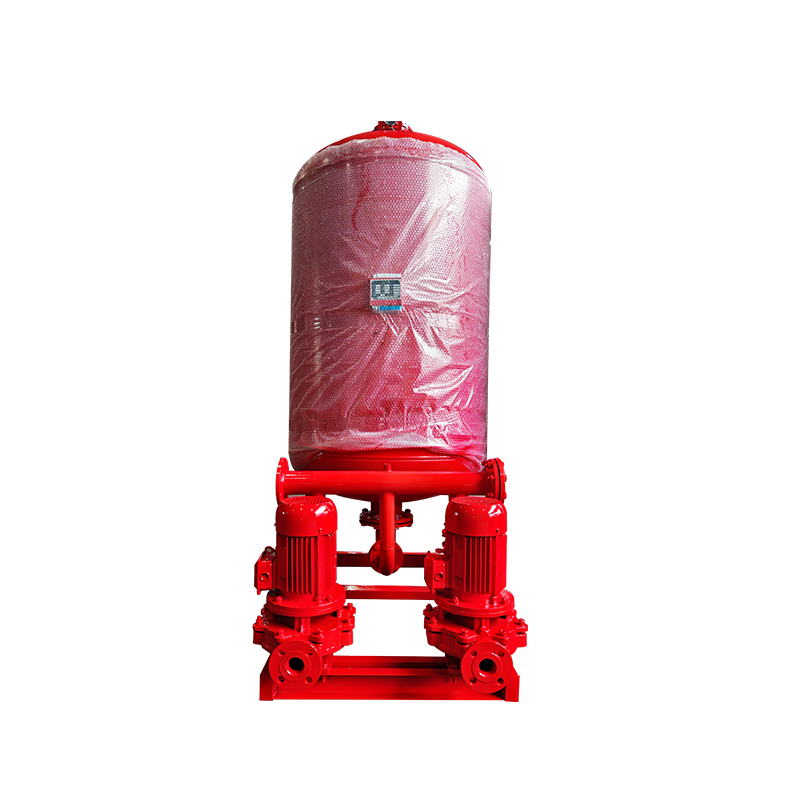
The Fire Fighting Air Pressure Water Supply Equipment typically consists of a pressure tank, pump un...
See Details -
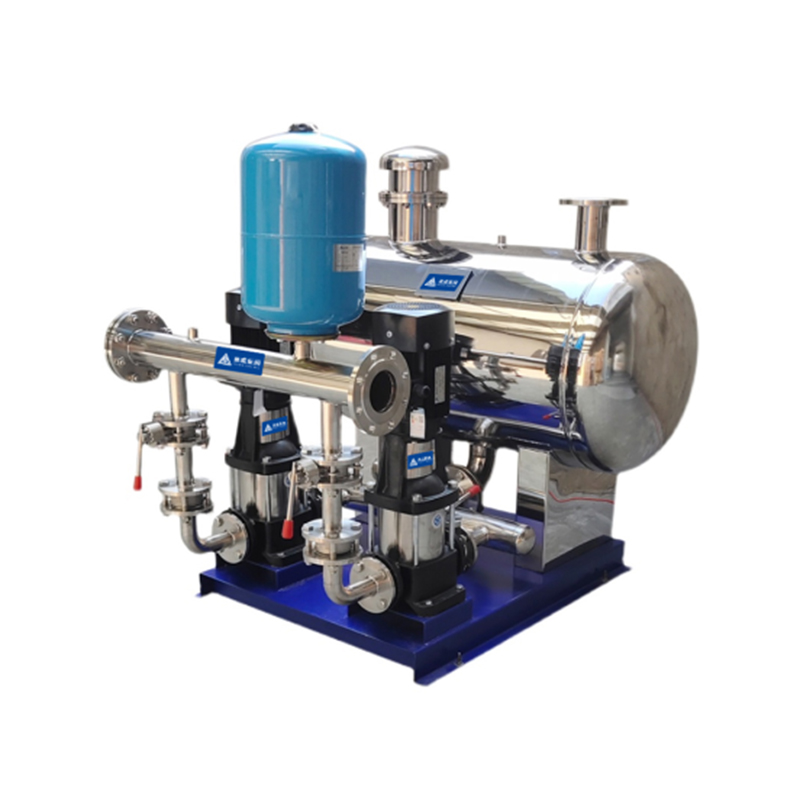
Non-negative pressure water supply equipment is a system composed of a non-negative pressure tank, p...
See Details -
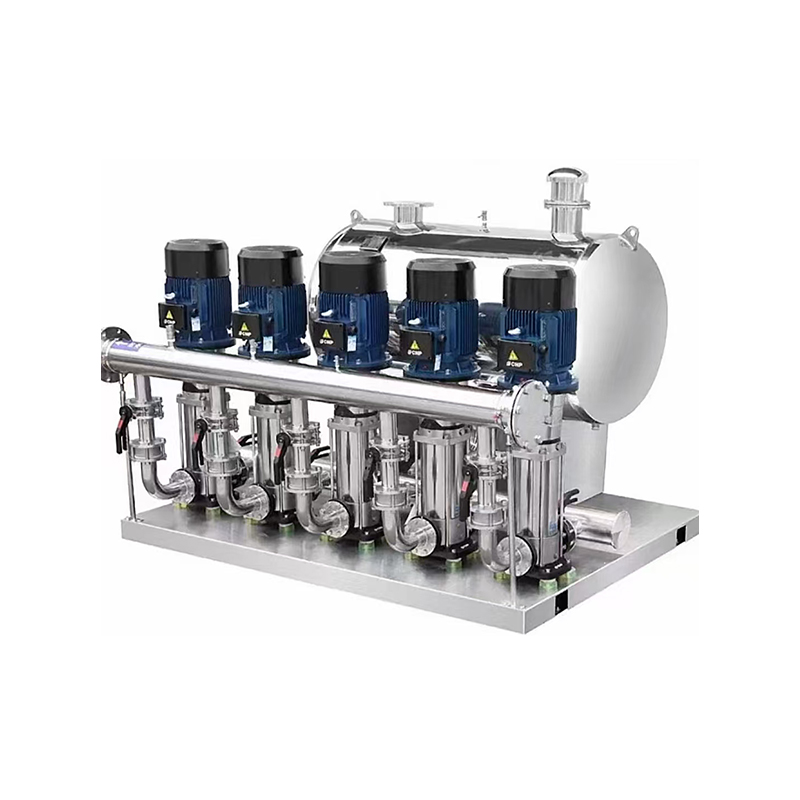
Traditional water supply methods rely heavily on water tanks, which are typically filled with water ...
See Details -
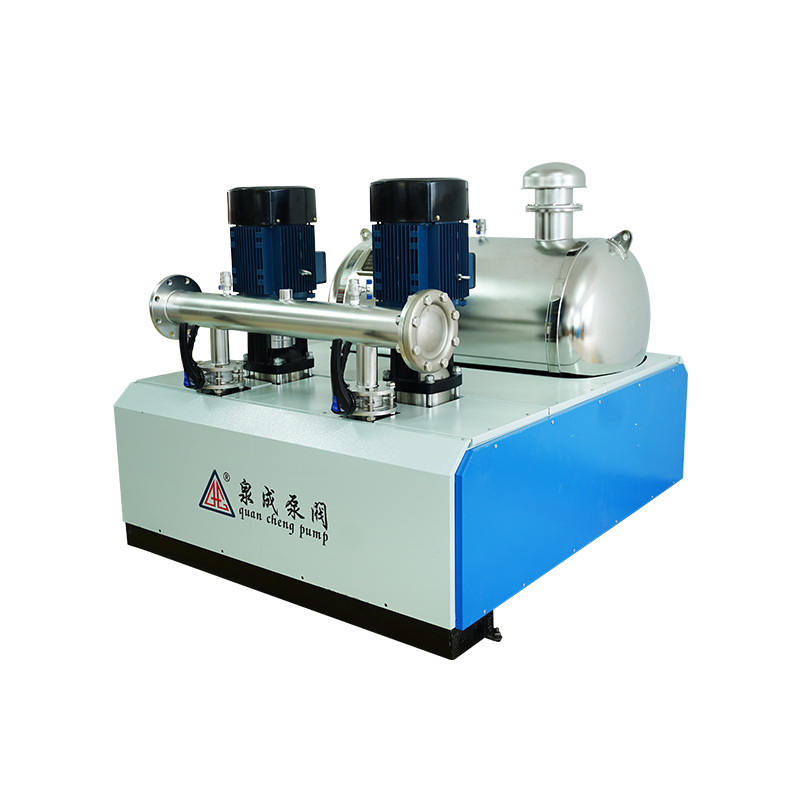
Product OverviewThe Non-negative Pressure Booster Steady Flow Water Supply Equipment uses the munici...
See Details -
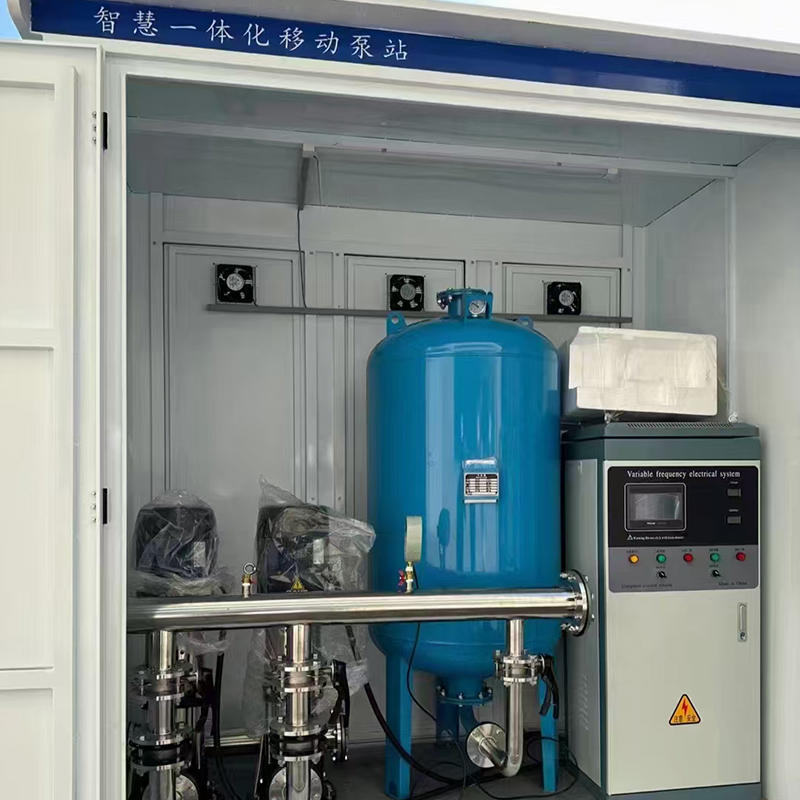
The Intelligent Constant Pressure Variable Frequency Water Supply Equipment is a water supply system...
See Details -
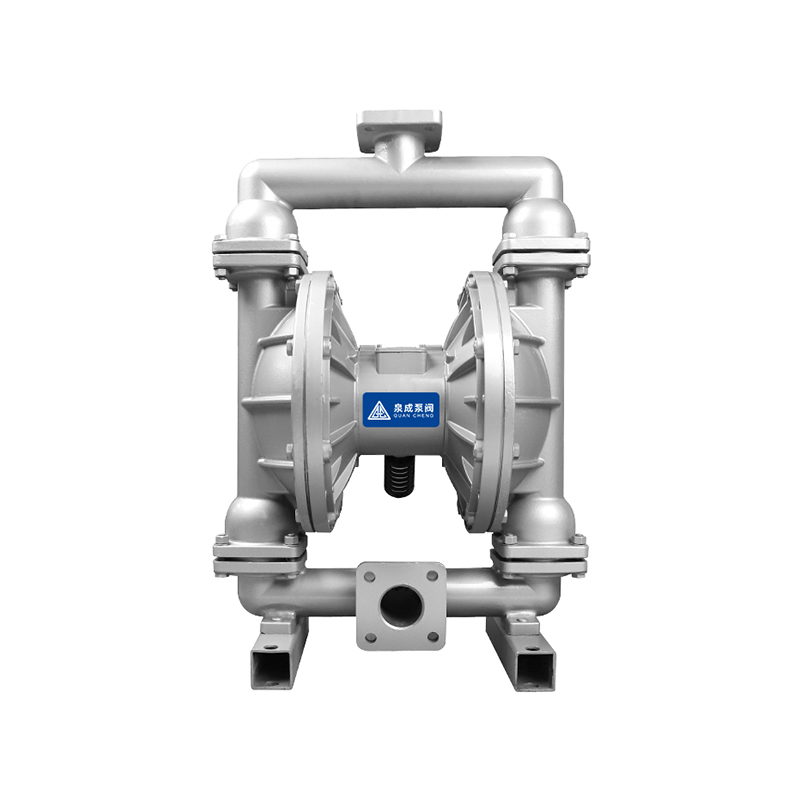
The QBY Air Operated Double Diaphragm Pump produced by our company is a new type of transport machin...
See Details
Copyright © Zhejiang Chuangken Fluid Co., Ltd. All Rights Reserved.
Intelligent Constant Pressure Water Supply System Factory
 浙公网安备33032402001888号
