

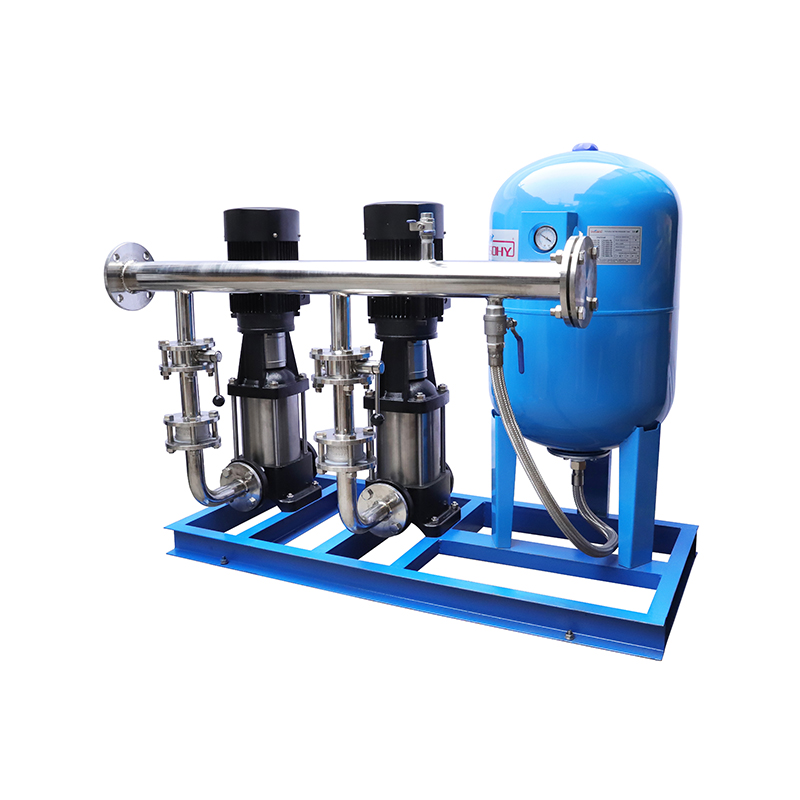
Full Automatic Constant Pressure Variable Frequency Water Supply Equipment is a new generation of hi...
See Details
How Does a Self-priming Pump Start Without Any Fuss?
Industry News-Understanding Self-priming Pumps
A self-priming pump is designed to automatically remove air from the suction line, allowing it to start pumping without manual priming. This feature makes it particularly useful in applications where fluid supply may be intermittent or where manual priming is inconvenient. Self-priming pumps are widely used in industrial systems, agriculture, water supply, and even marine applications, offering versatility that supports both large-scale operations and smaller setups.
The core advantage of a self-priming pump lies in its ability to maintain consistent flow even when air pockets are present in the suction line. Unlike traditional pumps that may require repetitive priming, these pumps incorporate design features that trap and recirculate air until the fluid flow is stabilized. This reduces downtime and simplifies operation, making them ideal for situations where reliability and efficiency are important.
Self-priming pumps come in various designs, including centrifugal, vertical, and horizontal configurations. Each design is suited to specific requirements, whether it involves moving water over long distances, transferring chemicals, or supporting irrigation systems. Understanding these differences helps clients select a pump that aligns with both performance expectations and environmental conditions.
Manufacturing and Quality Considerations
Producing self-priming pumps requires attention to precision and quality. Materials such as stainless steel, bronze, and high-strength alloys are commonly used to resist corrosion and wear, especially in applications involving chemicals or abrasive fluids. Components like impellers, seals, and casings are engineered for durability, ensuring consistent performance over extended periods.
Quality control is an integral part of the manufacturing process. Pumps are typically tested for suction capacity, flow rate, and pressure output. Digital monitoring and automated testing systems help ensure that each unit meets the required standards. By controlling tolerances and verifying performance before shipment, manufacturers reduce the risk of operational issues in the field. Reliability is further enhanced by careful inspection of critical components, including the mechanical seal and impeller alignment, which are essential for smooth operation.
Many manufacturers also provide customization options. Clients may request modifications to motor size, impeller type, or casing material to match specific environmental or operational needs. This adaptability ensures that pumps are optimized for their intended applications.
Applications and Performance Advantages
Self-priming pumps are valued for their ability to handle air and liquid mixtures without losing performance. This makes them especially suitable for water transfer, drainage, and dewatering applications. Agricultural operations often rely on these pumps for irrigation and water circulation, while municipal systems may use them in pumping stations or water treatment facilities.
One of the main benefits is reduced operational complexity. Because the pump primes automatically, operators spend less time monitoring startup procedures, which improves overall efficiency. Maintenance requirements are also simplified, as these pumps are typically designed for easy access to components such as impellers, wear rings, and seals. Reduced maintenance translates to lower downtime and operational costs.
Performance efficiency is another notable advantage. Self-priming pumps maintain stable flow rates and pressure levels, even when air is introduced into the suction line. This makes them suitable for long suction lifts and applications where the source fluid may be partially aerated. Additionally, energy-efficient motors and optimized impeller designs contribute to lower electricity consumption without sacrificing performance.
Conclusion
Self-priming pumps offer a combination of convenience, efficiency, and versatility that makes them valuable in numerous industries. Their ability to handle air in the suction line, reduce operational complexity, and maintain consistent flow distinguishes them from traditional pumps.
Related products
-
-
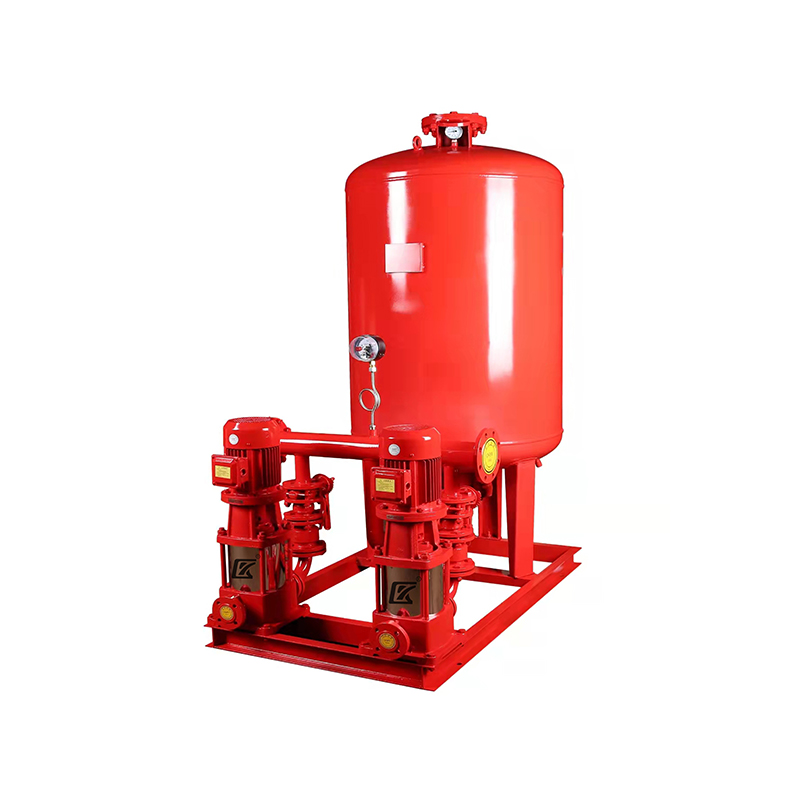
The Automatic Frequency Conversion Constant Pressure Fire Water Supply Equipment is designed and dev...
See Details -
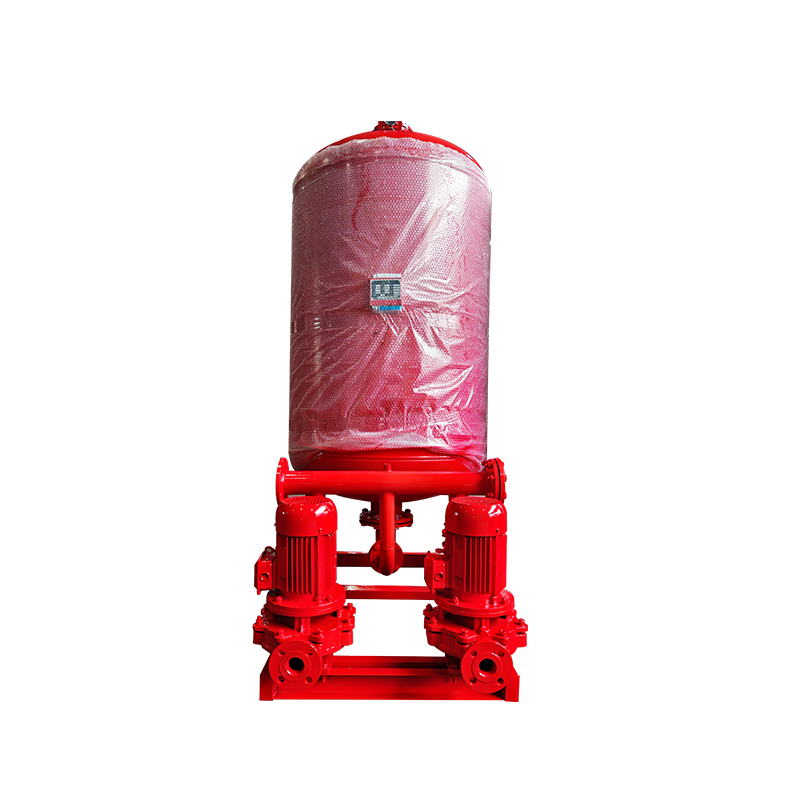
The Fire Fighting Air Pressure Water Supply Equipment typically consists of a pressure tank, pump un...
See Details -
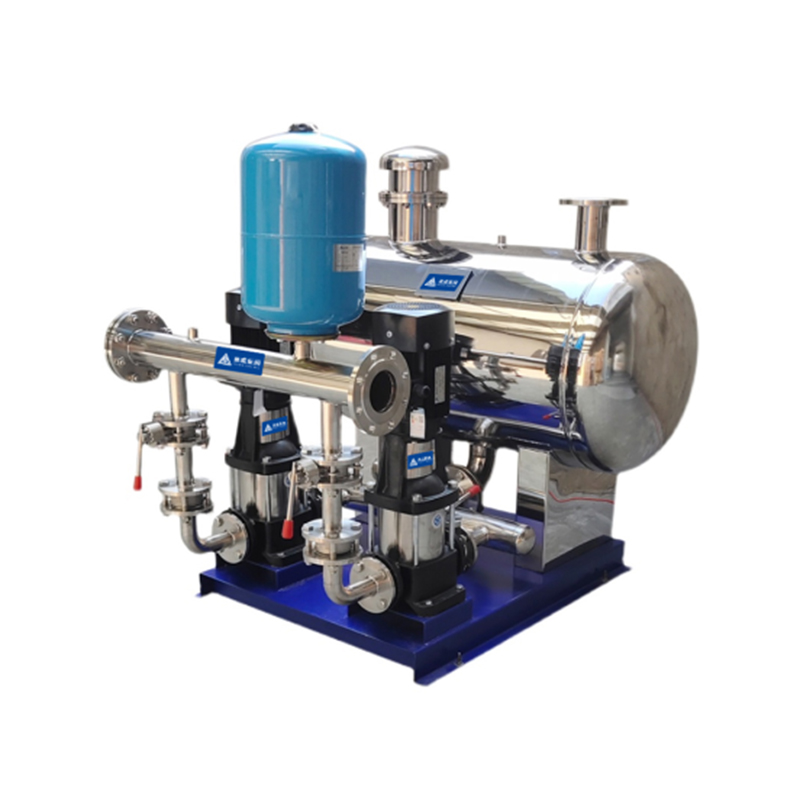
Non-negative pressure water supply equipment is a system composed of a non-negative pressure tank, p...
See Details -
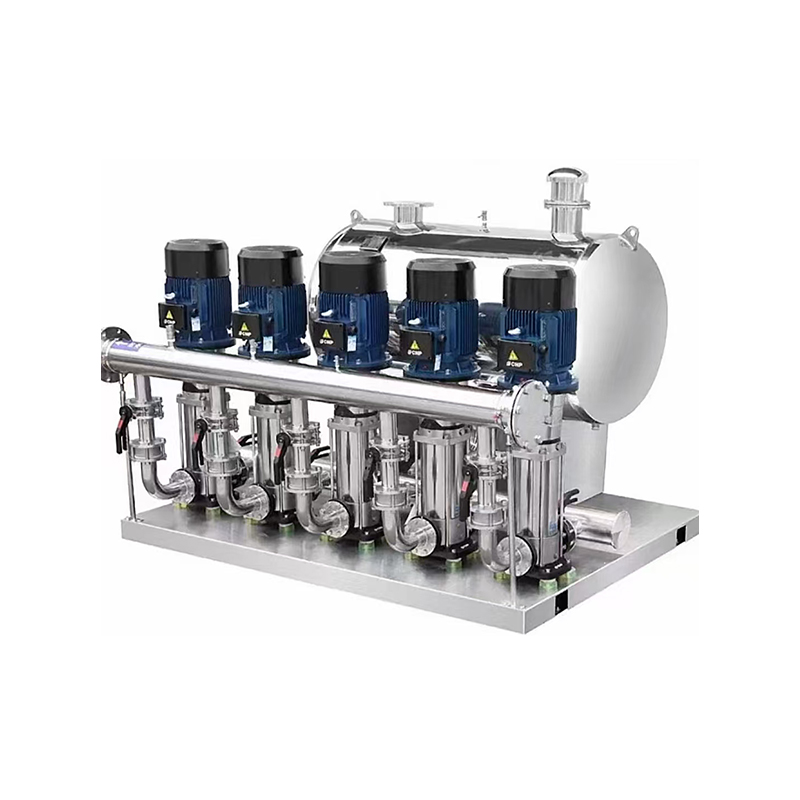
Traditional water supply methods rely heavily on water tanks, which are typically filled with water ...
See Details -
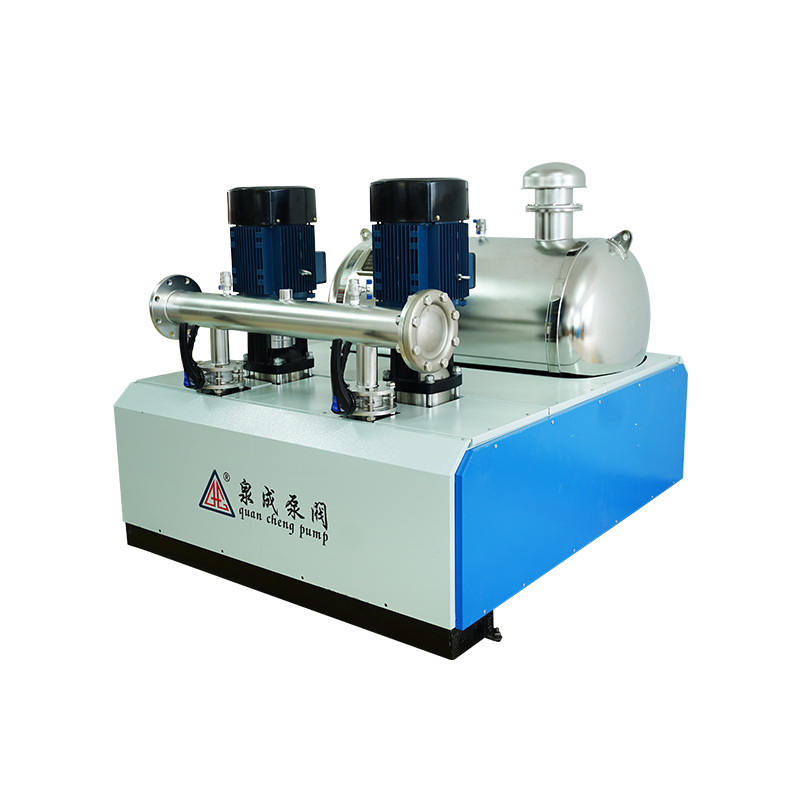
Product OverviewThe Non-negative Pressure Booster Steady Flow Water Supply Equipment uses the munici...
See Details -
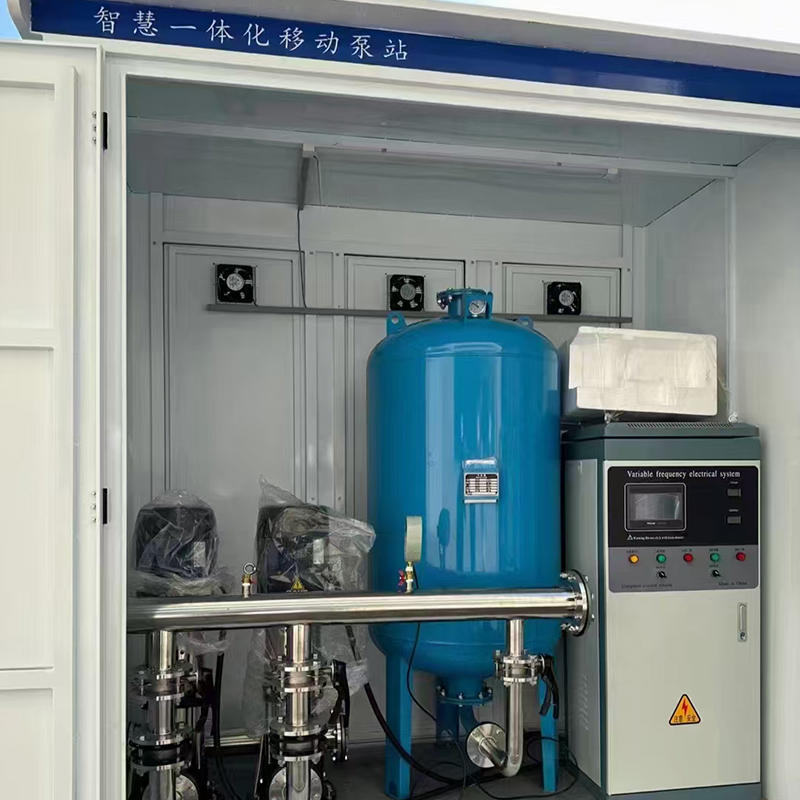
The Intelligent Constant Pressure Variable Frequency Water Supply Equipment is a water supply system...
See Details -
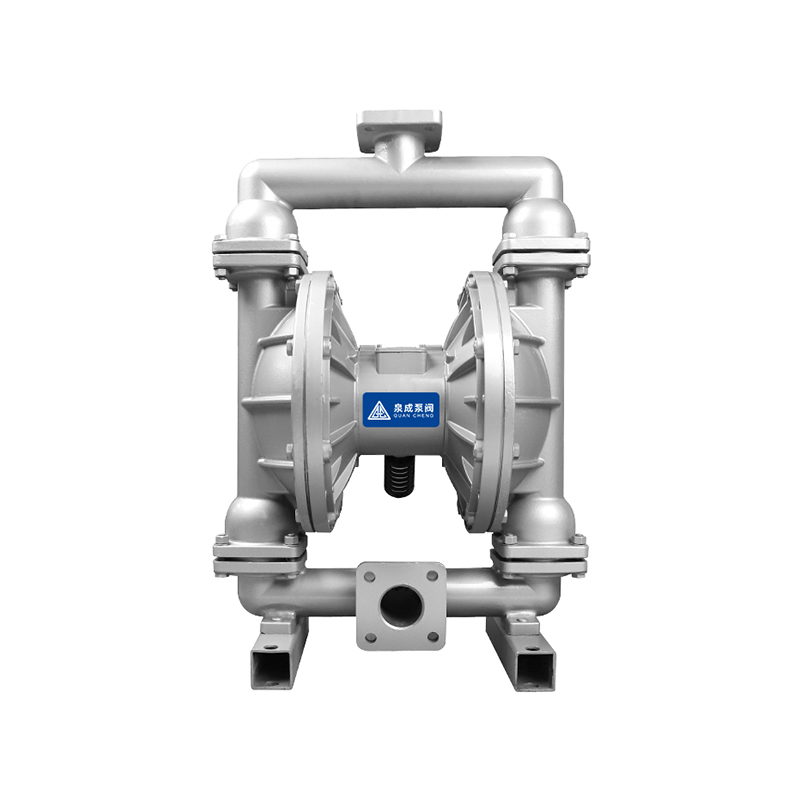
The QBY Air Operated Double Diaphragm Pump produced by our company is a new type of transport machin...
See Details
Copyright © Zhejiang Chuangken Fluid Co., Ltd. All Rights Reserved.
Intelligent Constant Pressure Water Supply System Factory
 浙公网安备33032402001888号
