

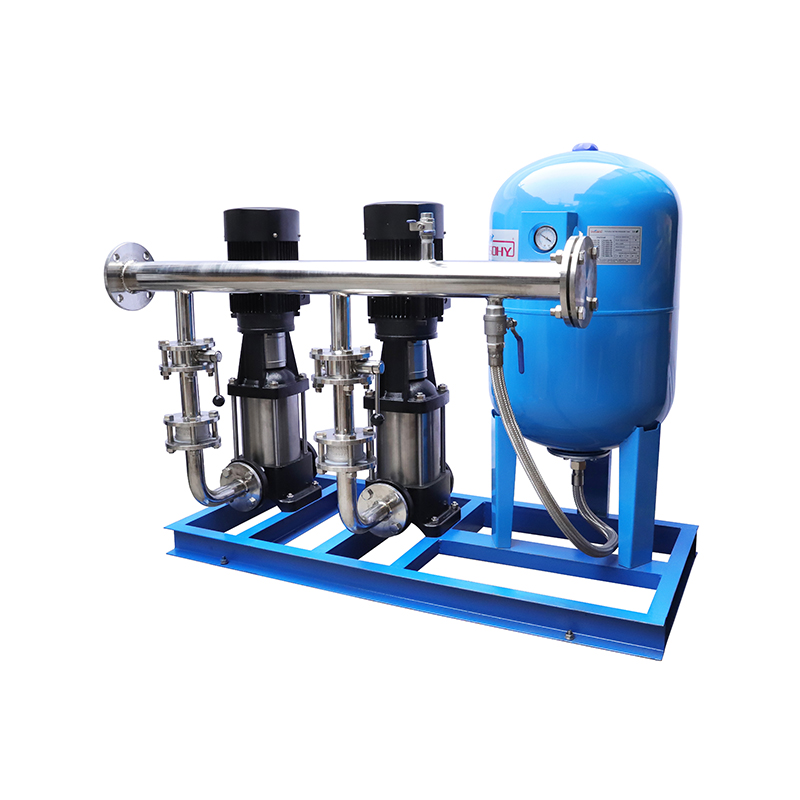
Full Automatic Constant Pressure Variable Frequency Water Supply Equipment is a new generation of hi...
See Details
How Does a Sewage Pump Factory Select Pump Designs?
Industry News-Different Projects Call for Different Pump Designs
Wastewater handling involves a wide range of operating conditions. Residential buildings, commercial facilities, industrial sites, and municipal drainage systems may all need equipment to move sewage or wastewater from one location to another. A sewage pump factory must understand these differences when developing and supplying products for different projects.
Sewage pumps are designed to handle wastewater that may contain suspended solids and other materials. Depending on the application, available products may include submersible sewage pumps, non-clog pumps, and wastewater lifting pumps. Each design serves particular installation and operating requirements.
For distributors, contractors, and equipment suppliers, choosing a pump begins with understanding the liquid, flow requirement, discharge conditions, and installation environment. These details help connect a product's design with the work it needs to perform.
Pump Structure Depends on the Intended Application
A sewage pump is more than a motor connected to an impeller. Its housing, inlet, discharge outlet, shaft arrangement, and impeller design all influence how the equipment handles wastewater.
Submersible sewage pumps operate while immersed in the liquid being pumped. Their compact arrangement can suit sewage pits, collection tanks, and drainage installations where the pump sits below the liquid level.
Other sewage pump designs may be installed outside the liquid, depending on the system layout. The choice depends on available space, pipe connections, access requirements, and the operating conditions specified for the project.
A sewage pump factory may offer several structural configurations to serve different installation needs. Buyers should compare the actual product drawings and specifications rather than assuming that pumps with similar capacities share the same construction.
Impeller Design Influences Solids Handling
Wastewater can contain suspended particles, fibrous materials, and other solids. For this reason, impeller design is an important consideration when selecting a sewage pump.
Common designs include vortex impellers, channel impellers, and other configurations intended for particular wastewater conditions. A vortex design creates a flow pattern that can reduce direct contact between solids and the impeller, while channel designs use passages to move liquid through the pump.
The suitability of each design depends on the type and size of solids, the required flow, and the pump's specified operating range. No single impeller arrangement fits every sewage application.
When discussing a project with a supplier, buyers should describe the wastewater characteristics and the expected operating conditions. This gives the manufacturer a clearer basis for identifying suitable pump models.
Materials and Motor Options Shape Product Selection
Pump materials vary according to the product design and intended working conditions. Cast iron is commonly used in sewage pump housings, while stainless steel and other materials may be specified for particular components or applications.
Material selection should reflect the liquid being handled, the installation conditions, and the product specification. Buyers may need to compare housing materials, shaft materials, sealing arrangements, and impeller construction when evaluating different models.
Motor power is another important consideration. The required motor depends on factors such as flow rate, total head, pipe resistance, and operating conditions. Selecting a pump by motor power alone may not provide enough information to determine whether it suits a particular system.
Sewage Pumps Serve Multiple Market Segments
Sewage pumps are used in residential drainage, commercial buildings, wastewater collection stations, industrial facilities, and municipal pumping systems. Although these applications share the need to move wastewater, their operating conditions can differ considerably.
A residential installation may involve a relatively compact sump or lifting station. Commercial buildings may require pumps for basements, underground facilities, or wastewater collection points. Industrial applications can involve wastewater with different solids content and liquid characteristics.
These differences influence pump selection, installation arrangements, and the information required during procurement. A sewage pump factory serving multiple markets needs a product range that addresses varied operating conditions rather than treating every project as identical.
Related products
-
-
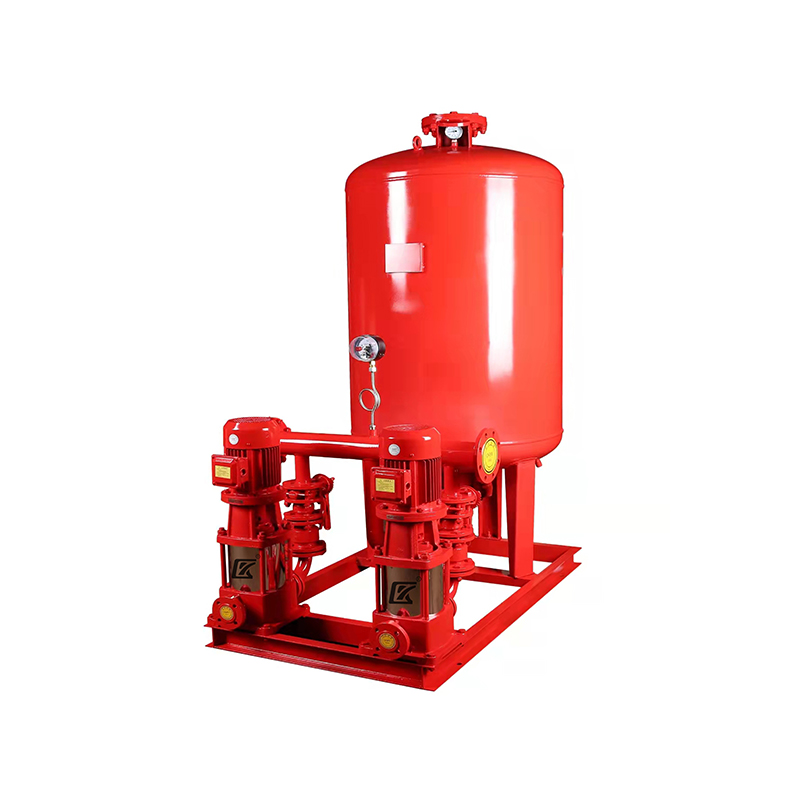
The Automatic Frequency Conversion Constant Pressure Fire Water Supply Equipment is designed and dev...
See Details -
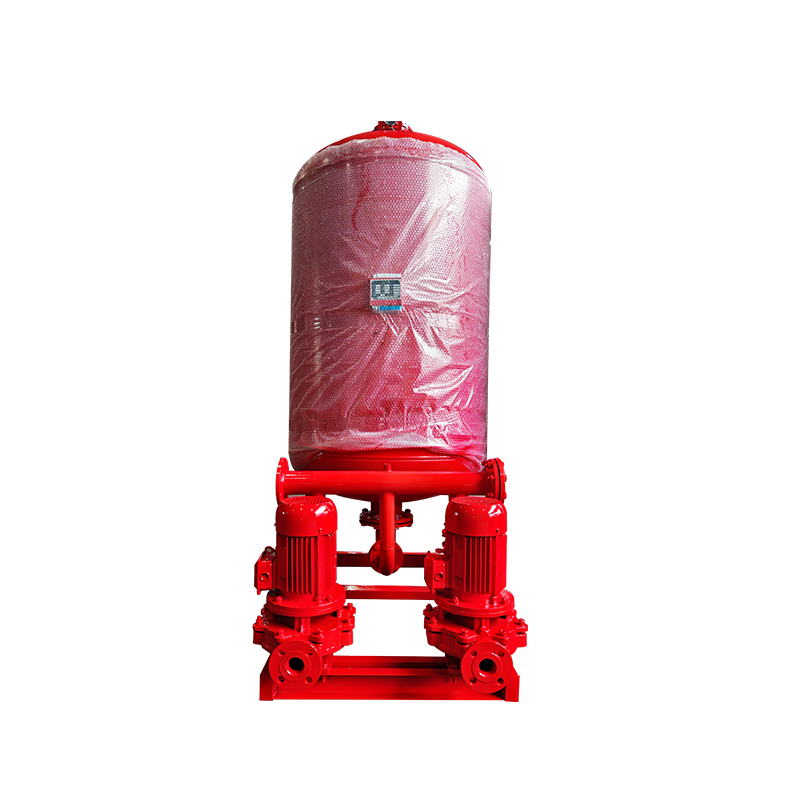
The Fire Fighting Air Pressure Water Supply Equipment typically consists of a pressure tank, pump un...
See Details -
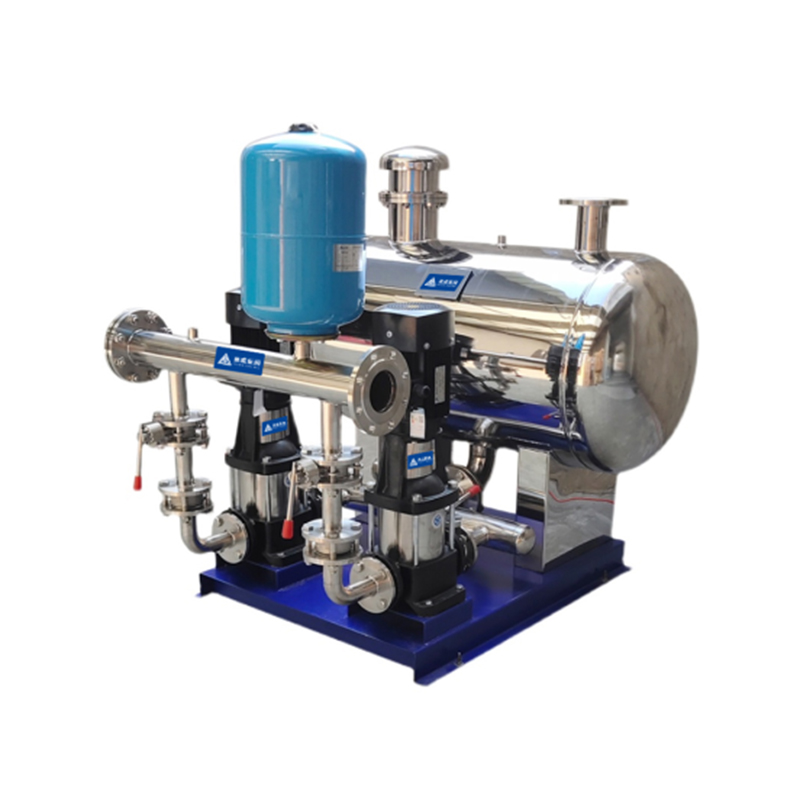
Non-negative pressure water supply equipment is a system composed of a non-negative pressure tank, p...
See Details -
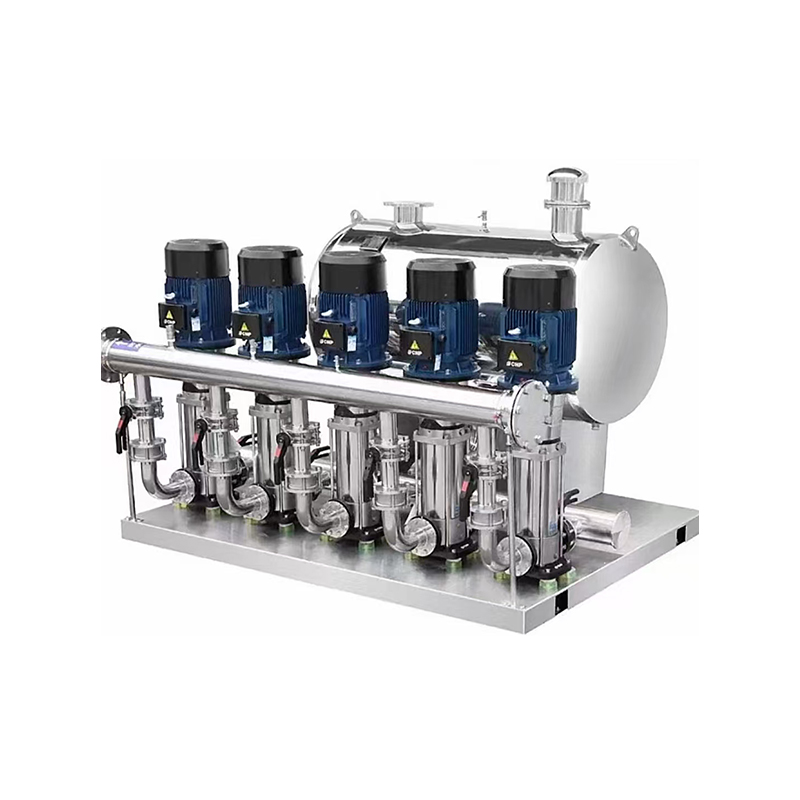
Traditional water supply methods rely heavily on water tanks, which are typically filled with water ...
See Details -
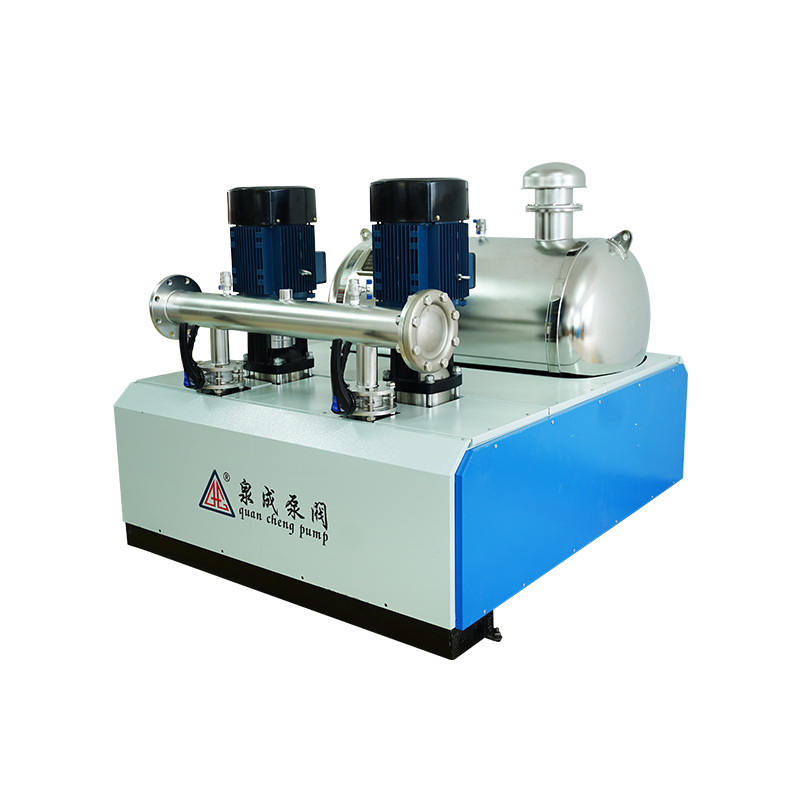
Product OverviewThe Non-negative Pressure Booster Steady Flow Water Supply Equipment uses the munici...
See Details -
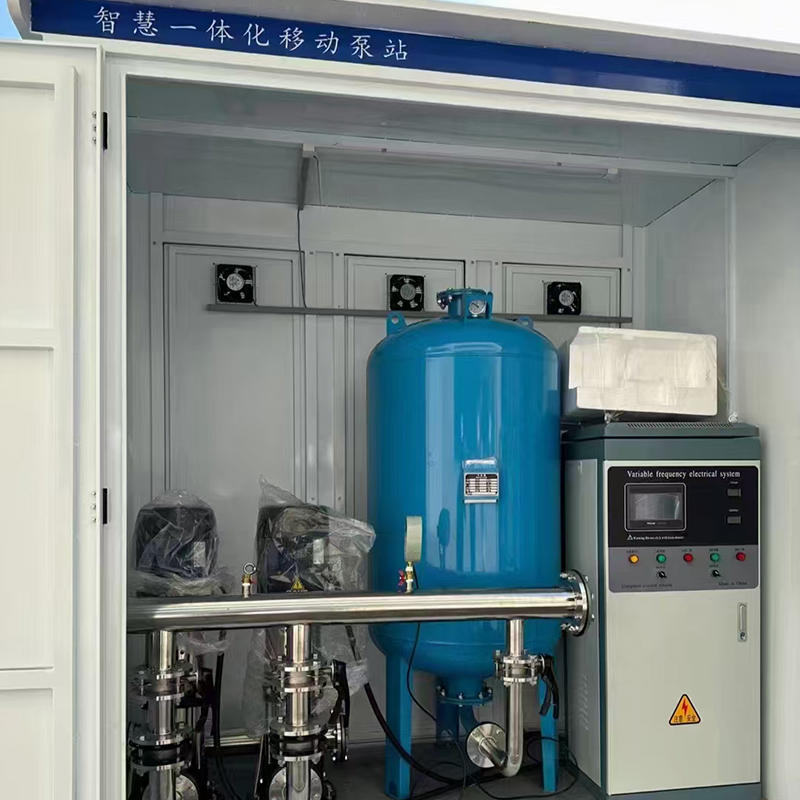
The Intelligent Constant Pressure Variable Frequency Water Supply Equipment is a water supply system...
See Details -
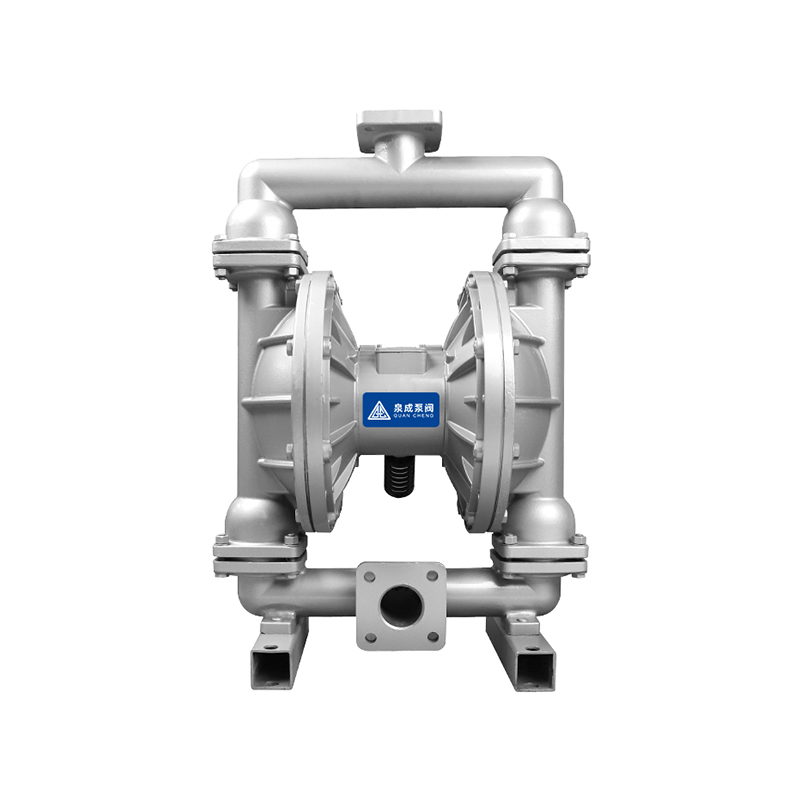
The QBY Air Operated Double Diaphragm Pump produced by our company is a new type of transport machin...
See Details
Copyright © Zhejiang Chuangken Fluid Co., Ltd. All Rights Reserved.
Intelligent Constant Pressure Water Supply System Factory
 浙公网安备33032402001888号
