

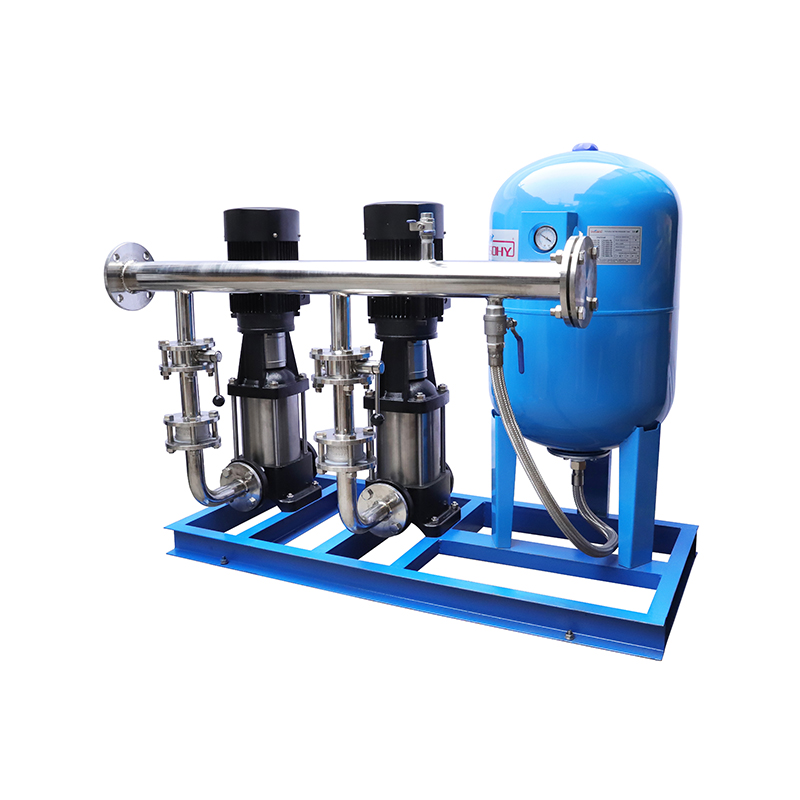
Full Automatic Constant Pressure Variable Frequency Water Supply Equipment is a new generation of hi...
See Details
A Boost Pump Factory's Role in Water and Pressure Systems
Industry News-Boost pumps show up in more places than most people realize — residential water systems, irrigation setups, fire suppression lines, and commercial plumbing all rely on them to maintain adequate pressure where gravity or municipal supply alone isn't enough. Behind these pumps sits a manufacturing process that buyers sourcing at wholesale volume benefit from understanding, even at a basic level.
What a Boost Pump Actually Does
At its core, a boost pump increases water pressure within a system, pushing fluid through pipes at a rate and force that matches the application's demand. Without adequate boost, upper floors of a building might see weak water flow, irrigation systems might underperform, and fire suppression systems could fail to deliver water where it's needed.
Buyers new to this category often benefit from understanding the general pump types a factory typically produces:
- Centrifugal boost pumps, which use a rotating impeller to move fluid and are common in residential and light commercial settings
- Multistage pumps, which push fluid through several impeller stages to achieve pressure levels centrifugal designs alone can't reach
- Booster sets, which combine multiple pumps with control systems to manage variable demand automatically
Inside the Production Process
A boost pump factory generally works through a sequence that starts with casting or machining the pump housing, followed by motor integration, impeller assembly, and testing. Materials vary depending on the application — cast iron and stainless steel housings are common for durability in continuous-use settings, while certain residential models use engineered plastics to reduce weight and cost.
Motor sourcing is one area where factories differ meaningfully. Some maintain in-house motor winding capabilities, giving them more control over voltage configurations and efficiency ratings. Others source motors from specialized suppliers and focus their own manufacturing on the hydraulic components — housing, impeller, and seal assembly. Neither approach is inherently better; it depends on what a buyer needs in terms of customization versus lead time.
Matching Pump Type to Application
Choosing the right boost pump depends heavily on the intended use. Residential water pressure systems typically call for smaller centrifugal units built for intermittent operation, while commercial or industrial settings often need multistage pumps or full booster sets designed for continuous duty and variable flow demand. Fire suppression applications bring their own set of requirements, often involving specific flow rates and pressure thresholds tied to the system's design rather than general household use.
For buyers unfamiliar with these distinctions, working directly with a factory's technical team to review flow rate, head pressure, and duty cycle requirements tends to produce a better match than selecting a pump based on general category alone.
OEM and Private Label Sourcing
Boost pump manufacturing lends itself well to private label and OEM/ODM arrangements, since the underlying hydraulic engineering can remain consistent while housing design, branding, and packaging change to match a buyer's specifications. Buyers pursuing this route typically get better results by providing clear technical parameters upfront — required flow rate, pressure output, voltage, and intended application — rather than open-ended requests.
A factory with flexible tooling and modular design capabilities can often accommodate moderate customization without requiring a full retooling process, which matters for buyers placing mid-sized orders rather than large production runs.
Final Thought
A boost pump factory sits at an intersection of mechanical engineering and practical plumbing need, producing components that mostly go unnoticed until pressure drops somewhere in a building. For buyers sourcing this category, understanding what happens between raw material and finished pump — and asking the right technical questions upfront — tends to make the difference between a smooth order and a frustrating one.
Related products
-
-
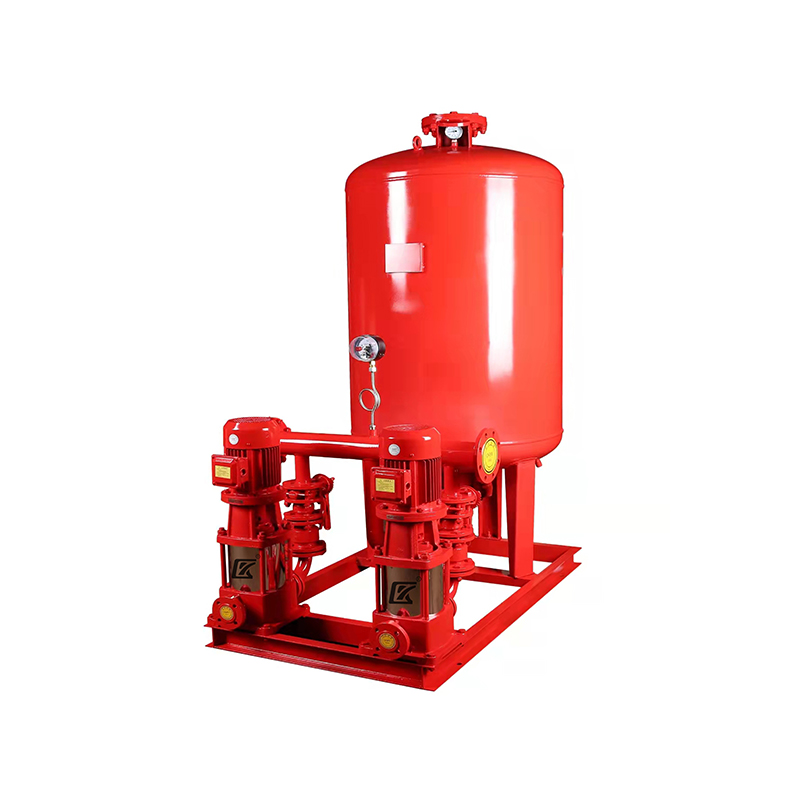
The Automatic Frequency Conversion Constant Pressure Fire Water Supply Equipment is designed and dev...
See Details -
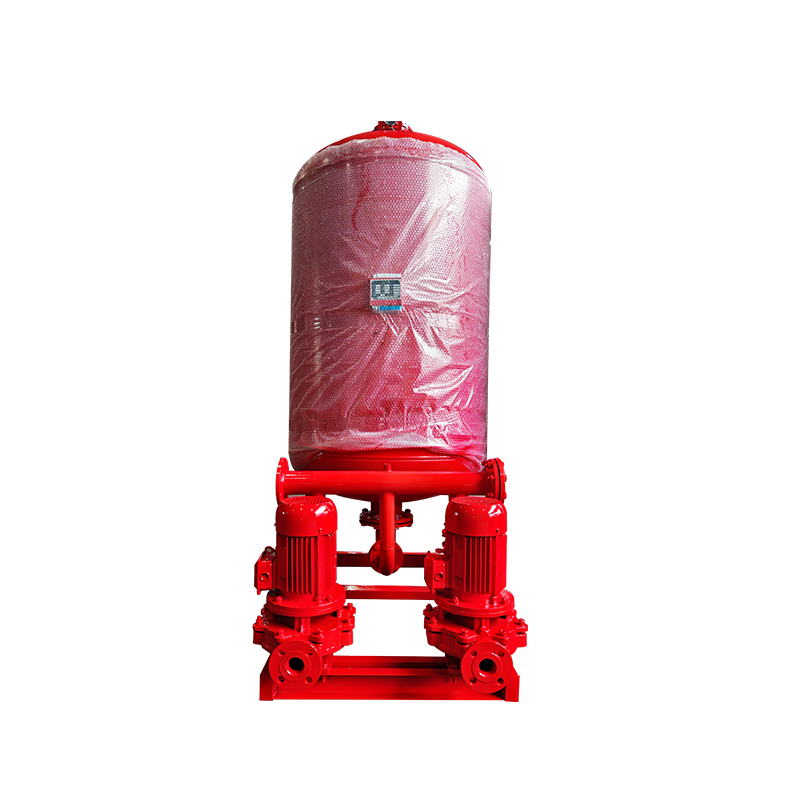
The Fire Fighting Air Pressure Water Supply Equipment typically consists of a pressure tank, pump un...
See Details -
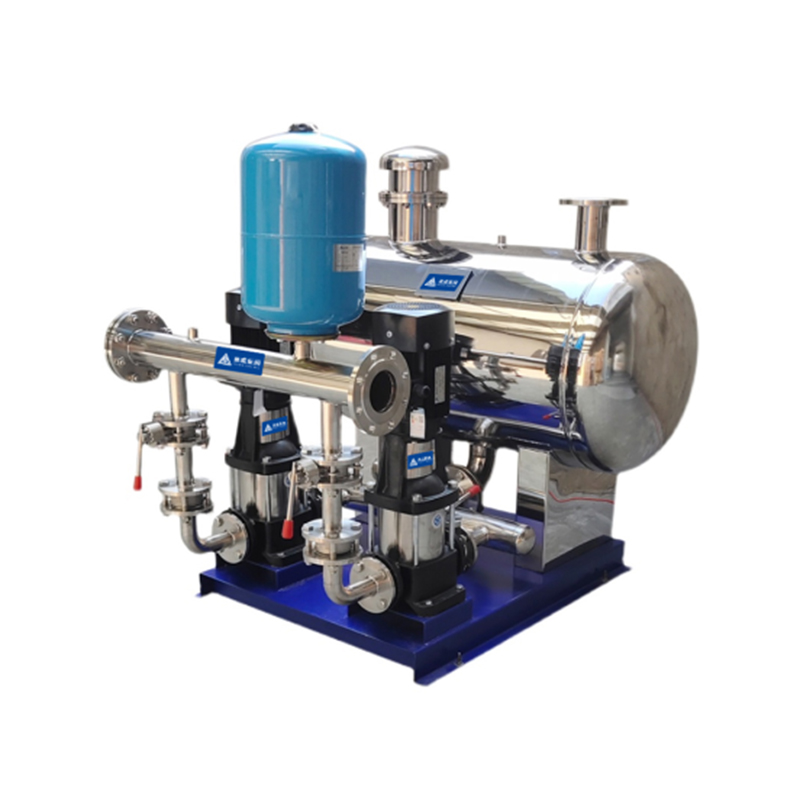
Non-negative pressure water supply equipment is a system composed of a non-negative pressure tank, p...
See Details -
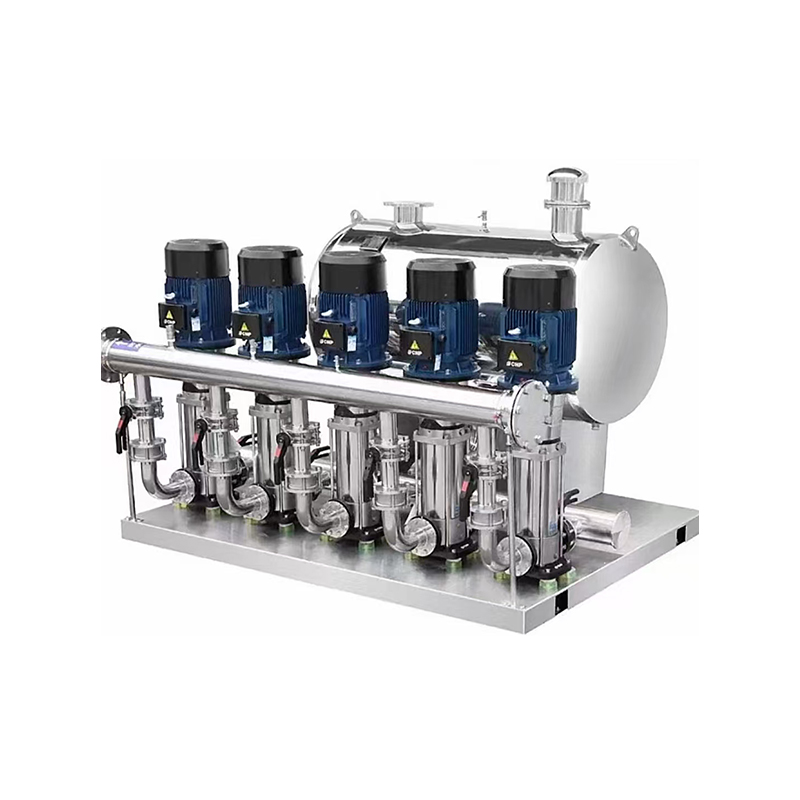
Traditional water supply methods rely heavily on water tanks, which are typically filled with water ...
See Details -
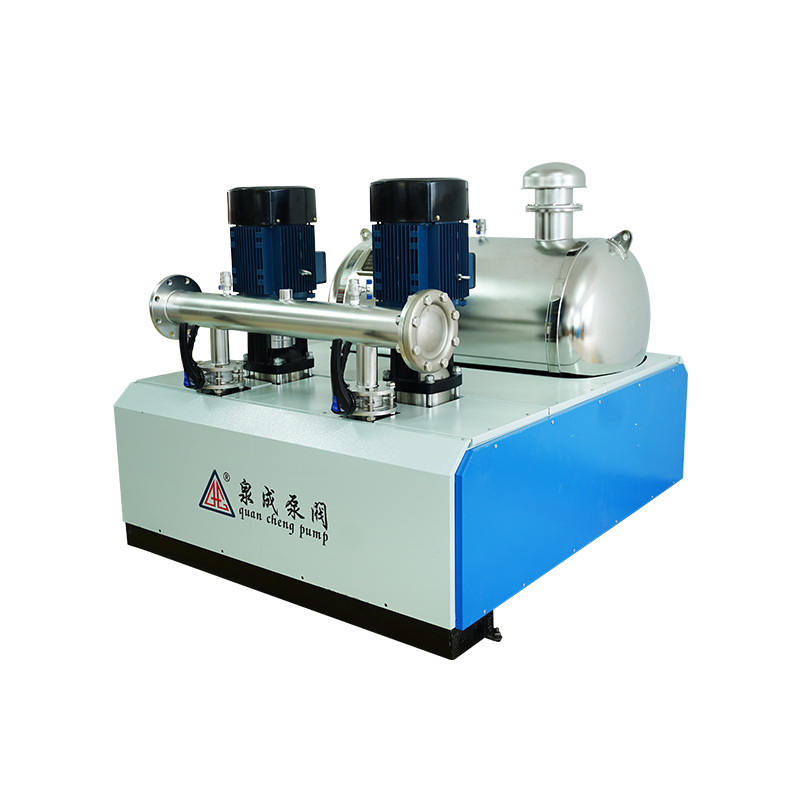
Product OverviewThe Non-negative Pressure Booster Steady Flow Water Supply Equipment uses the munici...
See Details -
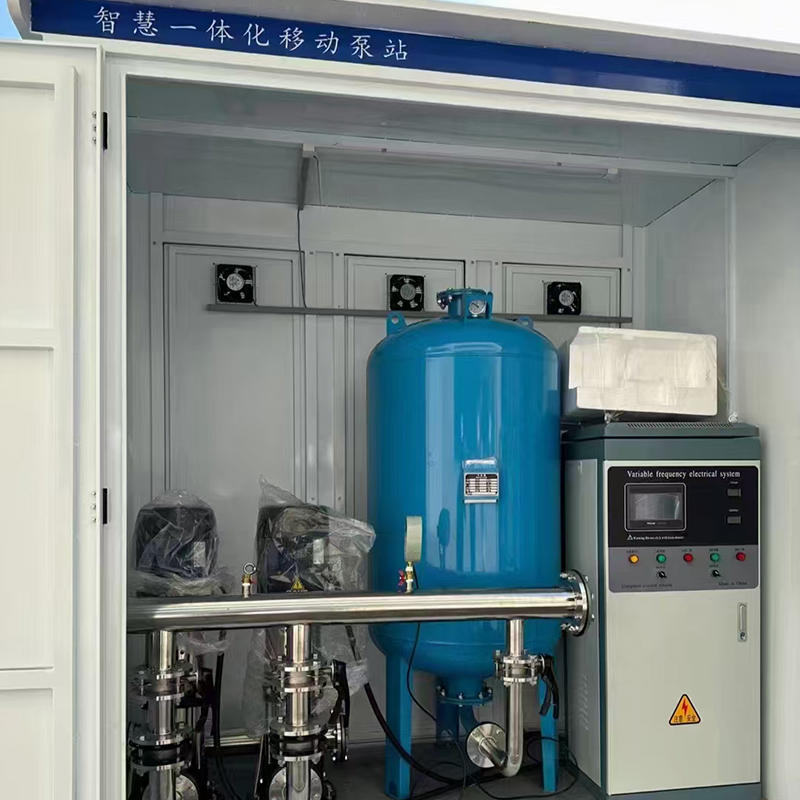
The Intelligent Constant Pressure Variable Frequency Water Supply Equipment is a water supply system...
See Details -
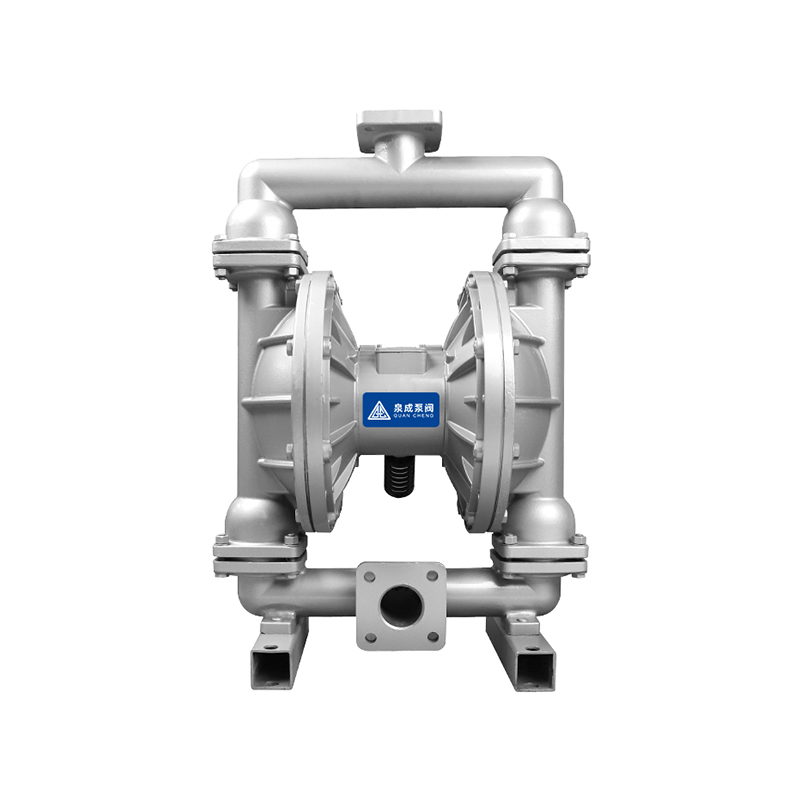
The QBY Air Operated Double Diaphragm Pump produced by our company is a new type of transport machin...
See Details
Copyright © Zhejiang Chuangken Fluid Co., Ltd. All Rights Reserved.
Intelligent Constant Pressure Water Supply System Factory
 浙公网安备33032402001888号
