

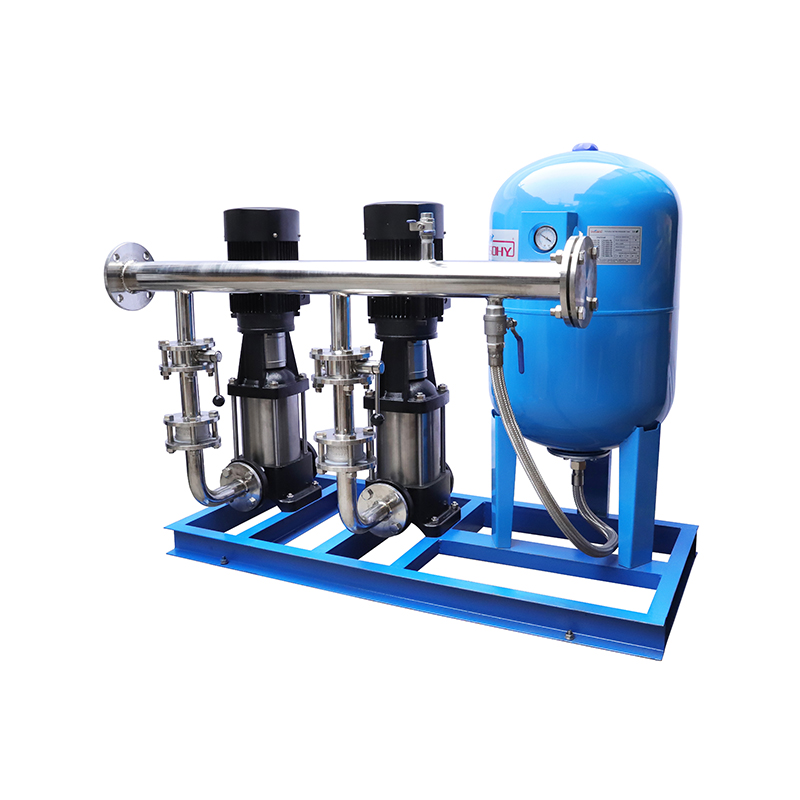
Full Automatic Constant Pressure Variable Frequency Water Supply Equipment is a new generation of hi...
See Details
Multistage Pumps Factory Meets Needs Across Multiple Sectors
Industry News-Multistage pumps play an important role in many industrial settings by moving fluids efficiently across different pressure levels. A multistage pumps factory serves as a central hub where these devices come together through careful planning and assembly. Recent visits to such facilities show how teams coordinate to create pumps used in water management, manufacturing, and energy sectors.
Understanding Multistage Pump Basics
Multistage pumps feature several impellers arranged in sequence. Each stage increases the pressure of the fluid as it passes through. This design allows the equipment to handle higher head requirements compared to single-stage versions while maintaining steady flow rates. Factories producing these pumps focus on matching components to specific application demands.
Workers in the factory start with raw materials like stainless steel or cast iron. These materials undergo cutting, shaping, and finishing before moving to assembly areas. The process emphasizes consistency in dimensions and surface quality to support smooth operation once installed.
Applications Across Different Sectors
Multistage pumps from these factories appear in municipal water supply systems, where they help maintain consistent pressure in distribution networks. In agriculture, the pumps support irrigation setups that cover large fields. Manufacturing plants use them for boiler feed and cooling processes.
The energy sector also relies on these pumps for circulation tasks in power generation facilities. Each application may require slight variations in materials or stage counts, which the factory accommodates through flexible production lines. Operators can adjust configurations without starting the entire design from scratch.
Quality Control Measures
Throughout the manufacturing process, teams perform regular inspections. Gauges and sensors check alignment and balance on every unit. These steps help ensure the pumps perform as expected under normal operating conditions.
Another area receives attention in vibration analysis. Technicians run each completed pump on test benches to record data. Any readings outside standard ranges prompt a return to earlier stations for refinement. This approach supports reliable function once the equipment reaches the field.
| Component | Common Material | Typical Function |
| Impellers | Stainless Steel | Increase fluid pressure stage by stage |
| Casings | Cast Iron | Contain and direct flow |
| Shafts | Alloy Steel | Transmit rotational energy |
| Seals | Mechanical | Prevent leaks during operation |
The table above outlines some standard elements found in many multistage pumps produced in these facilities. Variations occur depending on the intended use and fluid characteristics.
Technology Integration in Manufacturing
Modern multistage pumps factories incorporate CNC machines for precise part creation. Software tracks inventory levels and schedules maintenance on equipment to minimize downtime. Digital models allow engineers to simulate flow patterns before physical prototypes are built.
These tools support efficient use of resources while keeping production on track. Teams still rely on hands-on expertise for final assembly and adjustments that automated systems cannot fully replicate. The combination creates a balanced approach to manufacturing.
Meeting Industry Requirements
Factories producing multistage pumps work with a variety of clients who provide detailed specifications. Some orders call for compact designs suitable for tight installation spaces. Others request larger units capable of higher flow volumes. The production team reviews each request to select appropriate components from available stock or schedule custom fabrication.
This adaptability helps the factory serve both standard catalog items and specialized projects. Delivery timelines vary based on complexity, with common models often moving through the line more quickly than fully custom versions.
In summary, a multistage pumps factory combines skilled labor, structured processes, and practical technology to create equipment used in everyday industrial operations. The facilities continue to refine their methods based on feedback from the field and internal observations. For those interested in fluid handling solutions, observing these production environments provides useful insight into how reliable pumps are made.
Related products
-
-
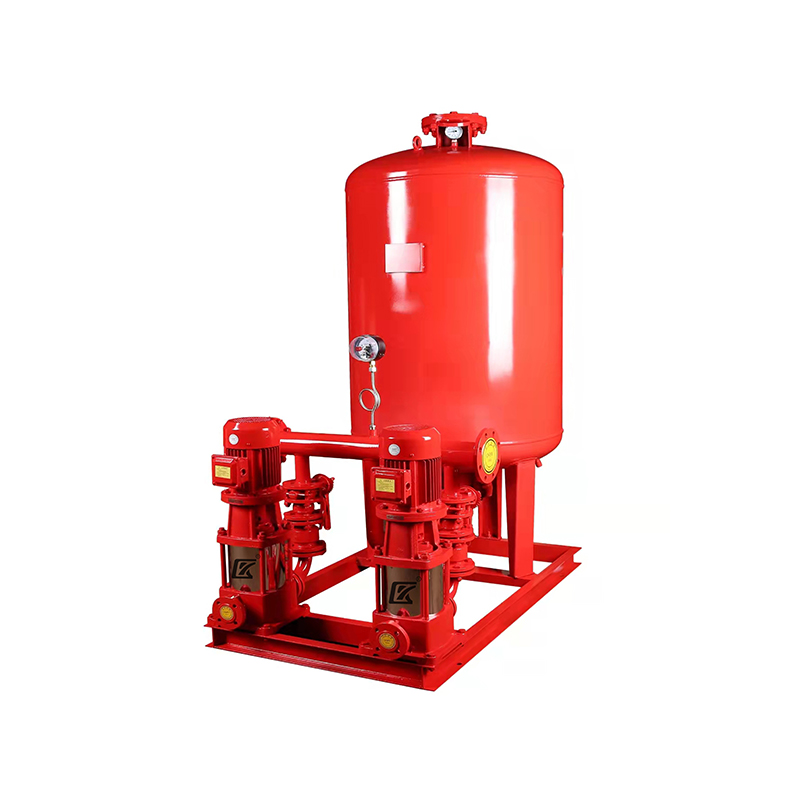
The Automatic Frequency Conversion Constant Pressure Fire Water Supply Equipment is designed and dev...
See Details -
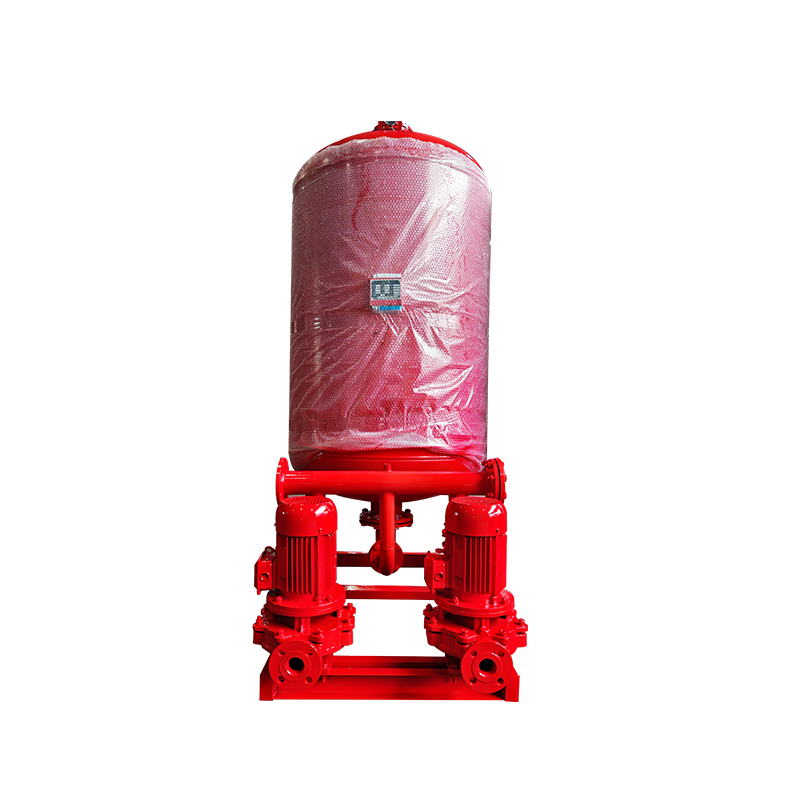
The Fire Fighting Air Pressure Water Supply Equipment typically consists of a pressure tank, pump un...
See Details -
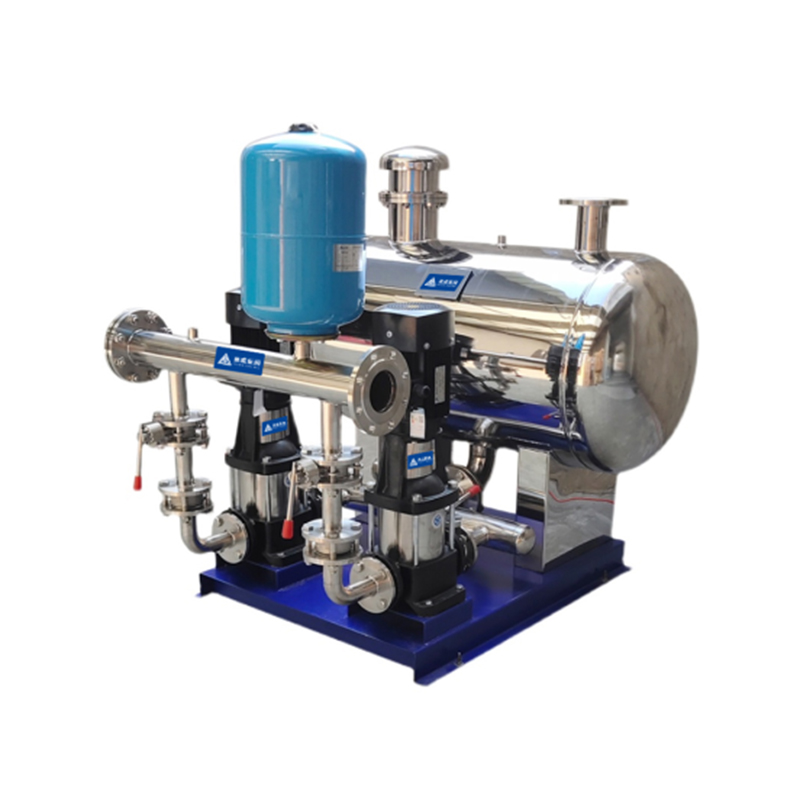
Non-negative pressure water supply equipment is a system composed of a non-negative pressure tank, p...
See Details -
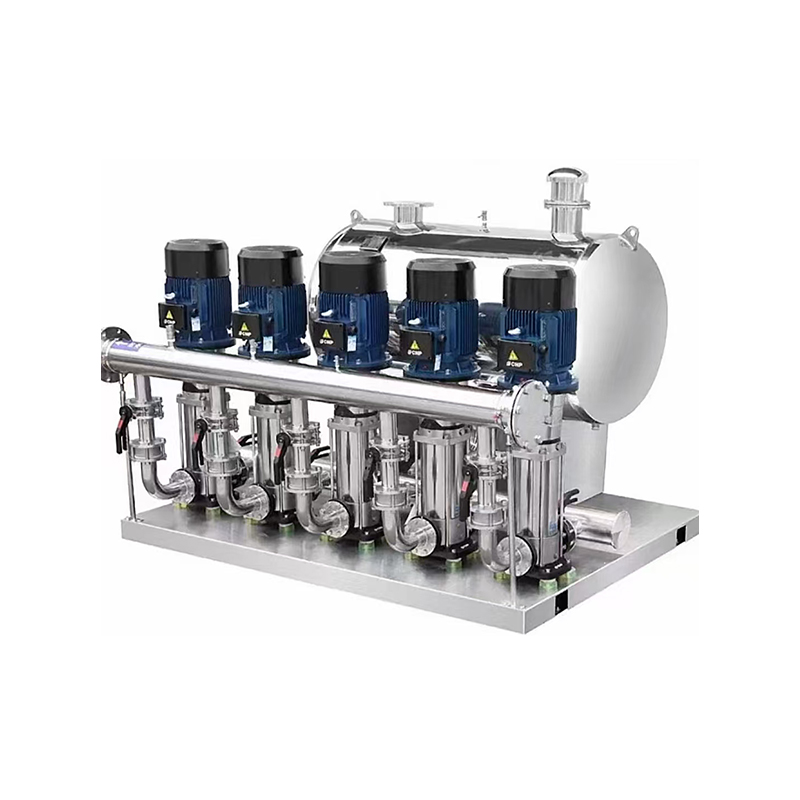
Traditional water supply methods rely heavily on water tanks, which are typically filled with water ...
See Details -
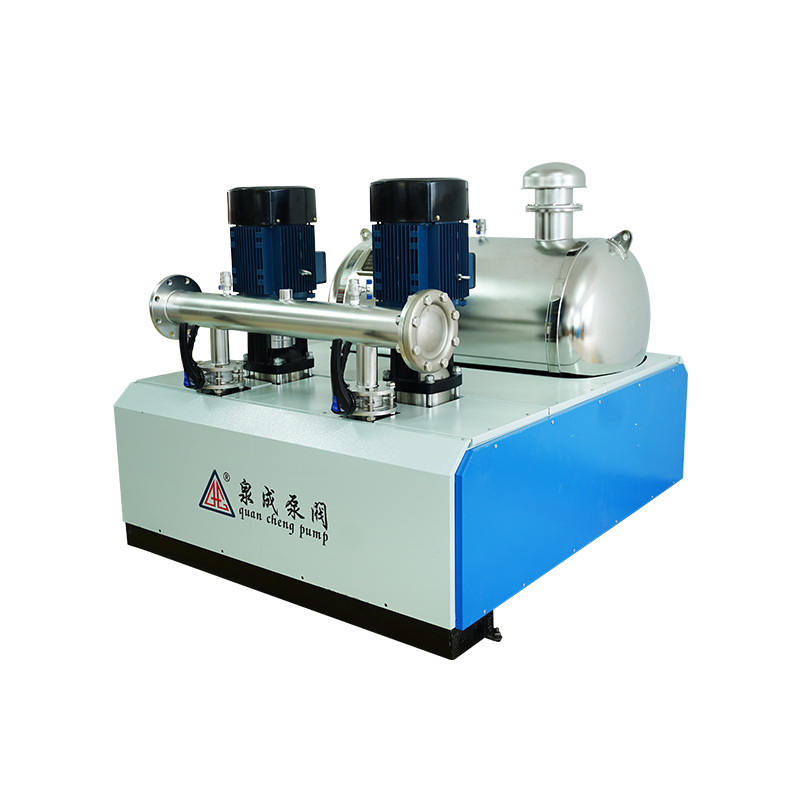
Product OverviewThe Non-negative Pressure Booster Steady Flow Water Supply Equipment uses the munici...
See Details -
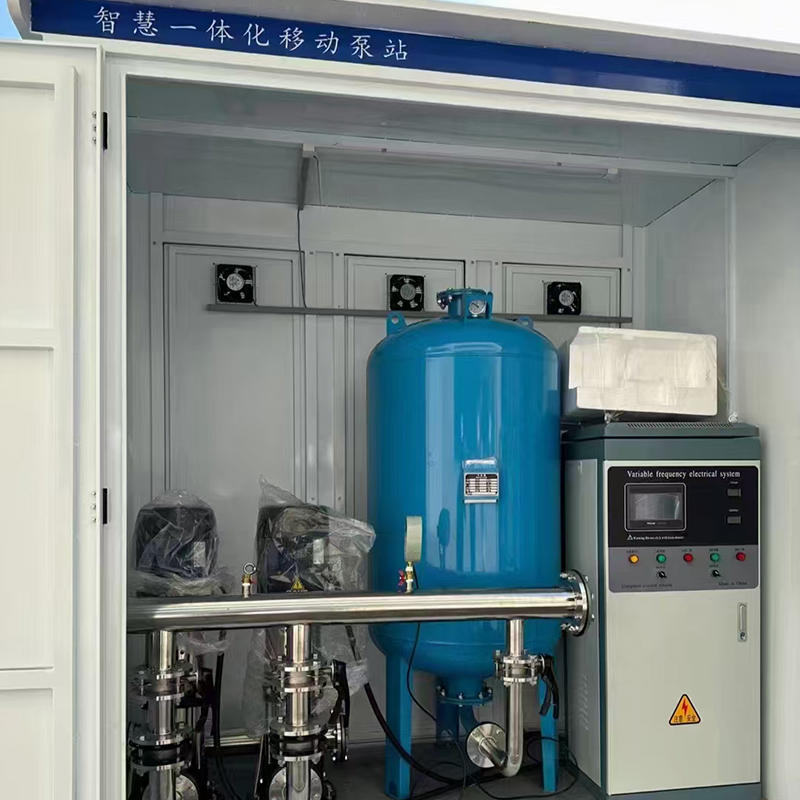
The Intelligent Constant Pressure Variable Frequency Water Supply Equipment is a water supply system...
See Details -
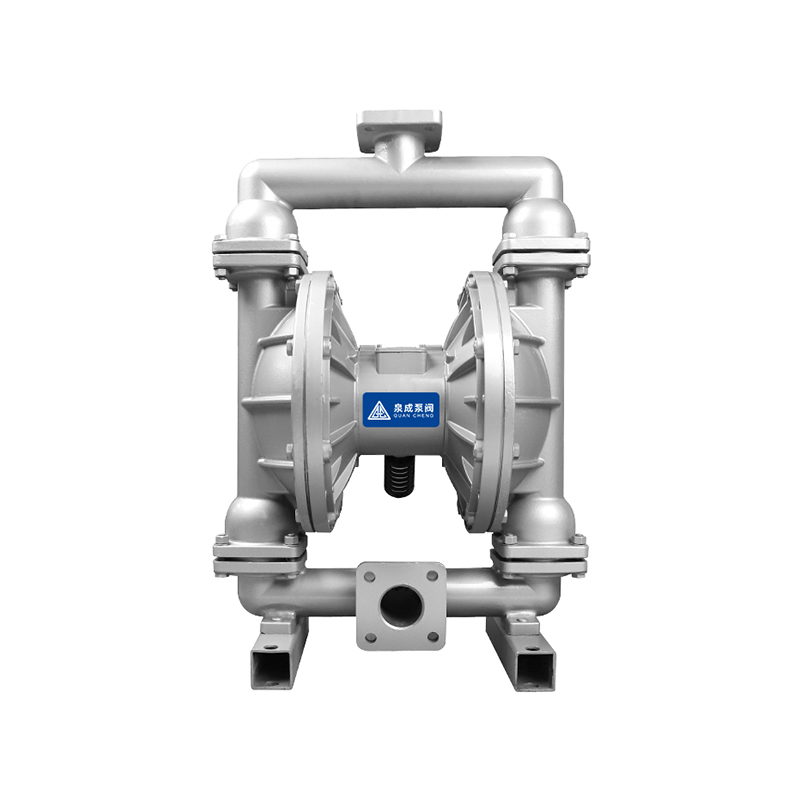
The QBY Air Operated Double Diaphragm Pump produced by our company is a new type of transport machin...
See Details
Copyright © Zhejiang Chuangken Fluid Co., Ltd. All Rights Reserved.
Intelligent Constant Pressure Water Supply System Factory
 浙公网安备33032402001888号
