

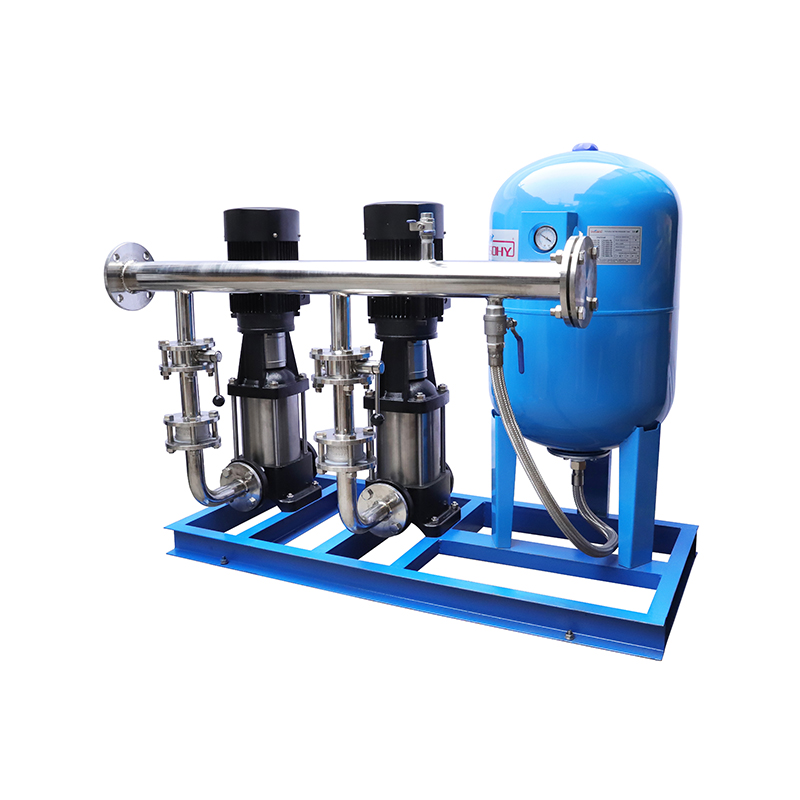
Full Automatic Constant Pressure Variable Frequency Water Supply Equipment is a new generation of hi...
See Details
Boost Pump Factory Responds to Rising Global Water Needs
Industry News-The demand for efficient and reliable water pumping systems has been steadily rising across the globe, driven by both environmental challenges and the need for effective water management solutions. Industries, municipalities, and agricultural sectors aim to improve their water systems, prompting Boost Pump Factories to focus on enhancing production capabilities and integrating advanced technologies into their processes.
Factories in the water pump sector have been investing heavily in expanding production to meet the rising demand for water management solutions. Water pumps are essential for a range of applications, including irrigation, wastewater treatment, and municipal water supply. The production of high-quality pumps that can withstand challenging environmental conditions is a top priority for leading manufacturers.
One of the key areas where manufacturers are focusing their efforts is the integration of advanced technology into the pump production process. Modern pumps are not only designed to move water but also to do so in an energy-efficient and sustainable manner. Energy costs rise, and environmental concerns grow, leading consumers and businesses to seek pumps that reduce energy consumption while maintaining high performance. Manufacturers are addressing these needs by incorporating energy-efficient motors, variable speed drives, and smart control systems into their pump designs. These technologies help optimize the performance of the pumps and ensure that they consume the least amount of energy necessary to operate effectively.
Another area of focus is automation in manufacturing. By adopting automation technologies, water pump producers are able to streamline production processes, reduce lead times, and improve product consistency. Automated systems are being used to handle everything from raw material processing to assembly and quality control. This not only boosts production efficiency but also helps minimize human error, leading to higher-quality pumps that meet strict industry standards. Automation also allows manufacturers to scale up production more easily to meet the increasing demand for water pumps.
The global market for water pumps has also become more competitive, prompting manufacturers to improve their offerings in terms of durability and reliability. Pumps are often required to operate under demanding conditions, such as in extreme temperatures or in corrosive environments. To address this, manufacturers are using materials that are resistant to wear and tear, corrosion, and other forms of damage. Stainless steel and high-grade plastics are commonly used to enhance the longevity and durability of pumps, ensuring that they can perform well over extended periods without significant maintenance.
To ensure that their products perform reliably throughout their lifecycles, companies are offering installation, maintenance, and troubleshooting services to help customers optimize the performance of their pumps. This commitment to customer service is essential in building long-term relationships with clients, ensuring that they can rely on their water pumps for years to come.
The demand for water pumps is expected to continue rising as more industries, agricultural sectors, and municipalities seek to improve their water management systems. As a Boost Pump Factory enhances capabilities to meet these needs, factories across the sector continue to innovate and refine production methods, positioning the water pump industry to play a key role in addressing global water challenges. The integration of advanced technologies, along with a focus on energy efficiency, sustainability, and durability, will ensure that water pumps remain essential tools in managing one of the planet’s most precious resources: water.
Related products
-
-
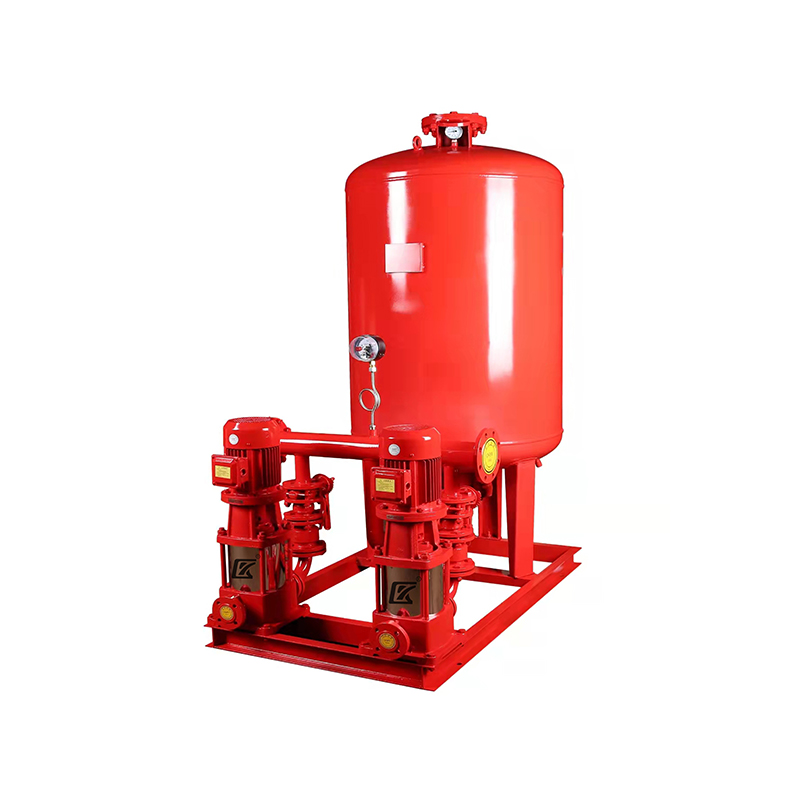
The Automatic Frequency Conversion Constant Pressure Fire Water Supply Equipment is designed and dev...
See Details -
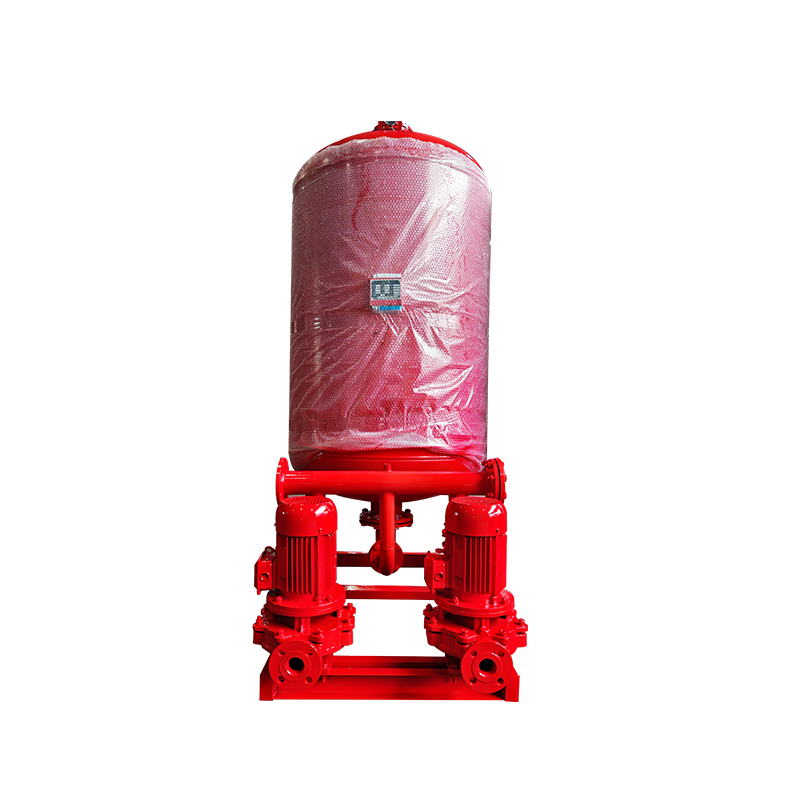
The Fire Fighting Air Pressure Water Supply Equipment typically consists of a pressure tank, pump un...
See Details -
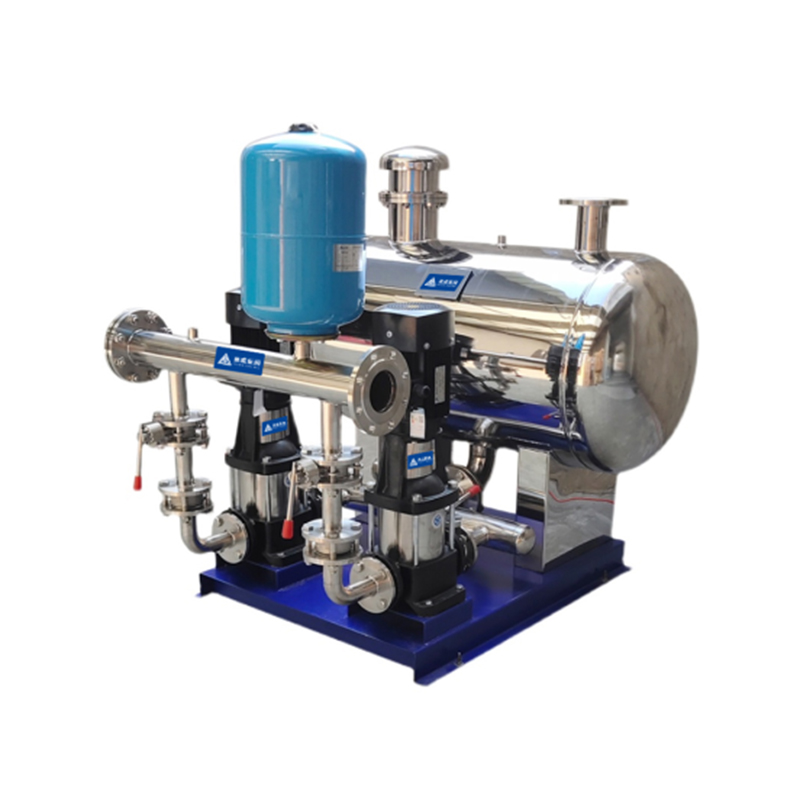
Non-negative pressure water supply equipment is a system composed of a non-negative pressure tank, p...
See Details -
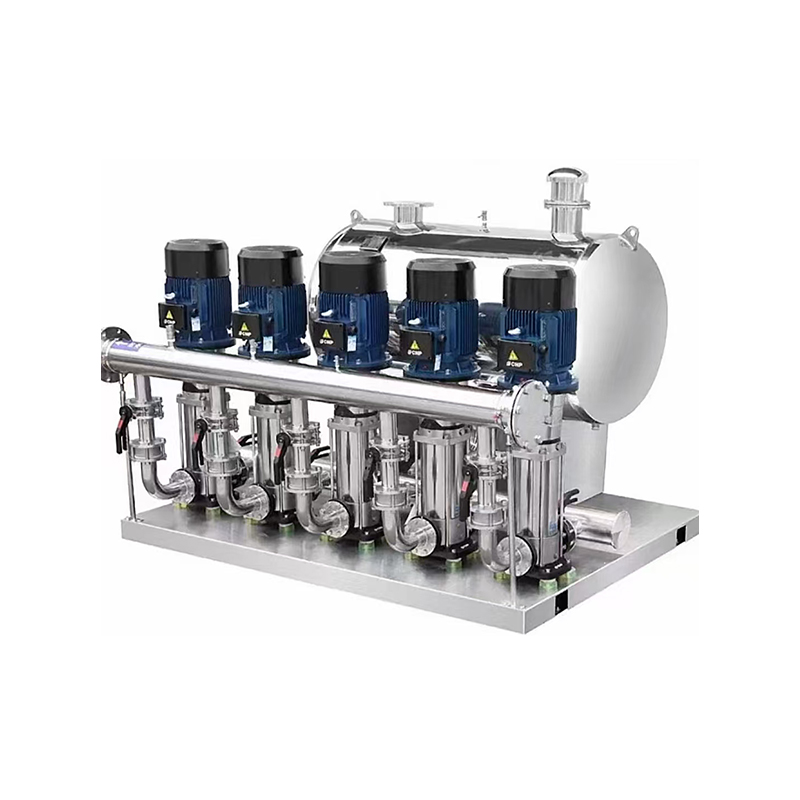
Traditional water supply methods rely heavily on water tanks, which are typically filled with water ...
See Details -
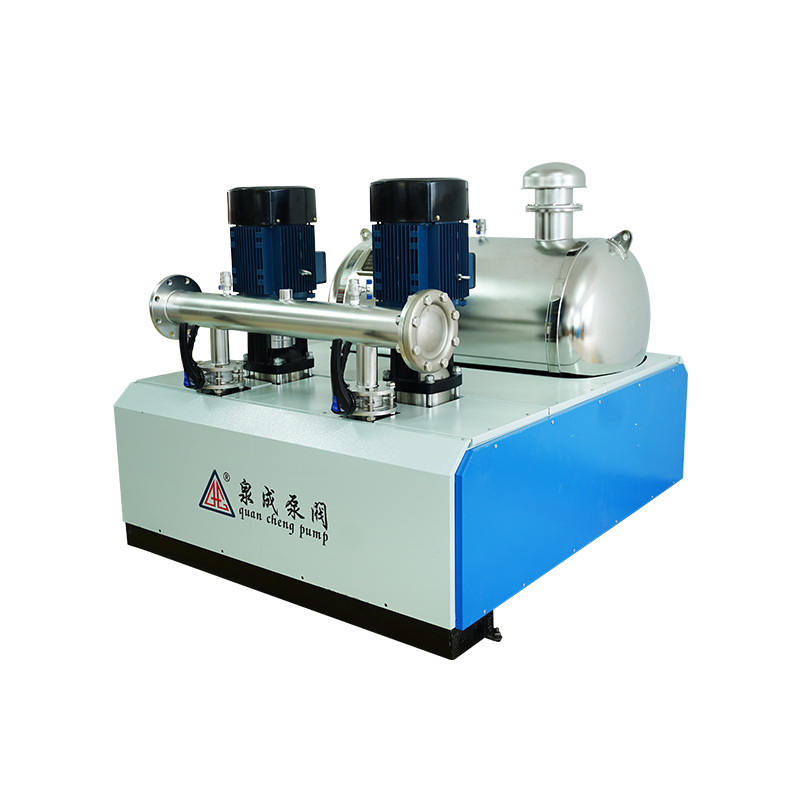
Product OverviewThe Non-negative Pressure Booster Steady Flow Water Supply Equipment uses the munici...
See Details -
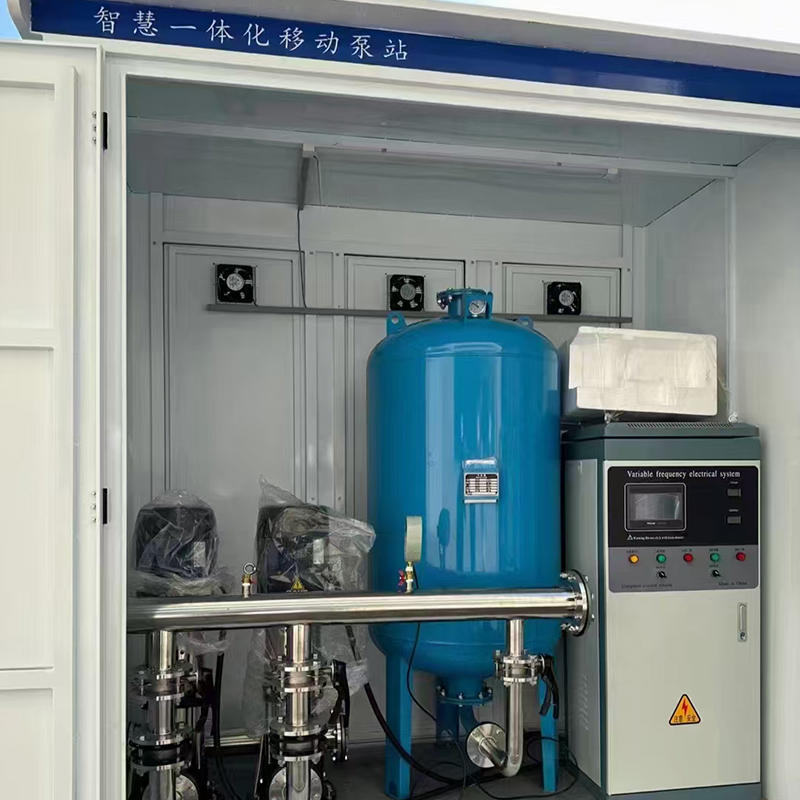
The Intelligent Constant Pressure Variable Frequency Water Supply Equipment is a water supply system...
See Details -
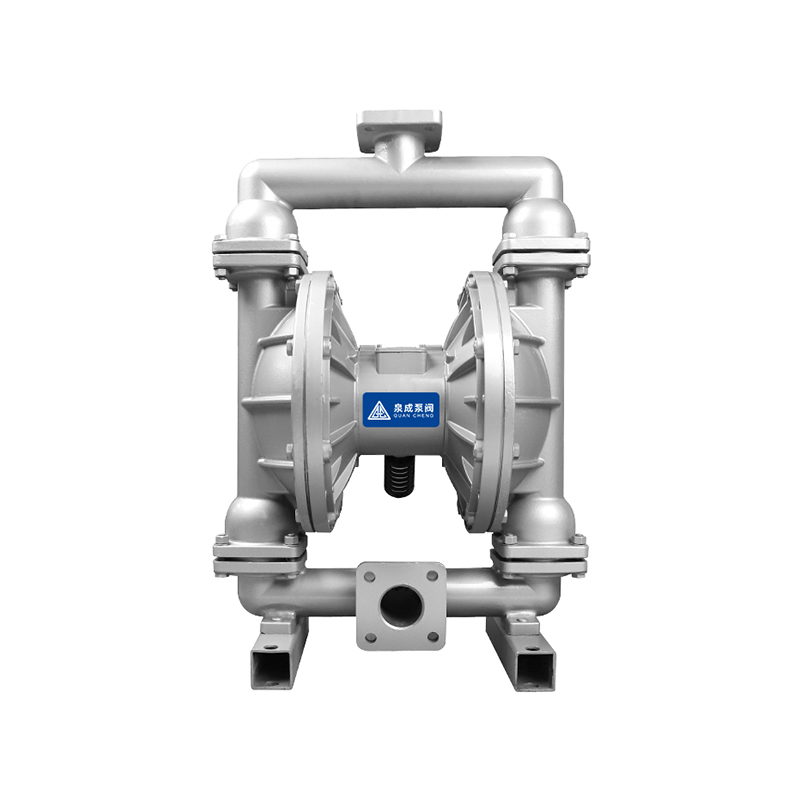
The QBY Air Operated Double Diaphragm Pump produced by our company is a new type of transport machin...
See Details
Copyright © Zhejiang Chuangken Fluid Co., Ltd. All Rights Reserved.
Intelligent Constant Pressure Water Supply System Factory
 浙公网安备33032402001888号
