

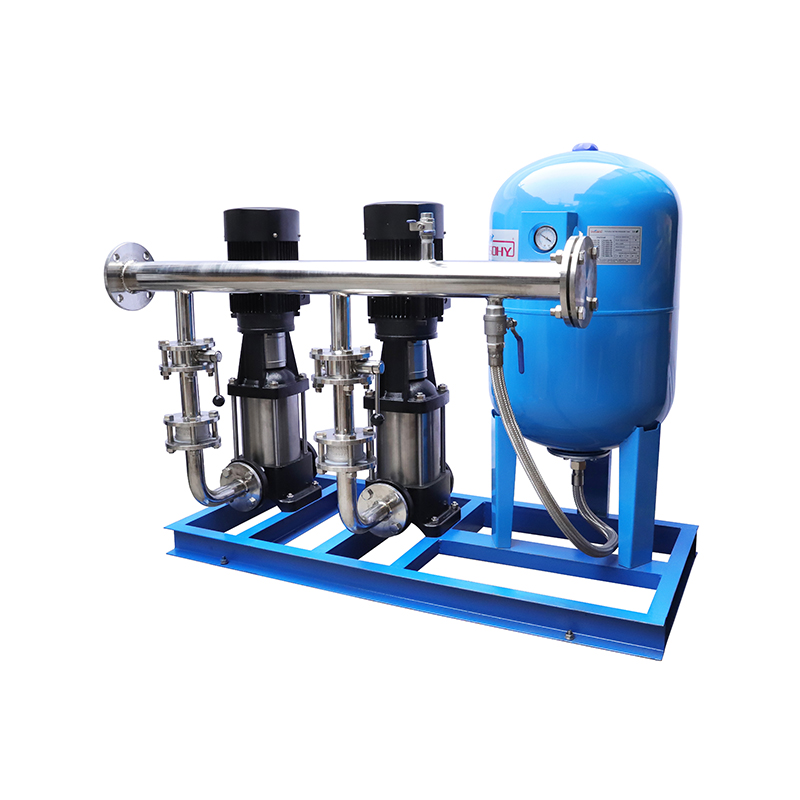
Full Automatic Constant Pressure Variable Frequency Water Supply Equipment is a new generation of hi...
See Details
Sewage Pump Factory Enhances Production with Automation
Industry News-The sewage pump industry plays a critical role in modern infrastructure, supporting the effective management of wastewater in both urban and rural areas. Sewage pump factories are responding to this demand by enhancing production capabilities, adopting innovative technologies, and improving product quality to meet the diverse needs of municipal, industrial, and residential customers.
The production of sewage pumps requires a deep understanding of wastewater systems and the specific challenges posed by sewage handling. These pumps are designed to transport waste and sewage from homes, businesses, and industrial sites to treatment facilities. Given the often harsh and corrosive environments in which these pumps operate, factories focus on durability and reliability when designing their products. Pumps must withstand the rigors of constant use in challenging conditions, including high-pressure environments and exposure to various chemicals and debris found in wastewater.
To meet these challenges, factories are increasingly turning to advanced materials and manufacturing techniques. Stainless steel and high-grade plastics are commonly used to enhance the longevity and performance of sewage pumps. These materials are resistant to corrosion and wear, ensuring that the pumps remain functional over extended periods with minimal maintenance. Pumps are engineered to handle a variety of sewage types, including solid waste and debris, without clogging or reducing efficiency. This level of reliability is essential for preventing costly system failures and maintaining a continuous flow of wastewater management.
The integration of advanced technologies has also become a key focus for manufacturers looking to improve the performance and efficiency of their pumps. For instance, many sewage pumps are now equipped with variable speed drives (VSDs) that allow them to adjust their pumping capacity based on demand. This not only ensures optimal performance but also reduces energy consumption, which is an increasingly important consideration for both commercial and residential users. In addition to energy efficiency, VSDs help reduce wear and tear on the pumps, leading to longer operational lifespans.
Another area where factories are investing heavily is automation. Automation in the production process allows for greater precision and consistency in pump design and manufacturing. Automated systems are used in everything from the assembly of pump components to quality control and testing. This ensures that each pump meets strict standards for performance and reliability before it leaves the production facility. Automation also helps reduce production time and costs, making it possible for manufacturers to meet the growing demand for sewage pumps in a timely manner.
The growing need for sustainable solutions has also influenced the sewage pump industry. Manufacturers are increasingly incorporating eco-friendly technologies into their products, aiming to reduce their environmental impact. Energy-efficient pumps not only help reduce operational costs but also support global sustainability goals.
The market for sewage pumps is expected to continue expanding in the coming years. Urbanization, industrialization, and population growth are driving the need for more sophisticated wastewater systems. Municipalities, industries, and even individual households require reliable sewage pumps to maintain effective waste management systems. As such, manufacturers are constantly adapting to market needs, offering a variety of products designed for different applications, from small residential pumps to large industrial models capable of handling significant volumes of wastewater.
The growing demand for wastewater management solutions positions each Sewage Pump Factory to drive sustainable and efficient systems. Continuous innovation, integration of advanced technologies, and a strong focus on durability and reliability support the evolution of the sewage pump industry as it responds to modern infrastructure challenges.
Related products
-
-
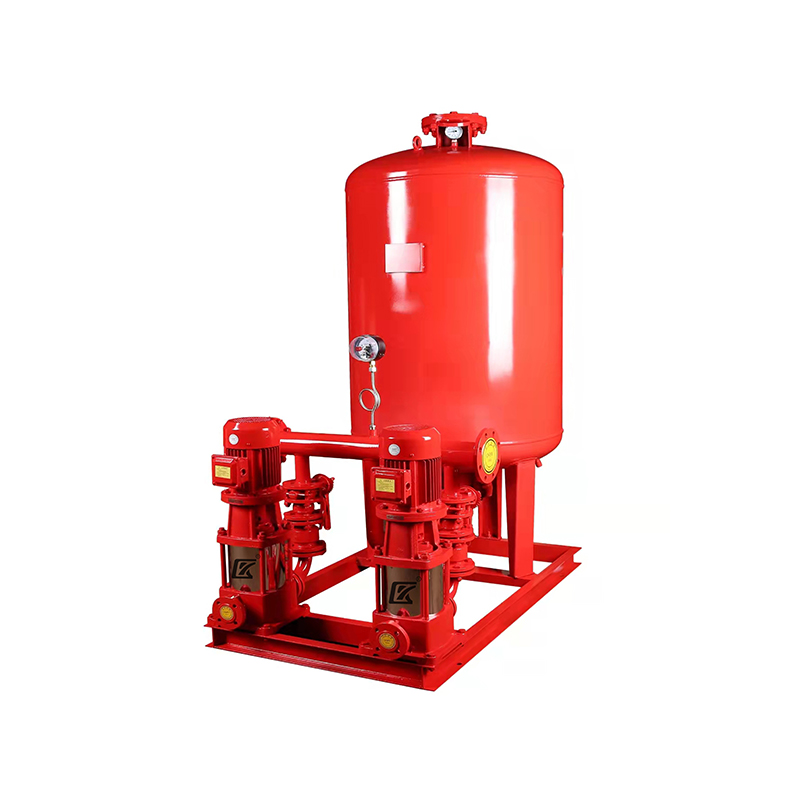
The Automatic Frequency Conversion Constant Pressure Fire Water Supply Equipment is designed and dev...
See Details -
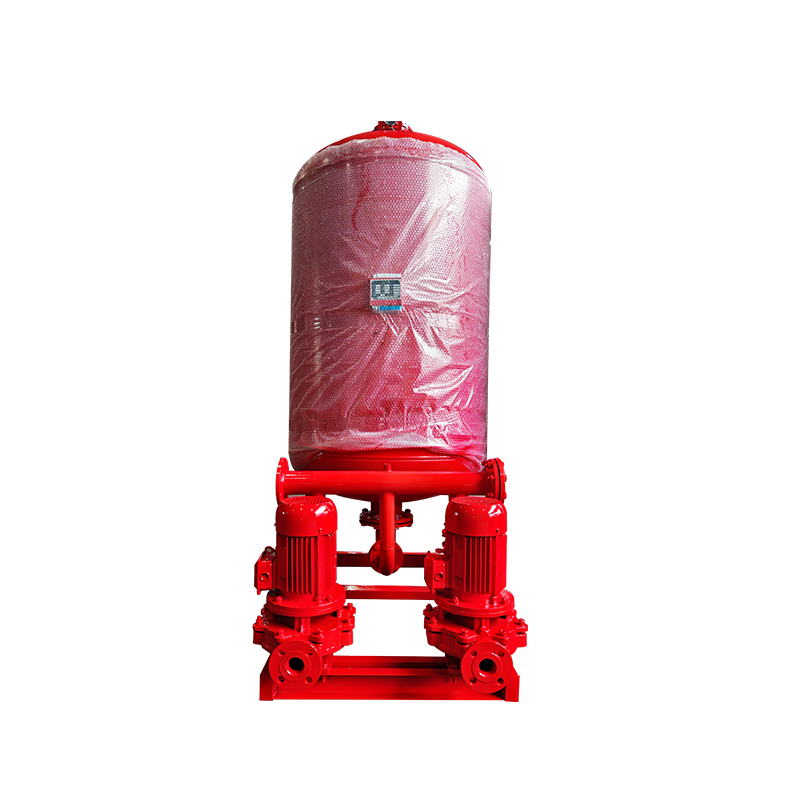
The Fire Fighting Air Pressure Water Supply Equipment typically consists of a pressure tank, pump un...
See Details -
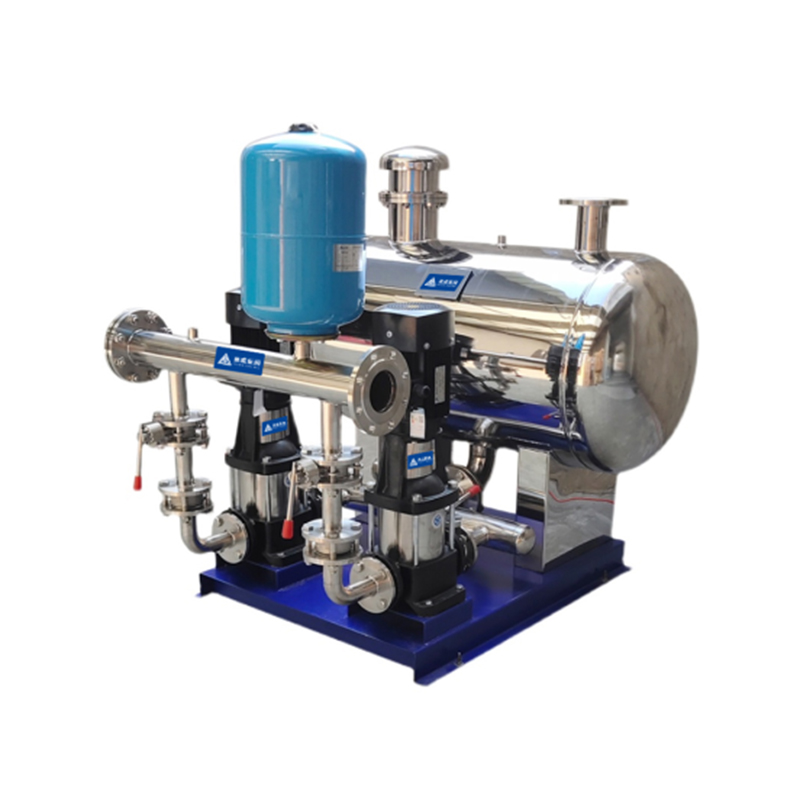
Non-negative pressure water supply equipment is a system composed of a non-negative pressure tank, p...
See Details -
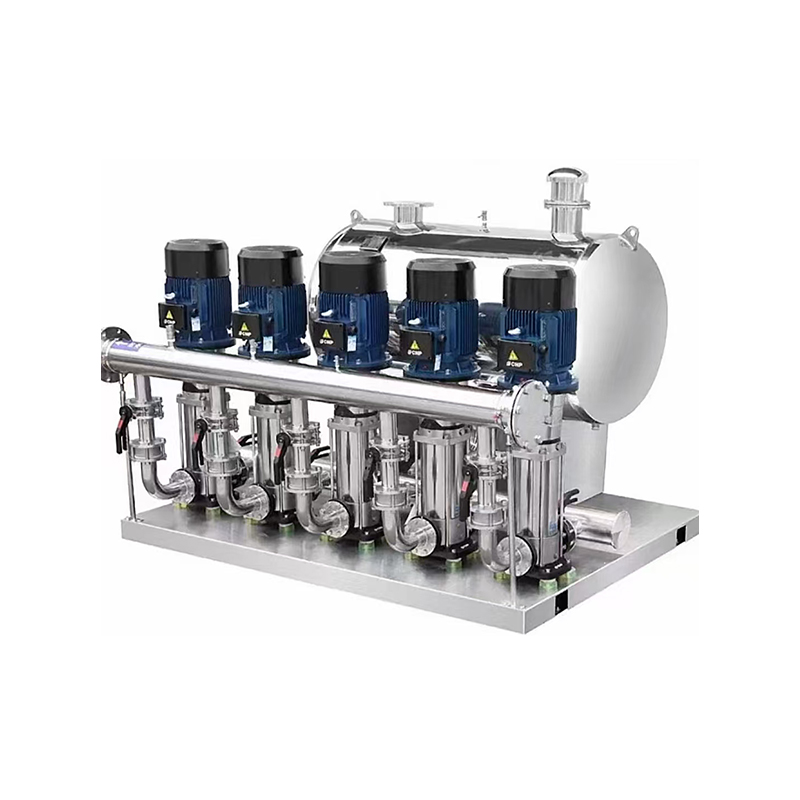
Traditional water supply methods rely heavily on water tanks, which are typically filled with water ...
See Details -
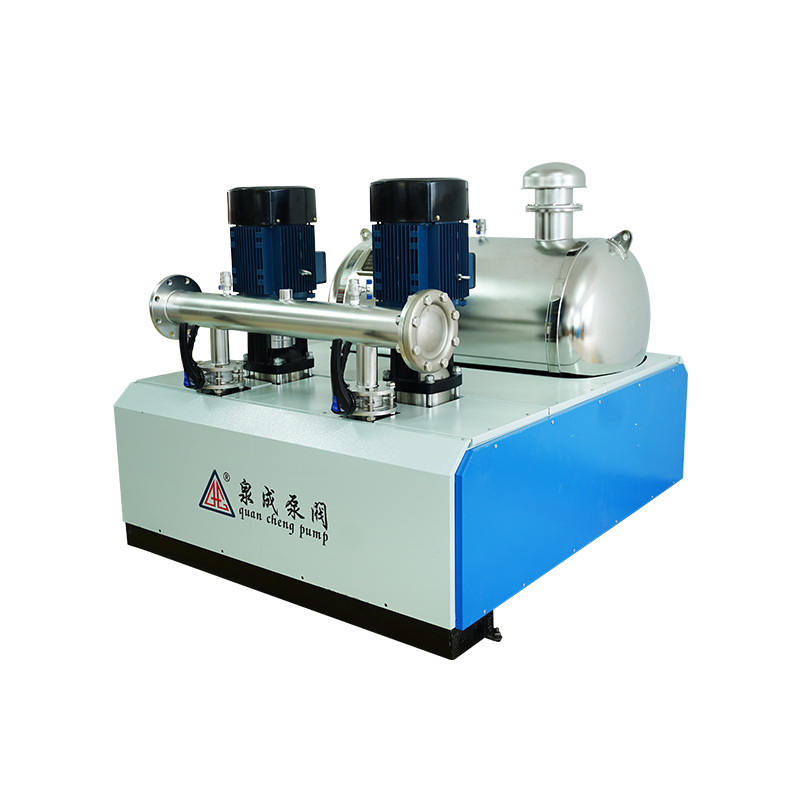
Product OverviewThe Non-negative Pressure Booster Steady Flow Water Supply Equipment uses the munici...
See Details -
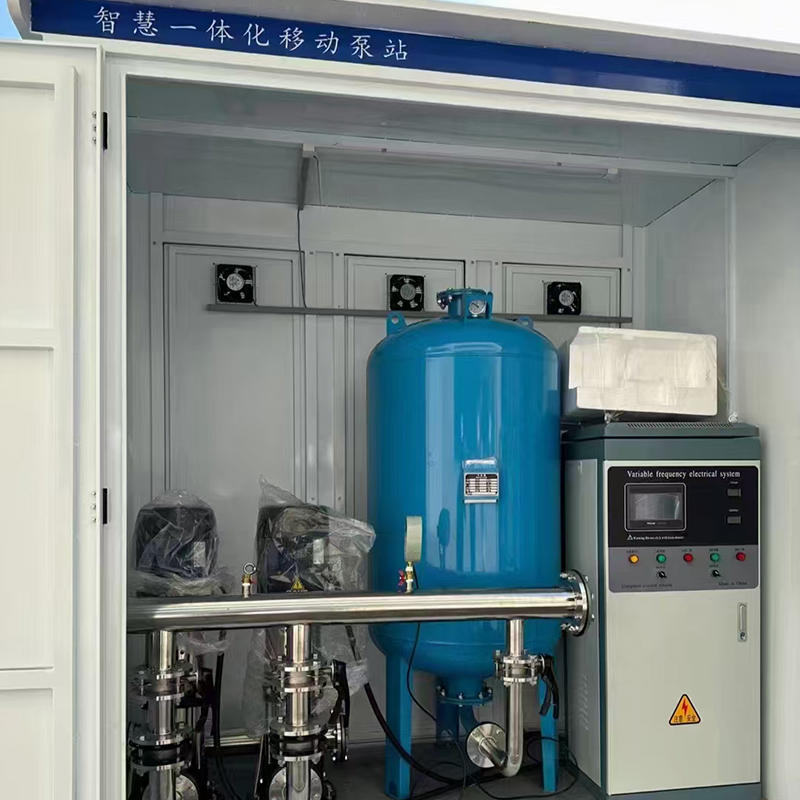
The Intelligent Constant Pressure Variable Frequency Water Supply Equipment is a water supply system...
See Details -
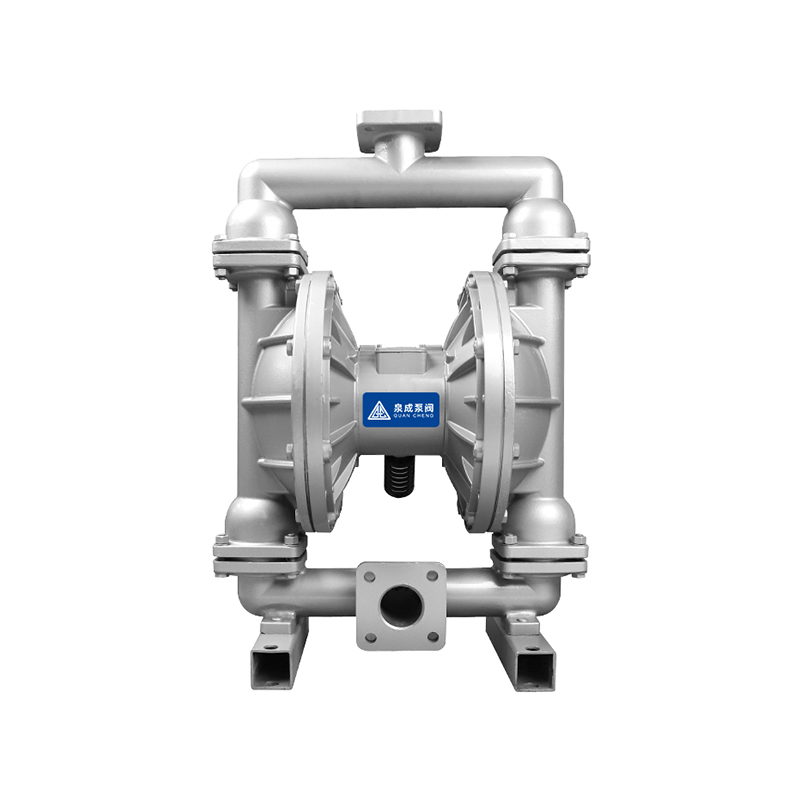
The QBY Air Operated Double Diaphragm Pump produced by our company is a new type of transport machin...
See Details
Copyright © Zhejiang Chuangken Fluid Co., Ltd. All Rights Reserved.
Intelligent Constant Pressure Water Supply System Factory
 浙公网安备33032402001888号
