

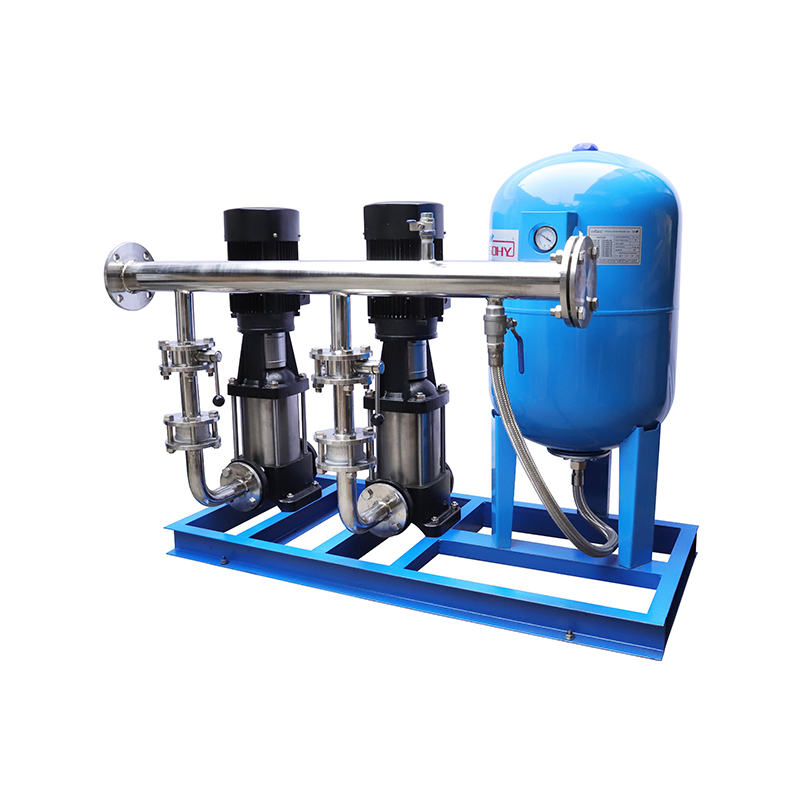
Full Automatic Constant Pressure Variable Frequency Water Supply Equipment is a new generation of hi...
See Details
Can a Diesel Engine Pump Factory Meet Custom Needs?
Industry News-Why Diesel Engine Pumps Matter in Industrial Operations
Moving water and other compatible fluids is a routine requirement across construction sites, agricultural operations, industrial facilities, and emergency drainage projects. In locations where a stable electrical supply is unavailable or difficult to access, diesel engine pumps can provide a practical alternative. Their built-in diesel power source allows the pump unit to operate independently of a fixed electrical connection.
A Diesel Engine Pump Factory brings together engine selection, pump assembly, component matching, and performance testing. These activities help manufacturers develop equipment for different flow requirements, operating conditions, and installation arrangements.
For equipment distributors and project contractors, understanding how these products are designed and manufactured can make product selection more straightforward. Pump capacity, engine output, fluid characteristics, and operating conditions all influence which configuration is suitable for a particular application.
How Factory Production Shapes Pump Performance
A diesel engine pump is made up of several connected systems. The diesel engine supplies mechanical power, while the pump converts that power into fluid movement. A coupling or drive arrangement transfers energy between these components, and the supporting frame keeps the assembly positioned during operation.
At a Diesel Engine Pump Factory, production generally involves several stages, including component preparation, engine and pump matching, mechanical assembly, and functional checks. The exact workflow depends on the product design and the manufacturer's production arrangements.
Matching the engine to the pump is an important part of the process. A pump intended for high flow at relatively low discharge pressure may require a different configuration from one designed to move water through a long pipeline or deliver it to an elevated location.
The inlet and outlet dimensions, impeller design, shaft arrangement, and connection type also affect how the finished unit integrates with the wider system. Consistent assembly procedures help manufacturers keep these components aligned with the intended product specifications.
Custom Configurations for Different Pumping Needs
Not every pumping project requires the same equipment arrangement. Some customers need a compact unit that can be moved between work areas, while others require a stationary assembly designed around a particular pipeline or installation space.
A Diesel Engine Pump Factory may offer different frame structures, engine ratings, pump types, and connection arrangements. The available choices depend on the manufacturer's engineering capabilities and existing product range.
OEM and ODM services can also be relevant for distributors developing their own equipment brands. Depending on the supplier's capabilities, cooperation may involve product appearance, nameplates, packaging, selected structural details, or specifications for a particular market segment.
Before confirming a customized order, both parties should establish the required operating parameters and the scope of the changes. This helps ensure that the proposed configuration matches the intended application rather than relying on general product descriptions.
Production Consistency and Product Selection
A diesel engine pump must function as an integrated assembly rather than a collection of unrelated components. Engine output, pump characteristics, mechanical connections, and structural support all contribute to how the unit performs under its intended operating conditions.
For distributors and industrial equipment suppliers, a capable manufacturing partner should provide understandable specifications, clear model distinctions, and information that supports application matching. These details are particularly useful when several pump configurations share a similar appearance.
A Diesel Engine Pump Factory serves an important role in connecting manufacturing processes with practical pumping requirements. By considering application conditions, component compatibility, production procedures, and available configurations, businesses can identify equipment that fits their operational needs and build a more clearly organized product portfolio.
Related products
-
-
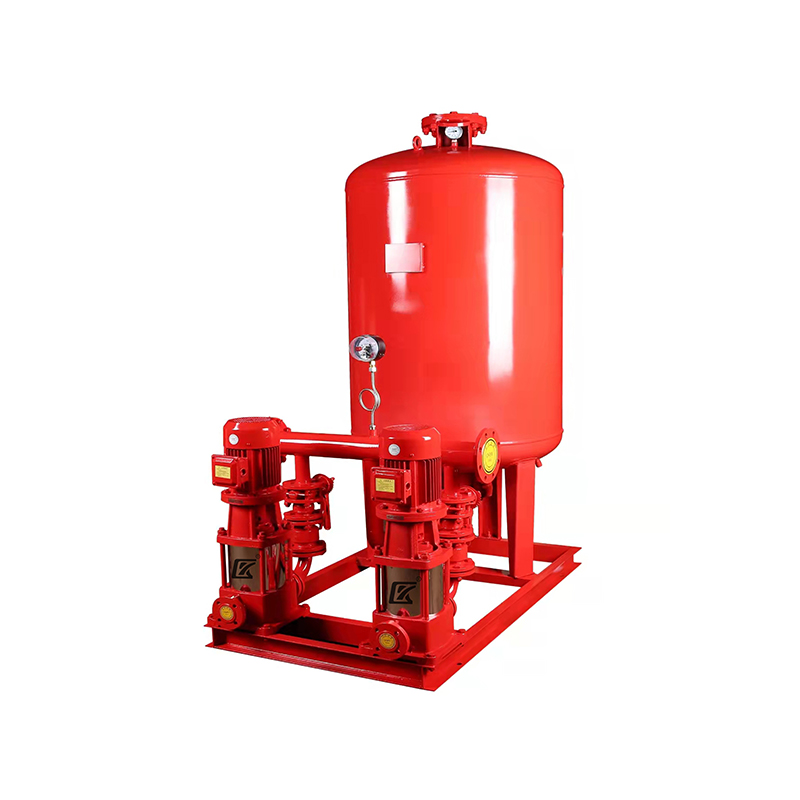
The Automatic Frequency Conversion Constant Pressure Fire Water Supply Equipment is designed and dev...
See Details -
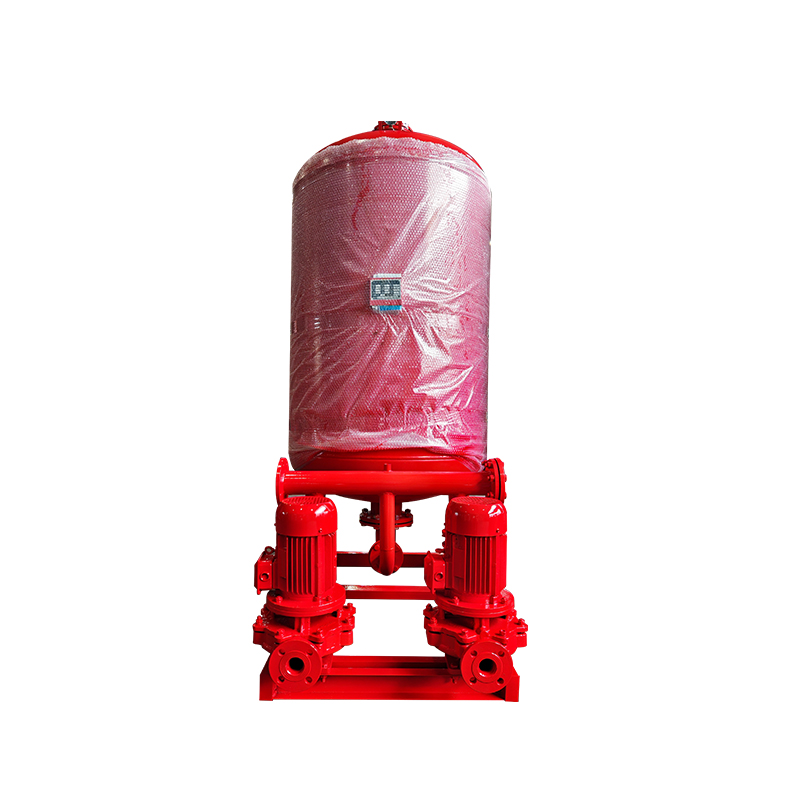
The Fire Fighting Air Pressure Water Supply Equipment typically consists of a pressure tank, pump un...
See Details -
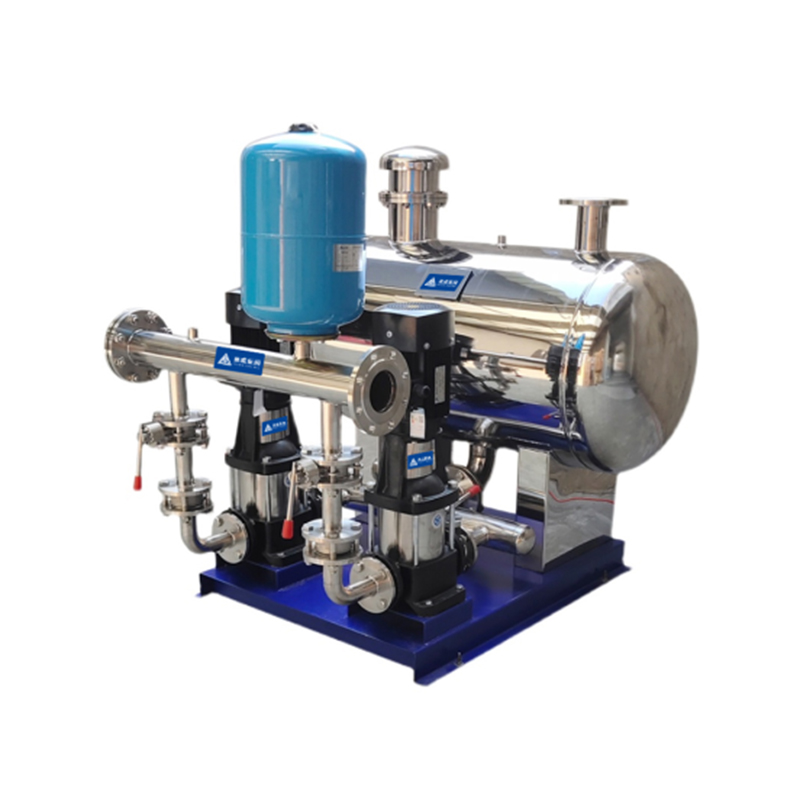
Non-negative pressure water supply equipment is a system composed of a non-negative pressure tank, p...
See Details -
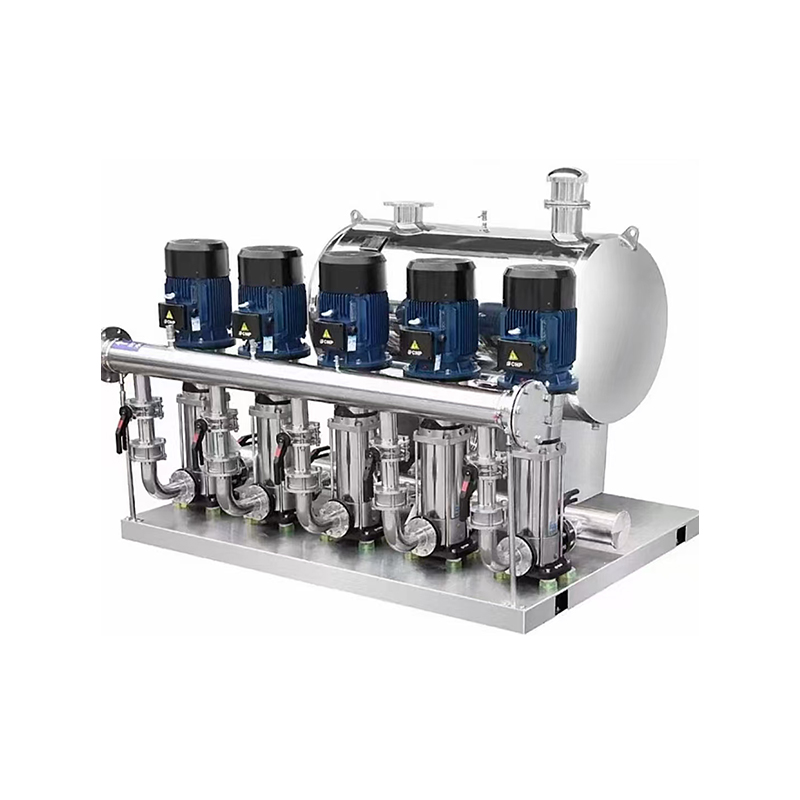
Traditional water supply methods rely heavily on water tanks, which are typically filled with water ...
See Details -
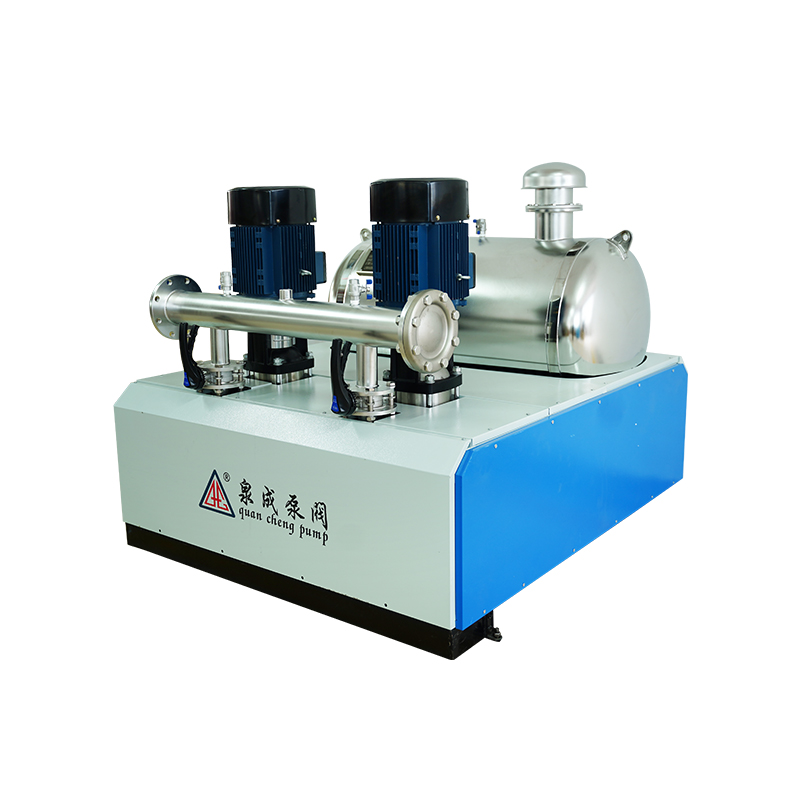
Product OverviewThe Non-negative Pressure Booster Steady Flow Water Supply Equipment uses the munici...
See Details -
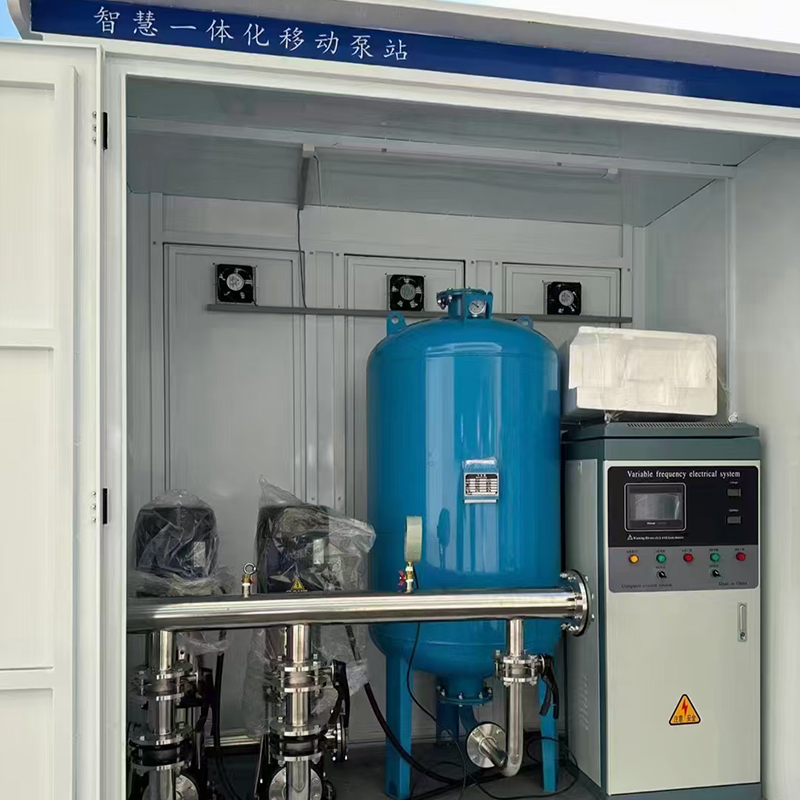
The Intelligent Constant Pressure Variable Frequency Water Supply Equipment is a water supply system...
See Details -
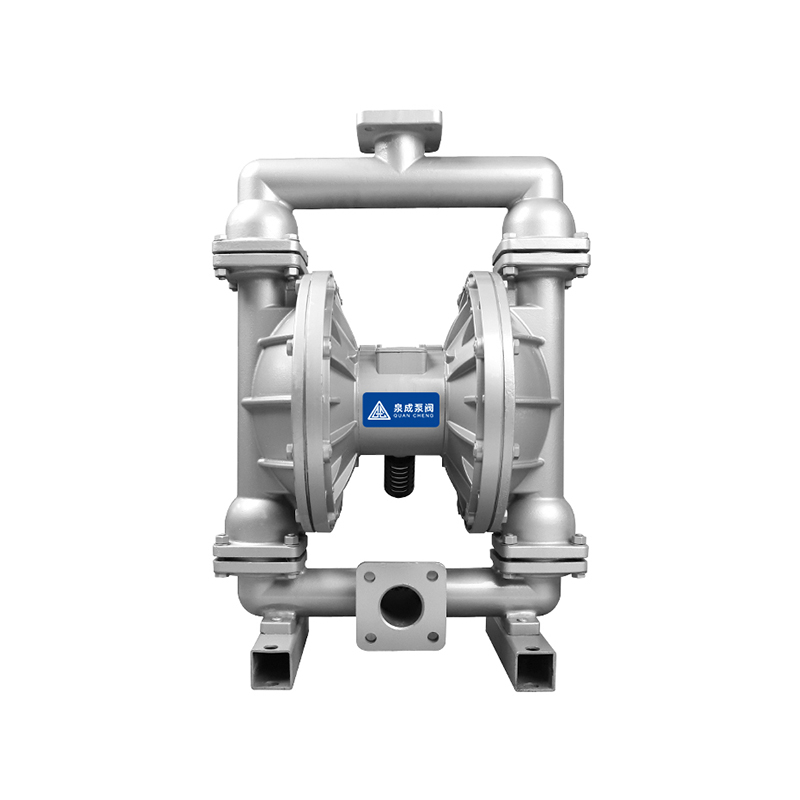
The QBY Air Operated Double Diaphragm Pump produced by our company is a new type of transport machin...
See Details
Copyright © Zhejiang Chuangken Fluid Co., Ltd. All Rights Reserved.
Intelligent Constant Pressure Water Supply System Factory
 浙公网安备33032402001888号
