

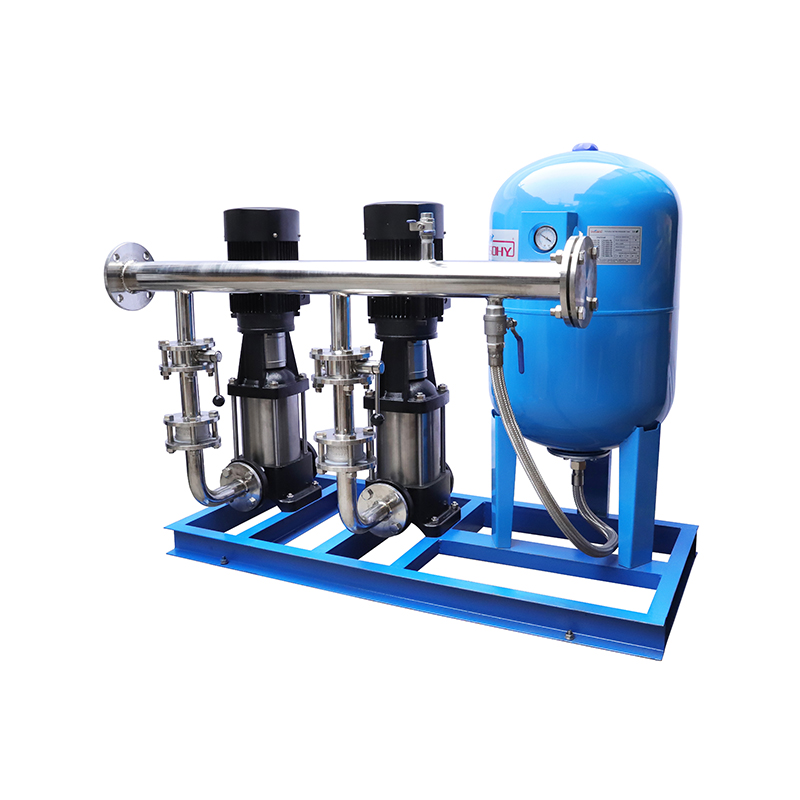
Full Automatic Constant Pressure Variable Frequency Water Supply Equipment is a new generation of hi...
See Details
Variable Frequency Constant Pressure Water Supply Units: Where Do Costs Actually Fall?
Industry News-How the System Actually Works
At its core, the technology is straightforward. A pump moves water from a tank or municipal line into a building's distribution network. Attached to that pump is a variable frequency drive, a device that adjusts the motor's speed in real time. Pressure sensors placed along the pipe network send constant readings back to a controller. If demand rises—say, at breakfast time when dozens of taps open at once—the controller tells the motor to speed up. If demand falls, the motor slows down. The result is pressure that stays within a narrow, predictable range no matter how many fixtures are running.
Traditional systems work differently. Fixed-speed pumps either run at full power or shut off entirely. To handle peak demand, they are sized for the busiest moment of the day, which means they run oversized during the remaining hours. Pressure relief valves dump excess force, and pumps cycle on and off repeatedly, wearing out motors and seals. A Variable Frequency Constant Pressure Water Supply Unit smooths out those spikes, letting the equipment match its output to the actual workload.
Where People Are Installing It
The applications stretch across many settings. Hotels rely on the units to keep guest showers consistent even when banquet halls and kitchens run simultaneously. Hospitals use them to protect sensitive equipment that depends on stable flow. In manufacturing plants, constant pressure supports cooling loops and cleaning stations. Residential developers have also taken notice, particularly in taller buildings where gravity alone cannot deliver water to upper floors at usable pressure.
Recent industry conversations suggest growing interest from commercial property managers facing rising energy bills. Because a variable frequency drive only draws the power it needs, motors spend much of their time running below full speed. Engineers familiar with the technology note that moderate pump speed reductions can translate into noticeable drops in electricity consumption, since power demand falls sharply as speed decreases.
Questions Buyers Are Asking
Q: How does the controller respond to a burst pipe or sudden leak?
A: Pressure sensors detect the abnormal drop within seconds, and the controller either slows the pump or triggers a shutdown sequence, depending on how the system is configured. Engineers typically pair this response with buffer tanks to absorb sudden changes in demand.
Q: What happens during a power interruption—does pressure collapse instantly?
A: Not necessarily. Installations with buffer tanks or elevated reservoirs retain a reserve that keeps water flowing for a period after the power cuts out. Projects with stricter continuity requirements usually add backup power arrangements, though the details vary by installation.
Q: Why are water utilities following this trend?
A: Stable building-level pressure reduces strain on municipal lines during peak hours, and lower energy draw at the pump level eases demand on local grids. None of this happens overnight, but each installation adds a small measure of resilience to the wider network.
A Steady Trend, Not a Fad
The appeal of the Variable Frequency Constant Pressure Water Supply Unit ultimately comes down to a simple idea: match the machine's effort to the task at hand. In a world of rising utility costs and aging building stock, that idea keeps finding new audiences. Whether in a hospital wing, a hotel tower, or a suburban apartment block, the technology earns its keep quietly—one steady, unremarkable shower at a time.
Related products
-
-
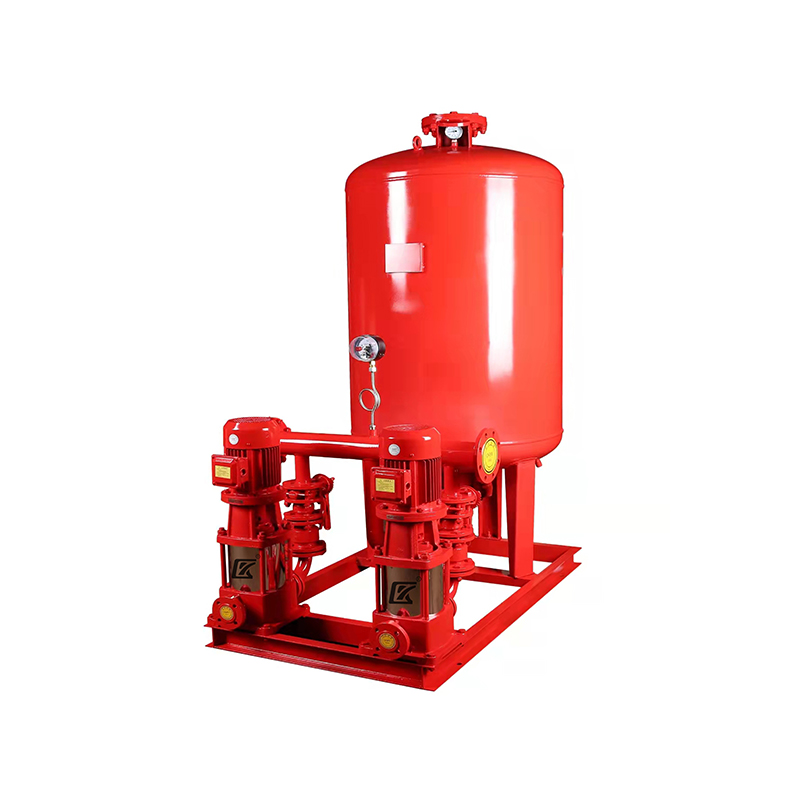
The Automatic Frequency Conversion Constant Pressure Fire Water Supply Equipment is designed and dev...
See Details -
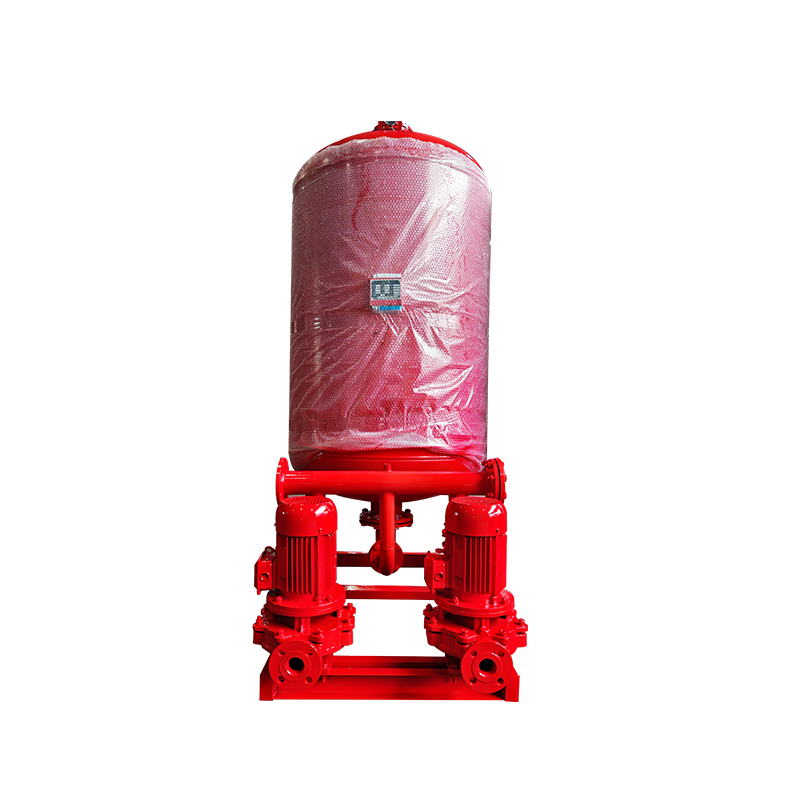
The Fire Fighting Air Pressure Water Supply Equipment typically consists of a pressure tank, pump un...
See Details -
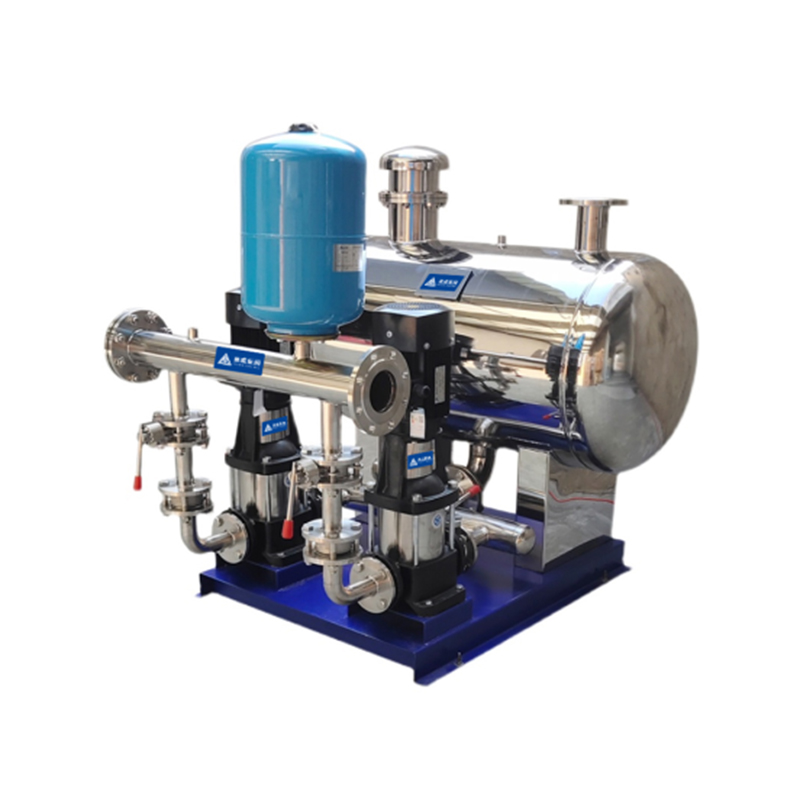
Non-negative pressure water supply equipment is a system composed of a non-negative pressure tank, p...
See Details -
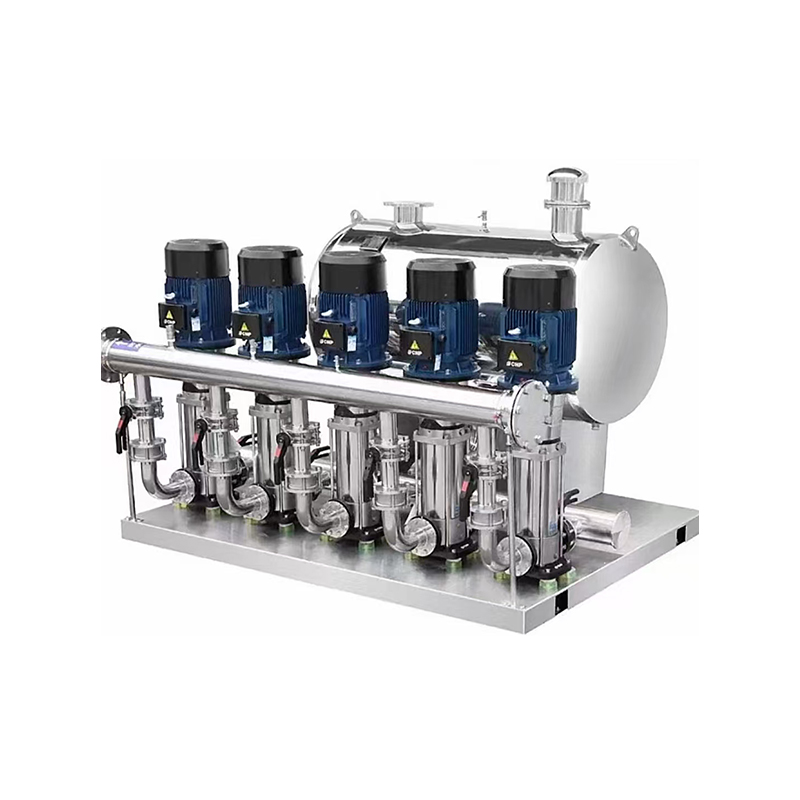
Traditional water supply methods rely heavily on water tanks, which are typically filled with water ...
See Details -
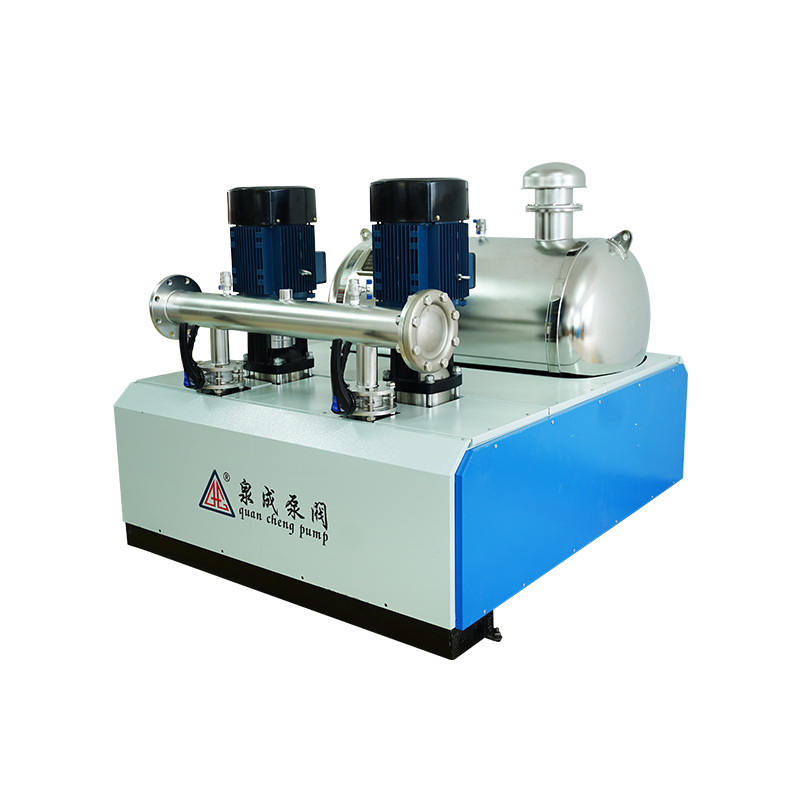
Product OverviewThe Non-negative Pressure Booster Steady Flow Water Supply Equipment uses the munici...
See Details -
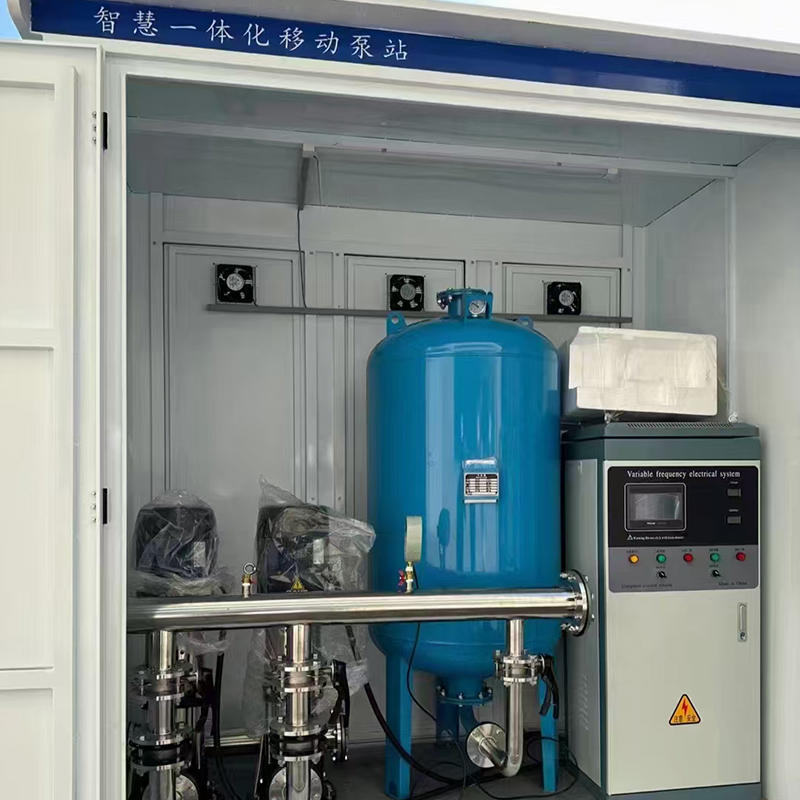
The Intelligent Constant Pressure Variable Frequency Water Supply Equipment is a water supply system...
See Details -
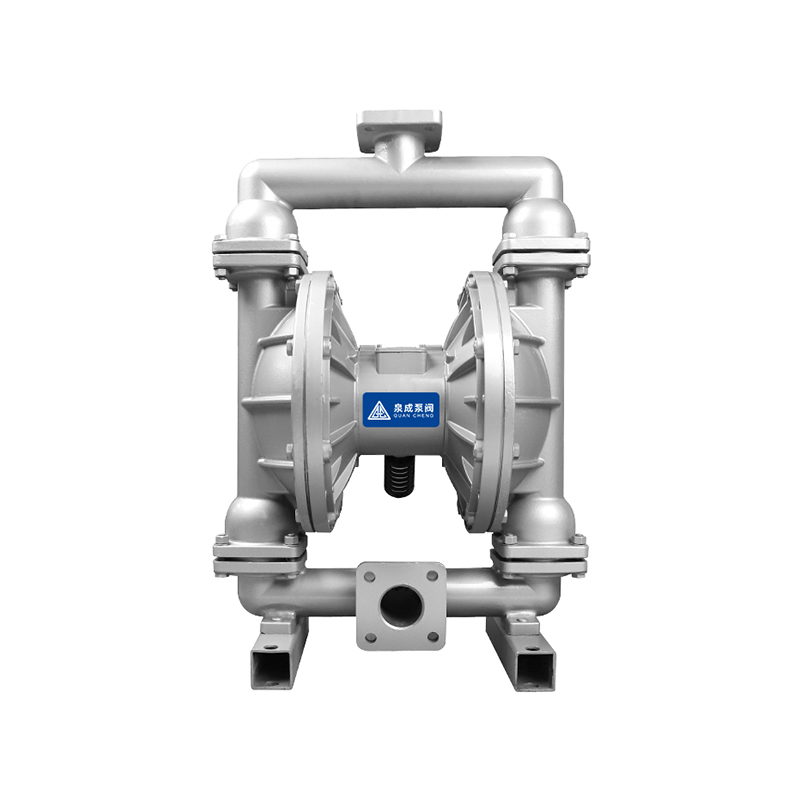
The QBY Air Operated Double Diaphragm Pump produced by our company is a new type of transport machin...
See Details
Copyright © Zhejiang Chuangken Fluid Co., Ltd. All Rights Reserved.
Intelligent Constant Pressure Water Supply System Factory
 浙公网安备33032402001888号
