

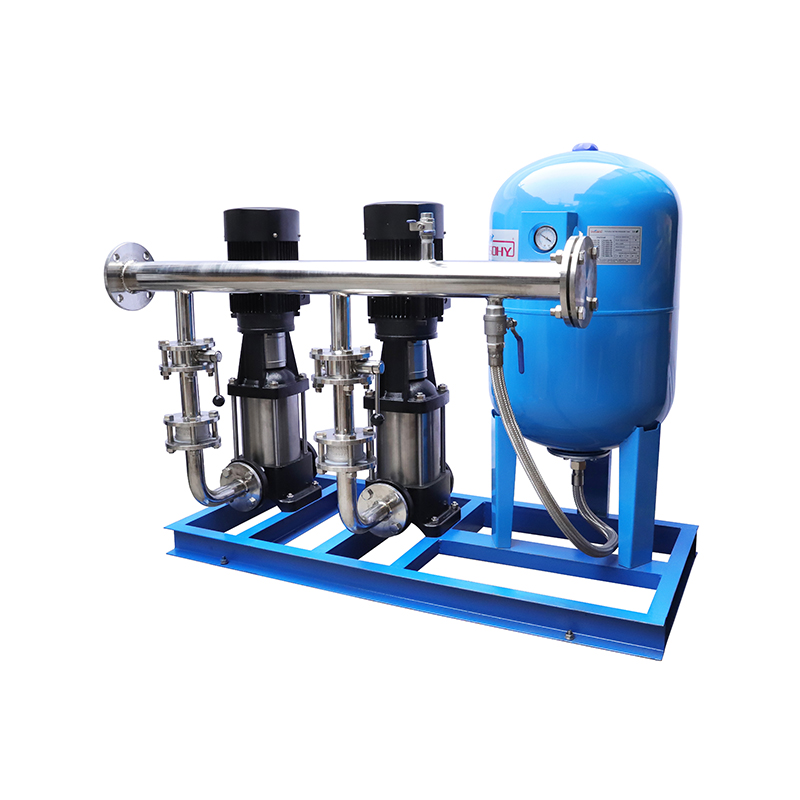
Full Automatic Constant Pressure Variable Frequency Water Supply Equipment is a new generation of hi...
See Details
Can Self-sucking Pump Handle Tough Conditions?
Industry News-The Self-sucking Pump has become an important piece of equipment in fluid transfer applications, valued for its ability to initiate flow without external priming assistance. Companies engaged in manufacturing these pumps focus on creating reliable systems that can handle air-liquid mixtures, making them suitable for a wide range of working environments. This type of pump has gained attention in industries that require consistent performance in situations where traditional pumps may struggle to start efficiently.
The working principle of a Self-sucking Pump relies on a carefully designed internal structure. During startup, the pump retains a certain amount of liquid within its chamber. As the impeller rotates, it creates a pressure difference that draws air and liquid into the system. This process gradually evacuates air and establishes a continuous flow of liquid. The ability to manage both air and fluid during this phase sets the Self-sucking Pump apart from standard centrifugal pumps.
Material selection plays a central role in ensuring pump durability and performance. Manufacturers use cast iron, stainless steel, and engineered plastics to construct key components such as pump casings, impellers, and seals. These materials are chosen based on their resistance to wear, corrosion, and mechanical stress. Careful evaluation ensures that each component maintains structural integrity during operation, even under demanding conditions.
The production process combines modern machining technology with detailed assembly procedures. Pump housings are formed using casting or forging methods, followed by CNC machining to achieve precise dimensions. Impellers are crafted to maintain balanced rotation, reducing vibration and supporting smooth operation. During assembly, technicians align components accurately, ensuring that shafts, bearings, and seals function together without unnecessary friction or misalignment.
Attention to sealing technology is essential in Self-sucking Pump manufacturing. Mechanical seals and packing systems are installed to prevent leakage and maintain pressure stability. Engineers evaluate seal performance under various conditions, ensuring that the pump can operate efficiently without compromising safety or reliability. Proper sealing also supports the pump’s ability to maintain its priming capability during repeated use.
Design teams focus on both internal performance and external usability. Pump structures are arranged to allow straightforward installation and integration into existing systems. Connection ports, mounting bases, and control interfaces are positioned for accessibility, enabling operators to set up the pump without complicated adjustments. The overall design reflects a balance between mechanical efficiency and user convenience.
Applications of the Self-sucking Pump extend across multiple sectors. In agriculture, it supports irrigation systems that require reliable water movement across fields. Construction sites use these pumps to remove accumulated water, maintaining safe working conditions. Industrial facilities rely on them for transferring liquids between storage tanks and processing units. Their adaptability allows them to function in environments where consistent flow initiation is necessary.
Product variations provide additional flexibility. Some models are designed for compact spaces, while others handle larger volumes of fluid. Portable units cater to temporary setups, while fixed installations support long-term operations. This diversity enables customers to choose equipment that aligns with their operational scale and technical requirements.
Manufacturers tackle challenges in fluid transfer and startup conditions, ensuring equipment meets practical needs across different applications. The emphasis on material quality, structural integrity, and functional design ensures that each Self-sucking Pump operates reliably in its intended environment, supporting efficient and consistent performance in daily operations.
Related products
-
-
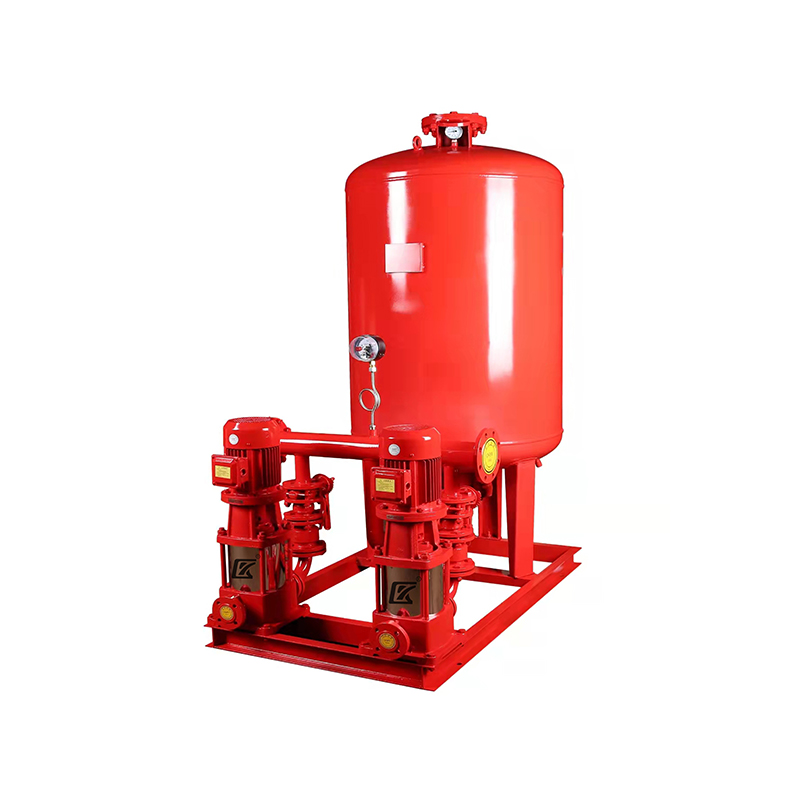
The Automatic Frequency Conversion Constant Pressure Fire Water Supply Equipment is designed and dev...
See Details -
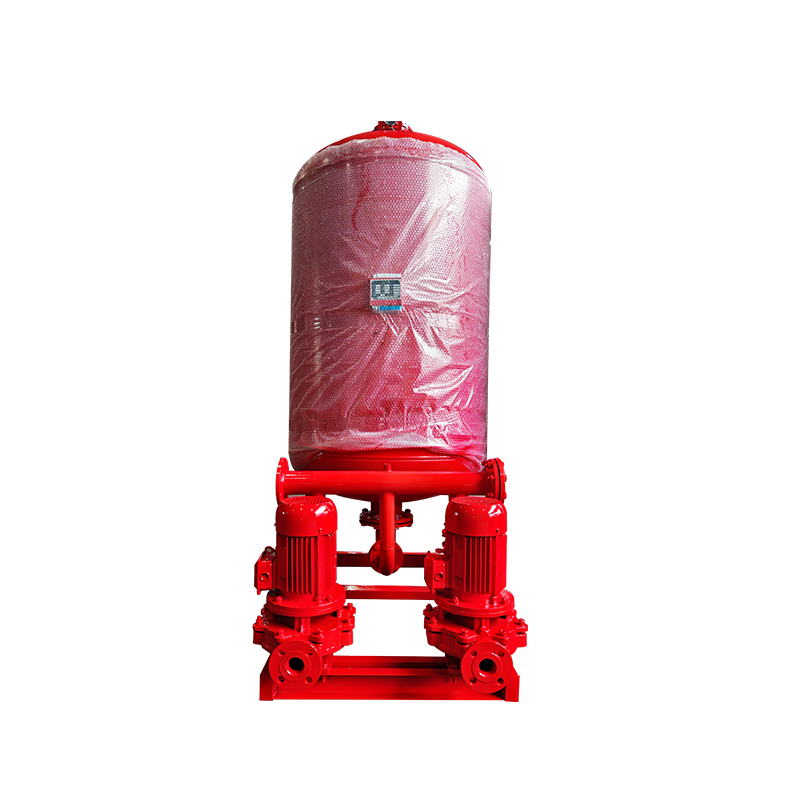
The Fire Fighting Air Pressure Water Supply Equipment typically consists of a pressure tank, pump un...
See Details -
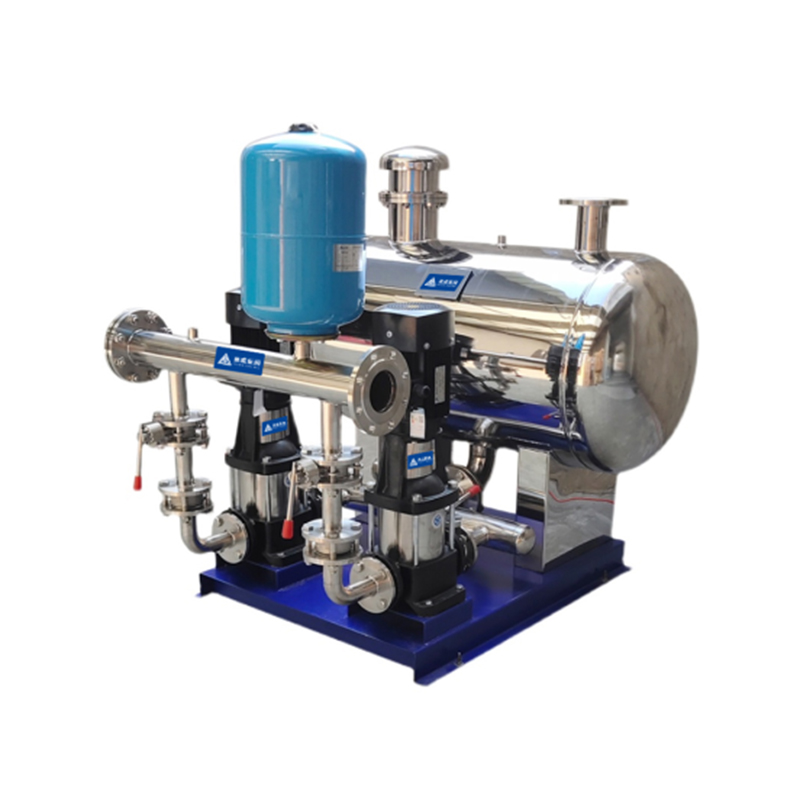
Non-negative pressure water supply equipment is a system composed of a non-negative pressure tank, p...
See Details -
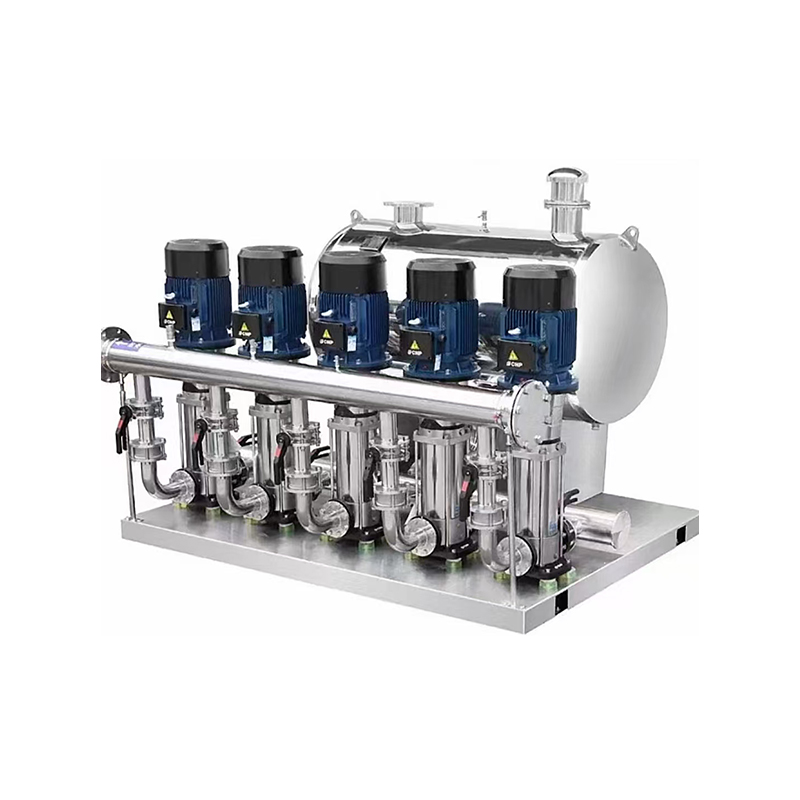
Traditional water supply methods rely heavily on water tanks, which are typically filled with water ...
See Details -
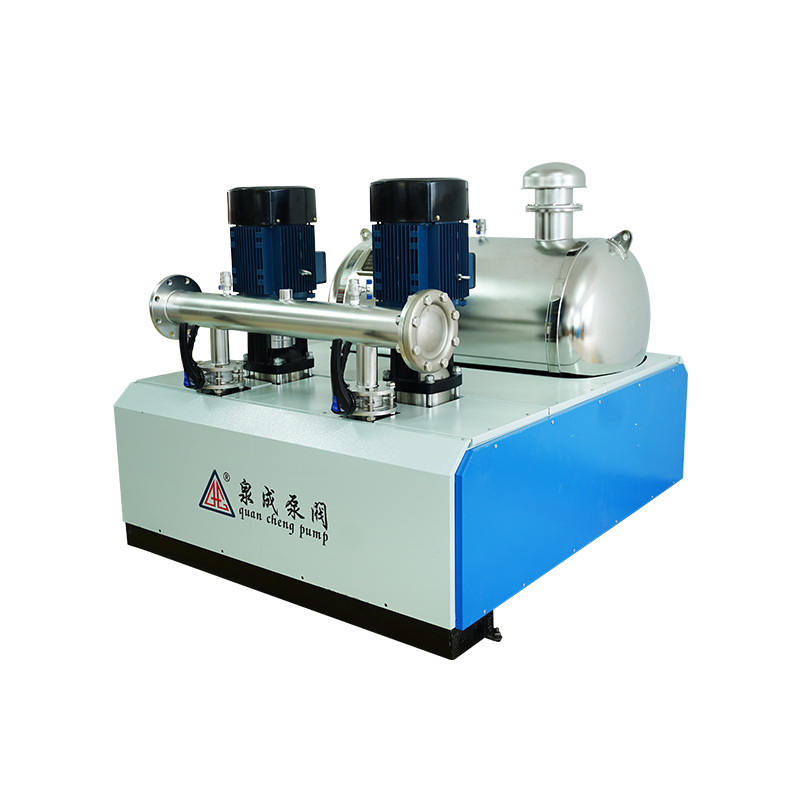
Product OverviewThe Non-negative Pressure Booster Steady Flow Water Supply Equipment uses the munici...
See Details -
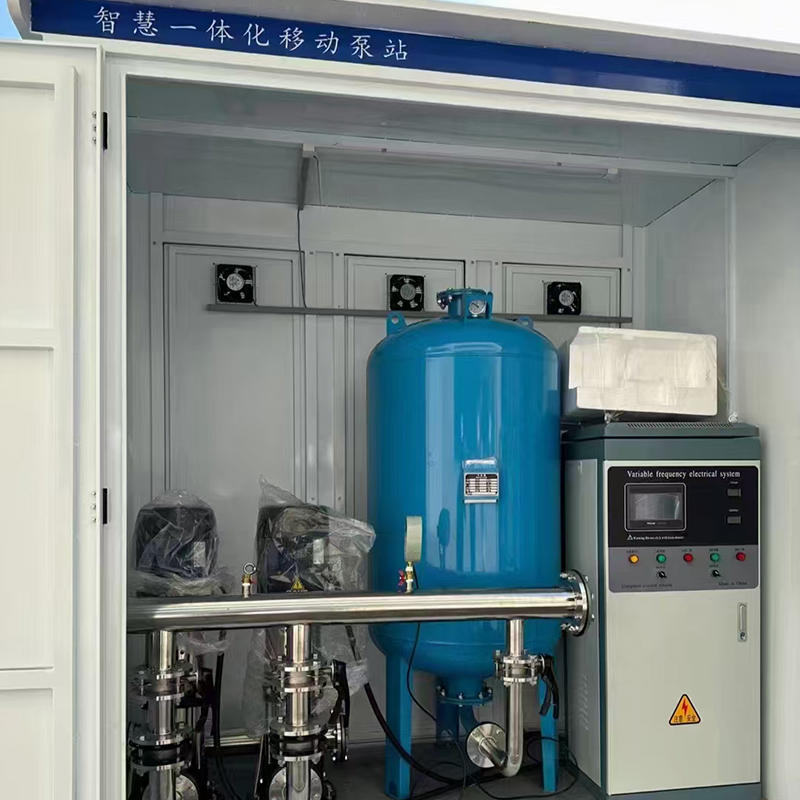
The Intelligent Constant Pressure Variable Frequency Water Supply Equipment is a water supply system...
See Details -
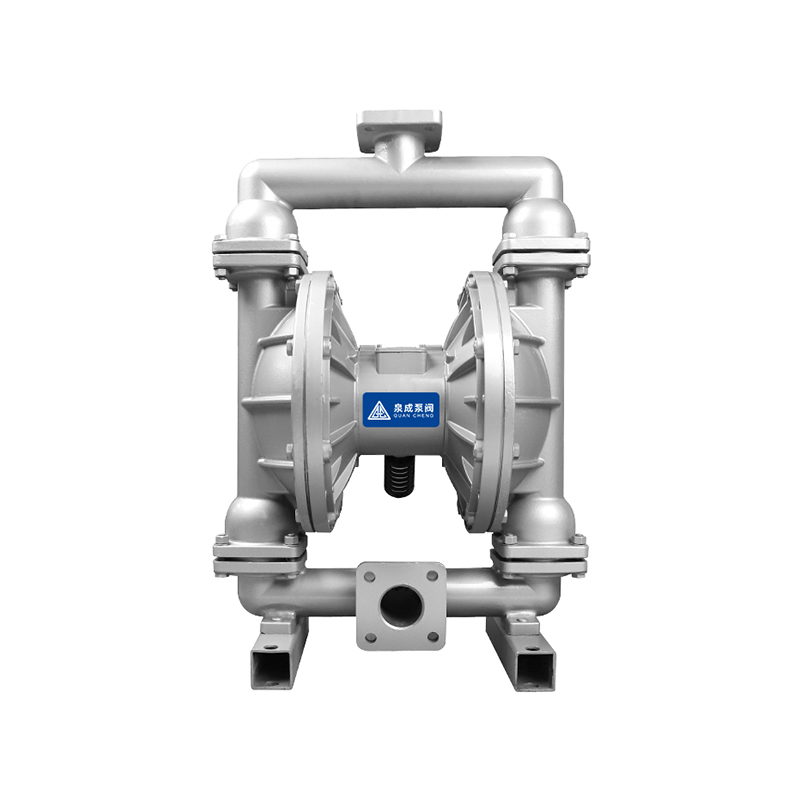
The QBY Air Operated Double Diaphragm Pump produced by our company is a new type of transport machin...
See Details
Copyright © Zhejiang Chuangken Fluid Co., Ltd. All Rights Reserved.
Intelligent Constant Pressure Water Supply System Factory
 浙公网安备33032402001888号
