

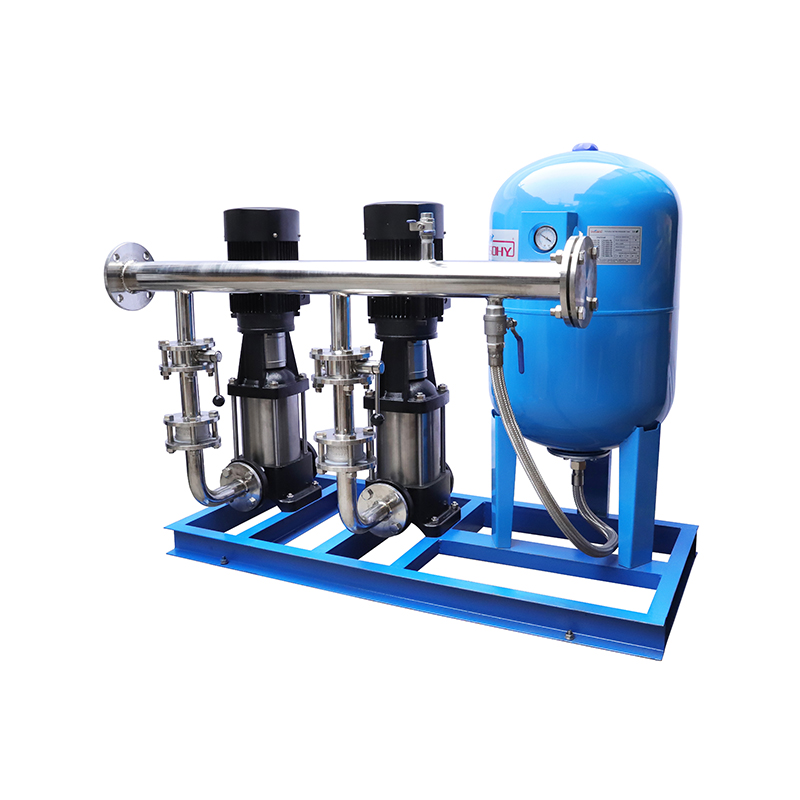
Full Automatic Constant Pressure Variable Frequency Water Supply Equipment is a new generation of hi...
See Details
How Does Sewage Pump Factory Build Reliable Pumps?
Industry News-Design That Handles More Than Water
The design process within the Sewage Pump Factory centers on creating pumps that can handle complex fluid compositions. Unlike clean water systems, sewage pumps must manage a mixture that includes fibers, solids, and varying viscosities. Engineers address this challenge by developing impeller designs that reduce the risk of clogging. Open-channel and vortex impellers are commonly used, allowing solid particles to pass through without obstructing the pump’s internal structure.
Attention to hydraulic performance also plays a key role. Designers calculate flow rates, head pressure, and rotational speed to ensure that each pump operates efficiently within its intended range. Computer-aided design tools assist in modeling fluid movement inside the pump, helping engineers refine geometries before physical prototypes are produced. These simulations reduce trial-and-error during development and contribute to a smoother transition into manufacturing.
Another important aspect of design involves sealing systems. Since many sewage pumps operate in submerged conditions, preventing liquid intrusion into sensitive components is essential. Mechanical seals are selected and configured to maintain tight closure under continuous operation. Engineers test these seals under varying pressure levels to confirm their reliability.
The external structure of the pump also receives careful consideration. Mounting configurations, discharge outlets, and cable connections are arranged to simplify installation. Compact designs are preferred in applications where space is limited, while larger systems are structured to integrate into existing pipeline networks. Each design reflects a balance between performance requirements and practical installation needs.
From Raw Metal to Working Pump
Manufacturing in a Sewage Pump Factory combines advanced machinery and skilled craftsmanship. Once materials are prepared, they move into machining centers where CNC equipment shapes components to precise dimensions. Pump casings are bored and milled to create smooth internal surfaces, reducing friction during operation. Shafts are turned and polished to ensure accurate alignment and rotation.
Impeller production requires particular attention. These components are balanced carefully to minimize vibration during operation. Any imbalance could affect performance and reduce the lifespan of the pump. Technicians use specialized equipment to verify balance and make adjustments when necessary.
Assembly follows machining, bringing together all individual parts into a complete unit. Workers install bearings, seals, and impellers in a sequence that ensures proper alignment. Fastening systems are applied with controlled torque, securing components without causing deformation. Electrical elements, such as motors and wiring systems, are integrated at this stage, completing the mechanical and functional structure of the pump.
Testing, Packaging, and Real-World Readiness
Before leaving the Sewage Pump Factory, each pump undergoes a series of performance tests. These tests evaluate flow capacity, pressure output, and operational stability. Pumps are placed in controlled environments where technicians simulate working conditions, observing how each unit performs during startup and continuous operation. This process confirms that the pump meets the intended specifications and functions as expected.
After testing, pumps move to the finishing stage. Surfaces are treated to improve durability and appearance, often involving coatings that protect against wear during use. Labels and identification plates are attached, providing essential information such as model number and performance parameters. Packaging is designed to protect the pump during transportation, using materials that secure the unit and prevent movement inside the container.
The final product reflects the combined efforts of design, manufacturing, and testing teams. Each pump represents a solution tailored to handle challenging fluid conditions, supporting systems that require reliable wastewater movement. The Sewage Pump Factory operates as a coordinated environment where engineering principles and practical experience come together, producing equipment that plays a vital role in everyday infrastructure.
Related products
-
-
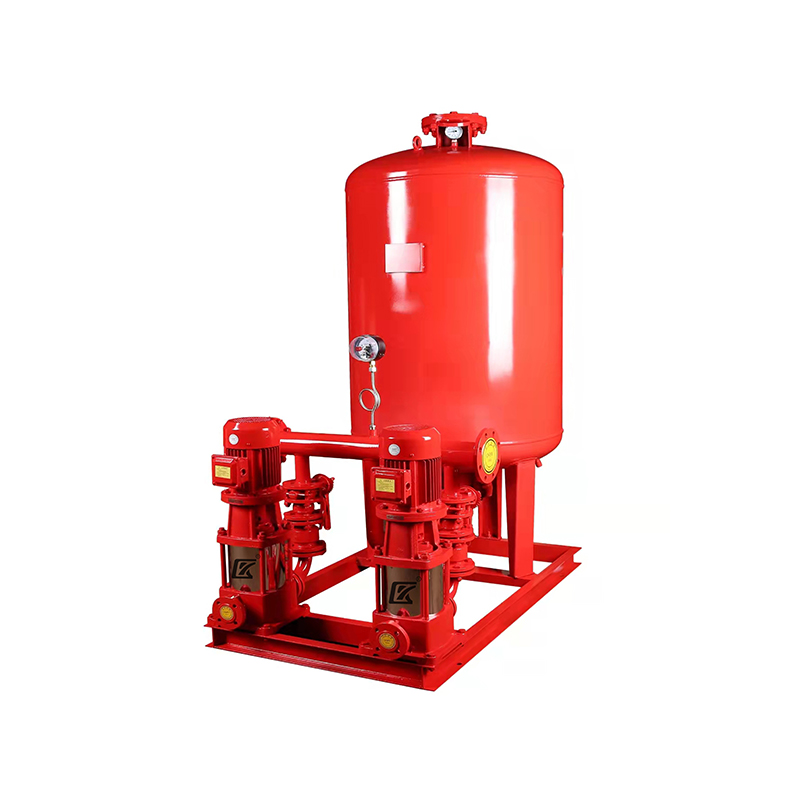
The Automatic Frequency Conversion Constant Pressure Fire Water Supply Equipment is designed and dev...
See Details -
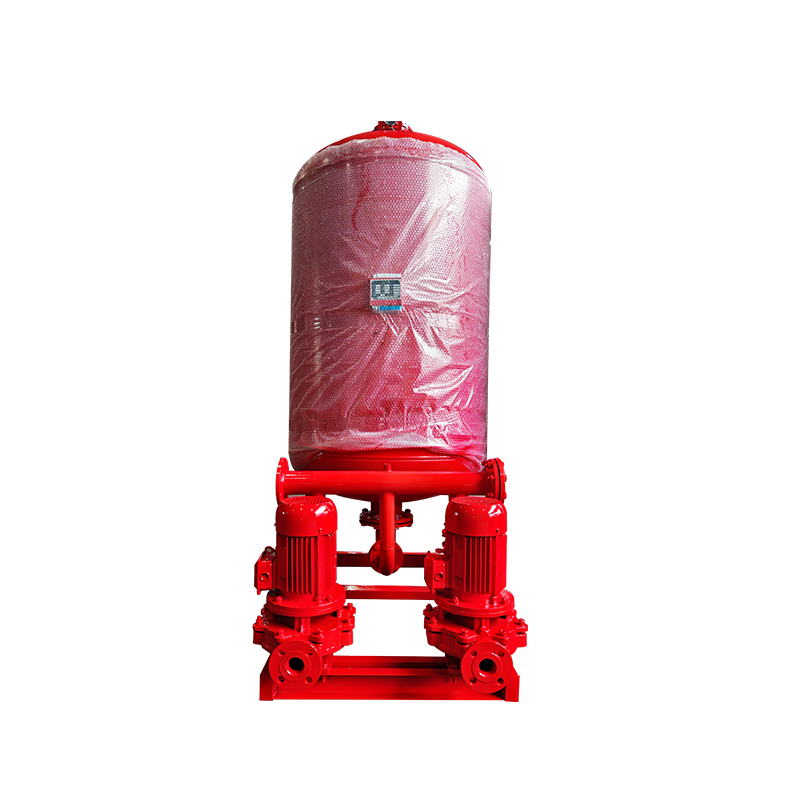
The Fire Fighting Air Pressure Water Supply Equipment typically consists of a pressure tank, pump un...
See Details -
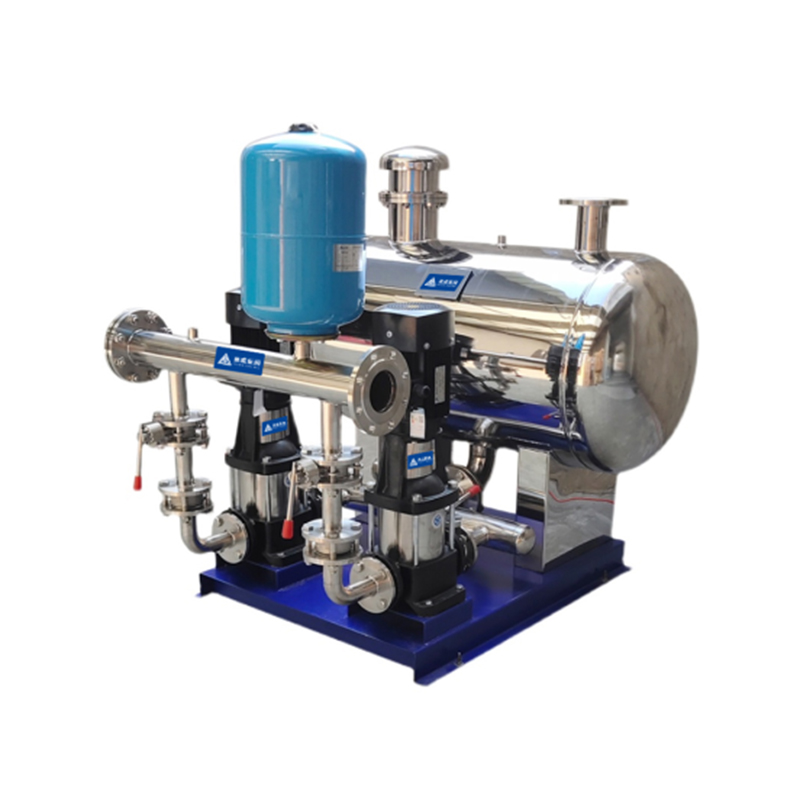
Non-negative pressure water supply equipment is a system composed of a non-negative pressure tank, p...
See Details -
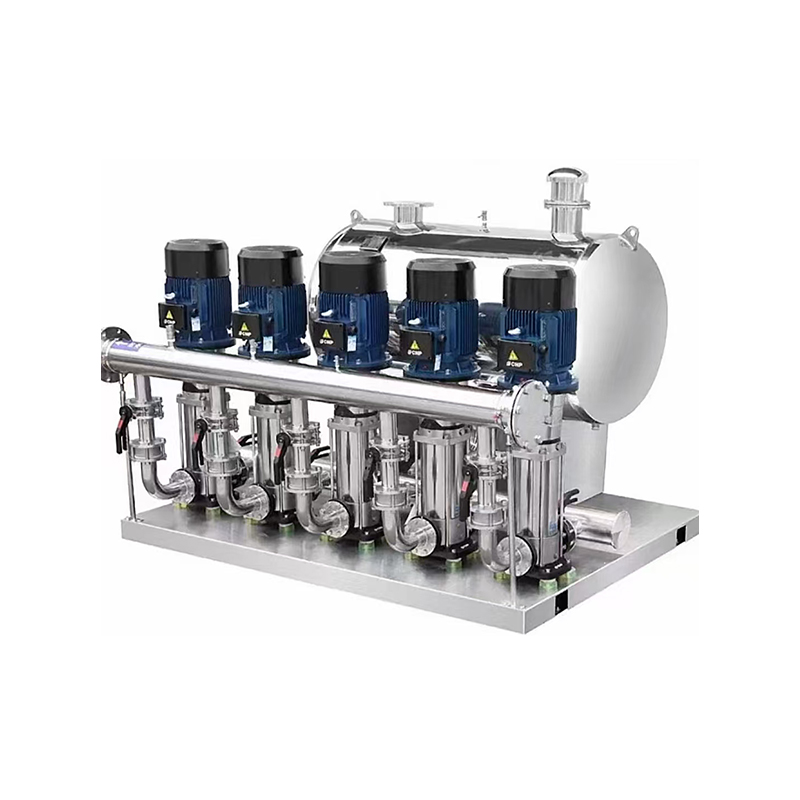
Traditional water supply methods rely heavily on water tanks, which are typically filled with water ...
See Details -
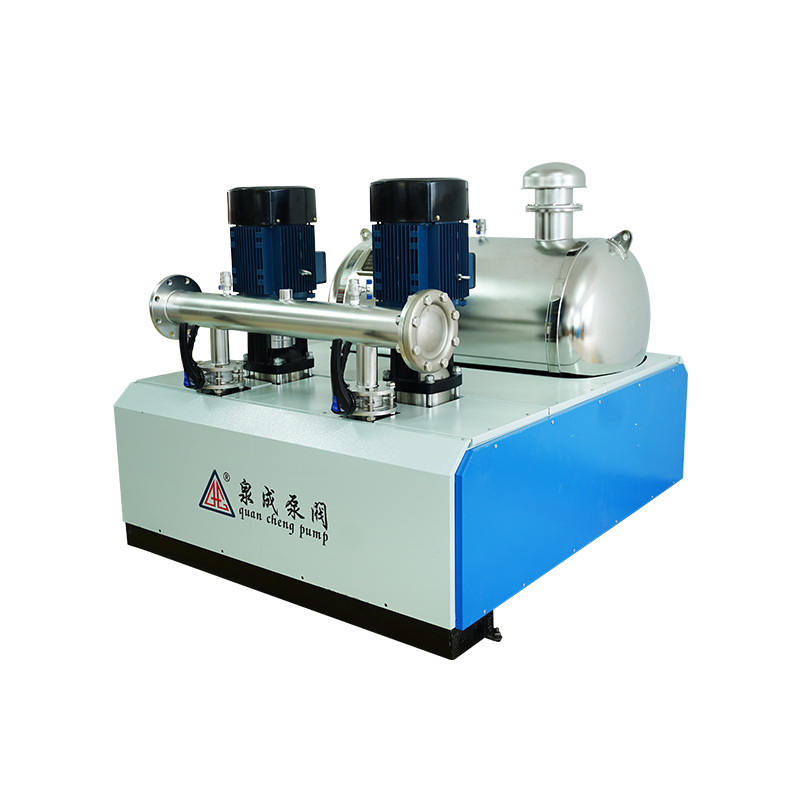
Product OverviewThe Non-negative Pressure Booster Steady Flow Water Supply Equipment uses the munici...
See Details -
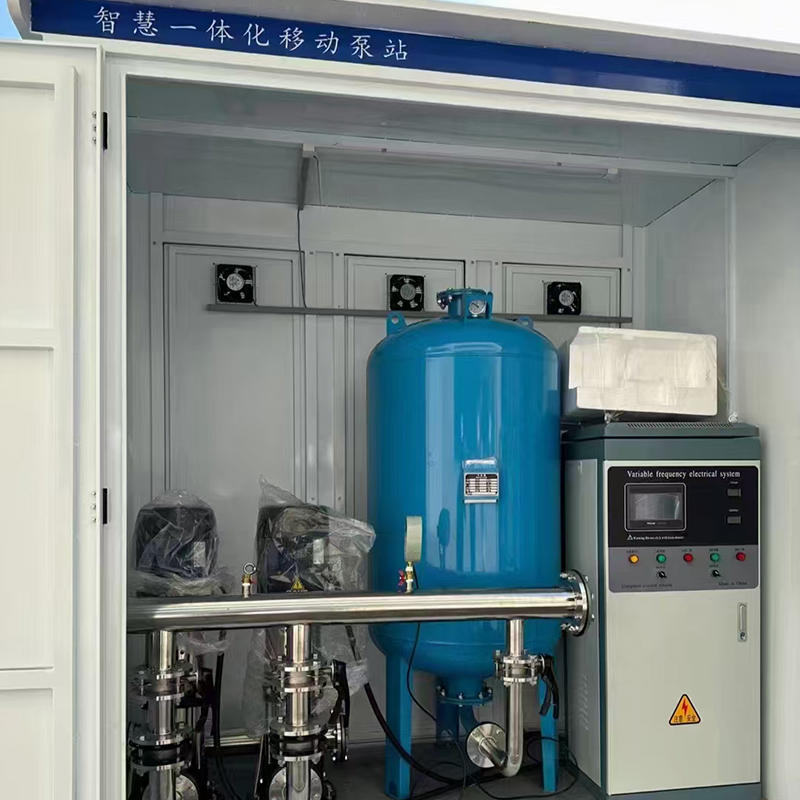
The Intelligent Constant Pressure Variable Frequency Water Supply Equipment is a water supply system...
See Details -
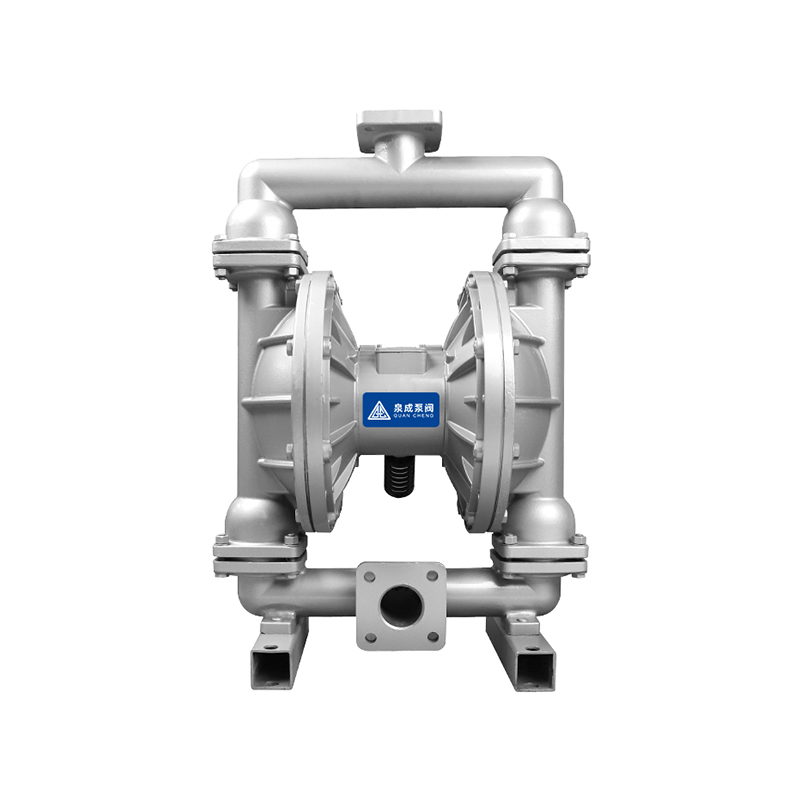
The QBY Air Operated Double Diaphragm Pump produced by our company is a new type of transport machin...
See Details
Copyright © Zhejiang Chuangken Fluid Co., Ltd. All Rights Reserved.
Intelligent Constant Pressure Water Supply System Factory
 浙公网安备33032402001888号
