

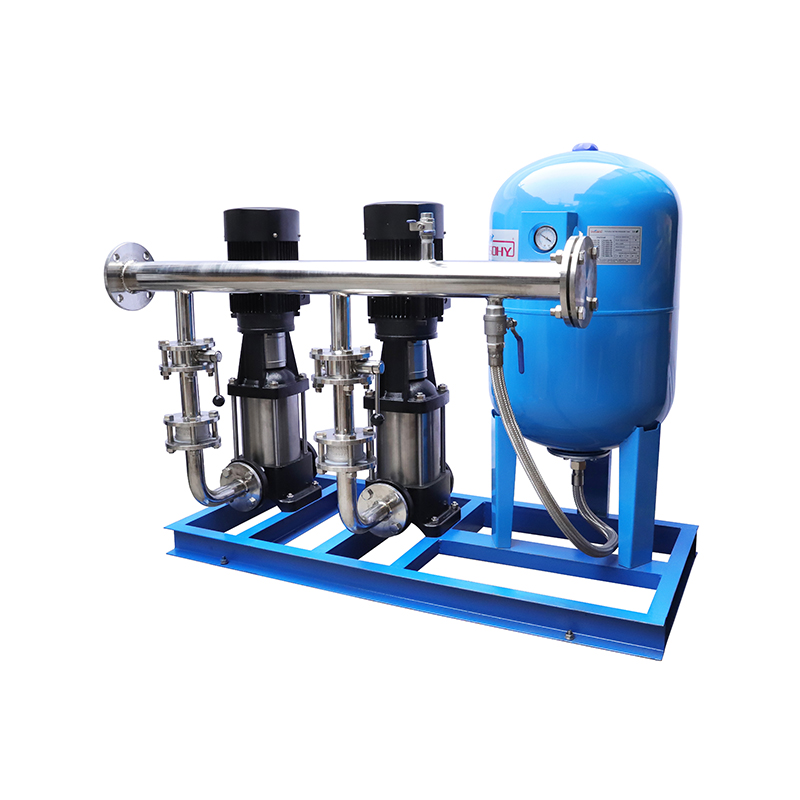
Full Automatic Constant Pressure Variable Frequency Water Supply Equipment is a new generation of hi...
See Details
Constant Pressure Water Supply System Enhances Building Water Networks
Industry News-The Constant Pressure Water Supply System is gaining attention across industrial facilities, commercial buildings, and modern housing projects due to its ability to maintain steady water flow under varying demands. Unlike traditional water supply networks that fluctuate in pressure, these systems ensure a uniform flow regardless of peak or low consumption periods. Production of such systems combines precision engineering, advanced components, and rigorous assembly processes to meet the requirements of multiple building types and operational scenarios.
Manufacturing begins with selecting pumps, valves, pressure sensors, and control modules designed to operate cohesively. Each component undergoes quality inspection to guarantee consistent performance under different conditions. Pump impellers are machined to exact dimensions to maintain efficiency, while valves and sensors are calibrated to respond quickly to changes in demand. Assembly teams integrate these components on controlled production lines, using both automation and skilled technicians to ensure each unit functions reliably.
Pressure sensors play a critical role in regulating water delivery. They detect changes in flow demand and signal the system to adjust pump speed or valve openings. Engineers design these feedback loops to minimize response time, preventing sudden pressure drops or surges that could disrupt building operations. Systems often include multiple redundancies to maintain reliability, allowing one pump to continue operation while another undergoes maintenance or experiences a fault.
Once assembled, the constant pressure systems undergo extensive testing. Simulated usage scenarios evaluate how the system handles varying water demand patterns, including simultaneous usage points across multiple floors or areas. Any variation in pressure triggers fine-tuning of the control logic, ensuring smooth performance in real-world installations. This process ensures that the final product delivers consistent pressure whether supplying a single apartment or a large commercial complex.
In building applications, the Constant Pressure Water Supply System connects to main water lines, distributing water evenly across apartments, offices, or industrial equipment. The system reduces the need for traditional pressure tanks, simplifies plumbing layouts, and allows designers to focus on efficient space utilization. Uniform water flow enhances user experience, providing stable water pressure for showers, faucets, and machinery that require precise water input.
The design and installation process considers multiple factors such as pipe diameter, pump capacity, and sensor placement. Engineers calculate pressure losses along pipelines, incorporating valves and controls to compensate for friction, elevation changes, and simultaneous water use. This attention to detail ensures the system maintains steady performance over time, even in high-demand scenarios. Proper installation also facilitates easier maintenance, as key components remain accessible for adjustments or replacements.
Production teams continually refine the system’s design based on feedback and technological advances. Materials for pumps, pipes, and valves are selected for durability and compatibility, while control software is updated to improve response and energy efficiency. Modular designs allow customization for specific building requirements, enabling faster deployment and integration. These refinements emphasize performance, reliability, and adaptability without relying on extreme or exaggerated claims about the product.
Daily operation of the Constant Pressure Water Supply System demonstrates its advantages clearly. Residents and workers notice consistent water pressure, whether multiple taps are open or water-intensive appliances are in use. In commercial or industrial contexts, machinery receives steady water input, preventing operational interruptions. Users benefit from the system’s ability to manage fluctuations automatically, reducing manual interventions and enhancing comfort or productivity.
Related products
-
-
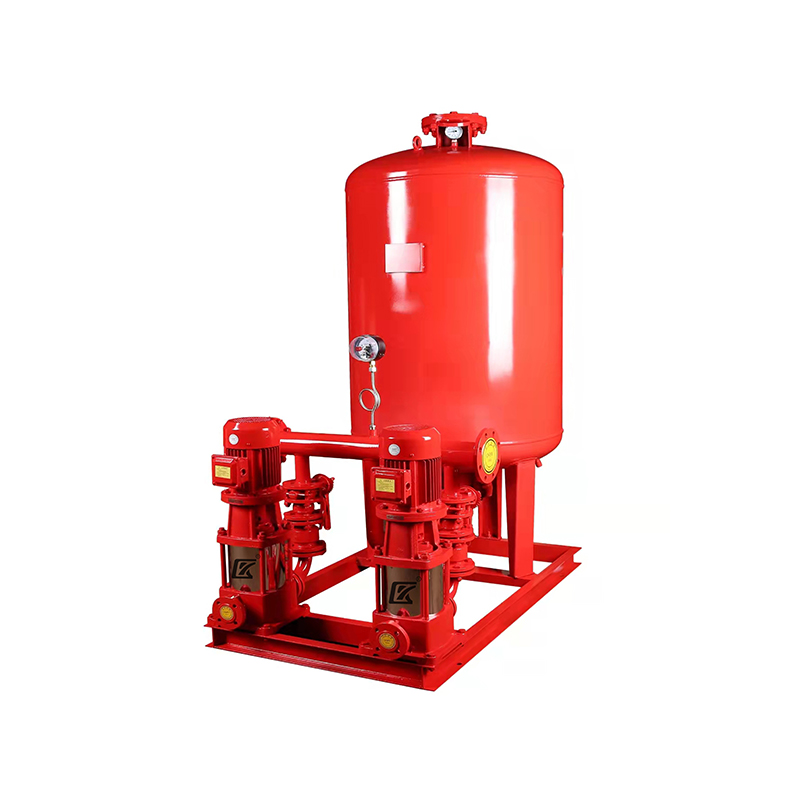
The Automatic Frequency Conversion Constant Pressure Fire Water Supply Equipment is designed and dev...
See Details -
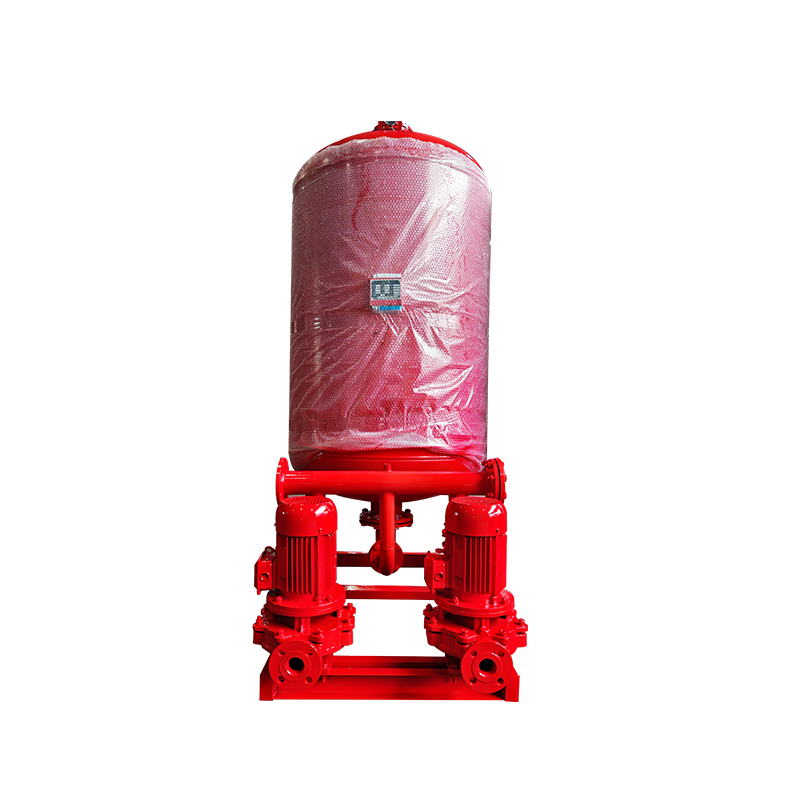
The Fire Fighting Air Pressure Water Supply Equipment typically consists of a pressure tank, pump un...
See Details -
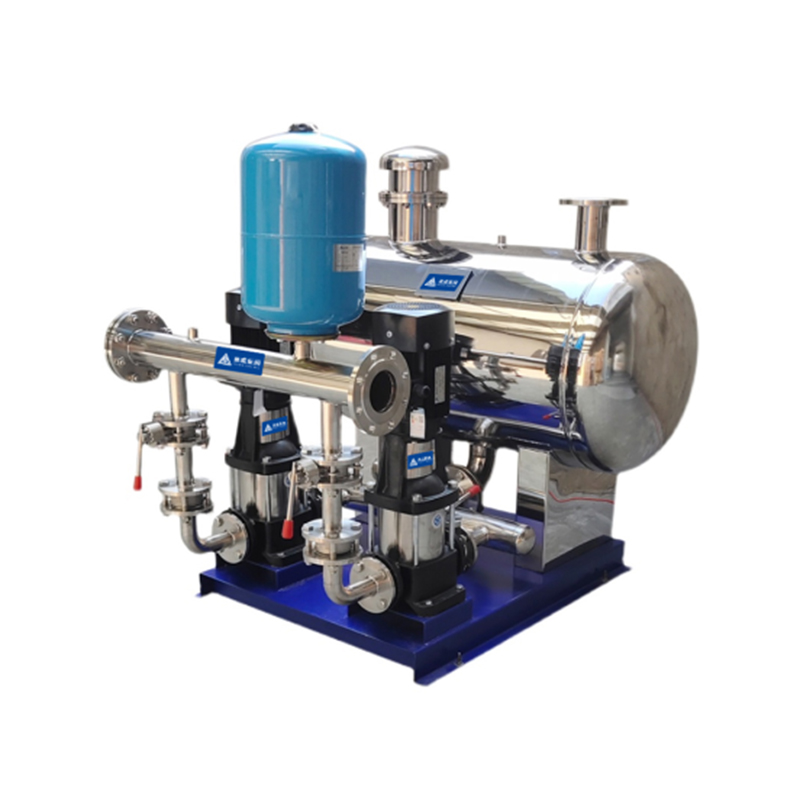
Non-negative pressure water supply equipment is a system composed of a non-negative pressure tank, p...
See Details -
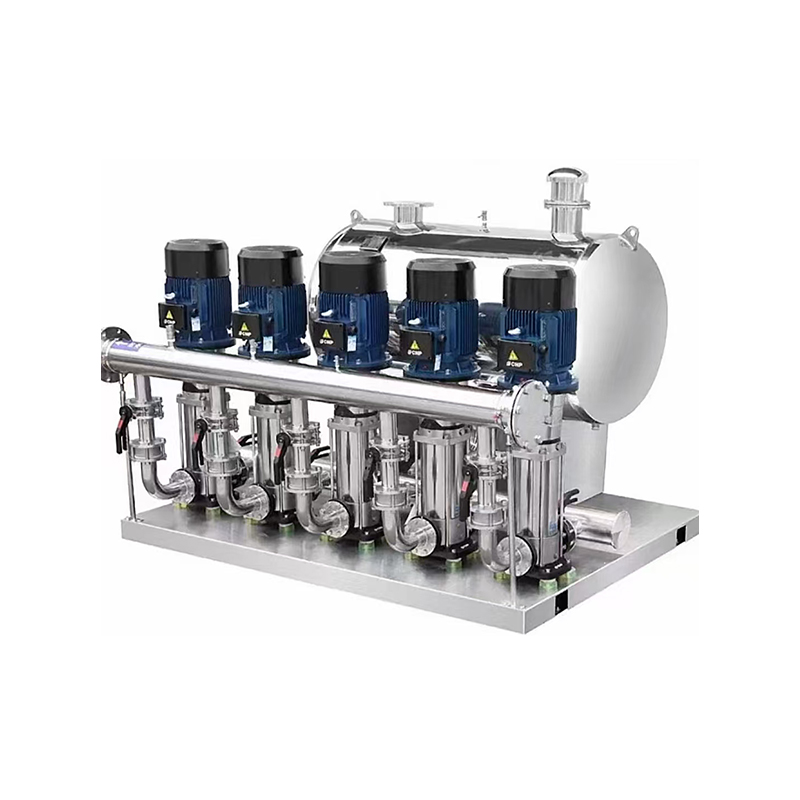
Traditional water supply methods rely heavily on water tanks, which are typically filled with water ...
See Details -
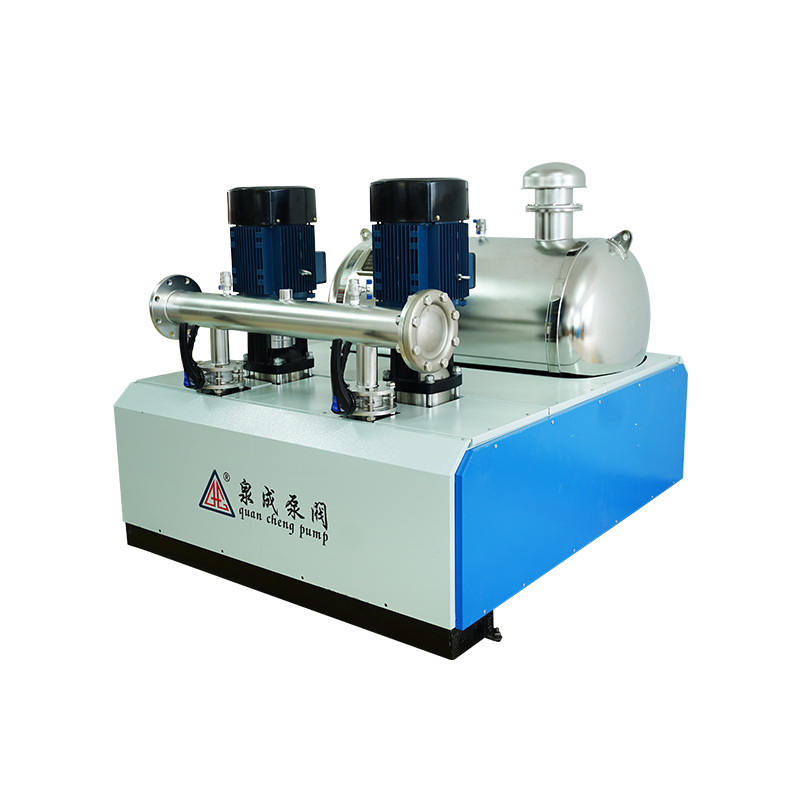
Product OverviewThe Non-negative Pressure Booster Steady Flow Water Supply Equipment uses the munici...
See Details -
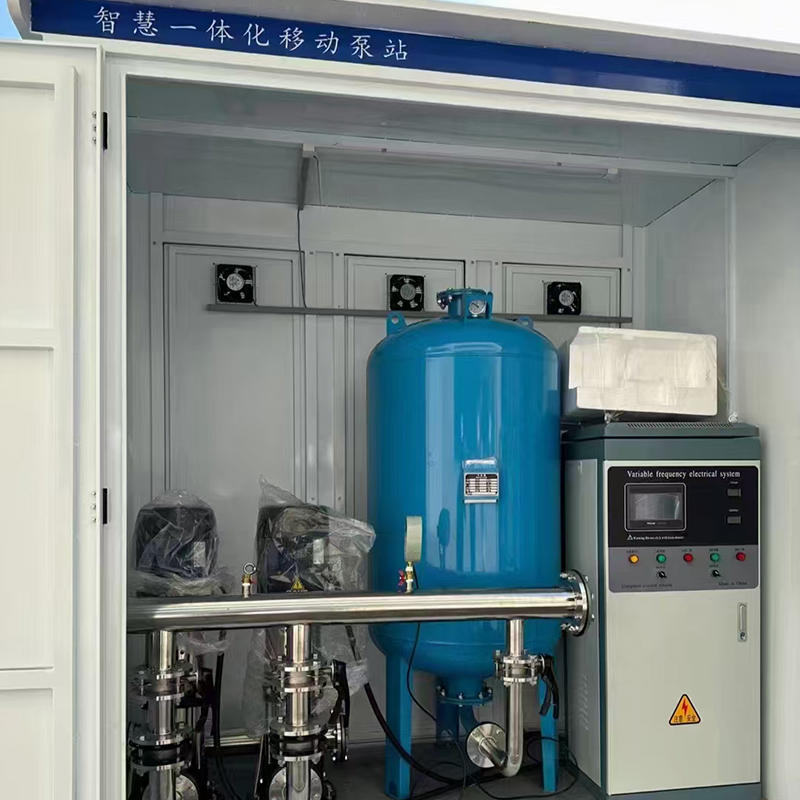
The Intelligent Constant Pressure Variable Frequency Water Supply Equipment is a water supply system...
See Details -
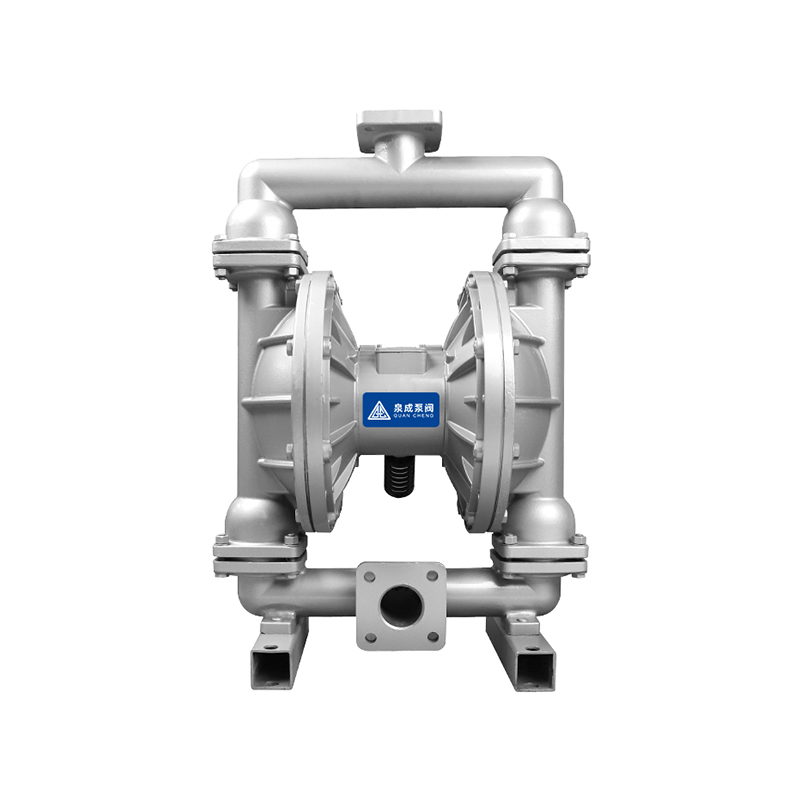
The QBY Air Operated Double Diaphragm Pump produced by our company is a new type of transport machin...
See Details
Copyright © Zhejiang Chuangken Fluid Co., Ltd. All Rights Reserved.
Intelligent Constant Pressure Water Supply System Factory
 浙公网安备33032402001888号
