

Full Automatic Constant Pressure Variable Frequency Water Supply Equipment is a new generation of hi...
See Details
Energy-saving Constant Pressure Water Supply Systems Maintain Pressure Smoothly
Industry News-Energy-saving constant pressure water supply systems are designed to provide steady water pressure while adjusting automatically to fluctuating demand in residential, commercial, and industrial buildings. Unlike traditional fixed-speed pumping systems, these units can sense changes in water flow and pressure and respond in real time, ensuring consistent supply without interruptions. The system relies on sensors, pumps, and controllers to monitor pressure and modulate pump speed, making it suitable for a wide range of applications where steady water delivery is important.
The system typically includes one or more pumps, a variable frequency drive (VFD), pressure sensors, and a control panel. Pumps may be configured in parallel to handle higher capacity, allowing the system to activate additional pumps when demand increases or reduce operation during low usage periods. The VFD adjusts motor speed in response to sensor signals, maintaining consistent pressure at all outlets, including showers, faucets, and appliances. The result is water flow that remains stable even during peak usage, improving comfort and usability in multi-story buildings or large facilities.
Energy-saving constant pressure systems are often installed in hotels, hospitals, office buildings, and residential complexes. In hotels, for example, multiple showers and sinks can be used simultaneously without noticeable drops in water pressure. Hospitals benefit from consistent supply to equipment and patient care areas. Residential complexes enjoy even distribution of water to all apartments, preventing complaints about low pressure at higher floors. The adaptability of these systems allows them to maintain performance across various building layouts and occupancy patterns.
The system’s pressure sensors play a central role in operation. They detect minor variations and send signals to the controller, which then adjusts pump speed accordingly. Some systems include flow meters to provide additional data on water usage, allowing the pumps to respond more accurately. Advanced control panels display pressure, pump speed, and operational status, and may offer options for remote monitoring or adjustment. These panels simplify operation and make it easier to understand system performance.
Energy-saving constant pressure systems also help reduce mechanical stress on pumps and pipes. By matching pump speed to actual demand rather than running at full speed constantly, the system minimizes wear on components and reduces energy consumption. Pumps operate more quietly and with smoother transitions, enhancing overall comfort. Parallel pump configurations provide redundancy, allowing maintenance on one pump while the system continues to supply water.
Installation is flexible and can be adapted to new construction or retrofitting older buildings. Single-pump systems may be sufficient for small-scale applications, while multi-pump units handle larger buildings or complex water networks. The modular design allows components to be added or replaced without significant disruption. Careful alignment of sensors, pumps, and controllers ensures consistent performance and reliable operation.
Routine maintenance focuses on cleaning or replacing filters, checking pump bearings and seals, and calibrating sensors. Control panels may display alerts or status updates when attention is required, helping operators maintain performance without detailed technical knowledge. The durability of pumps and accuracy of sensors are key to keeping the Energy-saving Constant Pressure Water Supply system functioning smoothly. Regular inspection of electrical connections, monitoring pump vibration, and verifying pressure readings further ensure reliable operation, while documenting maintenance activities provides useful reference for future troubleshooting and helps maintain consistent water supply throughout the system.
Related products
-
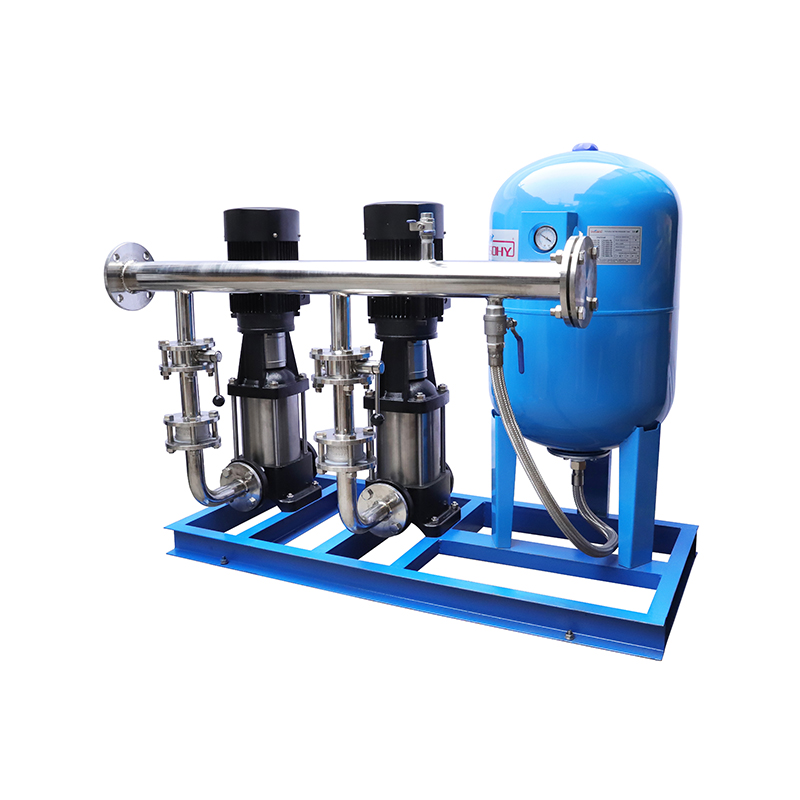
-
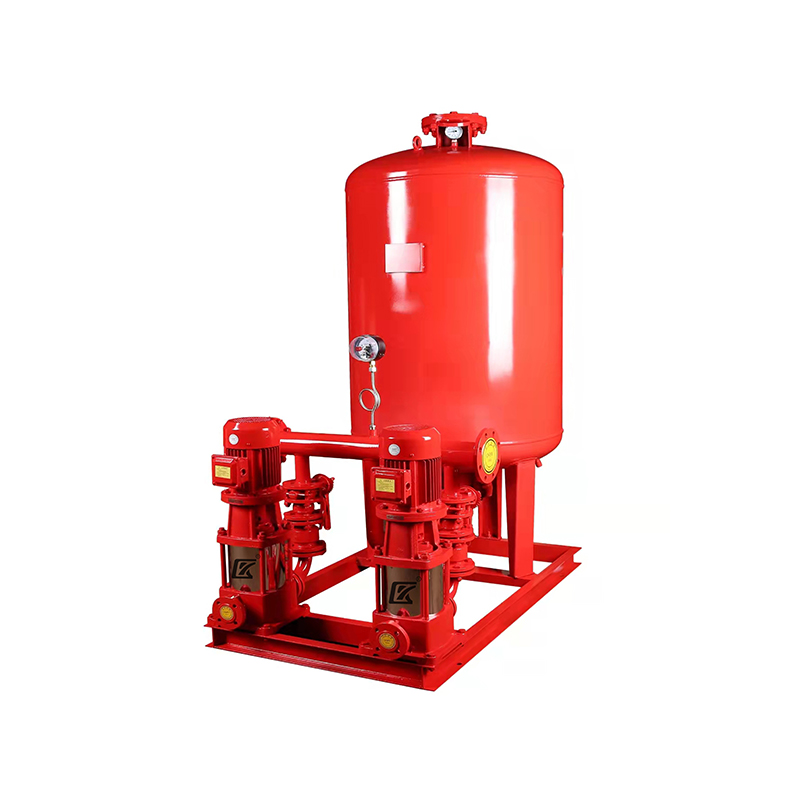
The Automatic Frequency Conversion Constant Pressure Fire Water Supply Equipment is designed and dev...
See Details -
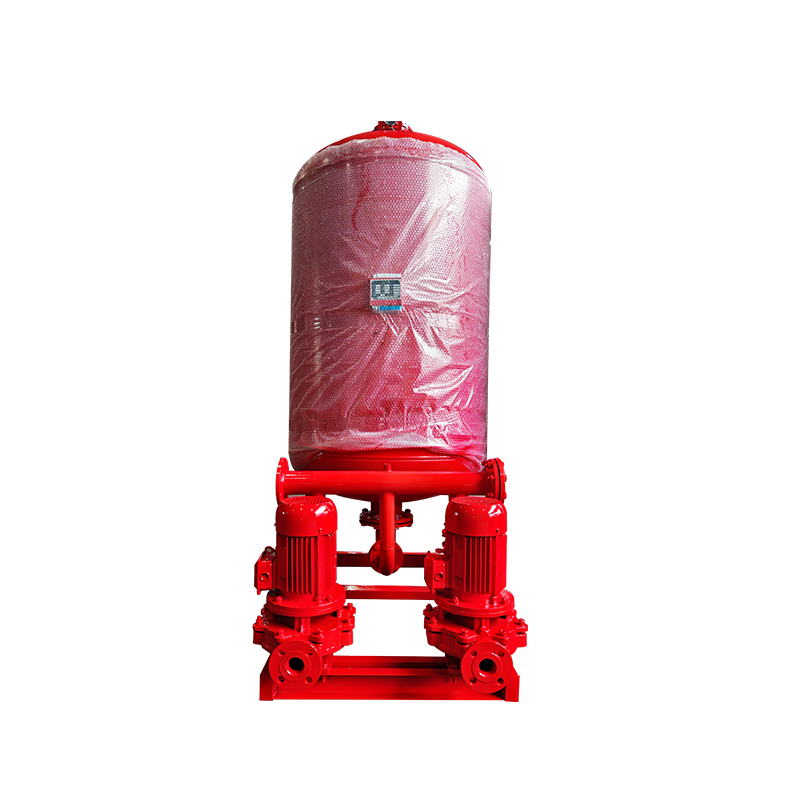
The Fire Fighting Air Pressure Water Supply Equipment typically consists of a pressure tank, pump un...
See Details -
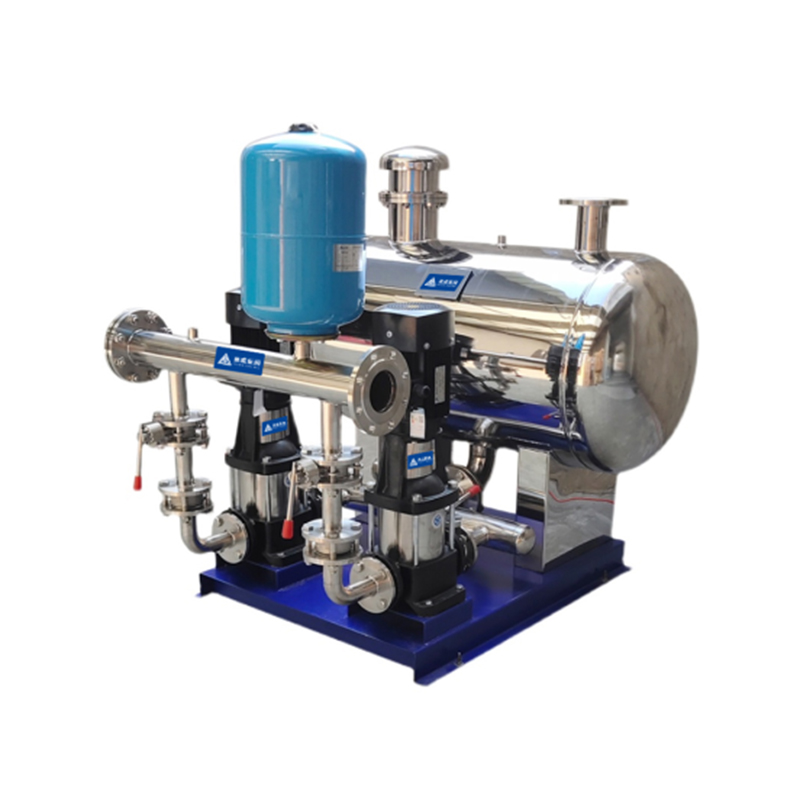
Non-negative pressure water supply equipment is a system composed of a non-negative pressure tank, p...
See Details -
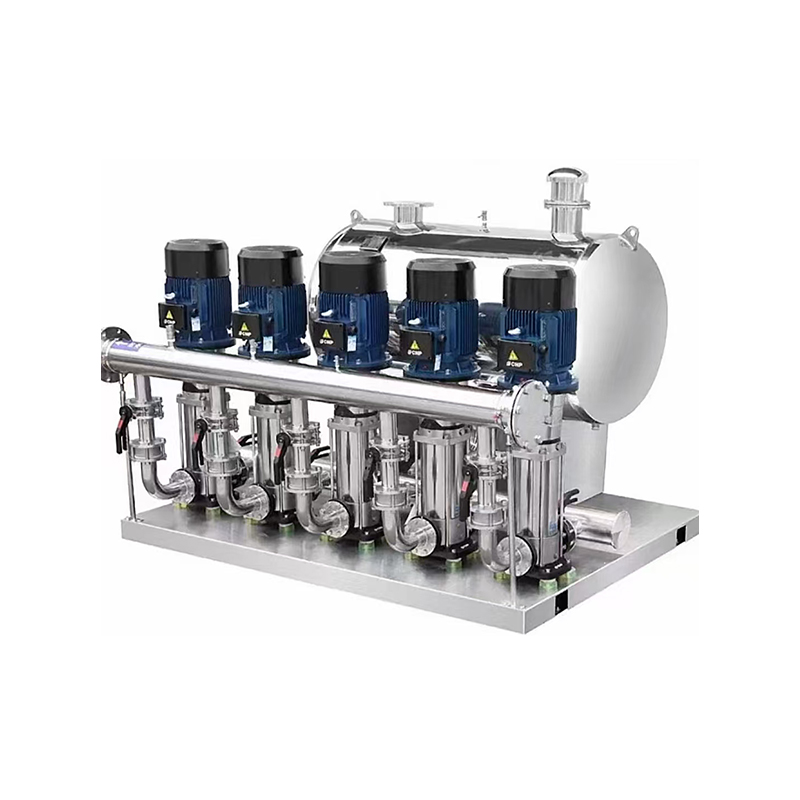
Traditional water supply methods rely heavily on water tanks, which are typically filled with water ...
See Details -
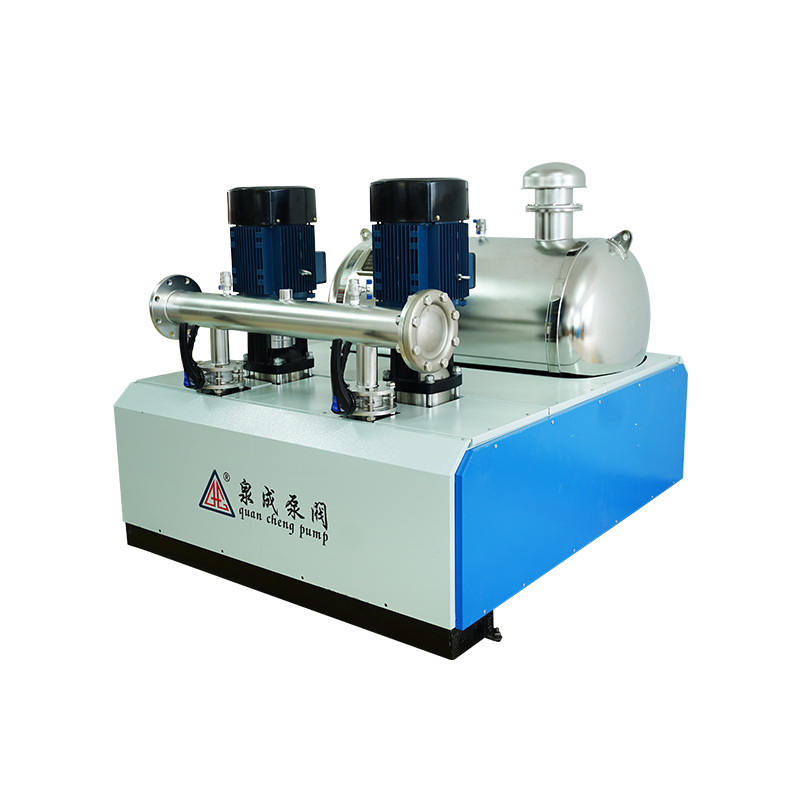
Product OverviewThe Non-negative Pressure Booster Steady Flow Water Supply Equipment uses the munici...
See Details -
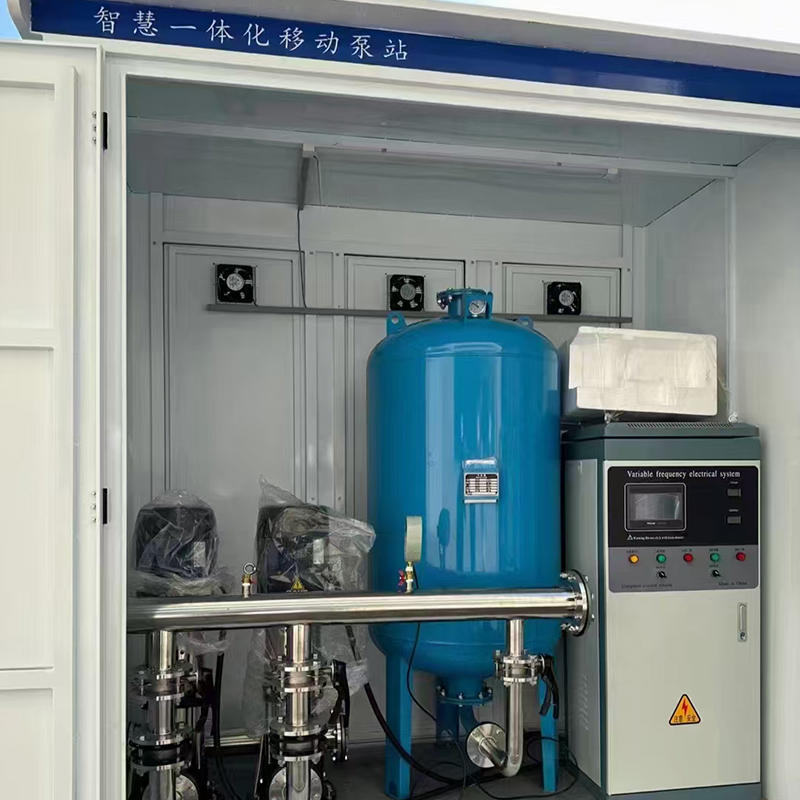
The Intelligent Constant Pressure Variable Frequency Water Supply Equipment is a water supply system...
See Details -
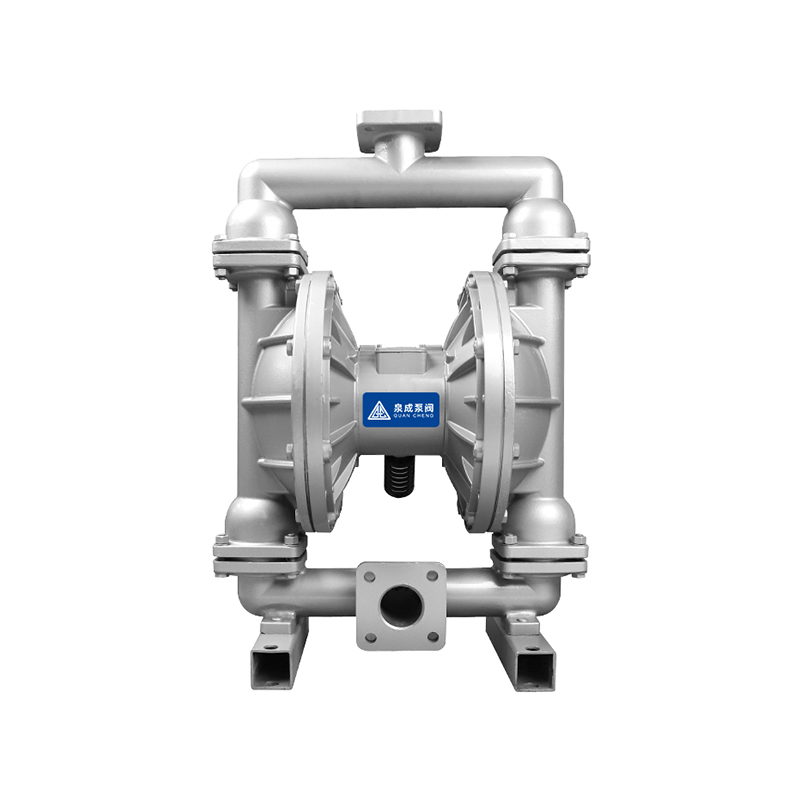
The QBY Air Operated Double Diaphragm Pump produced by our company is a new type of transport machin...
See Details
Copyright © Zhejiang Chuangken Fluid Co., Ltd. All Rights Reserved.
Intelligent Constant Pressure Water Supply System Factory
 浙公网安备33032402001888号
