

Full Automatic Constant Pressure Variable Frequency Water Supply Equipment is a new generation of hi...
See Details
Does Constant Pressure Water Supply Unit Suit Variable Demand?
Industry News-Steady water pressure remains a core requirement in multi-story buildings, commercial complexes, and process facilities. A Constant Pressure Water Supply Unit addresses this need by combining pumps, sensors, and electronic controls into a packaged system that responds to changing demand while holding pressure within a set range.
Core Function of the System
Water demand in occupied buildings fluctuates throughout the day. Peak periods can drop pressure at upper floors or distant outlets, while low-demand periods may cause pumps to cycle inefficiently. The Constant Pressure Water Supply Unit monitors system pressure continuously and adjusts pump speed or stage operation so that the delivery pressure stays close to the design setpoint.
This approach differs from fixed-speed pump arrangements that rely on large storage tanks or simple on-off pressure switches. By matching output more closely to real-time demand, the unit reduces pressure swings and supports consistent flow at fixtures, process points, and irrigation zones.
Main Components and Their Roles
A typical Constant Pressure Water Supply Unit includes one or more centrifugal pumps, a variable-frequency drive or multi-pump controller, pressure transducers, a small buffer tank in some configurations, and a control panel. The pressure sensor feeds real-time data to the controller, which then modulates motor speed or starts additional pumps as needed.
The control logic can be set for single-pump variable-speed operation or for staged multi-pump sequences. Soft-start and soft-stop functions limit hydraulic shock in the piping network. Many units incorporate dry-run protection and basic fault indication so that operators can identify issues without extensive diagnostics.
Piping manifolds and isolation valves are arranged to allow individual pump isolation when required. The compact footprint of modern packaged units simplifies placement in mechanical rooms or plant areas where floor space is limited.
Applications Across Building Types
In high-rise residential and office buildings, the Constant Pressure Water Supply Unit maintains usable pressure on upper floors without oversized booster tanks. Commercial kitchens, laundry facilities, and restroom clusters benefit from stable flow during simultaneous fixture use. Industrial sites that rely on process water for cooling, cleaning, or manufacturing steps use similar units to keep supply pressure within process tolerances.
Campus environments with distributed buildings often deploy multiple units at different pressure zones. This zoning approach matches local demand patterns and reduces the need for long, high-pressure transmission lines. The same principle applies to mid-rise mixed-use developments where residential and commercial loads share a common water service.
Design Considerations for Specifiers
Engineers selecting a Constant Pressure Water Supply Unit begin with a demand profile that accounts for peak simultaneous use, fixture unit calculations, and any process requirements. Pump curves are matched to the required flow and head, including allowance for friction losses in the distribution network.
Controller settings determine the pressure setpoint and the allowable deadband. A narrower band yields tighter pressure control but may increase pump cycling; a wider band reduces starts while still keeping pressure acceptable. Communication interfaces allow integration with building management systems for remote status monitoring and trend logging.
Installation layout considers suction conditions, available net positive suction head, and discharge piping configuration. Adequate ventilation around the drive and motor assemblies supports reliable thermal performance under continuous duty.
A Constant Pressure Water Supply Unit provides a practical method for delivering stable water pressure across varying demand conditions. Through coordinated pump control, real-time sensing, and compact packaging, it supports reliable service in buildings and facilities where consistent flow is part of everyday operation.
Related products
-
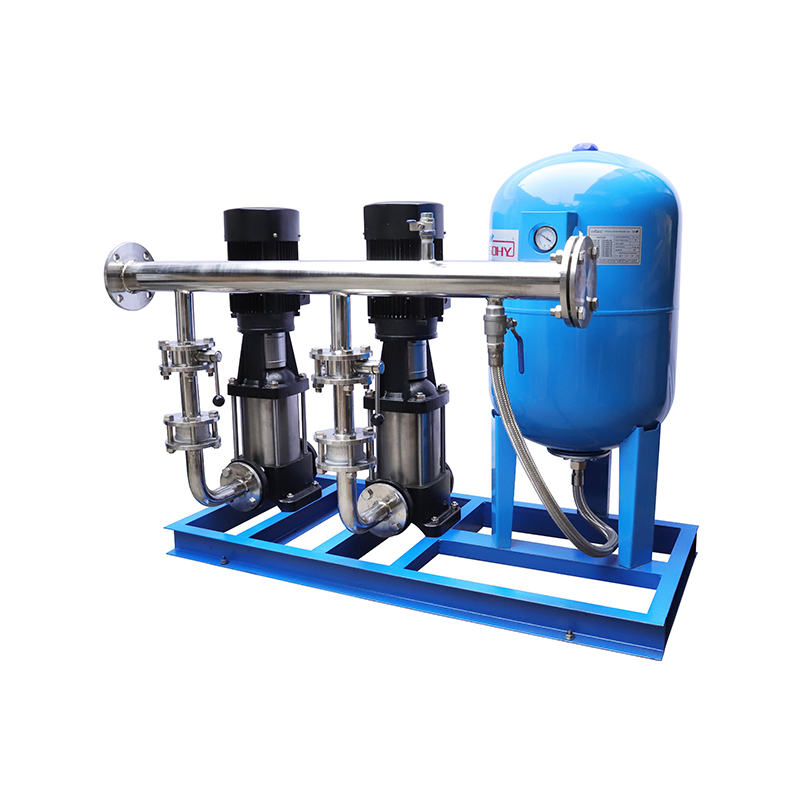
-
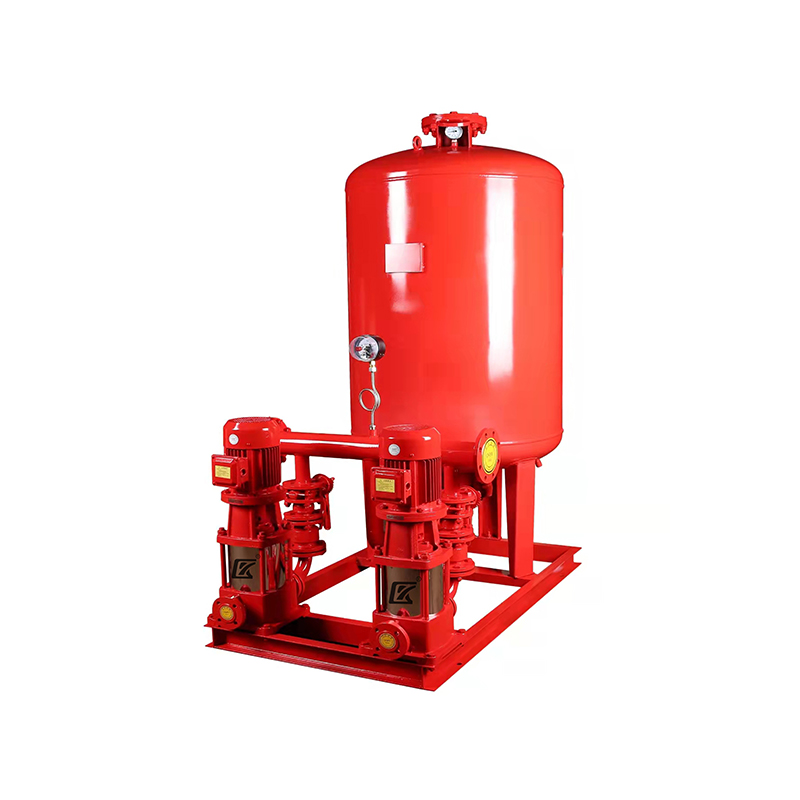
The Automatic Frequency Conversion Constant Pressure Fire Water Supply Equipment is designed and dev...
See Details -
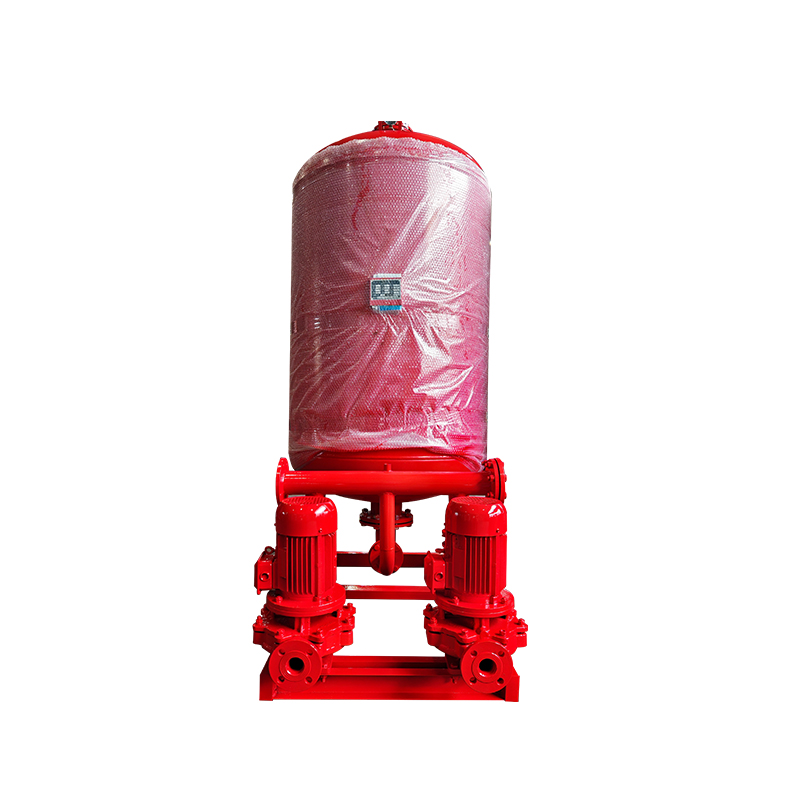
The Fire Fighting Air Pressure Water Supply Equipment typically consists of a pressure tank, pump un...
See Details -
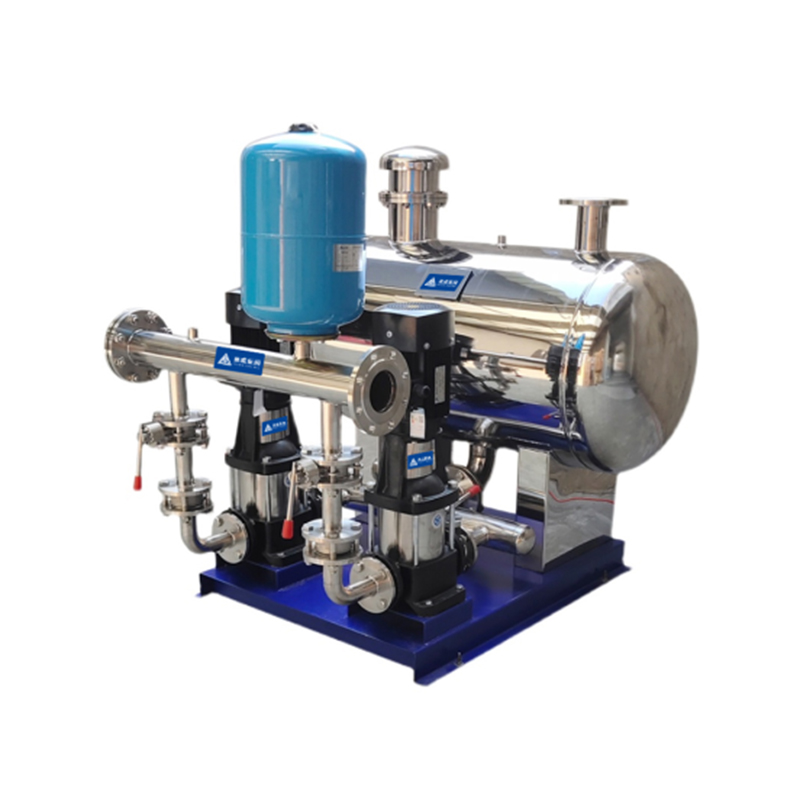
Non-negative pressure water supply equipment is a system composed of a non-negative pressure tank, p...
See Details -
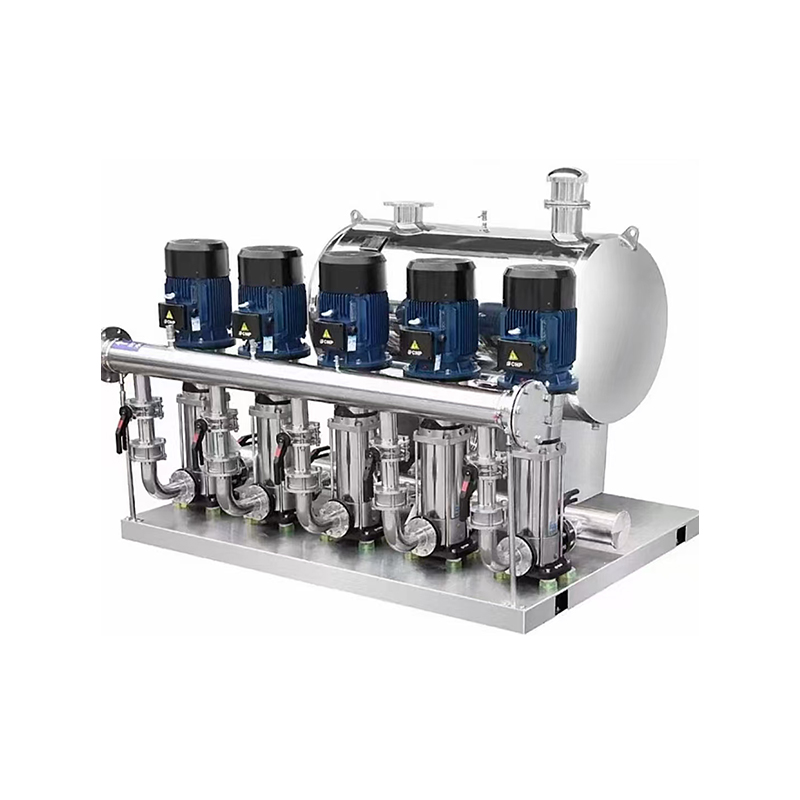
Traditional water supply methods rely heavily on water tanks, which are typically filled with water ...
See Details -
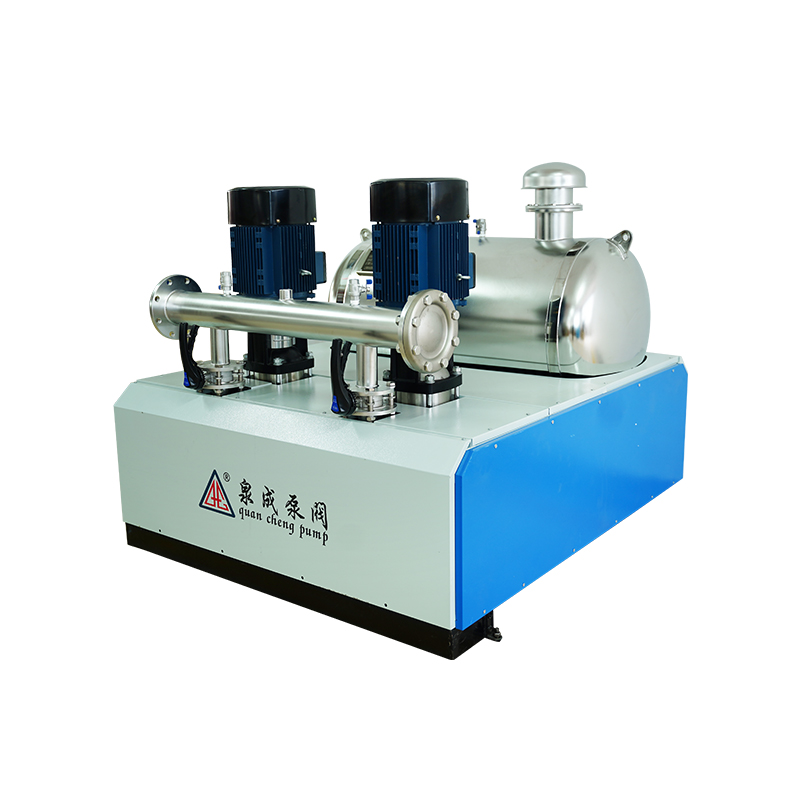
Product OverviewThe Non-negative Pressure Booster Steady Flow Water Supply Equipment uses the munici...
See Details -
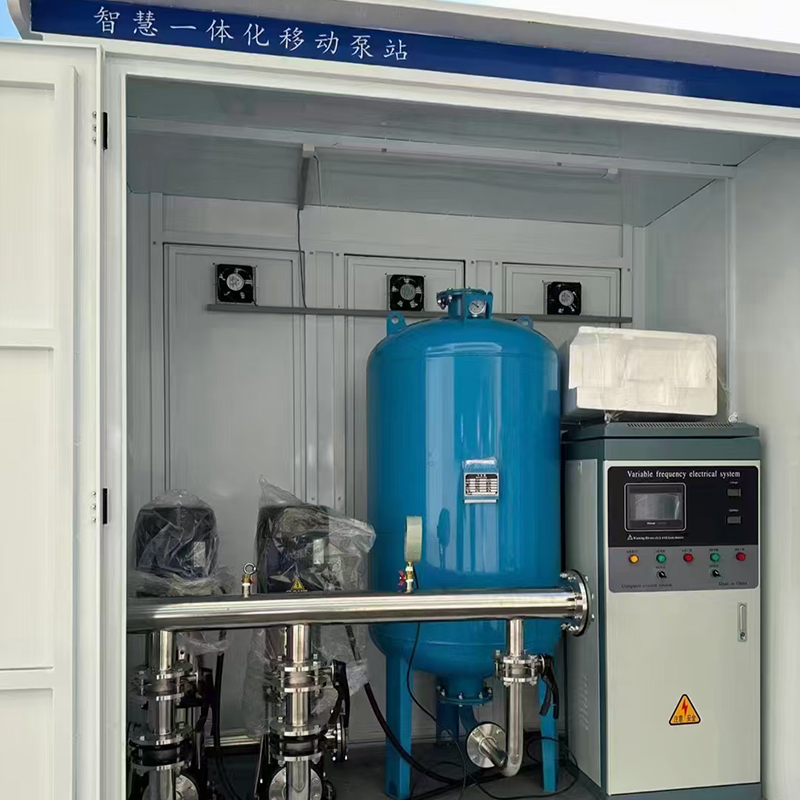
The Intelligent Constant Pressure Variable Frequency Water Supply Equipment is a water supply system...
See Details -
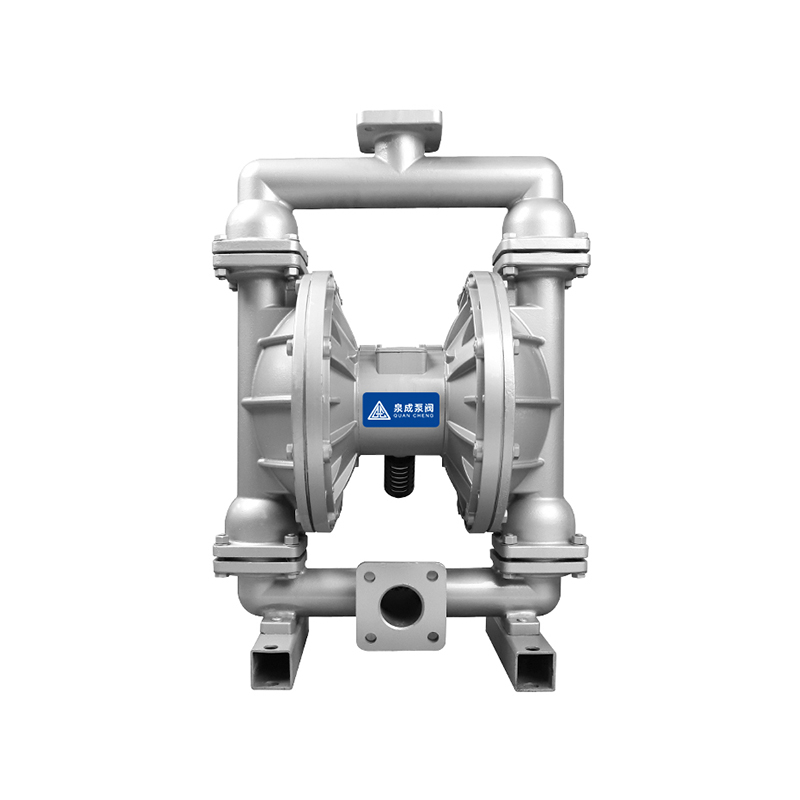
The QBY Air Operated Double Diaphragm Pump produced by our company is a new type of transport machin...
See Details
Copyright © Zhejiang Chuangken Fluid Co., Ltd. All Rights Reserved.
Intelligent Constant Pressure Water Supply System Factory
 浙公网安备33032402001888号
