

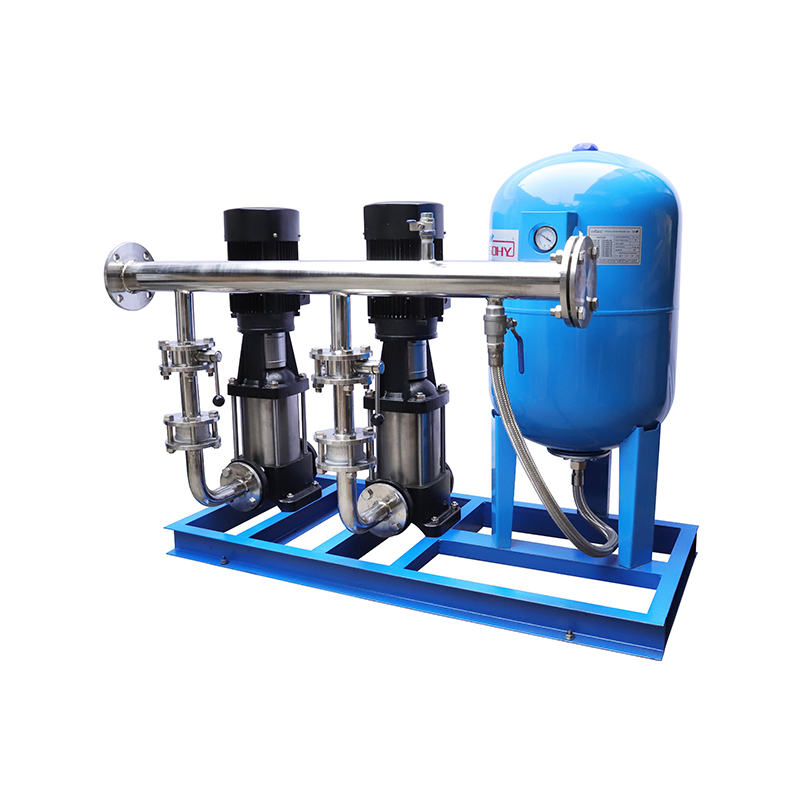
Full Automatic Constant Pressure Variable Frequency Water Supply Equipment is a new generation of hi...
See Details
Energy-saving Constant Pressure Water Supply System handles variable demand
Industry News-Industrial sites that run long shifts need water pressure that stays even when demand jumps or drops. Cleaning stations open, cooling loops cycle, and process equipment draws water at irregular intervals. The Energy-saving Constant Pressure Water Supply System addresses this by linking pumps, sensors, and frequency drives so output rises or falls with actual use rather than running at full speed all day.
How Pressure Stays Steady During Shift Changes
Sensors placed on the main line read pressure every few seconds. When a cleaning station or cooling circuit opens, the reading falls and the control unit increases pump speed. When those stations close, the unit slows the motors or stages additional pumps out of service. The Energy-saving Constant Pressure Water Supply System keeps the line within a narrow band, which helps downstream equipment avoid sudden flow changes. Operators notice fewer interruptions on filling lines or spray systems because the water arrives at the pressure the process expects. In plants where several departments share one header, this responsive behavior prevents the distant points from dropping below usable levels while the near points stay within safe limits.
The control logic usually allows a soft start so the motors do not create pressure spikes at the beginning of a demand rise. Some configurations include a small pressure tank that absorbs minor fluctuations and reduces the number of times the pumps need to start. These details matter to buyers who manage continuous processes that cannot accept even brief pressure dips.
Materials Chosen for Industrial Water Conditions
Housing materials usually include cast iron or stainless grades that resist the minerals and temperature swings common in factory water. Impellers and seals are selected for the fluid type—plain process water, treated water, or light chemical mixes. Control cabinets receive sealed doors and filtered vents so dust from production floors does not settle on the boards. Cable entries and terminal blocks are chosen for vibration resistance because plant rooms often share space with other rotating equipment. These choices let the Energy-saving Constant Pressure Water Supply System run through repeated start-stop cycles without early wear on the wet parts or the electronics.
Gasket and O-ring compounds are matched to the expected temperature range and any mild chemical content in the water. Factories that document the material grades clearly help purchasing teams confirm compatibility with their existing water chemistry. The mechanical design also considers ease of access: service ports and drain points are positioned so technicians can reach them without major disassembly of the skid.
Typical Places the System Appears
Textile mills use the equipment to feed dye ranges that cannot tolerate pressure swings. Food plants install it on wash-down loops where multiple hoses open at once. Metalworking shops place it on coolant circuits that serve several machines from one header. In each case the Energy-saving Constant Pressure Water Supply System replaces older fixed-speed pumps that either over-pressured the lines or left distant points short of water. Purchasing teams often match the unit’s flow range to the peak simultaneous demand of those loops rather than to average use.
Other applications include boiler feed make-up lines and process rinse stations where consistent pressure improves the uniformity of the operation. In multi-building industrial parks the same system can serve a central utility loop that branches to different workshops. The ability to maintain pressure across varying distances and elevation changes makes the equipment practical for sites that have grown over time and now operate with mixed piping ages and diameters.
Related products
-
-
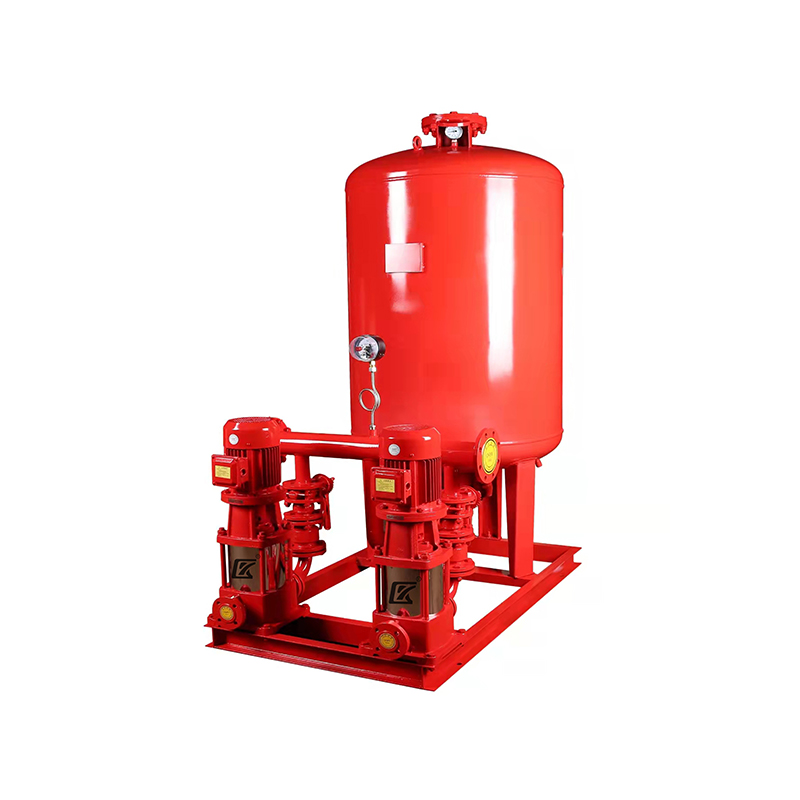
The Automatic Frequency Conversion Constant Pressure Fire Water Supply Equipment is designed and dev...
See Details -
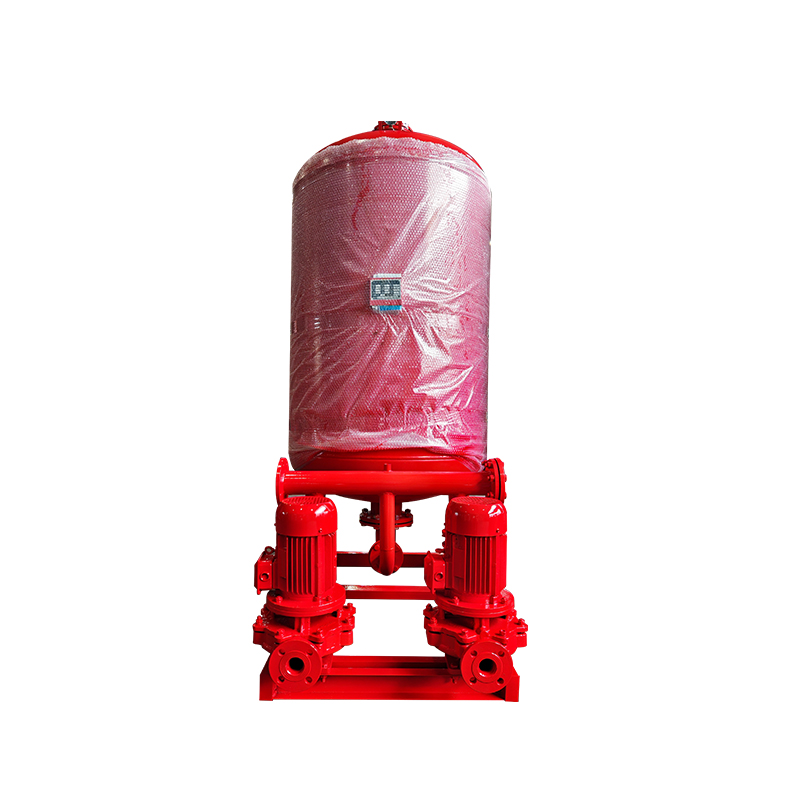
The Fire Fighting Air Pressure Water Supply Equipment typically consists of a pressure tank, pump un...
See Details -
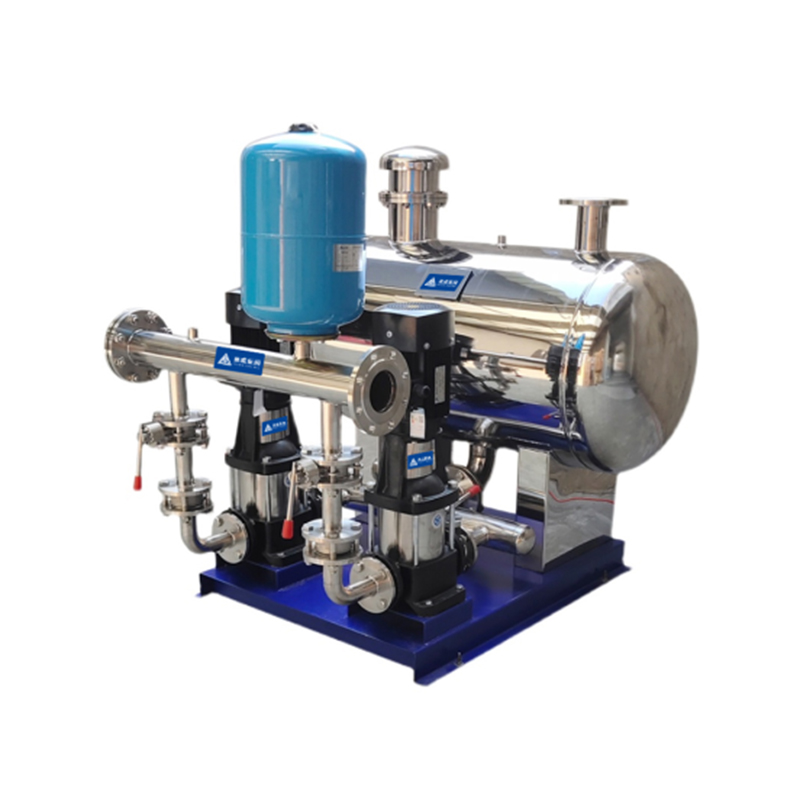
Non-negative pressure water supply equipment is a system composed of a non-negative pressure tank, p...
See Details -
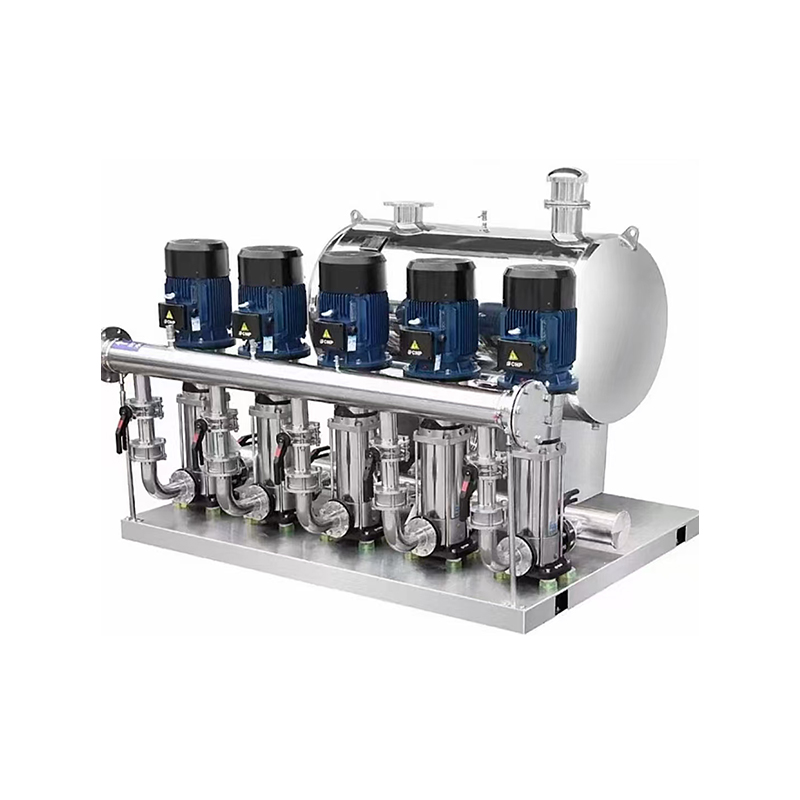
Traditional water supply methods rely heavily on water tanks, which are typically filled with water ...
See Details -
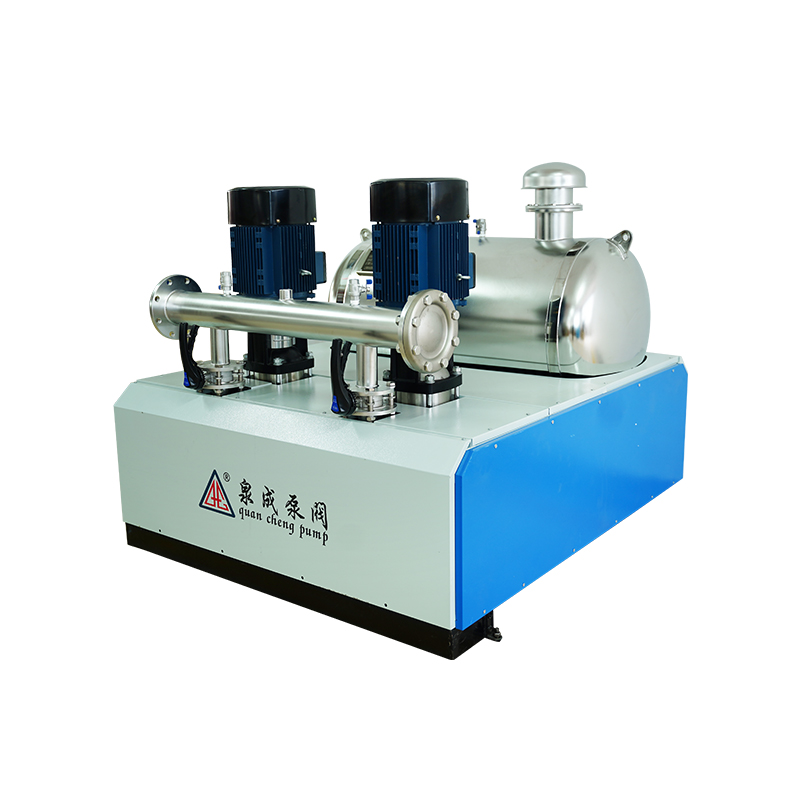
Product OverviewThe Non-negative Pressure Booster Steady Flow Water Supply Equipment uses the munici...
See Details -
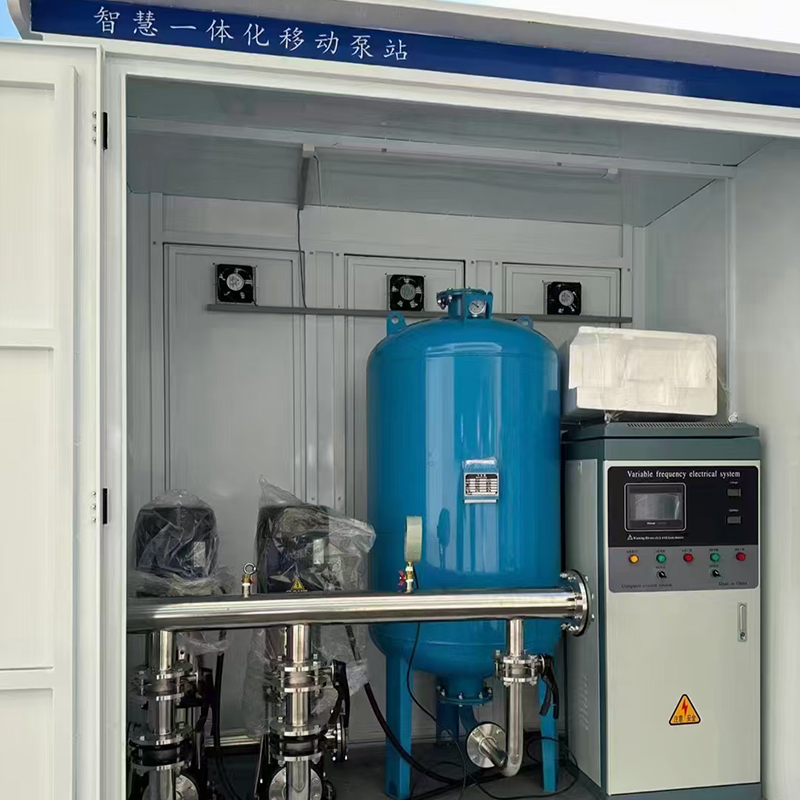
The Intelligent Constant Pressure Variable Frequency Water Supply Equipment is a water supply system...
See Details -
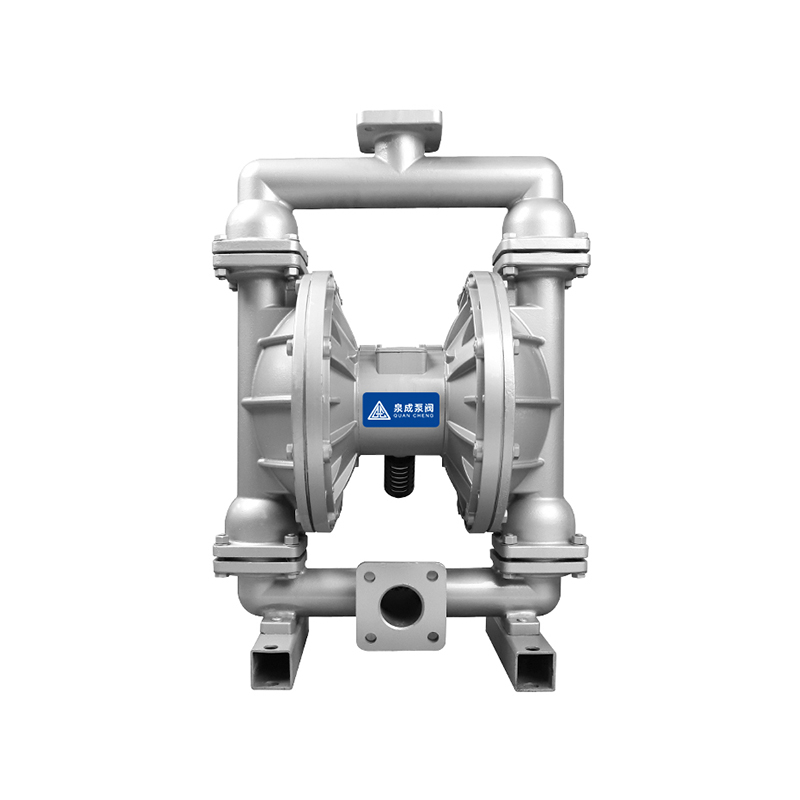
The QBY Air Operated Double Diaphragm Pump produced by our company is a new type of transport machin...
See Details
Copyright © Zhejiang Chuangken Fluid Co., Ltd. All Rights Reserved.
Intelligent Constant Pressure Water Supply System Factory
 浙公网安备33032402001888号
