

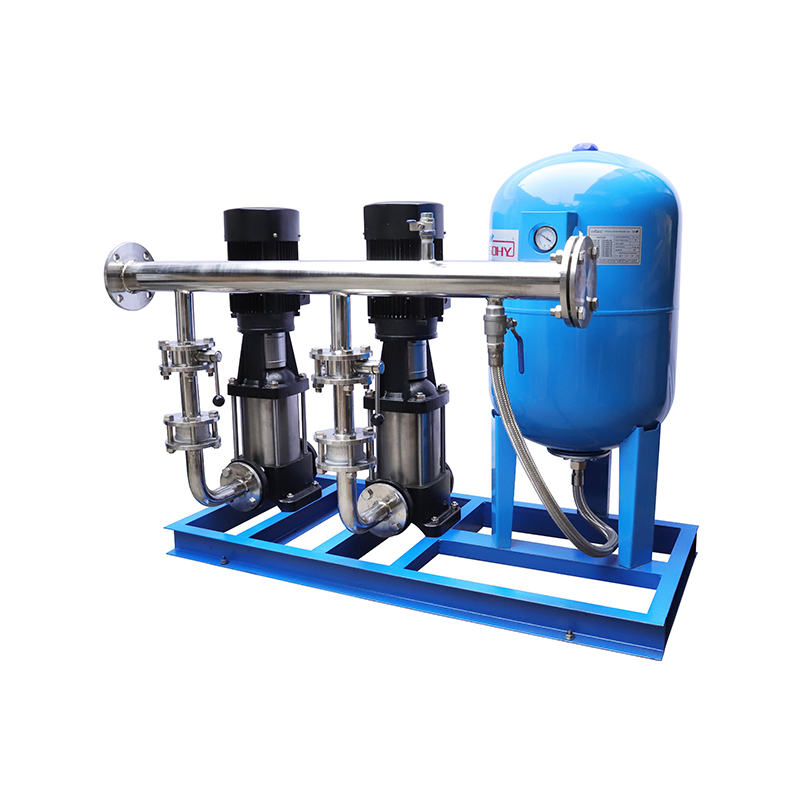
Full Automatic Constant Pressure Variable Frequency Water Supply Equipment is a new generation of hi...
See Details
How a Boost Pump Factory Turns Components into Pump Systems?
Industry News-Water pressure requirements vary across buildings, industrial facilities, commercial properties, and water distribution systems. When incoming water pressure cannot meet the demands of connected equipment, a booster pump system can help increase pressure and maintain a more consistent water supply. Pump design involves more than selecting a motor and connecting a water inlet and outlet. Hydraulic structure, component compatibility, operating conditions, and control methods all influence how a booster pump system performs in its intended working environment.
How Hydraulic Design Influences Pump Performance
Hydraulic design is an important stage in booster pump manufacturing. The shape of the impeller, internal flow channels, and pump chamber can influence water movement through the equipment.
For example, impeller diameter and blade geometry affect the amount of energy transferred to the water. The internal passage also needs to support smooth water flow and suit the intended operating range.
Pump selection usually involves two key parameters: flow rate and head. Flow rate describes the volume of water delivered over a certain period, while head represents the energy added to the water, commonly expressed as an equivalent height.
These parameters help manufacturers determine the appropriate pump configuration. A system intended for a multi-story building may require a different arrangement from one used in an industrial water circulation line.
From Individual Components to Pump Assembly
Manufacturing a booster pump involves several connected production stages. Component preparation comes first, followed by machining, assembly, electrical integration, and system configuration.
During assembly, the motor and pump body must be matched according to their structural specifications. The impeller, shaft, mechanical seal, and other internal parts are installed in their designated positions. Correct alignment helps the rotating components work together as intended.
Electrical integration is another important part of production. Depending on the system design, the equipment may include a control panel, pressure switch, variable frequency drive, or automatic control unit. These components allow the pump to respond to changes in water demand.
An experienced Boost Pump Factory coordinates mechanical and electrical assembly so that the complete unit fits the operating requirements provided by the buyer.
Material Choices Across Pump Components
Different pump components may use different materials according to their contact with water, mechanical function, and operating conditions.
Stainless steel is commonly used for pump chambers, shafts, or other components where corrosion resistance is a consideration. Cast iron is also used in certain pump housings because of its structural properties and suitability for specific equipment configurations. Engineering plastics may appear in selected internal or external components.
Material selection should consider the liquid being handled, operating temperature, pressure conditions, and system structure. Buyers should also distinguish between materials used in the pump body and those used in internal components, as these may vary within one product.
A Boost Pump Factory that provides clear component and material information can help distributors and equipment integrators compare different configurations more efficiently.
Customization for Different Equipment Requirements
Booster pump systems are supplied in various configurations. Some projects require compact units for building water supply, while others need multiple pumps connected to a shared control system.
Customization may involve pump capacity, motor power, connection dimensions, control methods, cabinet layout, and the number of pumps in one system. Buyers may also request different inlet and outlet arrangements to match their existing pipeline designs.
For distributors and engineering contractors, these details matter when matching equipment to project specifications. Sharing the expected flow rate, required head, water conditions, installation space, and power supply information helps manufacturers understand the application before recommending a configuration.
Related products
-
-
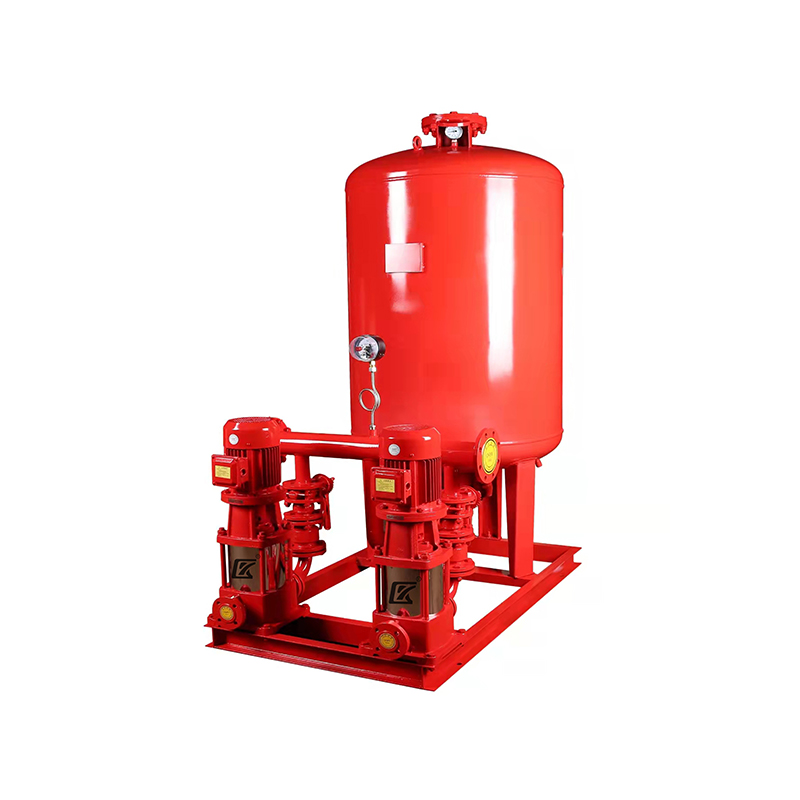
The Automatic Frequency Conversion Constant Pressure Fire Water Supply Equipment is designed and dev...
See Details -
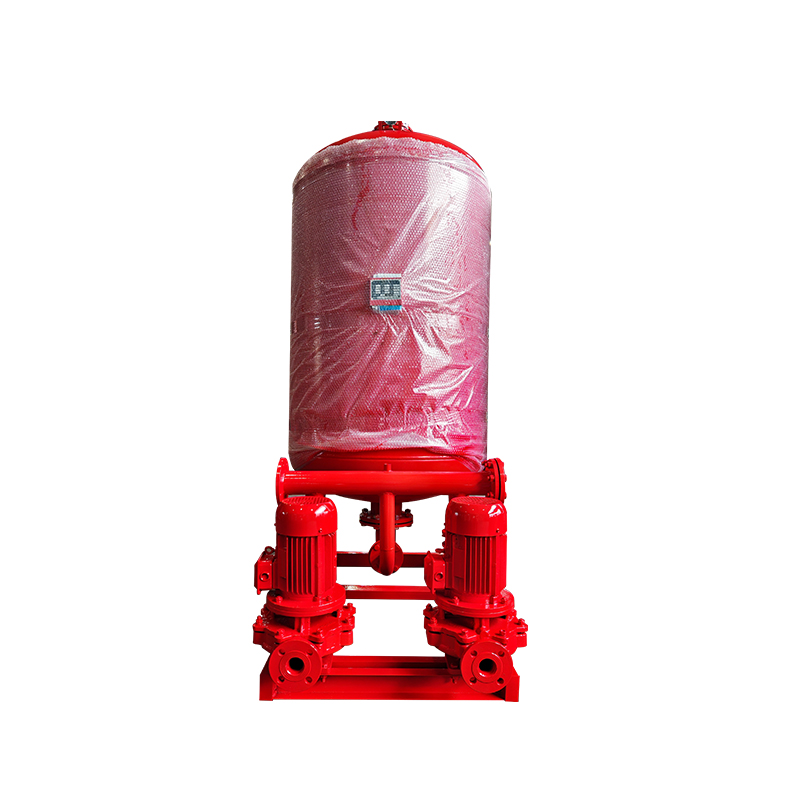
The Fire Fighting Air Pressure Water Supply Equipment typically consists of a pressure tank, pump un...
See Details -
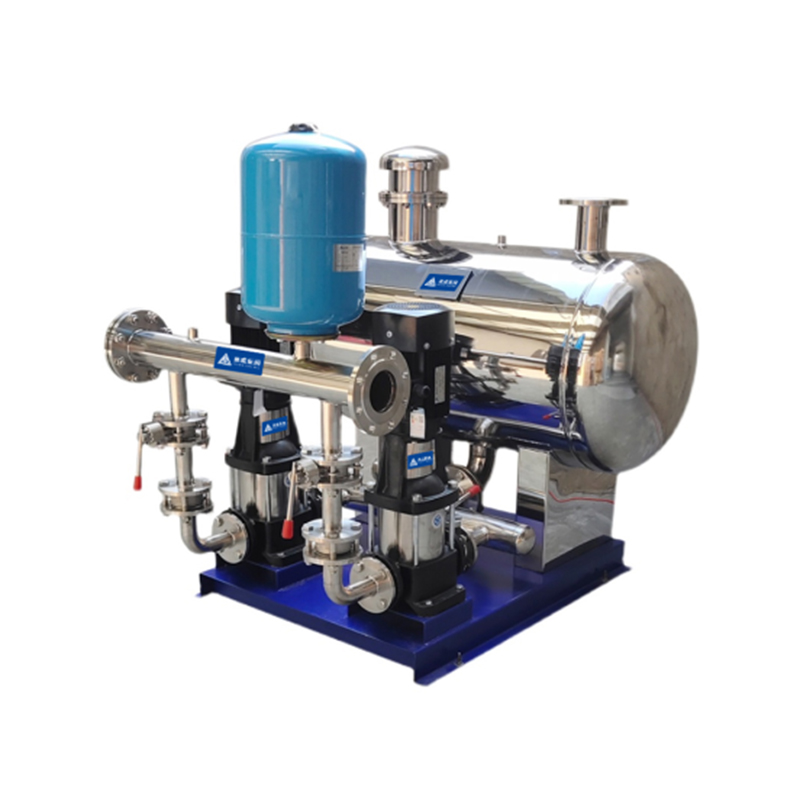
Non-negative pressure water supply equipment is a system composed of a non-negative pressure tank, p...
See Details -
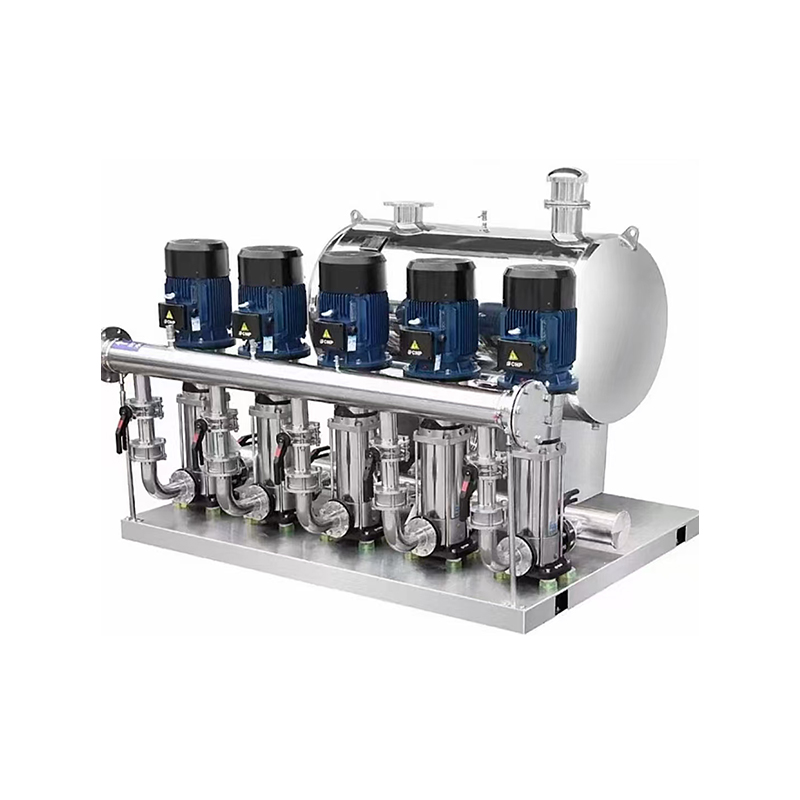
Traditional water supply methods rely heavily on water tanks, which are typically filled with water ...
See Details -
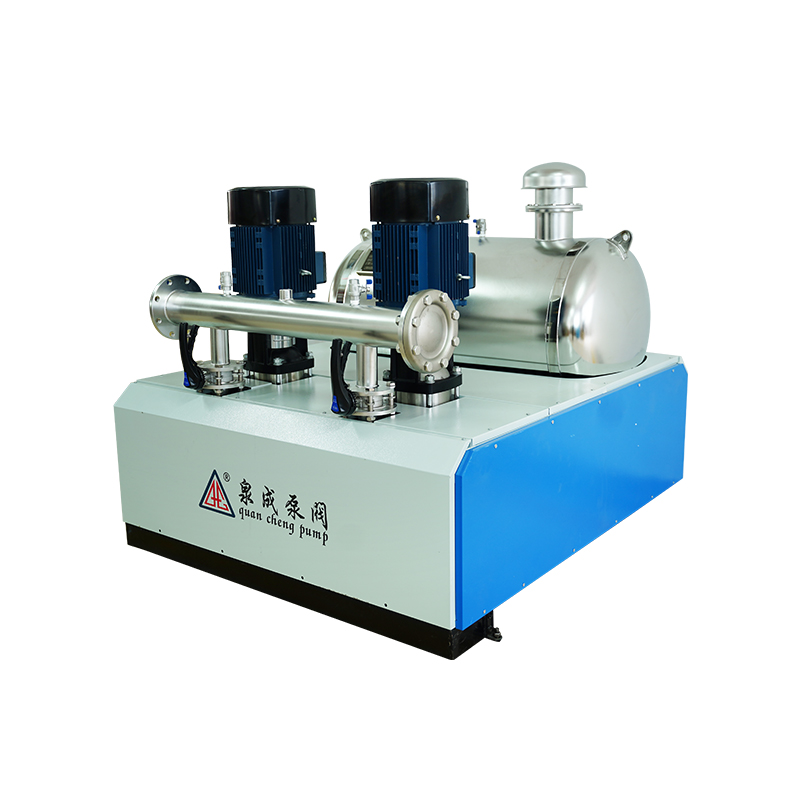
Product OverviewThe Non-negative Pressure Booster Steady Flow Water Supply Equipment uses the munici...
See Details -
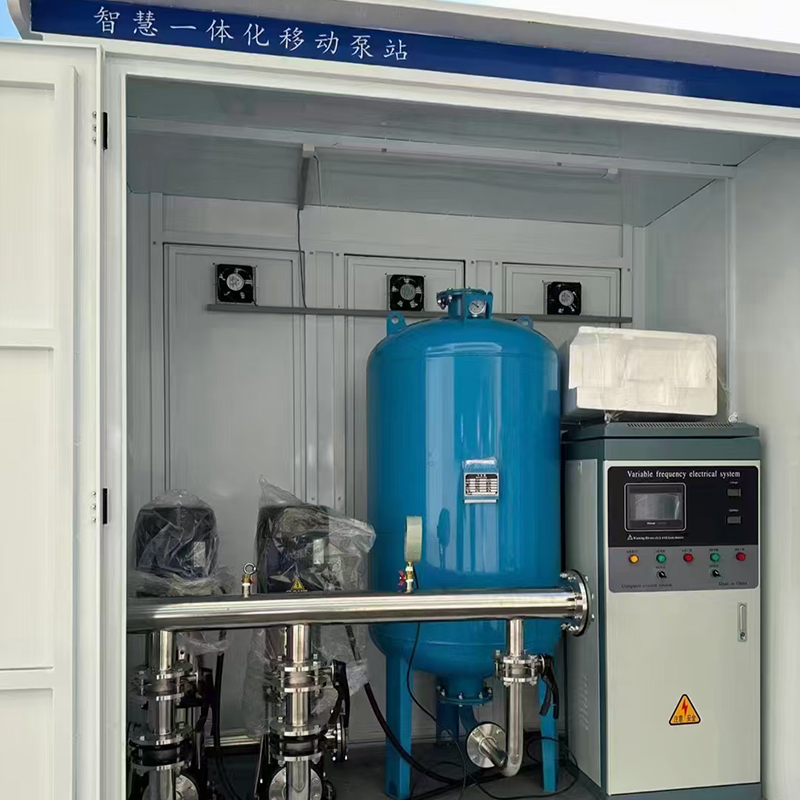
The Intelligent Constant Pressure Variable Frequency Water Supply Equipment is a water supply system...
See Details -
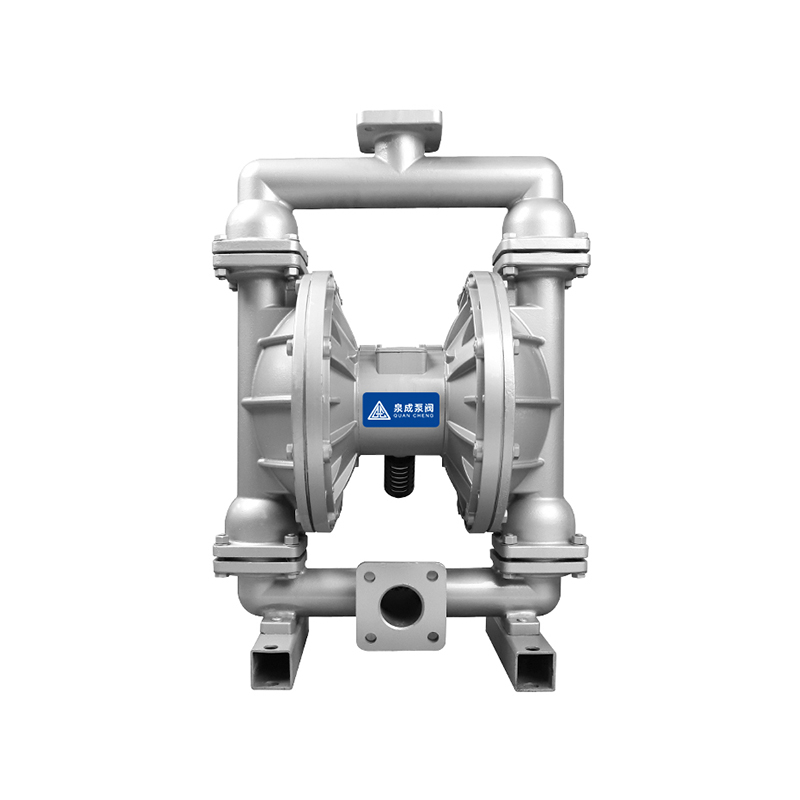
The QBY Air Operated Double Diaphragm Pump produced by our company is a new type of transport machin...
See Details
Copyright © Zhejiang Chuangken Fluid Co., Ltd. All Rights Reserved.
Intelligent Constant Pressure Water Supply System Factory
 浙公网安备33032402001888号
