

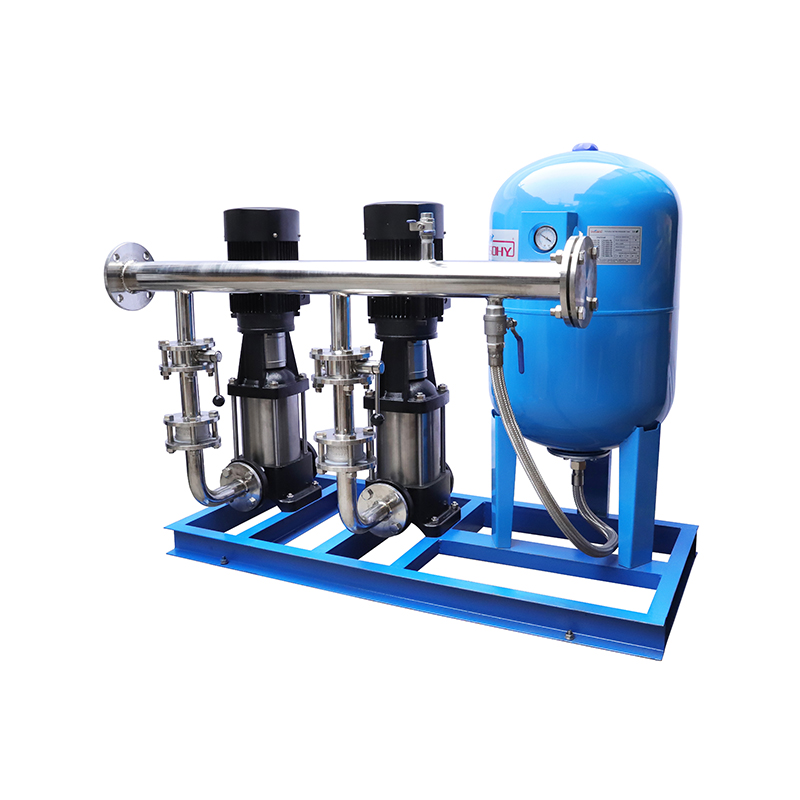
Full Automatic Constant Pressure Variable Frequency Water Supply Equipment is a new generation of hi...
See Details
How Boost Pump Factory Technology Supports Energy Efficiency?
Industry News-What a boost pump factory actually produces
The term "boost pump" covers a range of products rather than a single design. At the residential end, compact inline units handle low-flow domestic pressure applications — a single pump, a pressure sensor, a small motor, and a compact housing. At the commercial and industrial end, the product line expands considerably: multistage centrifugal pumps, variable-speed booster sets with integrated controls, packaged booster stations built around multiple pump heads running in parallel, and custom-engineered units designed around specific system requirements.
A factory geared toward the residential and light commercial market looks different from one serving industrial and infrastructure clients. Product mix, production volume, testing capacity, and engineering support all vary. Knowing which category a factory primarily serves — before getting into price negotiations — saves time and avoids mismatches between what the buyer needs and what the supplier is actually set up to deliver.
Manufacturing depth varies more than catalog pages suggest
Two factories can produce boost pumps that look identical on a spec sheet while operating at very different levels of manufacturing depth. One may machine its own impellers, wind its own motor stators, and fabricate pump casings in-house. Another may source all major components externally and function primarily as an assembly operation.
Neither model is inherently problematic, but the distinction matters when things go wrong. A factory with deep in-house manufacturing capability can trace quality issues back to their origin and modify production processes accordingly. An assembly-focused operation is more dependent on its supply chain — which means that a component quality issue from a third-party supplier may be slower to identify and correct.
For buyers placing large or long-term orders, understanding this distinction early is worth the effort. A factory visit — or a detailed supplier questionnaire covering production scope, component sourcing, and quality control processes — tends to surface these differences faster than reviewing a product catalog.
The role of variable-speed technology in current production
One visible shift in boost pump manufacturing over the past several years is the move toward variable-speed drive integration. Fixed-speed boost pumps run at a constant speed regardless of demand, which means they cycle on and off as pressure drops and recovers. Variable-speed units adjust motor speed in real time to match system demand, which reduces pressure fluctuation and cuts energy draw during periods of low demand.
Factories that have built variable-speed capability into their product lines — integrating frequency drives and pressure control electronics directly into the pump package — are addressing a real shift in buyer preference across commercial and industrial markets. The technology is no longer a premium add-on in most segments; it has become an expected feature in a growing share of specifications.
For a boost pump factory, this shift has manufacturing implications. It requires not just mechanical engineering capacity but electronics integration, software configuration capability, and testing infrastructure that validates the control system alongside the hydraulic performance. Factories that have made this transition are positioned differently from those still focused primarily on fixed-speed product lines.
Customization capacity and what it signals about a factory
Standard catalog products cover the majority of boost pump applications. But projects in water treatment, high-rise construction, industrial processing, and infrastructure development regularly call for something outside the catalog — a specific flow and head combination, a particular materials package, a non-standard motor frame, or integration with a bespoke control system.
A boost pump factory's willingness and ability to handle custom orders is a reasonable proxy for its engineering depth. Factories that can engage meaningfully with a custom specification — offering hydraulic modeling, drawing review, and factory acceptance testing — are operating at a different level from those that treat any deviation from standard product as a source of disruption. For buyers with recurring non-standard requirements, that engineering capacity can be as important as unit pricing.
Related products
-
-
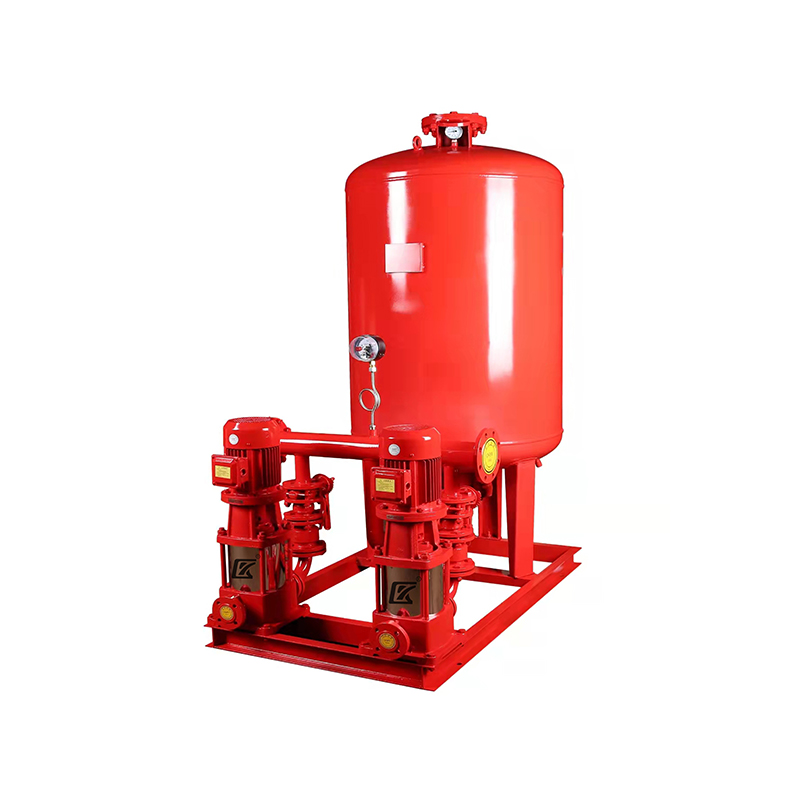
The Automatic Frequency Conversion Constant Pressure Fire Water Supply Equipment is designed and dev...
See Details -
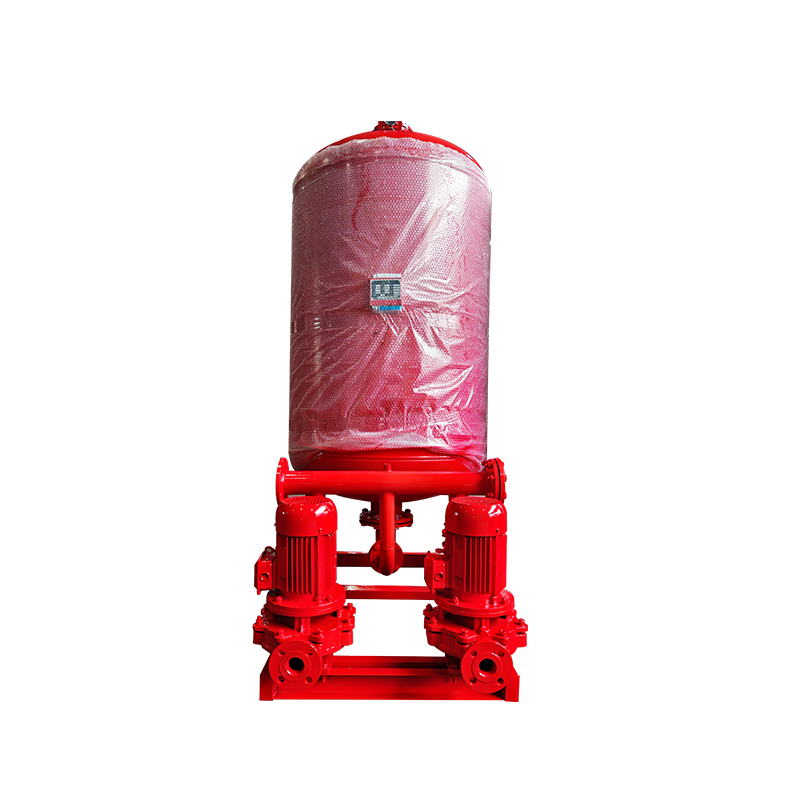
The Fire Fighting Air Pressure Water Supply Equipment typically consists of a pressure tank, pump un...
See Details -
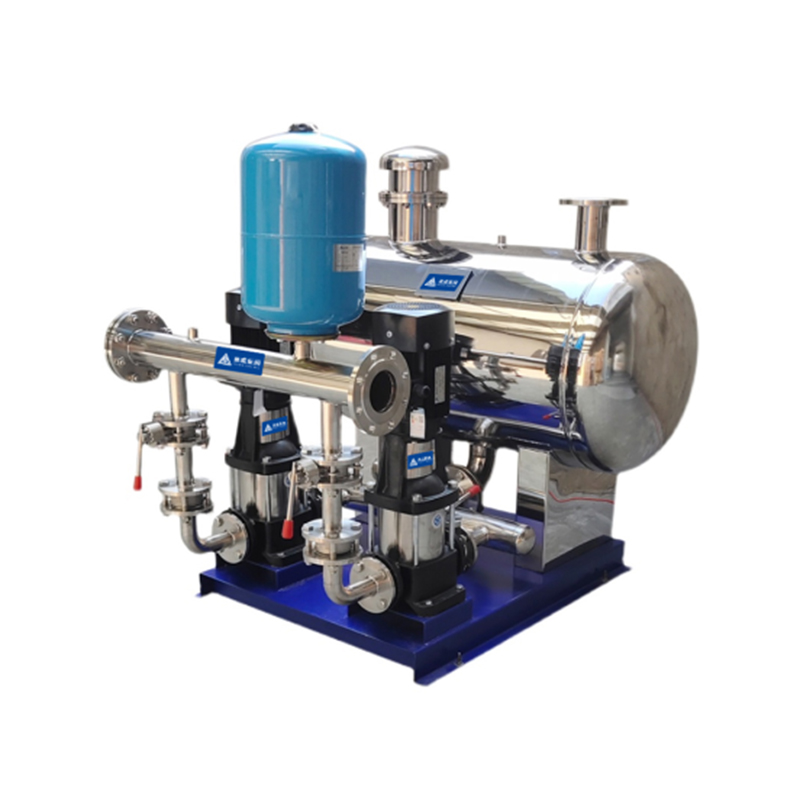
Non-negative pressure water supply equipment is a system composed of a non-negative pressure tank, p...
See Details -
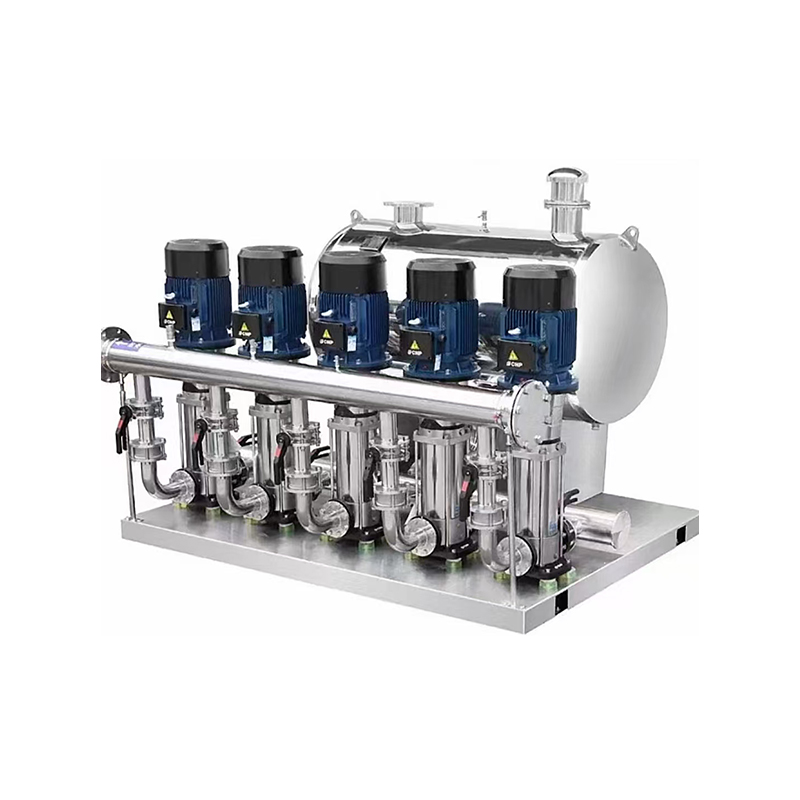
Traditional water supply methods rely heavily on water tanks, which are typically filled with water ...
See Details -
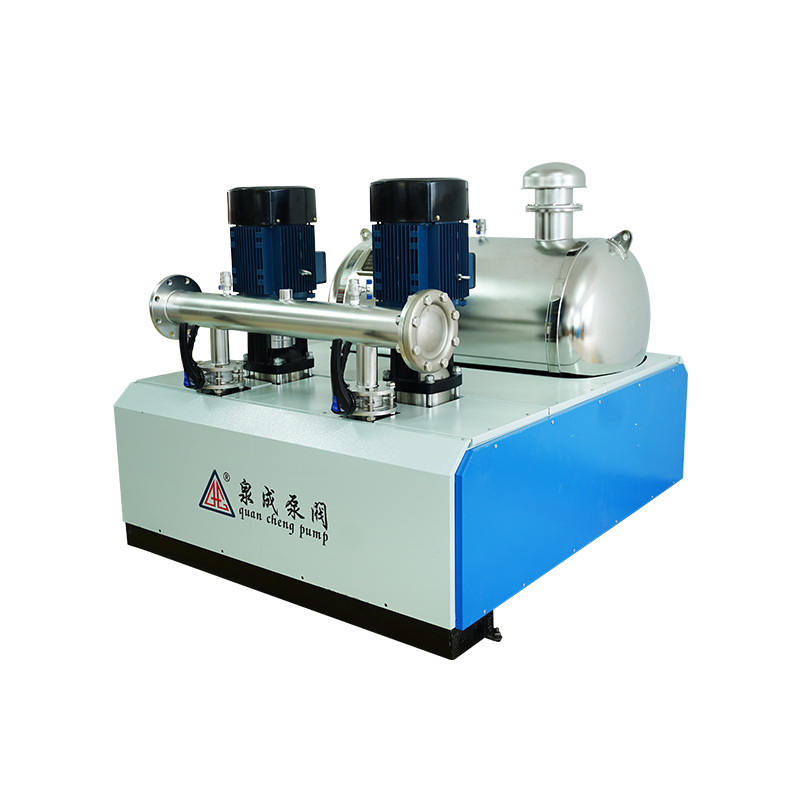
Product OverviewThe Non-negative Pressure Booster Steady Flow Water Supply Equipment uses the munici...
See Details -
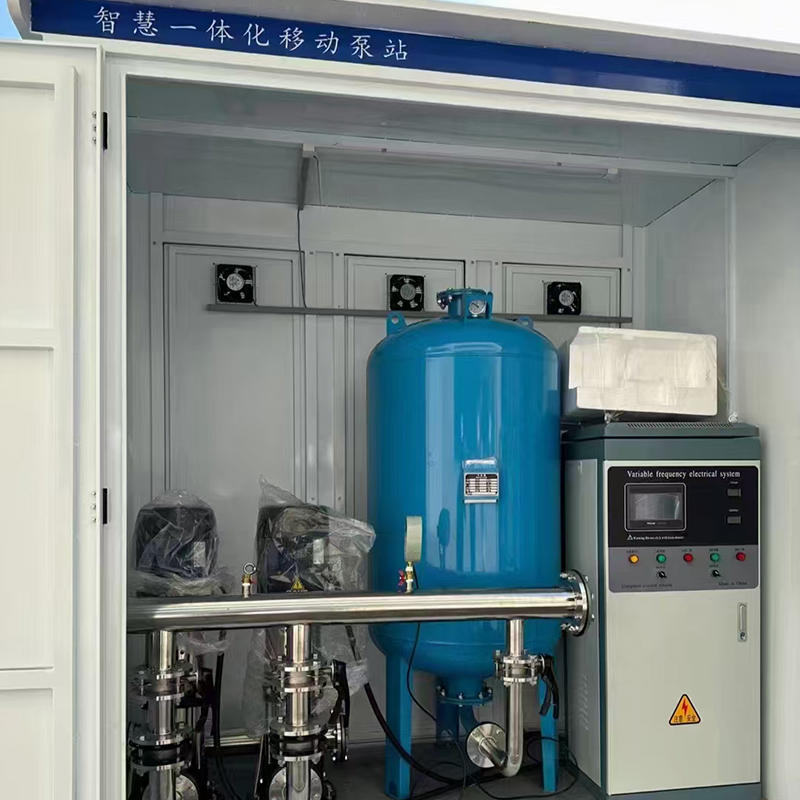
The Intelligent Constant Pressure Variable Frequency Water Supply Equipment is a water supply system...
See Details -
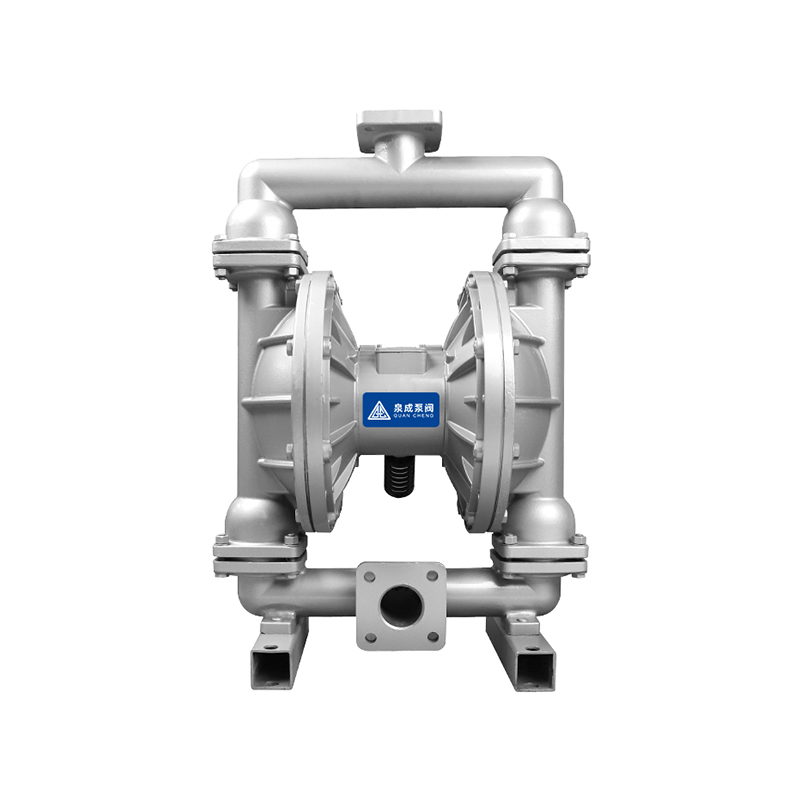
The QBY Air Operated Double Diaphragm Pump produced by our company is a new type of transport machin...
See Details
Copyright © Zhejiang Chuangken Fluid Co., Ltd. All Rights Reserved.
Intelligent Constant Pressure Water Supply System Factory
 浙公网安备33032402001888号
