

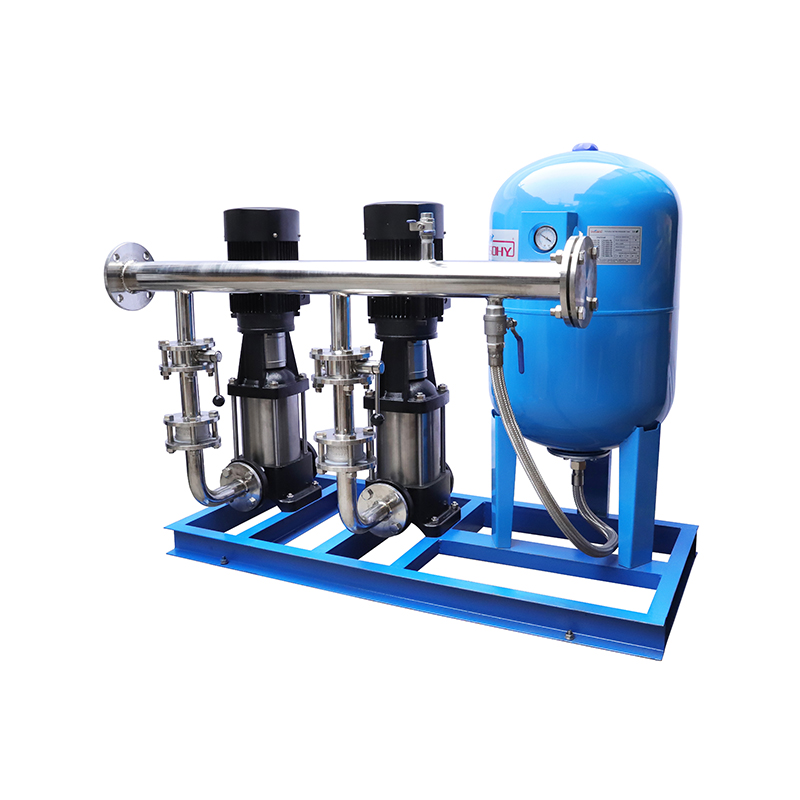
Full Automatic Constant Pressure Variable Frequency Water Supply Equipment is a new generation of hi...
See Details
Why Single-stage Single-suction Centrifugal Pump Still the Default Choice ?
Industry News-What "single-stage" and "single-suction" actually mean in practice
Single-stage means one impeller, and a Single-stage Single-suction Centrifugal Pump uses that single impeller with suction from only one side to move fluid efficiently. Multi-stage pumps, by contrast, stack multiple impellers in series, each one boosting pressure further, which makes them suitable for high-head applications like deep well extraction, tall building water supply, or demanding industrial processes. For most standard water transfer needs, however, a single-stage single-suction design is sufficient, offering simpler structure, fewer wear parts, easier maintenance, and a more compact and cost-effective solution without the added complexity of multi-stage systems.
Single-suction means fluid enters from one side of the impeller only. The alternative — double-suction — splits the inlet flow across both sides, which balances axial thrust and works well at high flow rates. For moderate flows, that added complexity isn't necessary. Single-suction handles the duty cleanly and keeps the pump geometry compact.
Put the two together and you get a pump that covers a broad middle ground: not built for extreme conditions, but capable enough to handle the majority of fluid transfer work that actually shows up in real systems.
The industries that rely on this configuration daily
Municipal water systems run on these pumps. Treatment plants move water between process stages with them. Distribution networks use them to push treated water through pipelines to end users. The flow volumes involved typically sit squarely within the range a well-specified single-stage unit handles without being pushed toward its limits.
Agriculture is another consistent user. Irrigation systems pulling from rivers, reservoirs, or groundwater sources move significant volumes across large areas. The pump often runs outdoors, sometimes unattended, in conditions that reward straightforward construction over engineered complexity.
Chemical processing lines, HVAC cooling circuits, fire suppression systems, food and beverage transfer — the list goes on. In each case, the application lands within the head and flow envelope of a single-stage design, and the procurement decision comes down to material selection and sizing rather than configuration.
Parts availability is a bigger factor in pump selection than it sometimes gets credit for. Single-stage single-suction centrifugal pumps have been standardized across the industry long enough that impellers, mechanical seals, shaft sleeves, and bearings are stocked widely and priced competitively. That matters when something needs replacing at short notice.
Material selection is where the real decisions live
The mechanical configuration of a single-stage single-suction centrifugal pump is largely settled. What changes significantly between one unit and the next is what it's made of — and that depends entirely on what's being pumped.
Cast iron covers general water service and most non-aggressive fluid duties. It's cost-effective, mechanically strong, and available across virtually every pump manufacturer's range. Stainless steel — 304 for lighter applications, 316 where chloride exposure or higher corrosion resistance is needed — handles food processing, pharmaceutical transfer, and light chemical duties. Bronze appears in marine contexts and potable water systems where dezincification resistance matters.
For genuinely aggressive chemical environments, non-metallic constructions using polypropylene or PVDF extend the single-stage centrifugal design into territory that carbon steel and cast iron can't serve. These options tend to carry higher unit costs and lower pressure ratings, but they open up the configuration to acid transfer, solvent handling, and other duties that would destroy a conventional metal pump in short order.
End-suction and inline are the two main physical layouts. End-suction is the more common arrangement — the suction inlet faces forward, the discharge exits from the top or side, and the Single-stage Single-suction Centrifugal Pump sits on a baseplate alongside its driver. Inline designs put the suction and discharge on the same centerline, which simplifies pipework routing and cuts down on floor space in tight plant layouts. Neither is inherently better; the choice depends on the installation geometry.
Related products
-
-
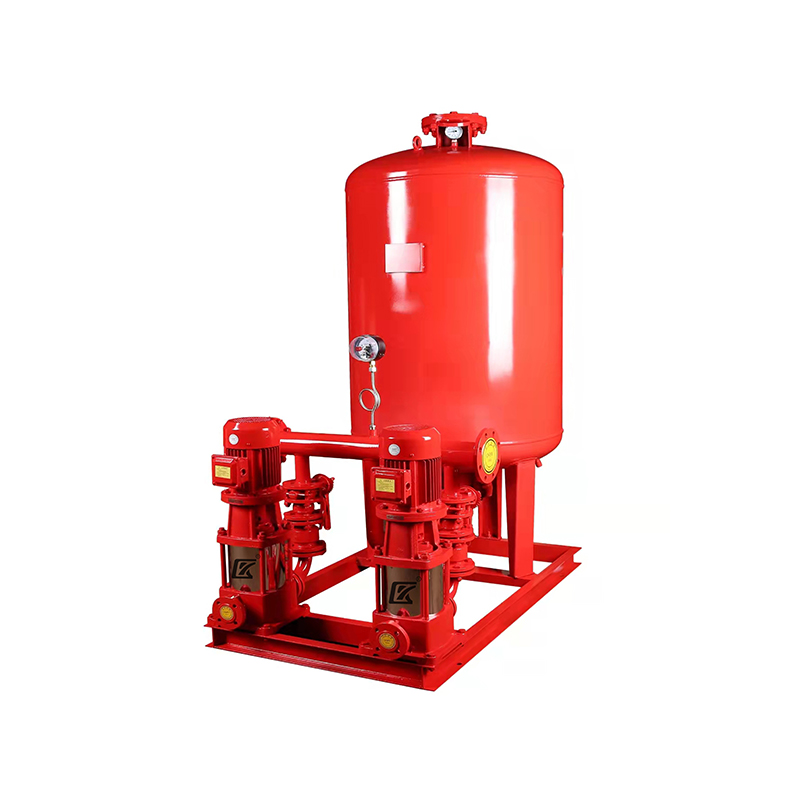
The Automatic Frequency Conversion Constant Pressure Fire Water Supply Equipment is designed and dev...
See Details -
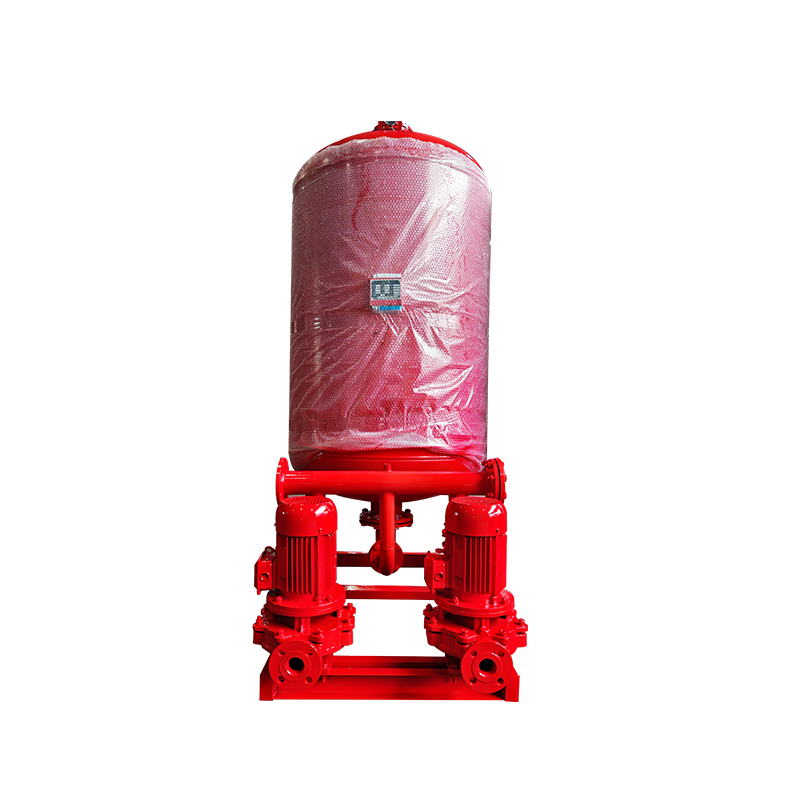
The Fire Fighting Air Pressure Water Supply Equipment typically consists of a pressure tank, pump un...
See Details -
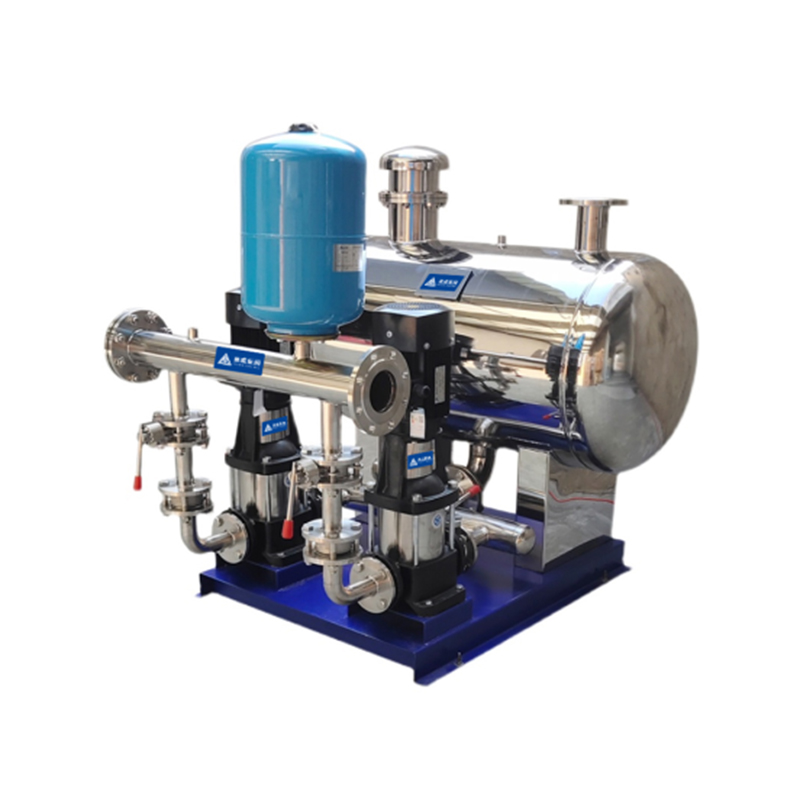
Non-negative pressure water supply equipment is a system composed of a non-negative pressure tank, p...
See Details -
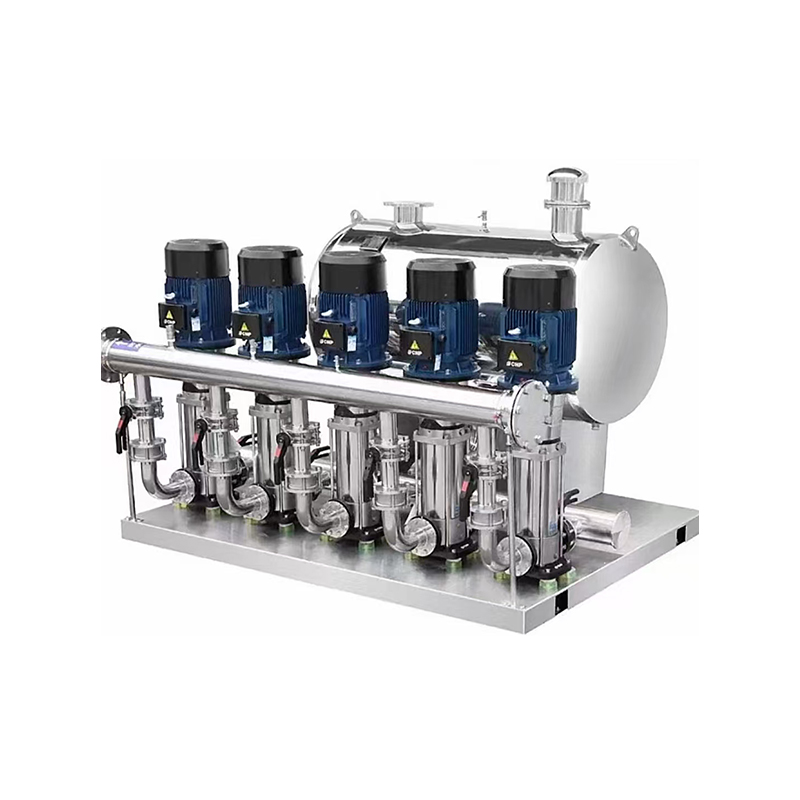
Traditional water supply methods rely heavily on water tanks, which are typically filled with water ...
See Details -
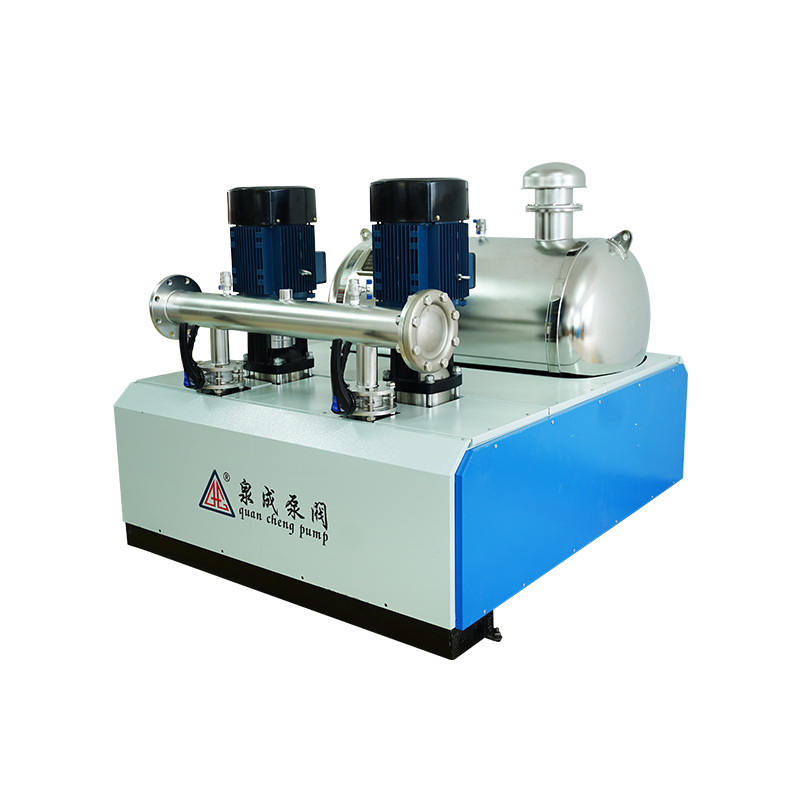
Product OverviewThe Non-negative Pressure Booster Steady Flow Water Supply Equipment uses the munici...
See Details -
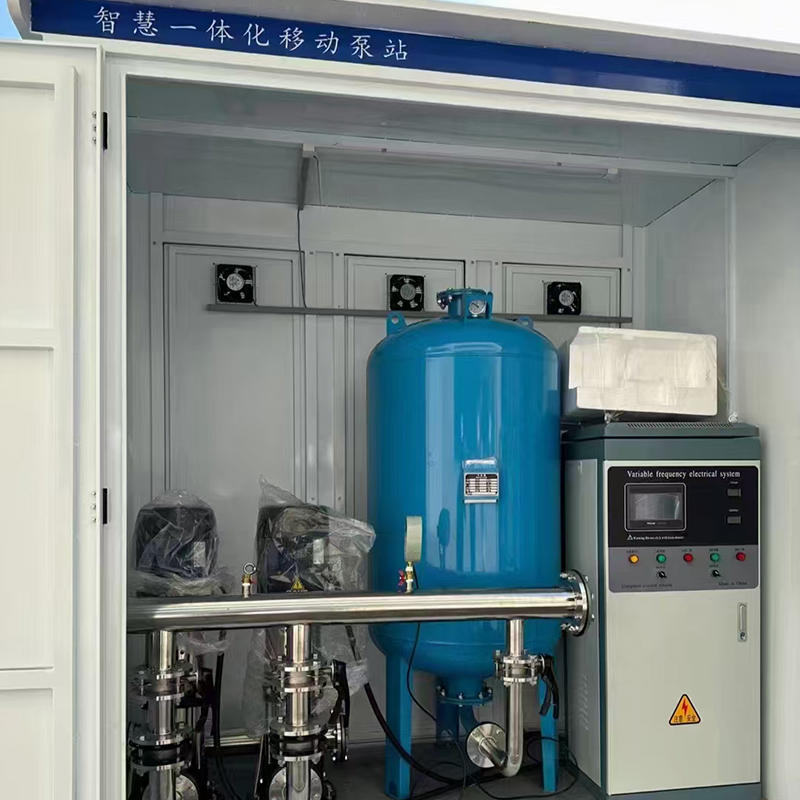
The Intelligent Constant Pressure Variable Frequency Water Supply Equipment is a water supply system...
See Details -
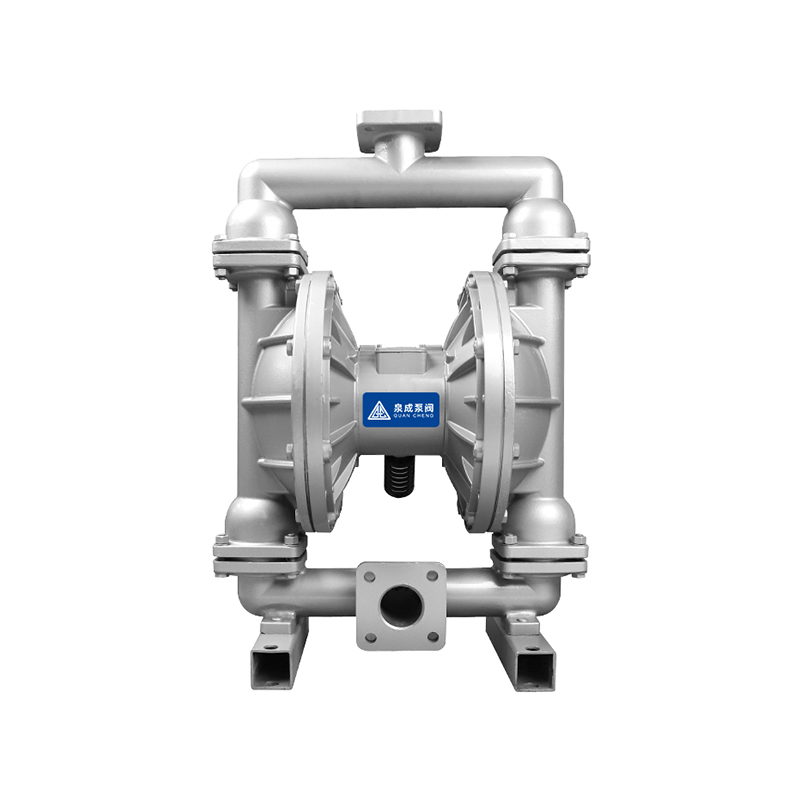
The QBY Air Operated Double Diaphragm Pump produced by our company is a new type of transport machin...
See Details
Copyright © Zhejiang Chuangken Fluid Co., Ltd. All Rights Reserved.
Intelligent Constant Pressure Water Supply System Factory
 浙公网安备33032402001888号
