

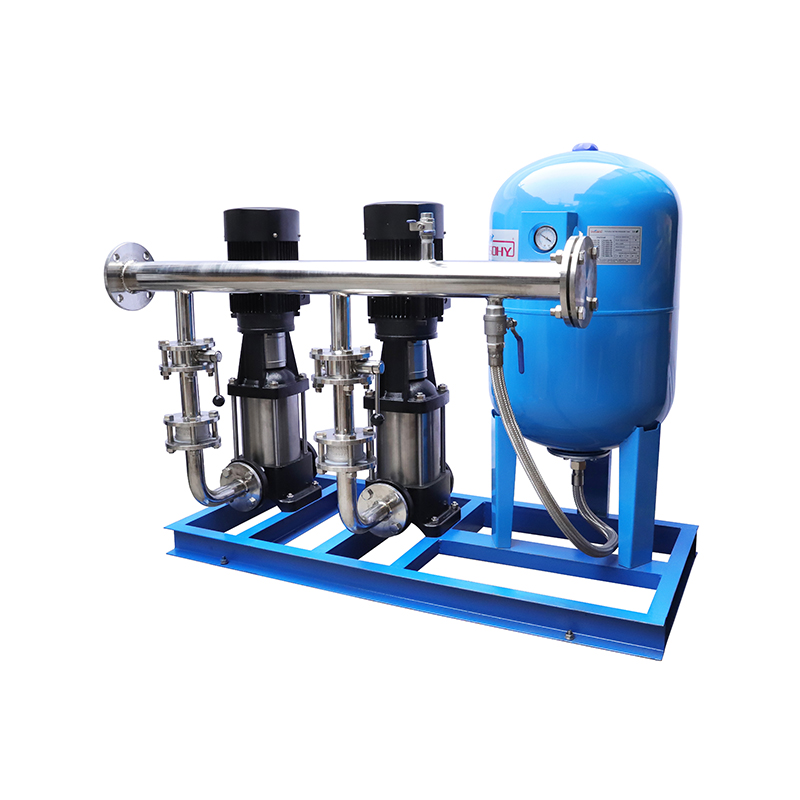
Full Automatic Constant Pressure Variable Frequency Water Supply Equipment is a new generation of hi...
See Details
How Diesel Engine Pump Factories Assemble and Test Pumps
Industry News-Introduction to Diesel Engine Pump Factories
Diesel engine pump factories focus on producing pumps powered by diesel engines for various applications such as irrigation, firefighting, municipal water supply, and industrial processes. Diesel engines offer reliable power where electricity may not be accessible or where high mobility is required.
A factory typically manages the entire production process, from engine assembly to final pump testing. Diesel engine pumps include centrifugal, self-priming, or multistage configurations. Each pump is matched with an engine to ensure proper torque, speed, and flow rate. Factories prioritize precision in assembly and calibration to deliver pumps that operate efficiently under various conditions.
Factories may cater to domestic and international markets, adjusting specifications to meet regional requirements. Compliance with technical standards ensures performance consistency, and modular designs allow customization for different tasks. Diesel engine pumps are valued for their durability, ability to operate in remote locations, and independence from grid electricity.
Production and Assembly Processes
The production process begins with engine assembly. Components such as pistons, cylinders, fuel injectors, and cooling systems are installed and tested individually. Engines are then paired with pump units, which may include impellers, casings, shafts, and bearings. Precise alignment is critical to minimize vibration and ensure long-term reliability.
Pumps are often assembled in stages. The initial assembly focuses on the engine-pump interface, followed by the installation of control mechanisms and protective housings. Factories use jigs and specialized tools to maintain consistency across units. After assembly, each pump undergoes preliminary testing to verify basic operation before final quality checks.
Safety features are integrated during assembly. Engine guards, pressure relief valves, and vibration-damping mounts are installed to protect operators and equipment. Factories may also include additional options, such as fuel tanks, soundproofing, or transport frames, depending on customer needs.
Testing and Quality Assurance
Testing is a crucial stage in diesel engine pump production. Factories operate pumps under controlled conditions to measure flow rate, pressure, fuel consumption, and engine response. Any discrepancies are addressed before shipment, ensuring units meet performance expectations.
Load testing simulates real-world conditions, such as continuous operation, high-pressure delivery, or variable flow rates. Factories monitor temperature, vibration, and engine parameters during these tests. Units that pass are marked with certificates or performance documentation, providing assurance to clients.
Routine quality checks extend beyond individual pumps. Factories monitor production line efficiency, assembly consistency, and material quality. Staff are trained to detect subtle issues in engine or pump components that could affect long-term operation. This attention to detail maintains reliability and operational safety across all manufactured units.
Applications and Practical Considerations
Diesel engine pumps manufactured in factories are used across a wide range of applications. Agricultural irrigation often requires mobile, self-contained units that can reach remote fields. Firefighting pumps must deliver high-pressure water quickly and reliably. Industrial plants may use pumps for circulating process water or for emergency standby operations.
Practical considerations include fuel type, engine efficiency, and portability. Operators choose pumps based on required flow, suction lift, and operating environment. Factories often provide guidance or customization options to match specific needs, ensuring the pump functions reliably in varied conditions.
Maintenance recommendations are provided to prolong service life. Regular fuel system checks, engine oil replacement, and inspection of pump bearings are standard procedures. Factories may also supply spare parts and manuals, helping users maintain performance without interruption. Diesel engine pumps offer flexibility, mobility, and dependable operation in areas where electric-powered alternatives are impractical.
Related products
-
-
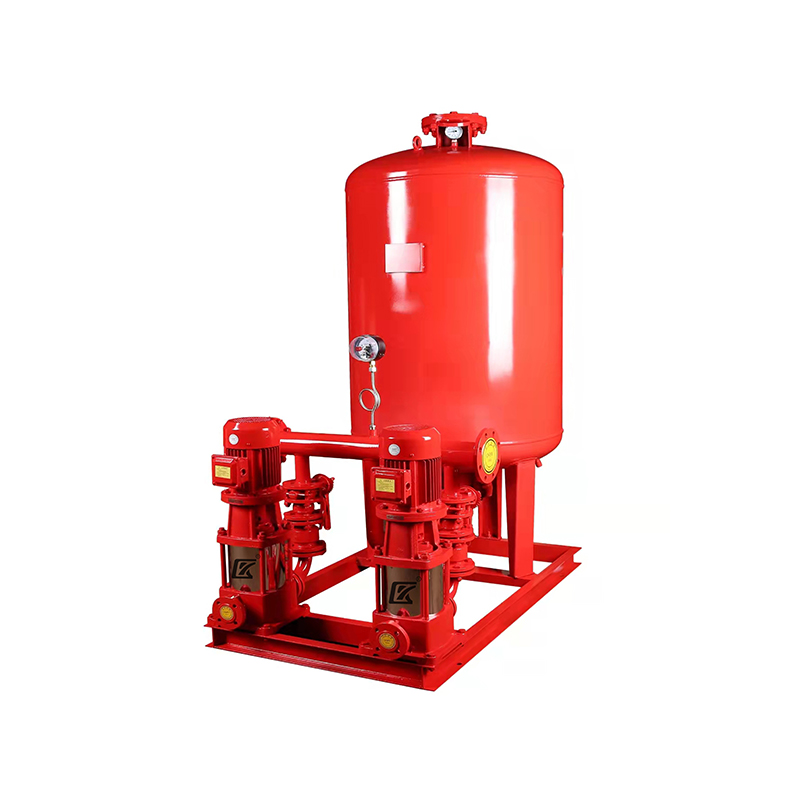
The Automatic Frequency Conversion Constant Pressure Fire Water Supply Equipment is designed and dev...
See Details -
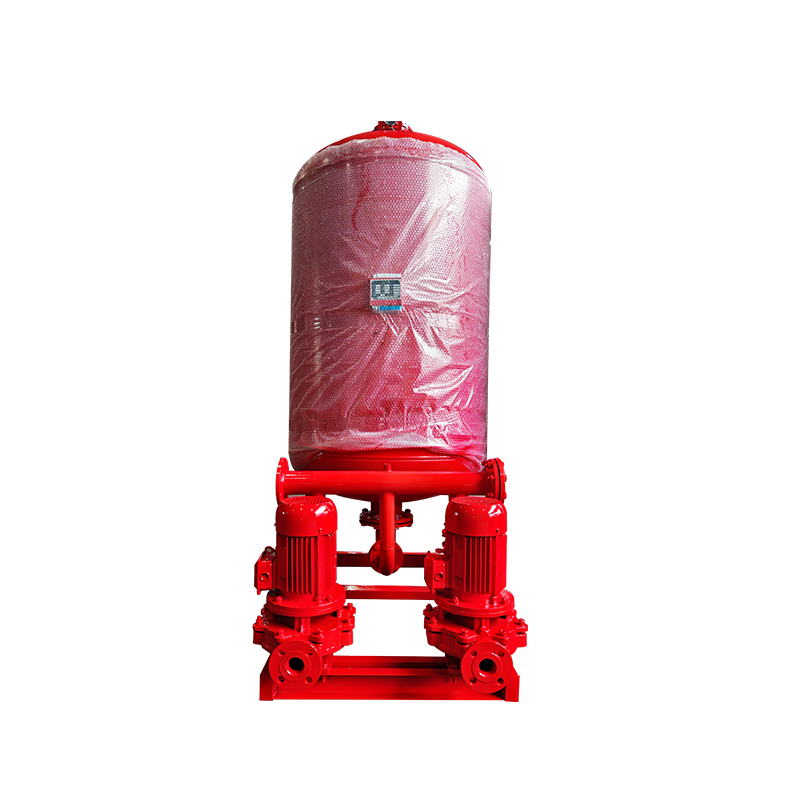
The Fire Fighting Air Pressure Water Supply Equipment typically consists of a pressure tank, pump un...
See Details -
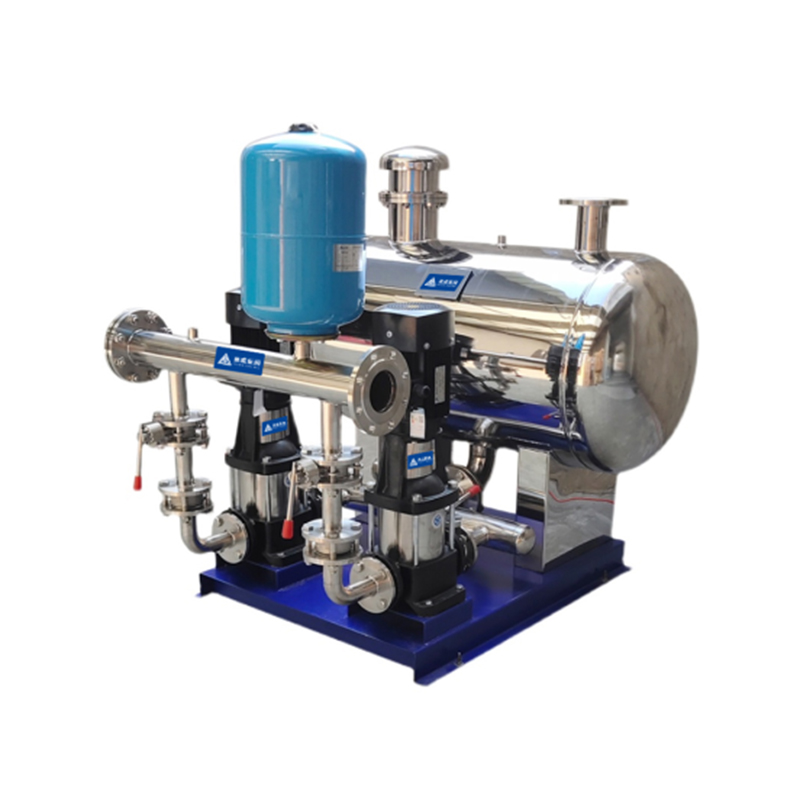
Non-negative pressure water supply equipment is a system composed of a non-negative pressure tank, p...
See Details -
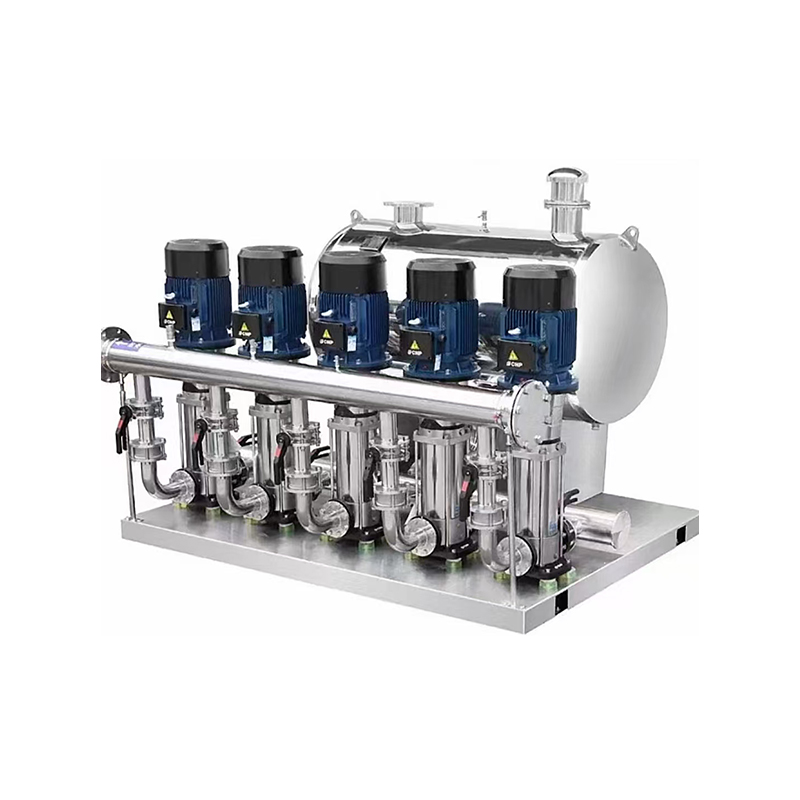
Traditional water supply methods rely heavily on water tanks, which are typically filled with water ...
See Details -
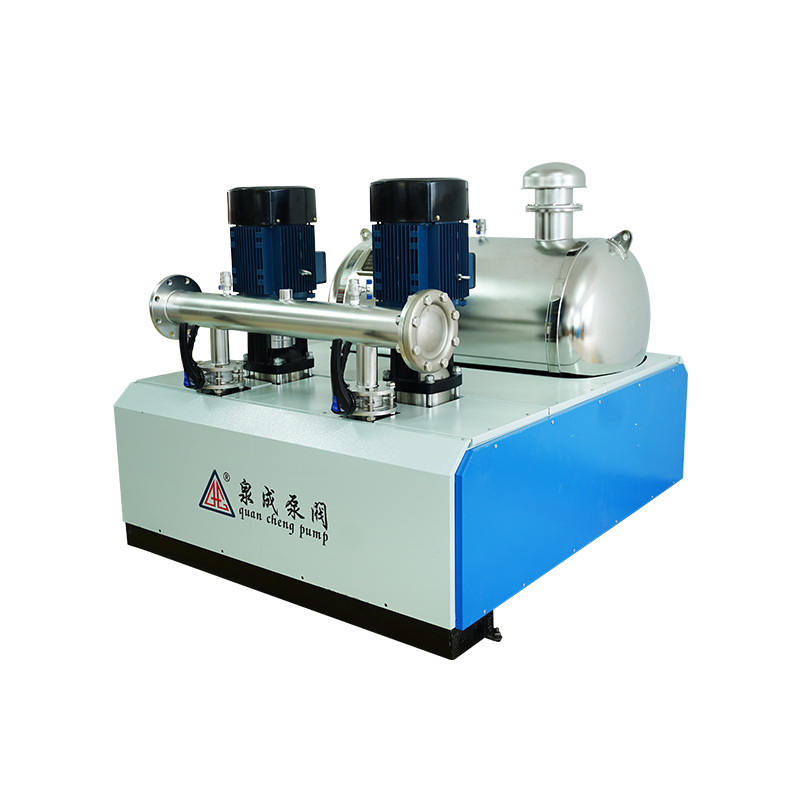
Product OverviewThe Non-negative Pressure Booster Steady Flow Water Supply Equipment uses the munici...
See Details -
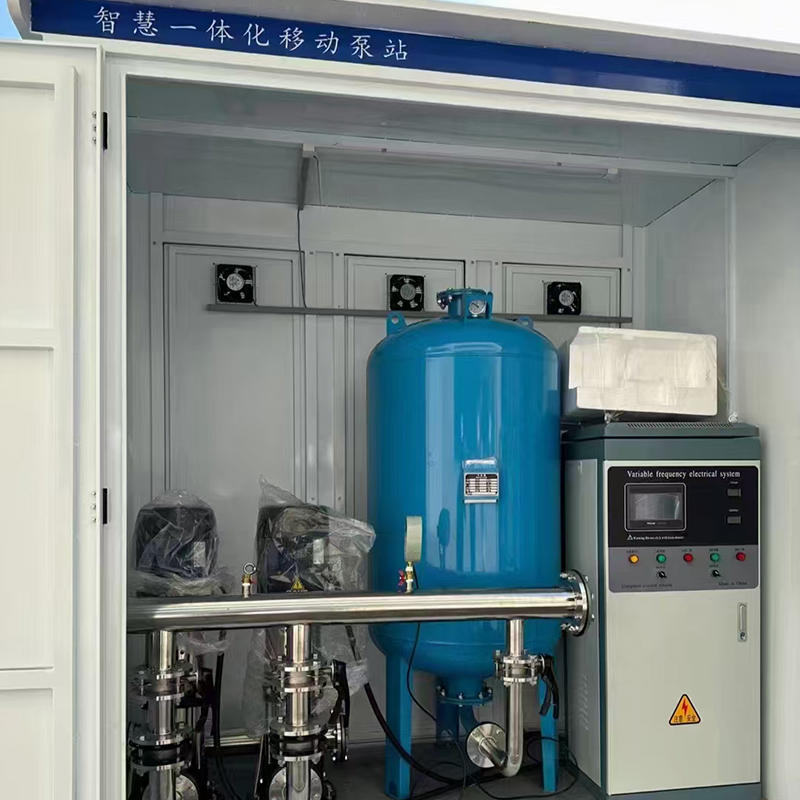
The Intelligent Constant Pressure Variable Frequency Water Supply Equipment is a water supply system...
See Details -
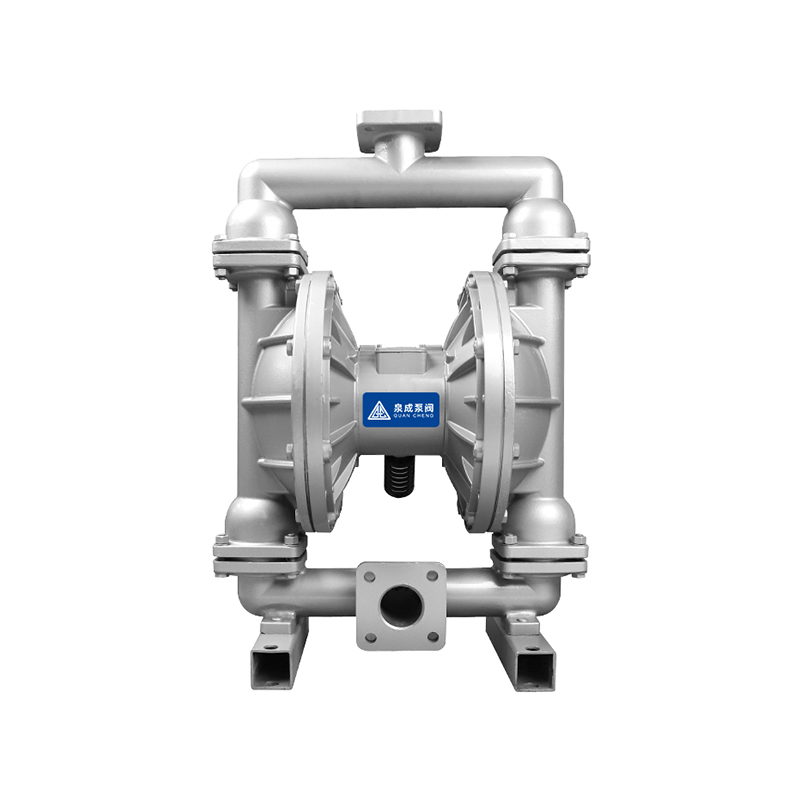
The QBY Air Operated Double Diaphragm Pump produced by our company is a new type of transport machin...
See Details
Copyright © Zhejiang Chuangken Fluid Co., Ltd. All Rights Reserved.
Intelligent Constant Pressure Water Supply System Factory
 浙公网安备33032402001888号
