

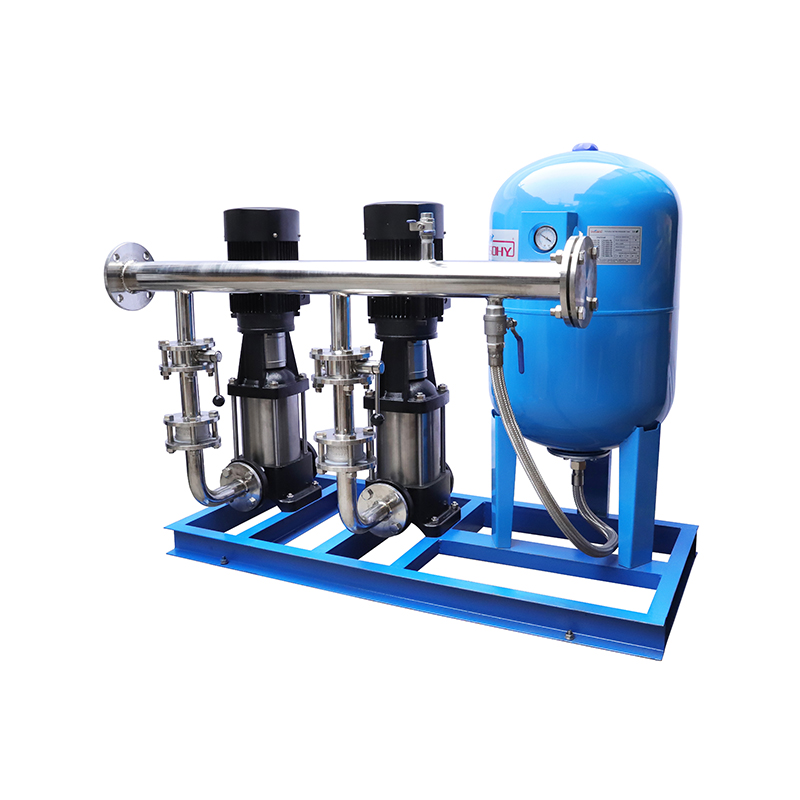
Full Automatic Constant Pressure Variable Frequency Water Supply Equipment is a new generation of hi...
See Details
How Multistage Pumps Factories Build Reliable Pump?
Industry News-Multistage pumps factories focus on manufacturing pumps that consist of multiple impellers mounted on a single shaft to generate higher pressure than single-stage pumps. These pumps are widely used in industries, water supply systems, boilers, and pressure boosting applications. A multistage pump is designed to move water or other fluids efficiently through pipelines, often over long distances or against elevated pressure requirements. Factories ensure that pumps are assembled accurately, tested for performance, and ready to meet diverse operational demands. The precision involved in manufacturing these pumps is essential, as even minor misalignment can affect efficiency and service life.
In a typical factory, production begins with component preparation. Casings, impellers, shafts, bearings, seals, and motors are sourced and inspected for quality. Each component is carefully machined or manufactured to precise specifications to ensure correct alignment during assembly. The impellers are then mounted on shafts at calculated intervals to achieve the desired pressure increase. Precision in spacing and alignment is critical for smooth operation and long-term reliability. Factories often use balancing machines and measurement tools to ensure the rotating elements perform without excess vibration, contributing to quieter operation and longer pump life.
Once the main pump assembly is complete, factories attach motors, couplings, and control mechanisms. Depending on the design, motors may be electric, diesel, or other compatible power sources. Factories often provide options such as different frame sizes, mounting styles, or protective housings to meet the specific needs of different industries. Special attention is given to balancing the impellers and shafts to reduce vibration and improve efficiency. Factories also include inspection of mechanical seals, lubrication systems, and alignment of bearings to prevent operational issues once the pump is in use.
After assembly, each pump undergoes rigorous performance testing. Factories operate pumps under controlled conditions to measure flow rate, pressure output, and energy consumption. These tests confirm that pumps meet design specifications and perform consistently under operational loads. Factories also test for noise, vibration, and temperature stability to ensure safe and reliable operation in field conditions. Units that meet these criteria are prepared for packaging and delivery. Some factories also provide optional factory witness testing or demonstration units, allowing operators to observe performance before shipment.
Multistage pumps produced in factories are used in municipal water supply, industrial processing, heating and cooling systems, and irrigation. Their ability to handle high-pressure applications makes them suitable for booster stations, pipelines, and boiler feed operations. Operators appreciate pumps that provide smooth flow and consistent pressure across multiple stages, ensuring stable performance for equipment or distribution networks. The ability to handle variable flow rates and long-distance pumping further demonstrates their versatility across diverse applications.
Maintenance considerations include monitoring bearings, seals, and alignment, as well as regular lubrication. Factories provide technical manuals, recommended maintenance schedules, and spare parts guidance to support operators in extending service life. Regular inspection of wear components, checking for unusual vibration or noise, and monitoring temperature and pressure readings help prevent unexpected downtime. Proper installation, careful start-up procedures, and operational monitoring are key to avoiding excessive wear or vibration. Operators also benefit from understanding the pump’s performance curves and adhering to recommended operating ranges to maintain efficiency and longevity.
Overall, multistage pumps factories combine precision engineering, careful assembly, and thorough testing to produce units that perform reliably in demanding conditions. By integrating quality control measures, providing technical support, and focusing on operational efficiency, these factories deliver pumps capable of meeting diverse industrial and municipal needs while ensuring that end-users receive dependable and consistent performance over the long term.
Related products
-
-
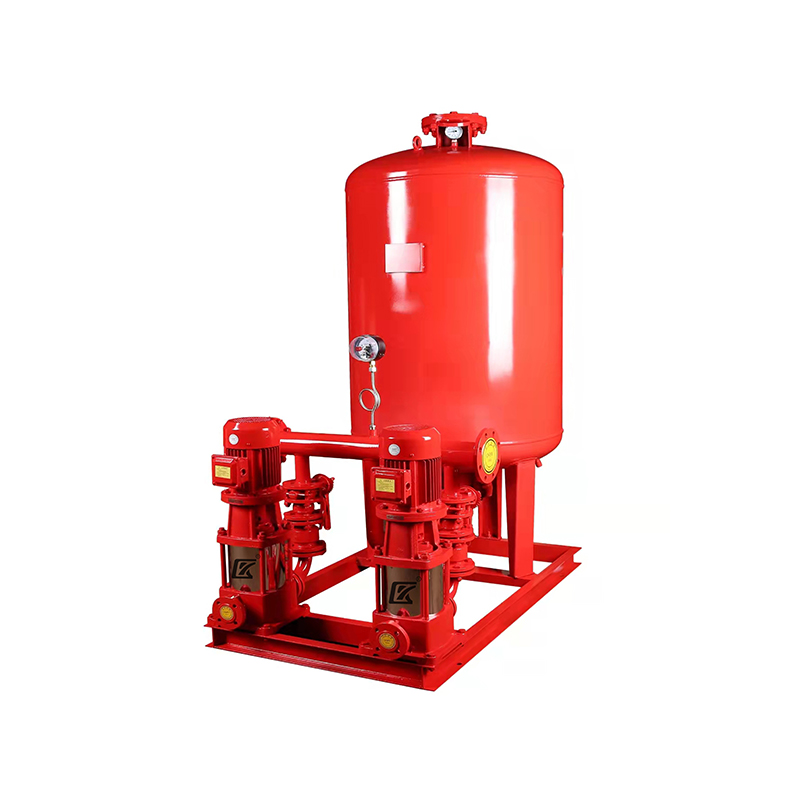
The Automatic Frequency Conversion Constant Pressure Fire Water Supply Equipment is designed and dev...
See Details -
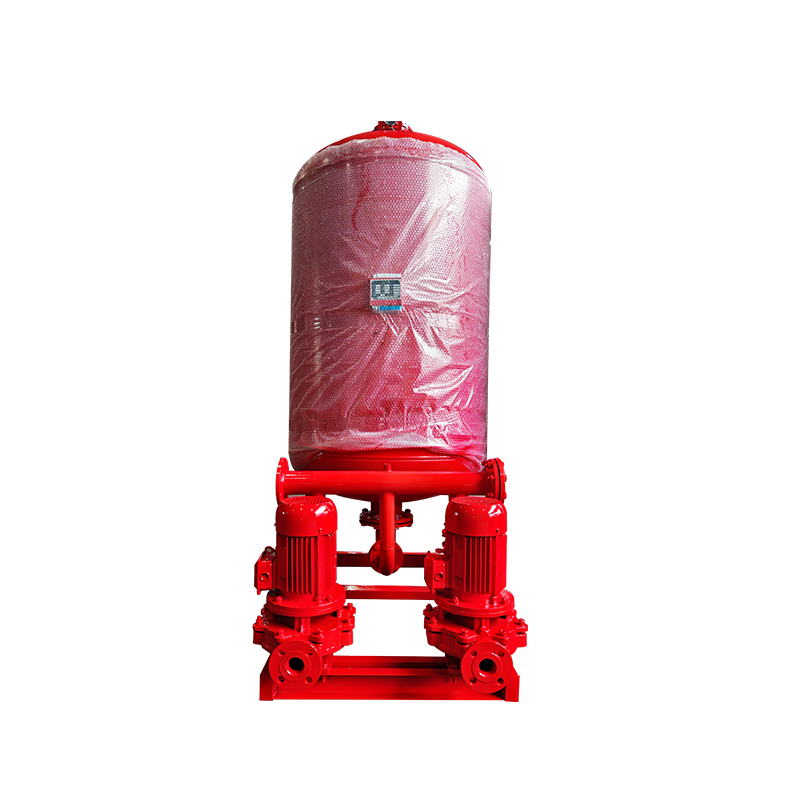
The Fire Fighting Air Pressure Water Supply Equipment typically consists of a pressure tank, pump un...
See Details -
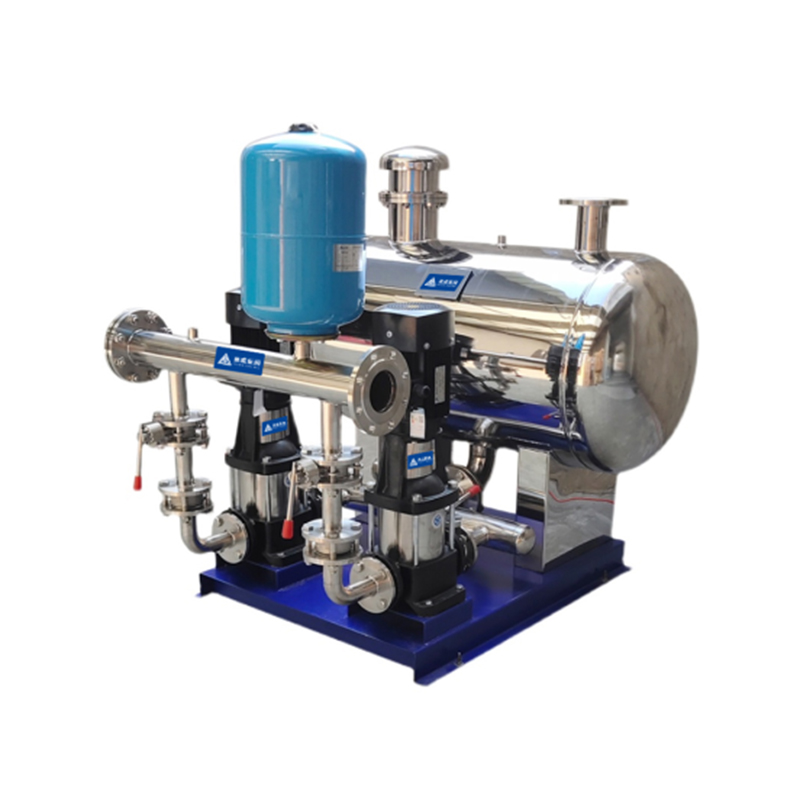
Non-negative pressure water supply equipment is a system composed of a non-negative pressure tank, p...
See Details -
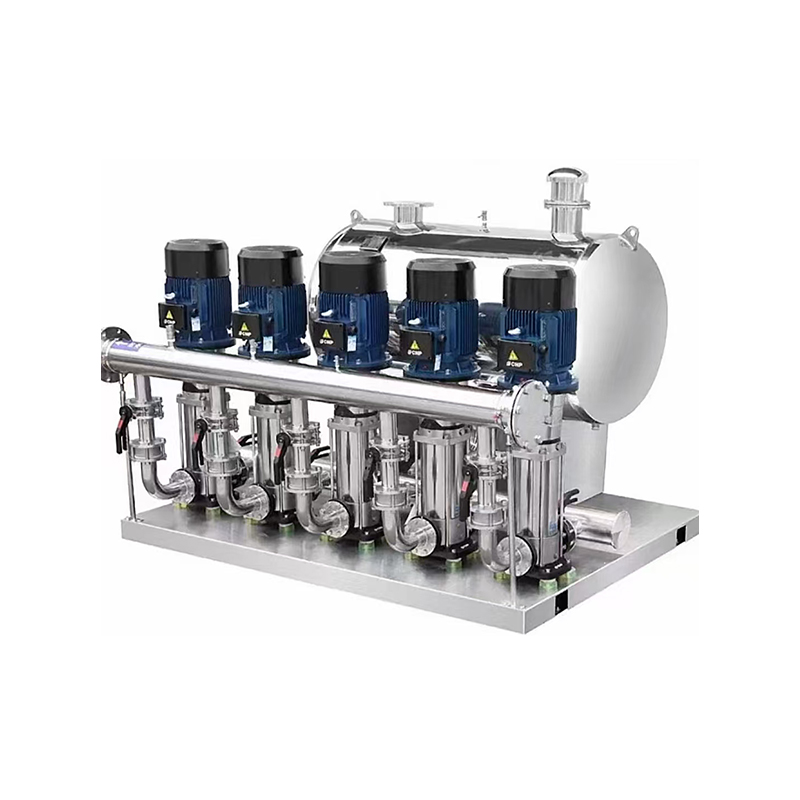
Traditional water supply methods rely heavily on water tanks, which are typically filled with water ...
See Details -
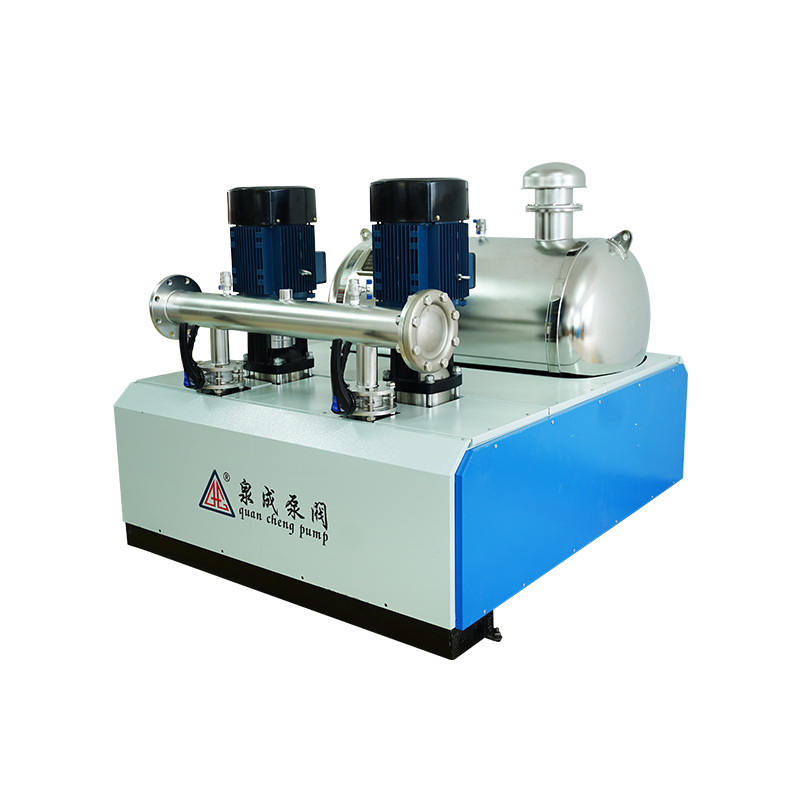
Product OverviewThe Non-negative Pressure Booster Steady Flow Water Supply Equipment uses the munici...
See Details -
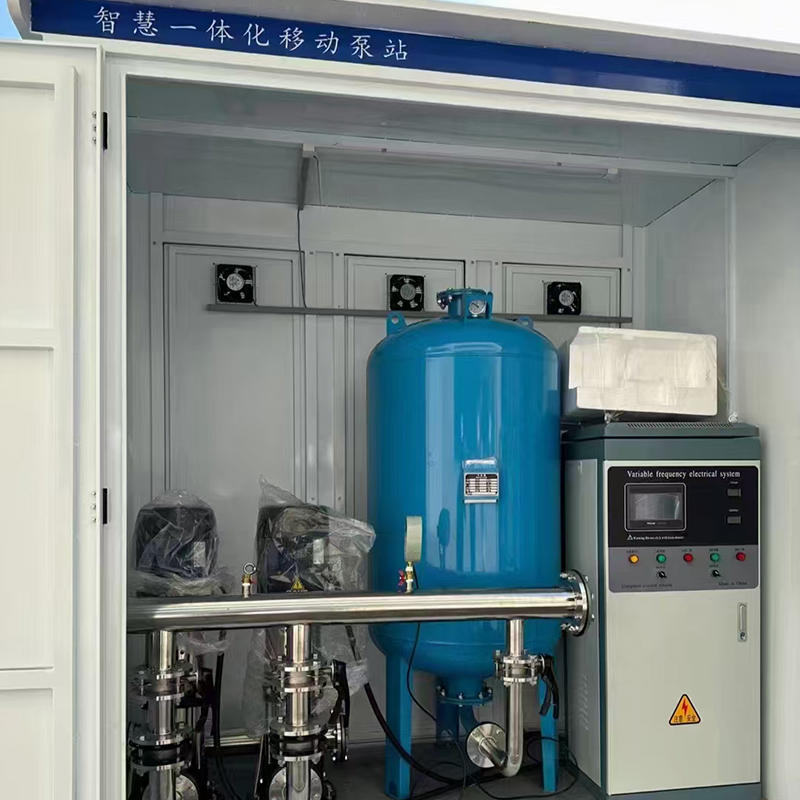
The Intelligent Constant Pressure Variable Frequency Water Supply Equipment is a water supply system...
See Details -
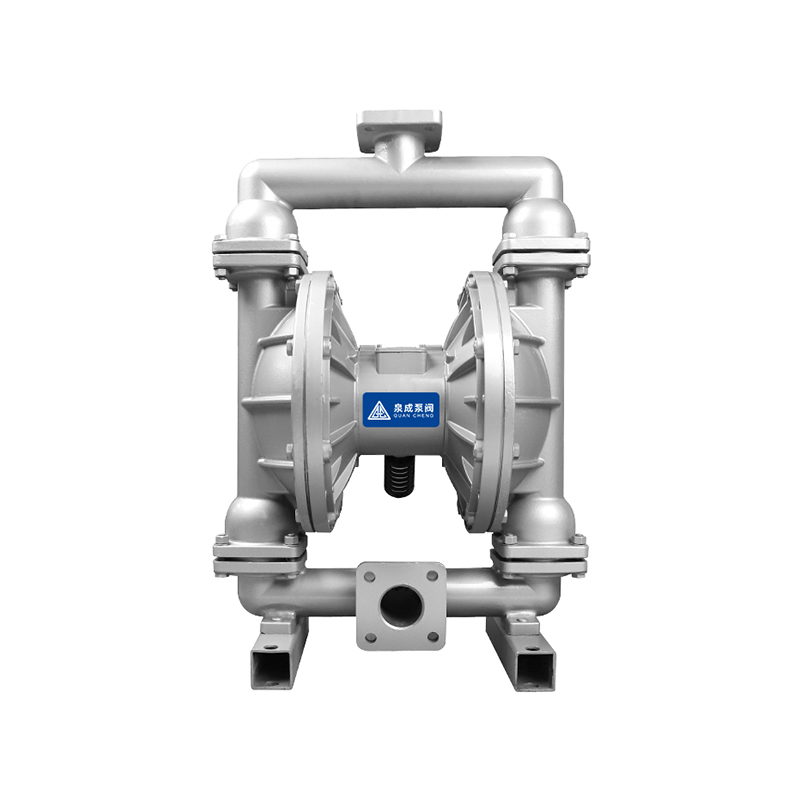
The QBY Air Operated Double Diaphragm Pump produced by our company is a new type of transport machin...
See Details
Copyright © Zhejiang Chuangken Fluid Co., Ltd. All Rights Reserved.
Intelligent Constant Pressure Water Supply System Factory
 浙公网安备33032402001888号
