

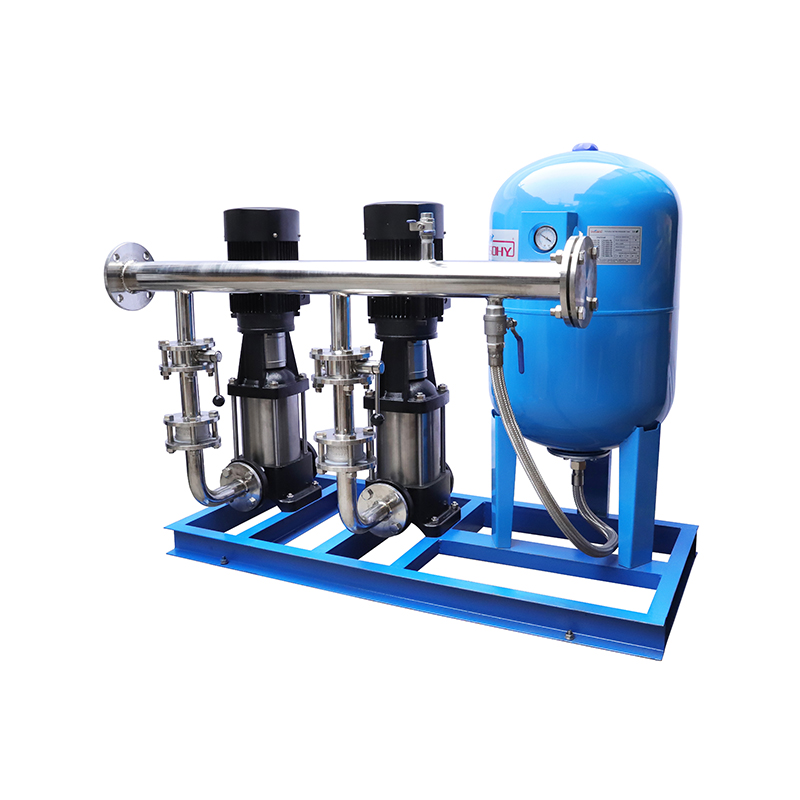
Full Automatic Constant Pressure Variable Frequency Water Supply Equipment is a new generation of hi...
See Details
Is Variable Frequency Constant Pressure Water Supply Unit Widely Applied?
Industry News-Traditional water supply systems often rely on fixed-speed pumps and pressure tanks, which can create inconsistent pressure levels during peak and off-peak usage periods. In contrast, Variable Frequency Constant Pressure Water Supply Unit systems use variable frequency drives to adjust pump motor speed in real time. This allows the system to respond directly to changes in water demand, maintaining a steady pressure level across multiple outlets. The result is a more stable water experience in high-rise buildings, hotels, hospitals, and large residential complexes.
Energy efficiency is one of the key reasons for the increasing adoption of this technology. Instead of running pumps at full speed continuously, variable frequency systems regulate motor output based on actual consumption needs. This reduces unnecessary energy use during low-demand periods. Smoother motor operation helps reduce mechanical wear, which can extend the service life of pumps and related components. Many facility managers view this as a practical way to manage long-term operational costs.
The system structure typically includes a control cabinet, pressure sensors, variable frequency drives, water pumps, and pipeline connections. Pressure sensors continuously monitor pipeline conditions and send feedback to the control system. Based on this data, the controller adjusts pump speed to maintain consistent pressure levels. This closed-loop control method allows precise regulation of water flow even when demand fluctuates rapidly.
In modern building design, water supply stability has become an important factor. High-rise residential towers require consistent water pressure across different floors, especially during peak usage times such as mornings and evenings. Variable Frequency Constant Pressure Water Supply Unit systems help address these challenges by balancing pressure distribution across the entire network. This improves user experience in bathrooms, kitchens, and shared facilities without requiring manual adjustments.
Industrial applications also benefit from this technology. Manufacturing plants often require stable water supply for cooling systems, cleaning processes, and production lines. Any fluctuation in pressure can affect process consistency and equipment performance. By maintaining stable pressure levels, variable frequency systems support smoother industrial operations and reduce interruptions caused by hydraulic instability.
Technological improvements in control systems have also contributed to the development of this equipment category. Modern controllers now include digital interfaces, remote monitoring capabilities, and fault detection functions. Operators can track system performance in real time, adjust settings remotely, and receive alerts when abnormal conditions occur. These features help maintenance teams respond more efficiently to system changes and potential issues.
Installation flexibility is another factor influencing market adoption. Variable Frequency Constant Pressure Water Supply Unit systems can be configured in different pump combinations depending on project scale and water demand requirements. Small residential buildings may use single-pump setups, while larger facilities may require multi-pump parallel systems. This scalability allows engineers to design water supply solutions tailored to specific project conditions.
Noise reduction is also a noticeable advantage compared to traditional fixed-speed pump systems. Because variable frequency drives allow gradual acceleration and deceleration, mechanical stress and vibration levels are reduced during operation. This creates a quieter working environment in residential and commercial buildings, especially in equipment rooms located near occupied spaces.
The growing interest in smart building infrastructure is another factor supporting market expansion. Variable Frequency Constant Pressure Water Supply Unit systems can be integrated into building management systems, allowing centralized control of water, electricity, and HVAC systems. This integration supports coordinated energy management across multiple building functions and improves operational visibility for facility managers.
Related products
-
-
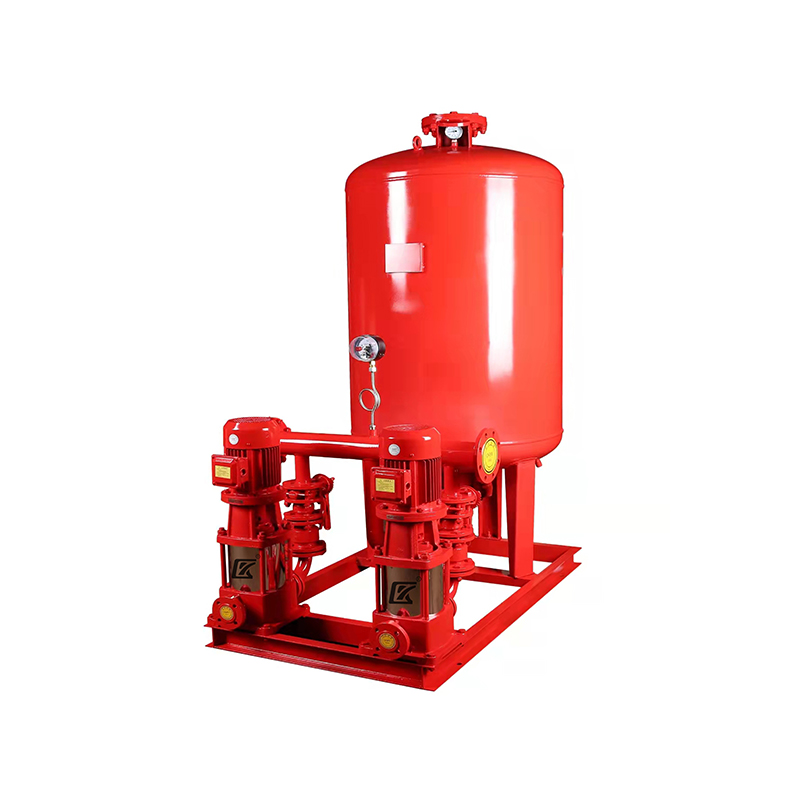
The Automatic Frequency Conversion Constant Pressure Fire Water Supply Equipment is designed and dev...
See Details -
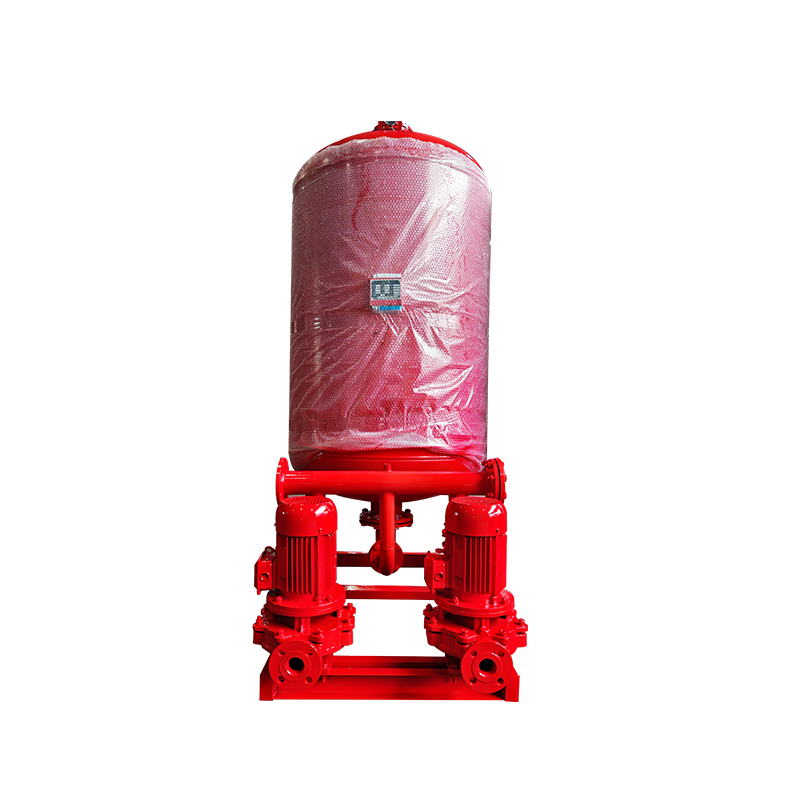
The Fire Fighting Air Pressure Water Supply Equipment typically consists of a pressure tank, pump un...
See Details -
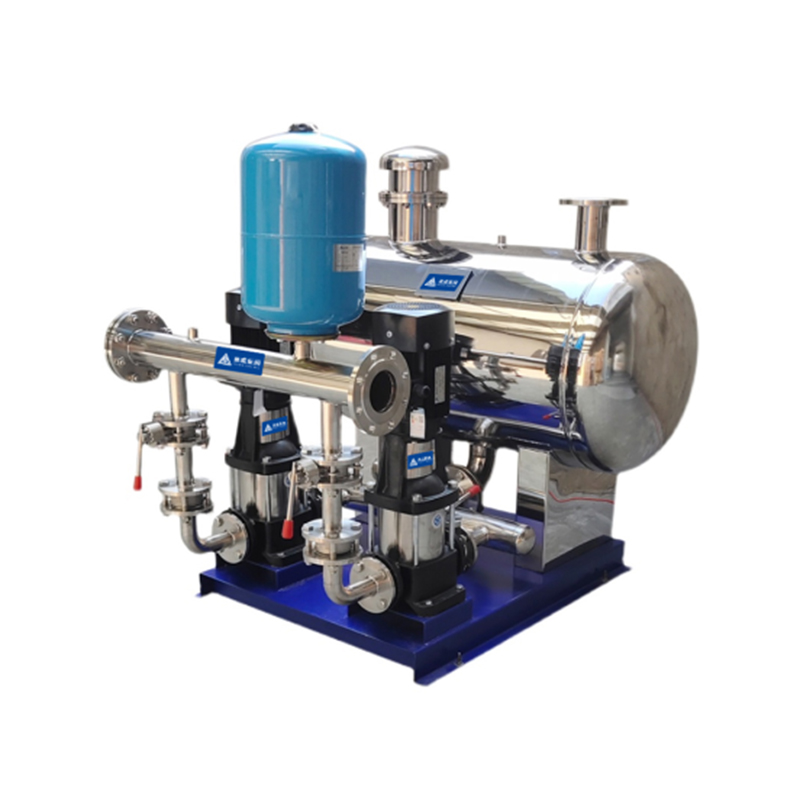
Non-negative pressure water supply equipment is a system composed of a non-negative pressure tank, p...
See Details -
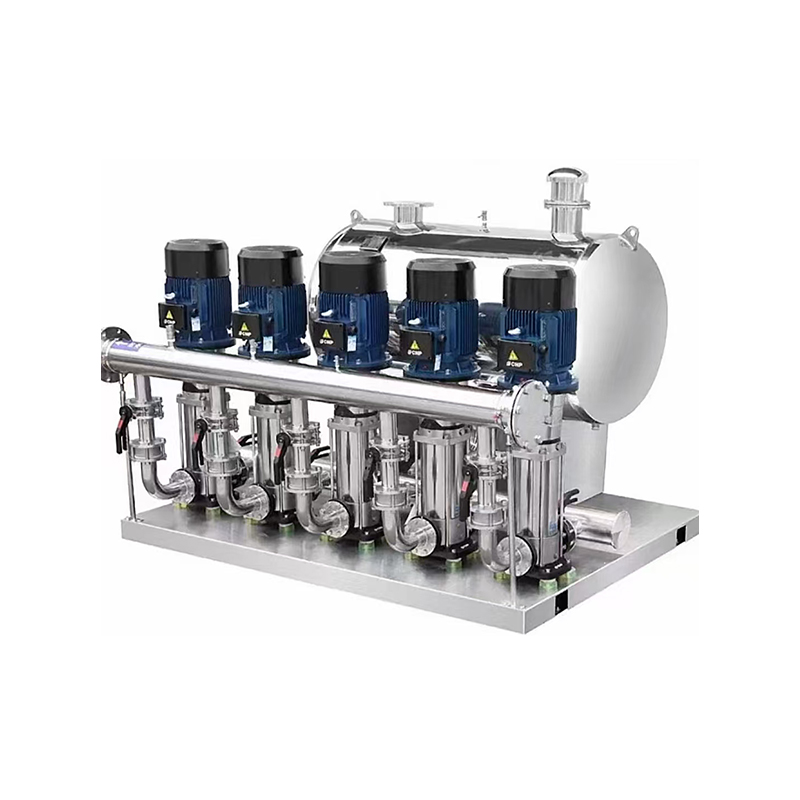
Traditional water supply methods rely heavily on water tanks, which are typically filled with water ...
See Details -
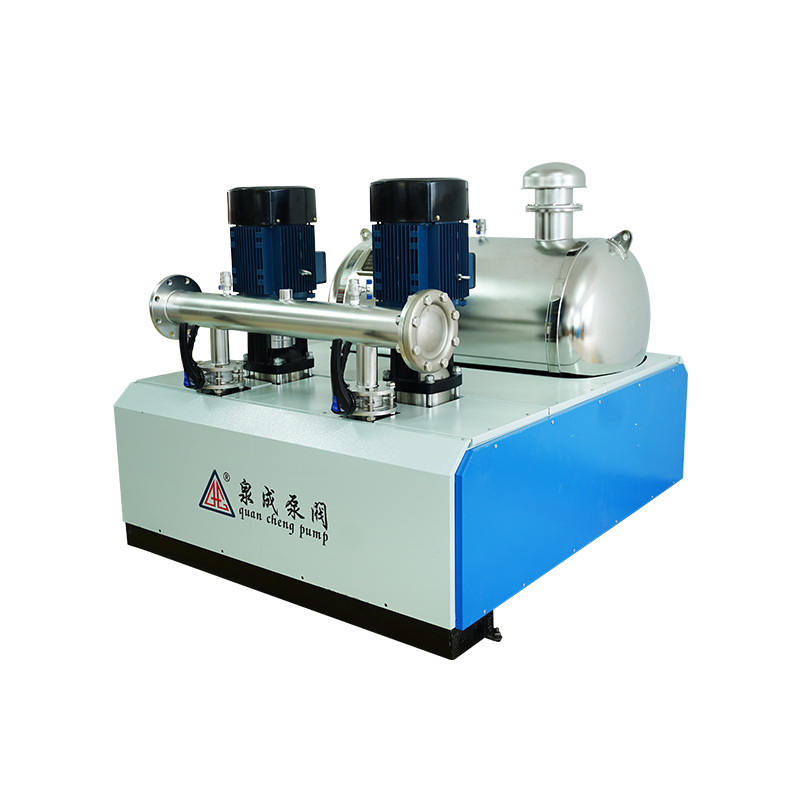
Product OverviewThe Non-negative Pressure Booster Steady Flow Water Supply Equipment uses the munici...
See Details -
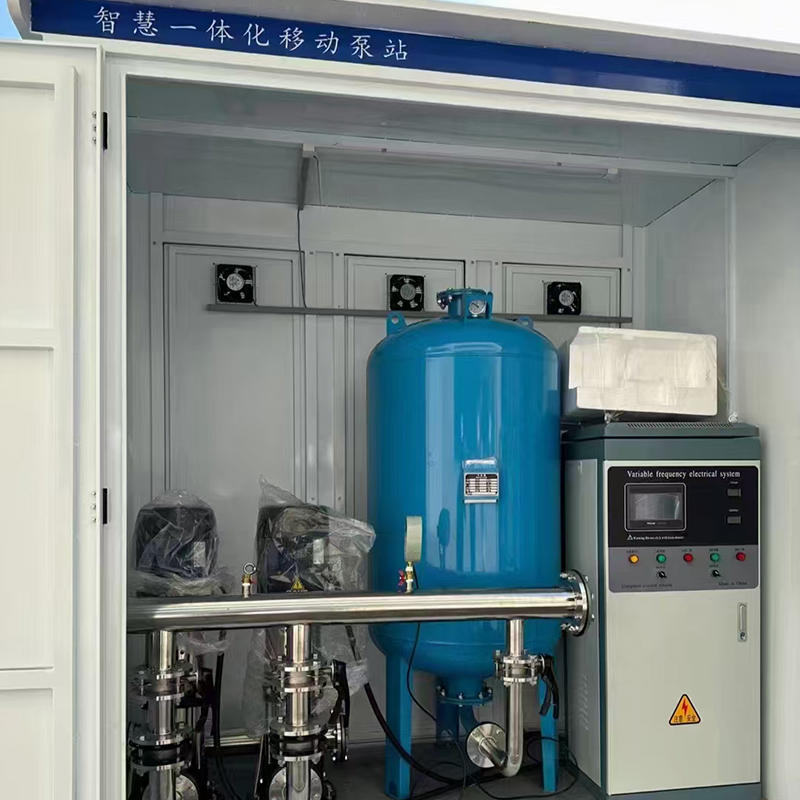
The Intelligent Constant Pressure Variable Frequency Water Supply Equipment is a water supply system...
See Details -
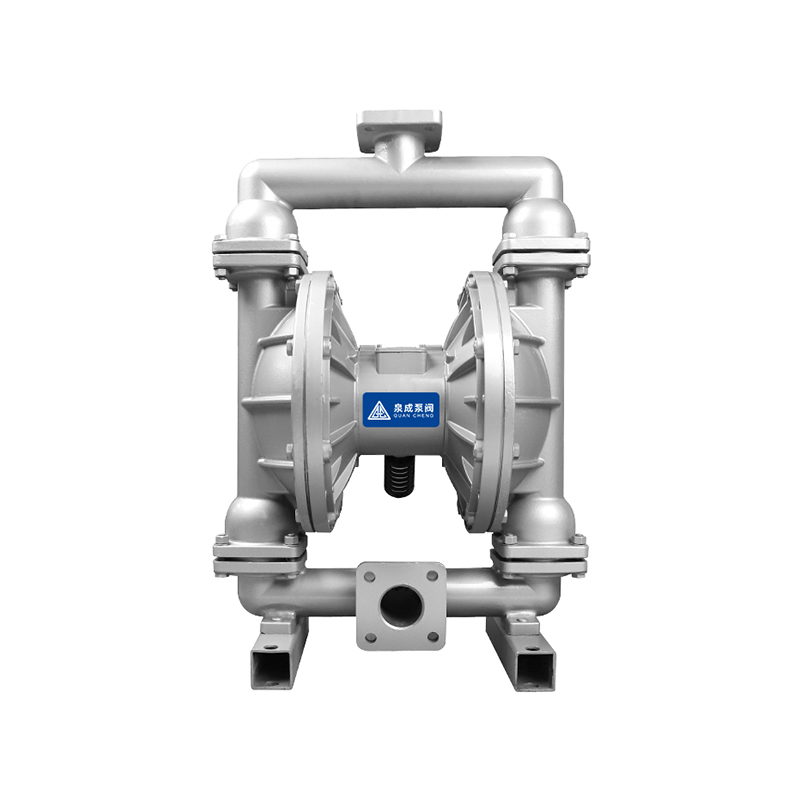
The QBY Air Operated Double Diaphragm Pump produced by our company is a new type of transport machin...
See Details
Copyright © Zhejiang Chuangken Fluid Co., Ltd. All Rights Reserved.
Intelligent Constant Pressure Water Supply System Factory
 浙公网安备33032402001888号
