

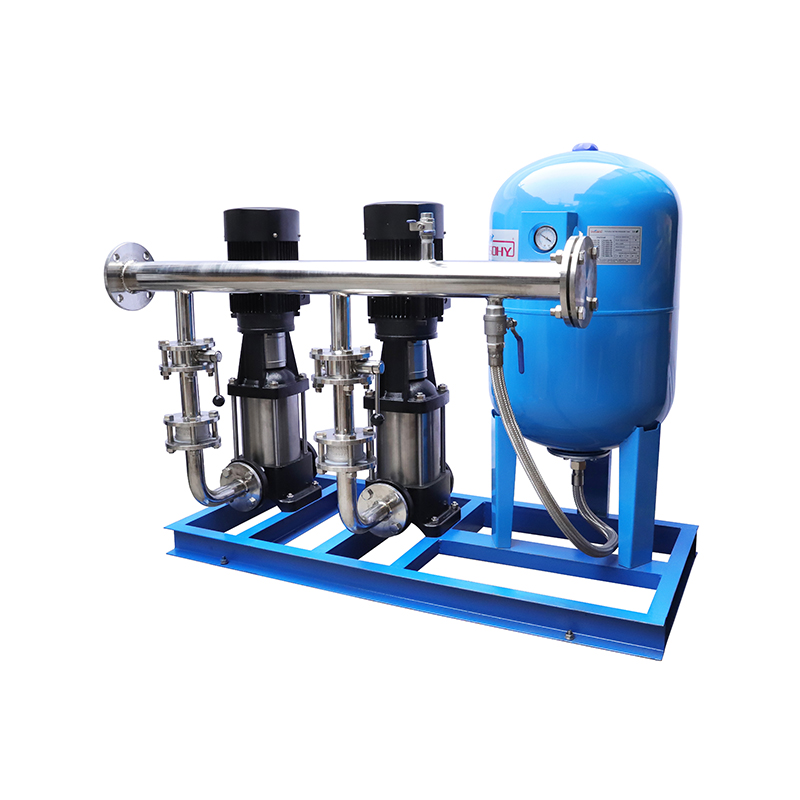
Full Automatic Constant Pressure Variable Frequency Water Supply Equipment is a new generation of hi...
See Details
Jockey Pump And Its Daily Pressure Routine
Industry News-A Small Pump With A Big Responsibility
In many water supply and fire protection systems, the Jockey Pump operates quietly in the background, maintaining pressure levels and ensuring system readiness at all times. Although smaller than primary pumps, its function carries significant importance.
A company's product range includes vertical multistage Jockey Pump models and horizontal configurations, each suited to different installation conditions. These pumps are commonly integrated into fire protection systems, industrial water networks, and high-rise building infrastructure. Engineers focus on achieving consistent pressure control, ensuring that pipelines remain within designated pressure ranges without sudden fluctuations.
Material selection forms the foundation of every product. Stainless steel components are often used in impellers and pump casings, providing structural strength and resistance to wear. Shafts, seals, and bearings are selected based on their ability to operate under continuous conditions. Each material undergoes inspection before entering production, ensuring compatibility with system requirements and operational demands.
Design Built Around Precision Control
The design of a Jockey Pump centers on maintaining stable pressure within a closed system. Engineers calculate flow rates and pressure thresholds carefully, ensuring that the pump responds accurately to minor pressure drops. When a slight decrease occurs, the pump activates automatically, restoring balance without triggering the main pump system. This precise response reduces unnecessary energy consumption and supports consistent system performance.
Attention to hydraulic design is essential. Multistage impellers are arranged in sequence, allowing gradual pressure increases within the pump. This configuration supports smooth water movement and stable output. Designers use simulation tools to analyze internal flow patterns, refining component geometry to achieve reliable performance.
Control systems also play an important role. Pressure sensors monitor pipeline conditions continuously, sending signals to control panels that manage pump operation. These control units are programmed to activate and deactivate the pump based on predefined pressure settings. Indicator displays provide real-time feedback, allowing operators to observe system status easily.
External design considerations ensure that the pump integrates smoothly into different environments. Compact structures support installation in limited spaces, while standardized connections simplify integration into existing pipelines. The arrangement of components allows technicians to access key parts during installation and inspection without difficulty.
Crafting The Pump Step By Step
Inside the manufacturing facility, the production of each Jockey Pump follows a structured process. Raw materials enter machining workshops where CNC equipment shapes pump components to precise dimensions. Casings are drilled and milled to create smooth internal surfaces, supporting efficient fluid movement. Shafts are turned and polished, ensuring accurate alignment during operation.
Impeller production requires careful balancing. Each impeller is tested to confirm even weight distribution, reducing vibration during rotation. Technicians adjust components as needed, ensuring that the final assembly operates smoothly. Bearings and seals are prepared separately, undergoing inspection before installation.
Assembly brings together all individual components into a complete unit. Workers follow detailed procedures to install shafts, impellers, and seals in the correct sequence. Fasteners are tightened using controlled torque tools, ensuring secure connections without damaging components. Motors are mounted and aligned precisely, forming the core driving mechanism of the pump.
Electrical systems are integrated during assembly. Wiring connections are arranged neatly, supporting clear signal transmission between sensors and control units. Control panels are configured to match the specifications of each pump model, ensuring compatibility with system requirements.
Quality control measures accompany every stage of production. Measurements are taken to verify dimensions, and visual inspections confirm surface quality. Any irregularities are addressed before the pump proceeds to the next stage. This attention to detail helps maintain consistency across all manufactured units.
Related products
-
-
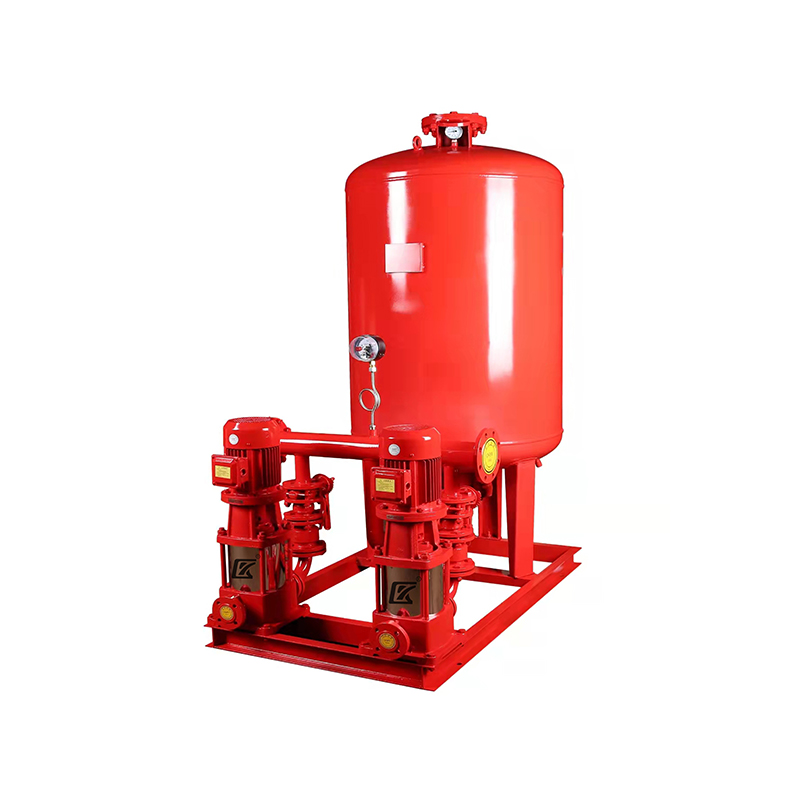
The Automatic Frequency Conversion Constant Pressure Fire Water Supply Equipment is designed and dev...
See Details -
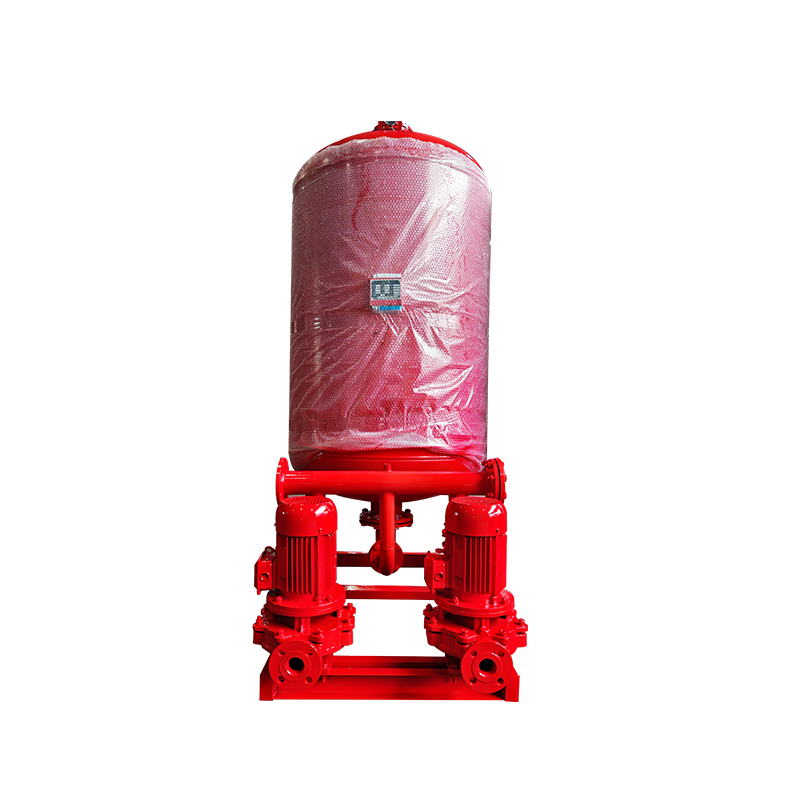
The Fire Fighting Air Pressure Water Supply Equipment typically consists of a pressure tank, pump un...
See Details -
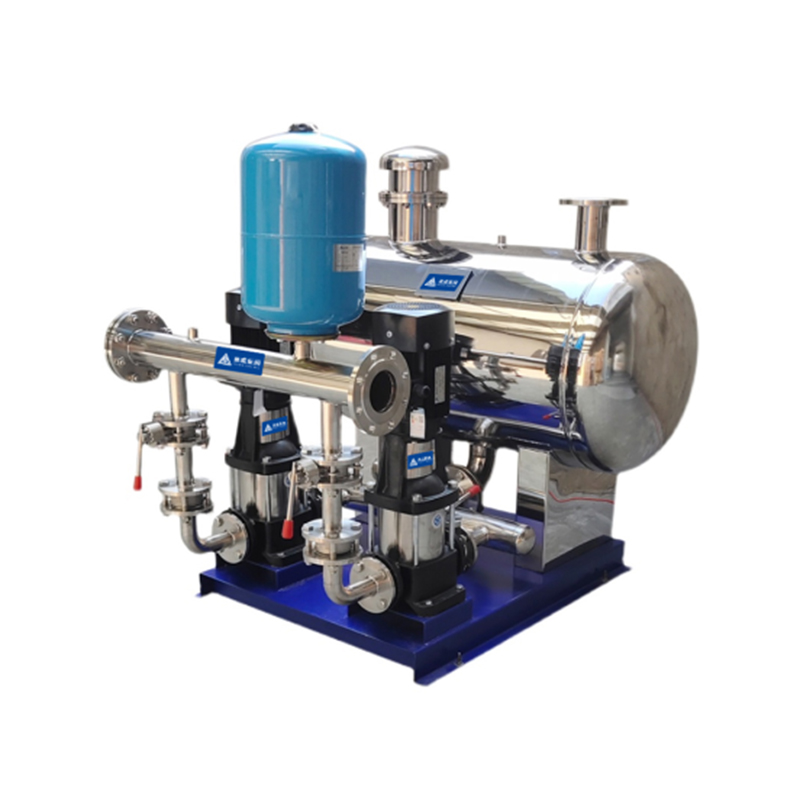
Non-negative pressure water supply equipment is a system composed of a non-negative pressure tank, p...
See Details -
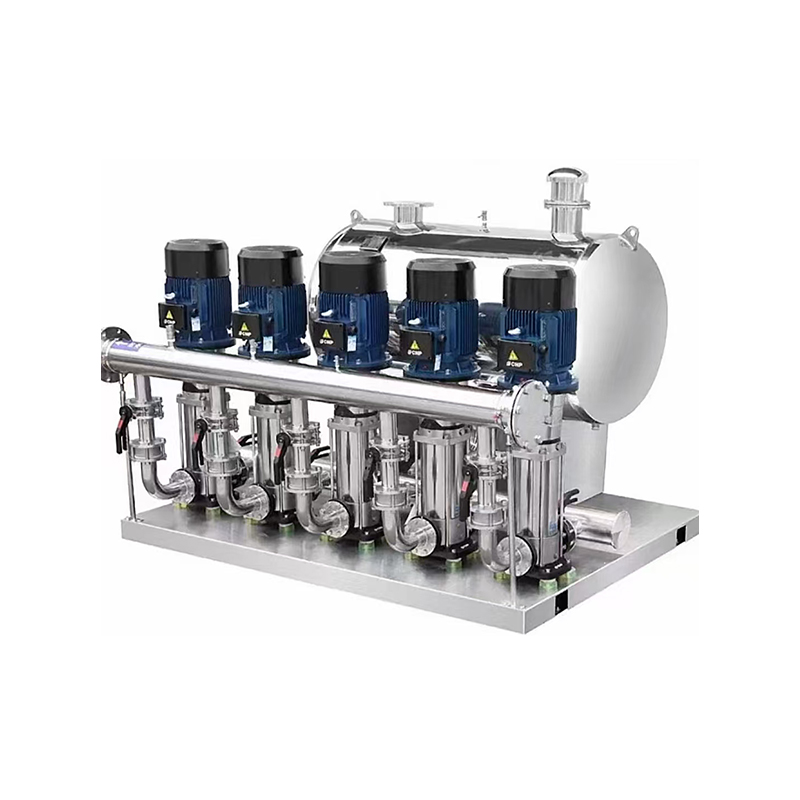
Traditional water supply methods rely heavily on water tanks, which are typically filled with water ...
See Details -
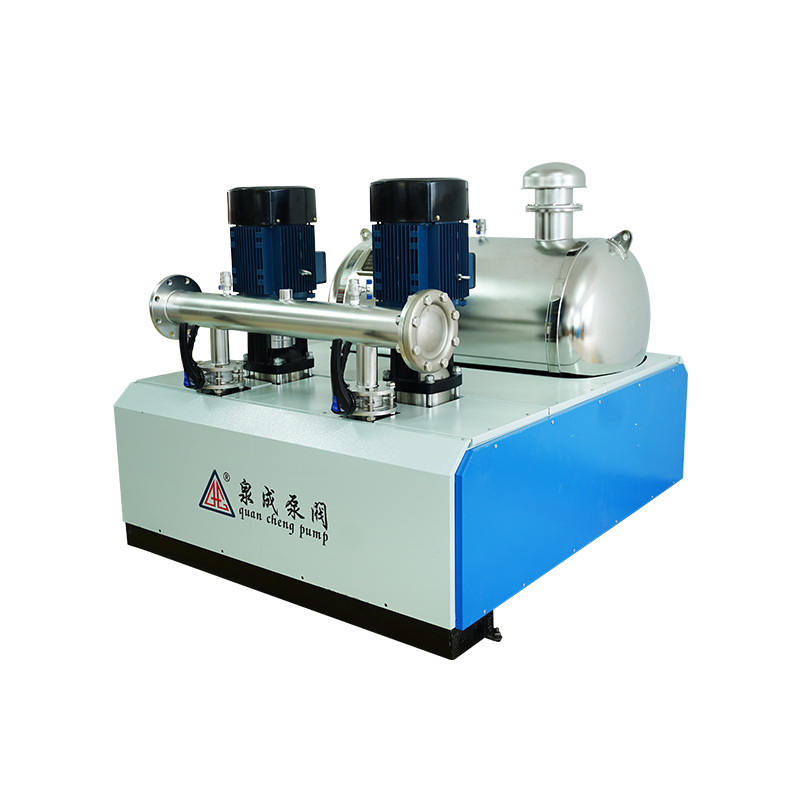
Product OverviewThe Non-negative Pressure Booster Steady Flow Water Supply Equipment uses the munici...
See Details -
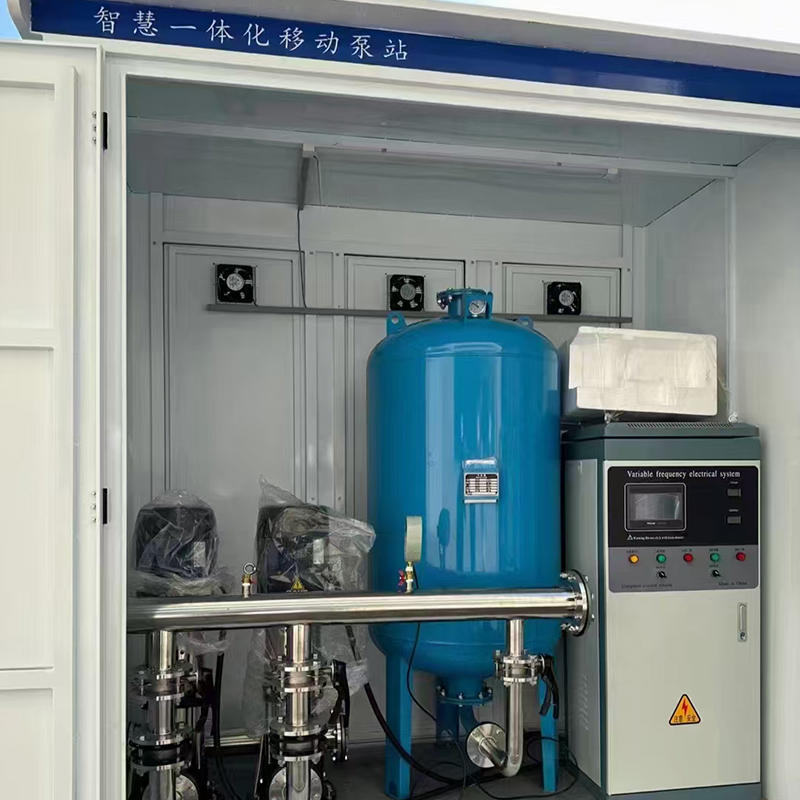
The Intelligent Constant Pressure Variable Frequency Water Supply Equipment is a water supply system...
See Details -
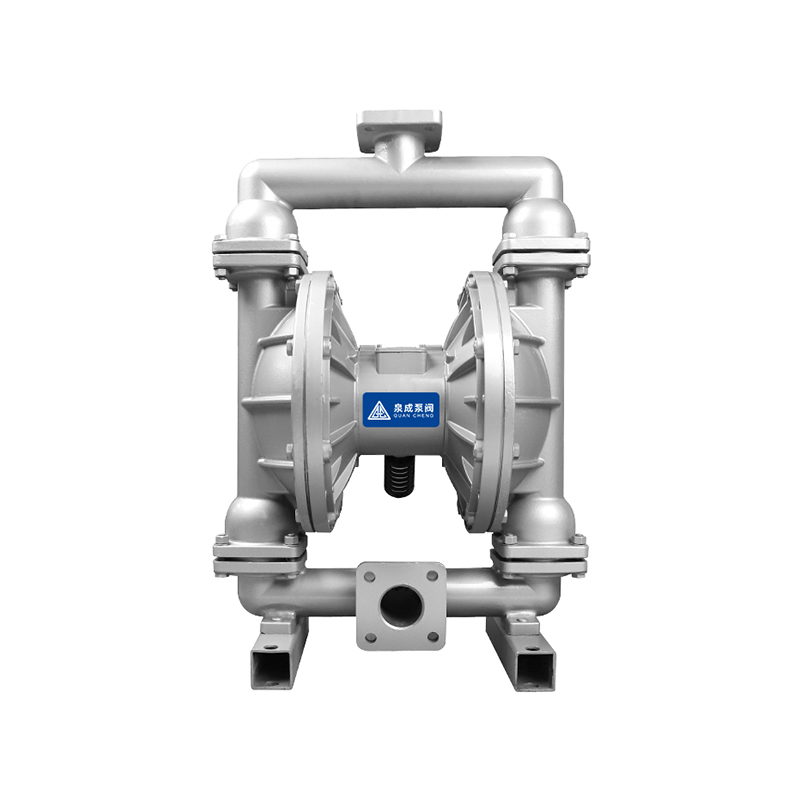
The QBY Air Operated Double Diaphragm Pump produced by our company is a new type of transport machin...
See Details
Copyright © Zhejiang Chuangken Fluid Co., Ltd. All Rights Reserved.
Intelligent Constant Pressure Water Supply System Factory
 浙公网安备33032402001888号
