

Full Automatic Constant Pressure Variable Frequency Water Supply Equipment is a new generation of hi...
See Details
Self-priming Pump: Solving the Air Lock Problem
Industry News-Many centrifugal pumps need their casing filled with liquid before they can start moving fluid — no exceptions, no workarounds. A self-priming pump solves that particular headache by clearing air out of the suction line on its own, without an operator manually filling the line first. For industries dealing with fluctuating liquid levels, that difference changes how equipment gets specified from the start.
The Core Mechanism Behind Self-Priming
A self-priming pump keeps a reservoir of liquid inside its casing even after shutdown. When the pump restarts, this retained liquid mixes with the air pulled in from the suction line, creating a liquid-air mixture the impeller can move. That mixture gets separated inside the casing — air escapes through the discharge, liquid recirculates back to continue the priming cycle — until the air pocket clears and normal pumping resumes.
This cycle typically takes anywhere from under a minute to several minutes, depending on suction lift height, pipe diameter, and how much air needs clearing. Engineers specifying a self-priming pump for a particular application usually look closely at this priming time, since it affects how quickly a system responds after a dry start or after liquid levels drop below the suction inlet.
Where the Design Shows Its Value
Applications with variable liquid levels are where a self-priming pump earns its keep. Construction dewatering, wastewater transfer, and tank drainage all involve suction conditions that shift constantly — sometimes the suction line sits fully submerged, sometimes it doesn't. A standard centrifugal pump would need manual priming every time air entered the line, which isn't practical on a job site where conditions change hour to hour.
Chemical processing and industrial transfer operations also lean on this pump type when handling liquids that can't be left standing in exposed suction lines, or when the pump sits above the liquid source rather than below it. In configurations where a flooded suction isn't feasible, a self-priming pump becomes less of a convenience and more of a practical requirement.
Internal Components That Enable Priming
Inside a self-priming pump, the casing geometry is shaped specifically to trap the liquid reservoir needed for re-priming. Many designs include a separation chamber above or beside the impeller, where air bubbles rise and escape while liquid drops back down to rejoin the recirculation path. Impeller design also plays a role — some models use a recessed or semi-open impeller to handle the air-liquid mixture without excessive wear during the priming phase.
Material selection varies by application. Cast iron and stainless steel casings appear often in industrial settings, while lighter aluminum or engineered polymer bodies show up in portable units used for construction or emergency dewatering, where weight and mobility matter as much as pumping capacity.
Matching Pump Type to the Job
Not every application calls for a self-priming pump. If the suction line stays flooded at all times and air entry isn't a concern, a standard centrifugal pump often does the job with less complexity and fewer internal components to wear over time. The self-priming design earns its added cost and complexity specifically in situations where suction conditions are unpredictable, intermittent, or above the fluid source.
Flow rate, total head, and the viscosity of the liquid being handled all factor into selecting the right self-priming pump for a given system. Pumps designed for clear water behave differently than those built to handle solids-laden wastewater or slurry, and matching the internal clearances and materials to the actual fluid prevents a mismatch between pump capability and job requirements.
Related products
-
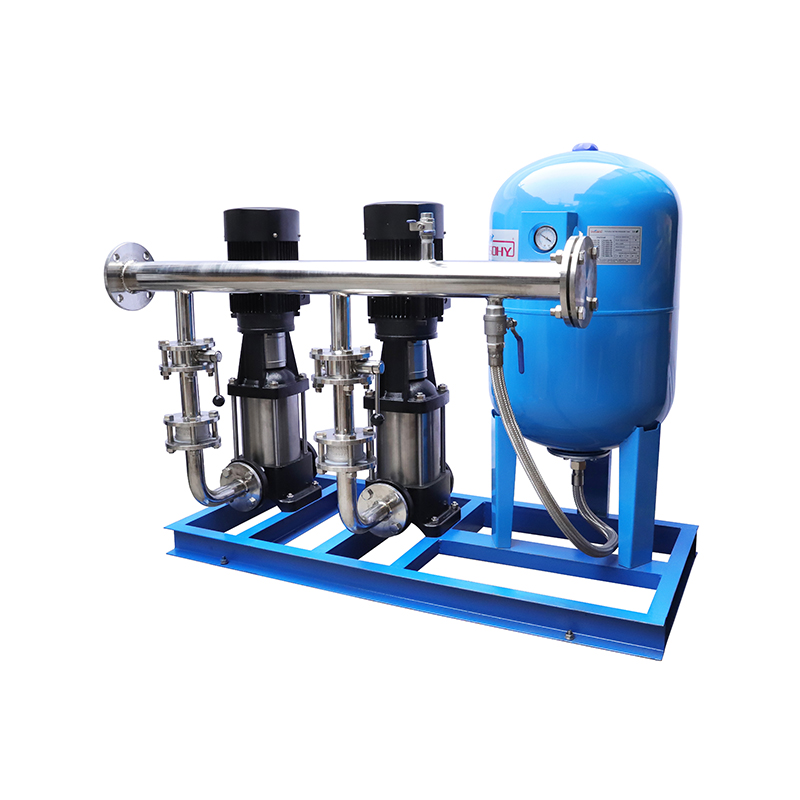
-
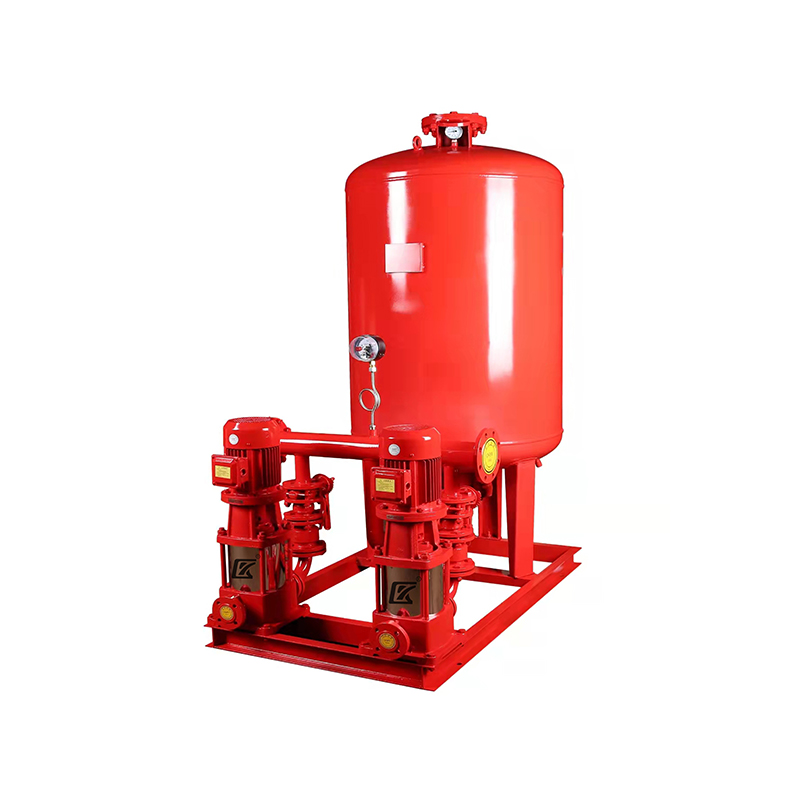
The Automatic Frequency Conversion Constant Pressure Fire Water Supply Equipment is designed and dev...
See Details -
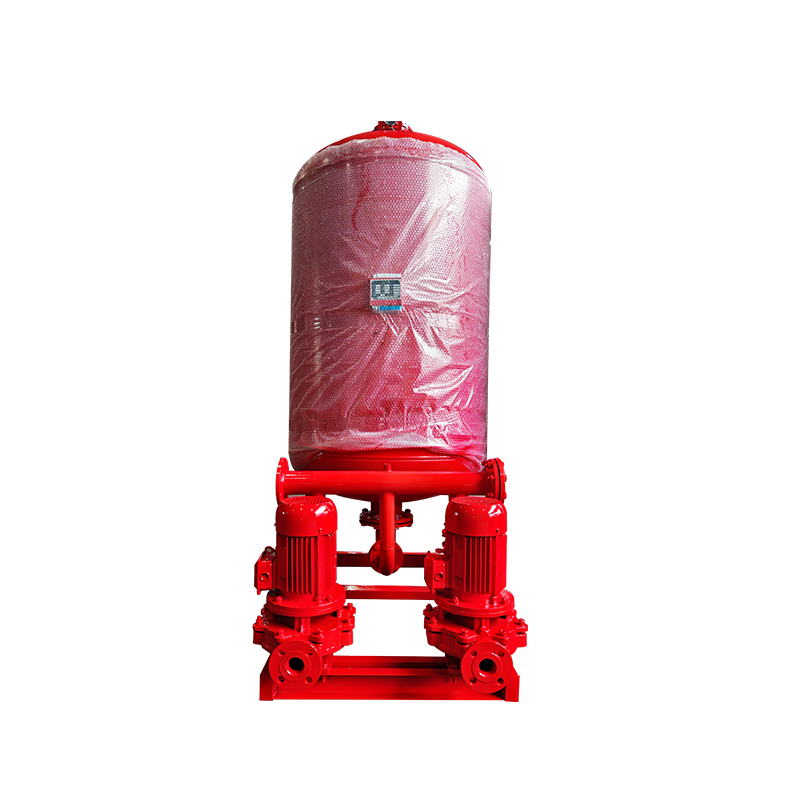
The Fire Fighting Air Pressure Water Supply Equipment typically consists of a pressure tank, pump un...
See Details -
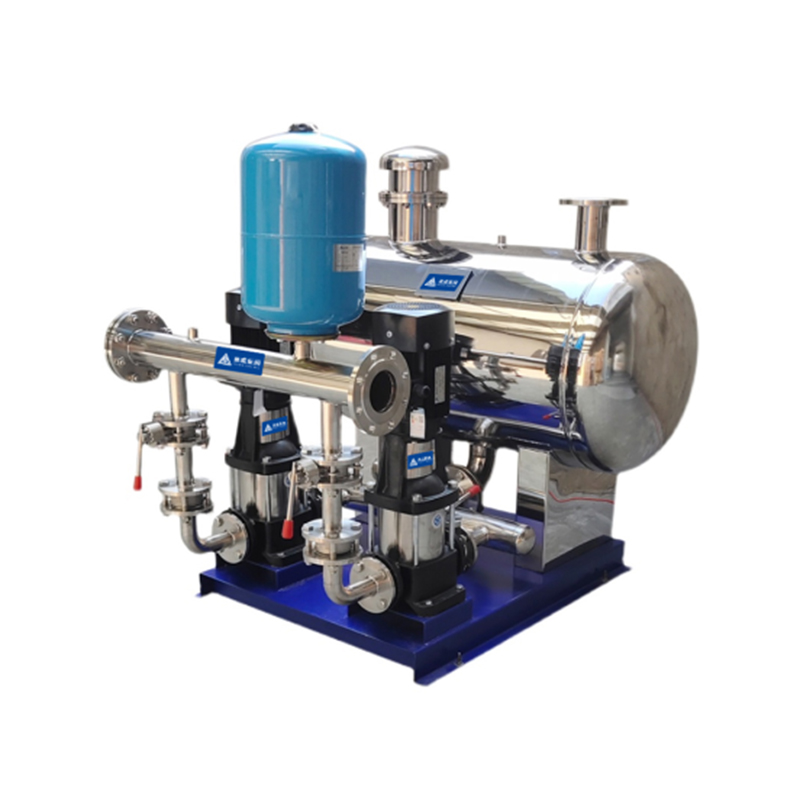
Non-negative pressure water supply equipment is a system composed of a non-negative pressure tank, p...
See Details -
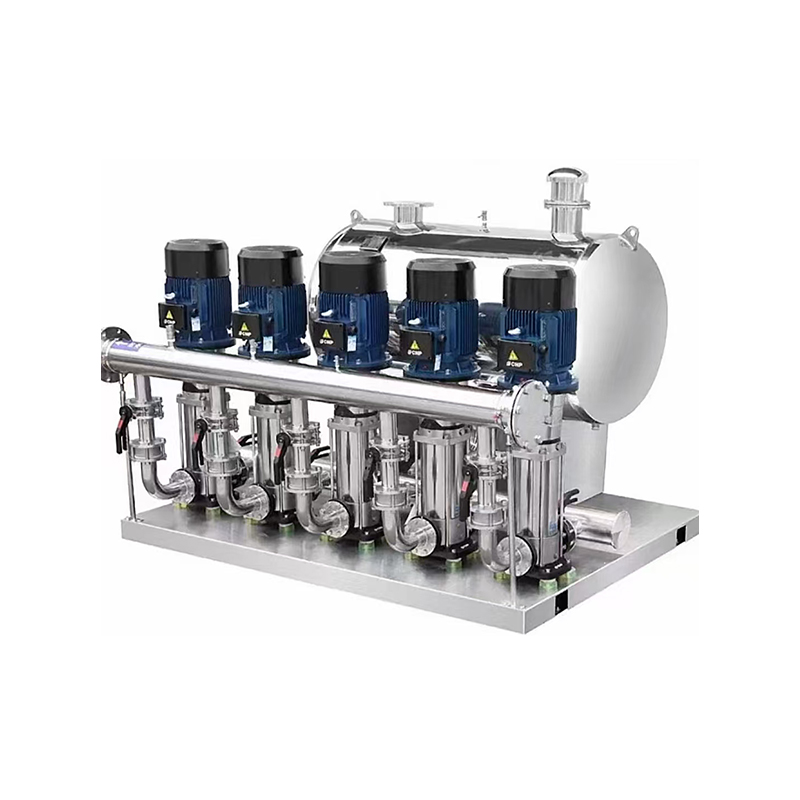
Traditional water supply methods rely heavily on water tanks, which are typically filled with water ...
See Details -
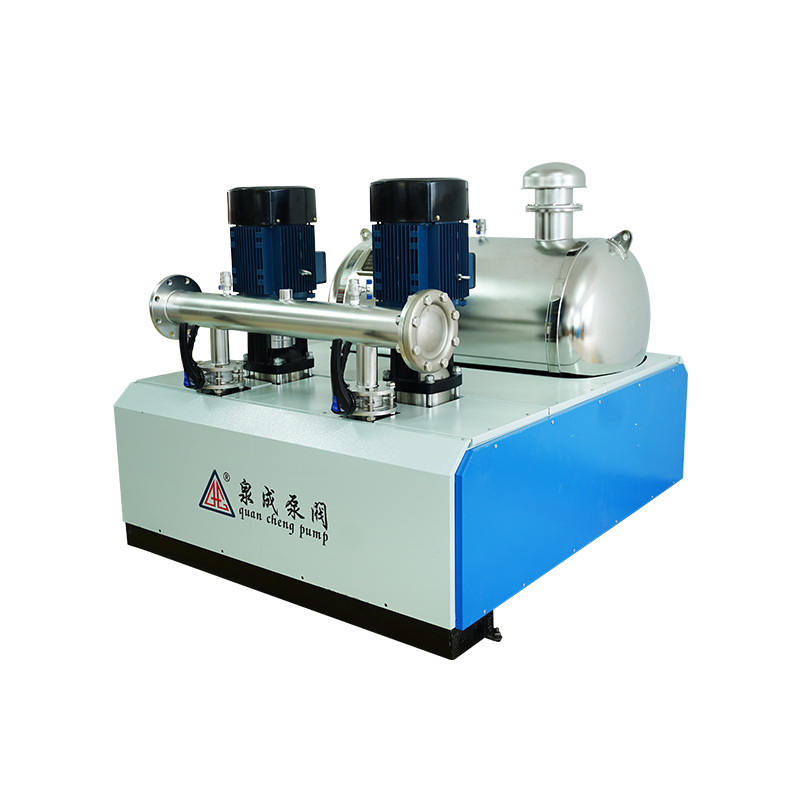
Product OverviewThe Non-negative Pressure Booster Steady Flow Water Supply Equipment uses the munici...
See Details -
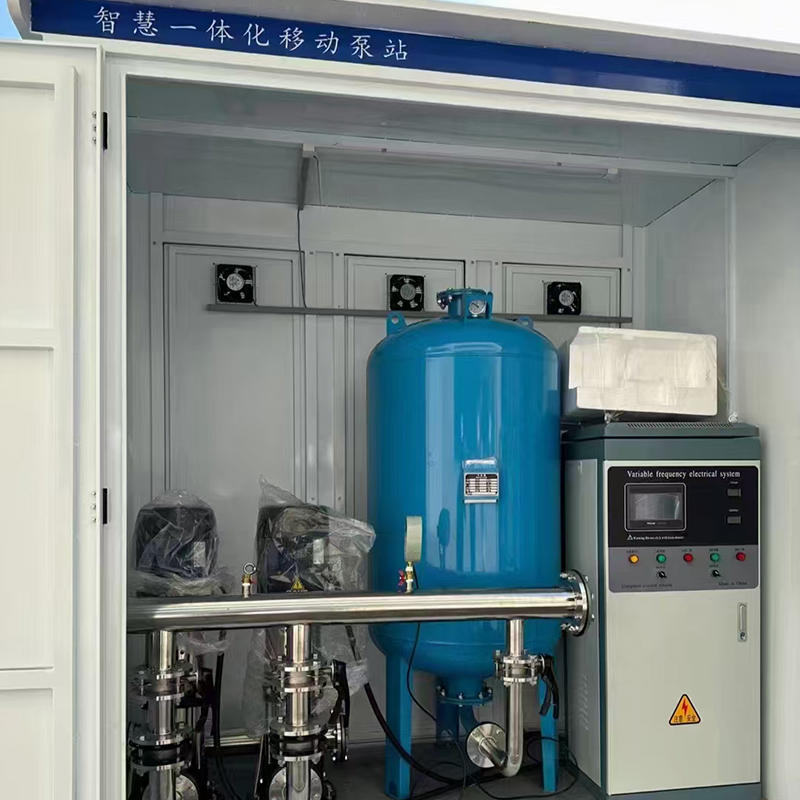
The Intelligent Constant Pressure Variable Frequency Water Supply Equipment is a water supply system...
See Details -
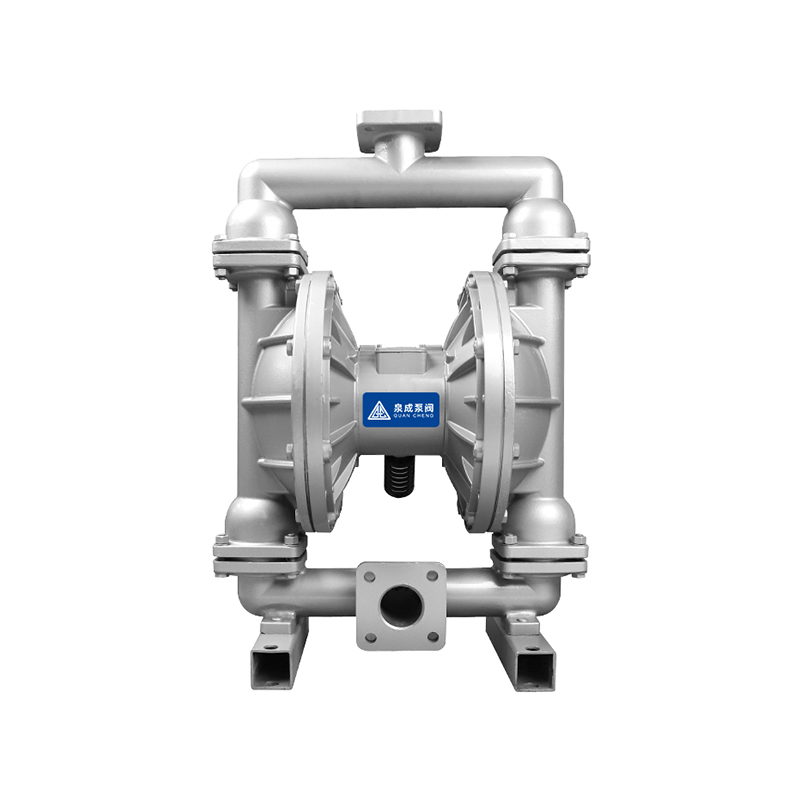
The QBY Air Operated Double Diaphragm Pump produced by our company is a new type of transport machin...
See Details
Copyright © Zhejiang Chuangken Fluid Co., Ltd. All Rights Reserved.
Intelligent Constant Pressure Water Supply System Factory
 浙公网安备33032402001888号
