

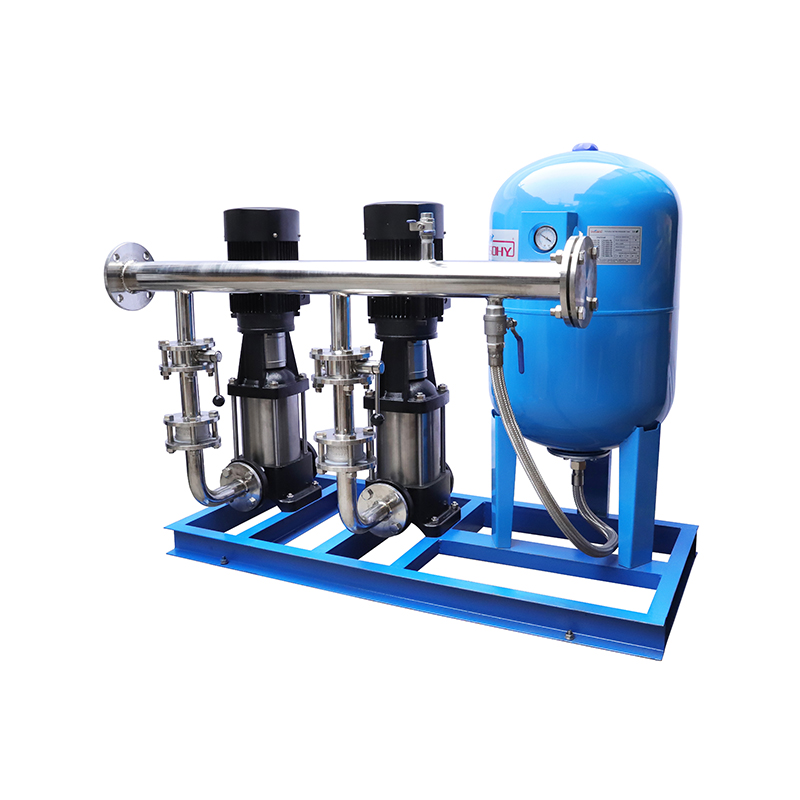
Full Automatic Constant Pressure Variable Frequency Water Supply Equipment is a new generation of hi...
See Details
Self-Sucking Pumps: Revolutionizing Fluid Handling Systems
Industry News-Self-sucking pumps are emerging as a vital solution for fluid handling systems, offering greater efficiency and reliability in various industries. These pumps are designed to eliminate the need for priming, making them ideal for applications where consistent and reliable fluid transfer is crucial.
How Self-Sucking Pumps Work
Self-sucking pumps operate based on a unique design that allows them to draw in fluid without requiring external priming. Traditional pumps often need to be manually primed before use, which can be time-consuming and prone to error. In contrast, self-sucking pumps have an integrated mechanism that automatically removes air from the pump casing, allowing the pump to start and operate smoothly as soon as it is turned on. This self-priming function ensures that the pump is always ready for use, reducing downtime and improving overall efficiency.
The ability to handle air and gases in the fluid makes self-sucking pumps particularly suitable for handling liquids with varying levels of viscosity, such as oils, chemicals, and wastewater. This versatility is one of the reasons they are in high demand across different sectors, from agriculture to industrial applications.
Key Benefits of Self-Sucking Pumps
One of the primary advantages of self-sucking pumps is their reliability. Unlike traditional pumps that require manual priming or external systems to keep the pump primed, self-sucking pumps function autonomously. This autonomy significantly reduces the chances of operational failure caused by improper priming or airlocks, providing a more dependable solution for fluid transfer.
Additionally, self-sucking pumps are highly efficient, requiring less maintenance compared to conventional pumps. Because they don’t rely on external priming devices or constant monitoring, operators can focus on other tasks, knowing that the pump will maintain its functionality. This not only improves productivity but also reduces labor costs associated with maintaining and operating the system.
The reduced risk of pump failure and ease of use also contribute to the longevity of the pump. Regular maintenance is still necessary, but fewer interventions are required to ensure the system runs smoothly. The self-priming feature also means that the pump can handle fluid transfer in situations where other pumps might struggle, such as when air is introduced into the system or the liquid has high levels of foam.
Applications Across Various Industries
Self-sucking pumps are widely used in a range of industries, primarily in applications where fluid handling is essential. In the agricultural sector, these pumps are commonly used for irrigation, where they ensure the continuous movement of water or fertilizers without requiring manual priming. The pumps can efficiently handle large volumes of water, ensuring that crops receive a steady and reliable water supply, even in areas where water sources may be inconsistent.
In the chemical and oil industries, self-sucking pumps are used to transfer oils, chemicals, and other liquids that may contain gases or other particulates. Their ability to handle air or gas in the fluid stream without losing suction makes them ideal for these environments. The reliability and ease of use of self-sucking pumps ensure that fluid is moved safely and efficiently, which is especially important when handling hazardous materials.
In wastewater management, self-sucking pumps play a crucial role in moving sewage and other waste materials. The self-priming feature is especially beneficial when pumps need to operate in areas where debris or air could disrupt the flow, these systems maintain consistent operation even in challenging conditions.
Related products
-
-
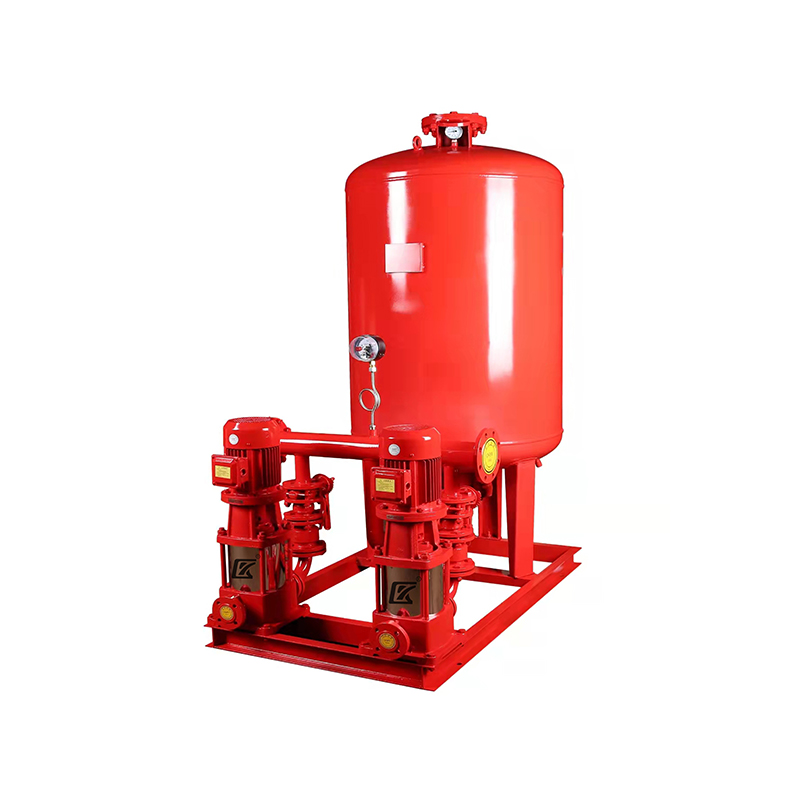
The Automatic Frequency Conversion Constant Pressure Fire Water Supply Equipment is designed and dev...
See Details -
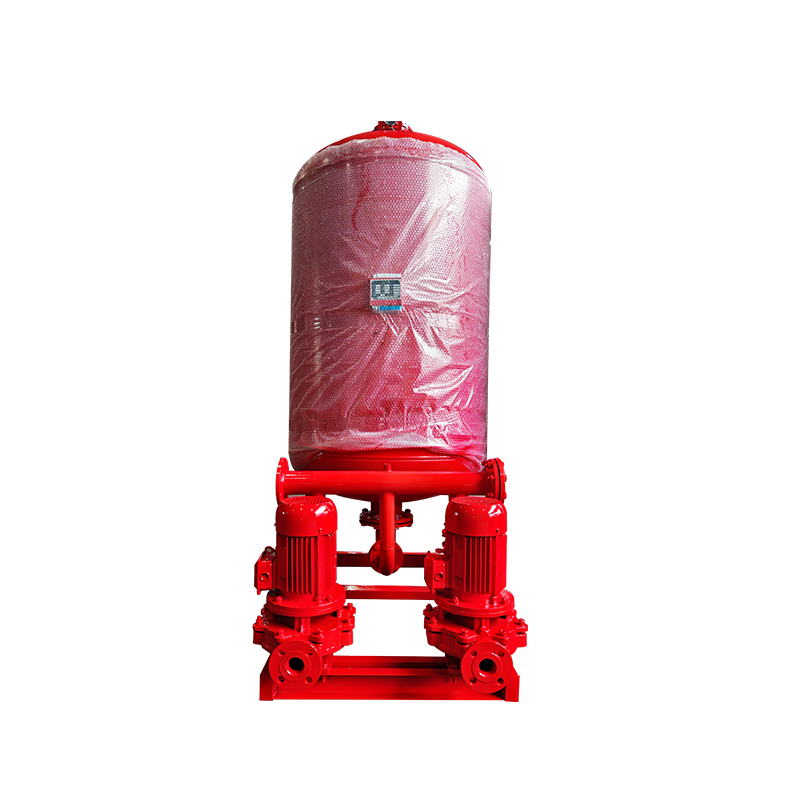
The Fire Fighting Air Pressure Water Supply Equipment typically consists of a pressure tank, pump un...
See Details -
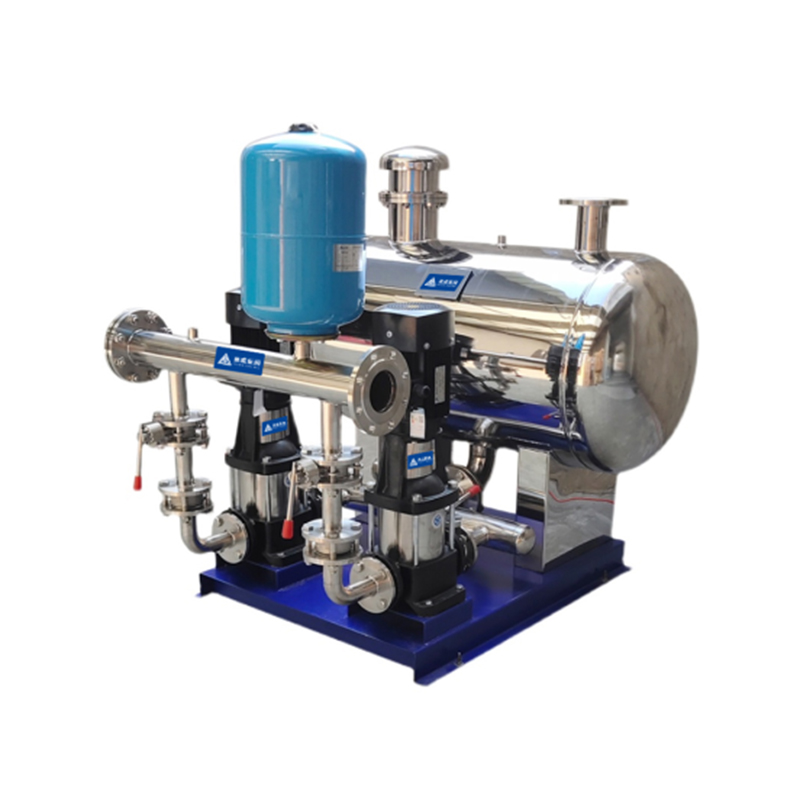
Non-negative pressure water supply equipment is a system composed of a non-negative pressure tank, p...
See Details -
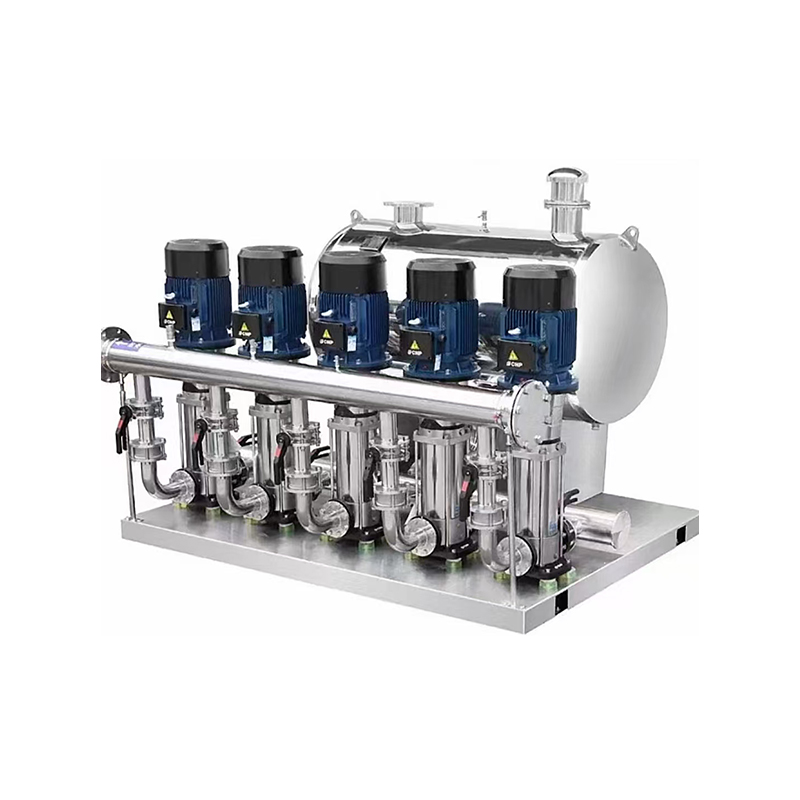
Traditional water supply methods rely heavily on water tanks, which are typically filled with water ...
See Details -
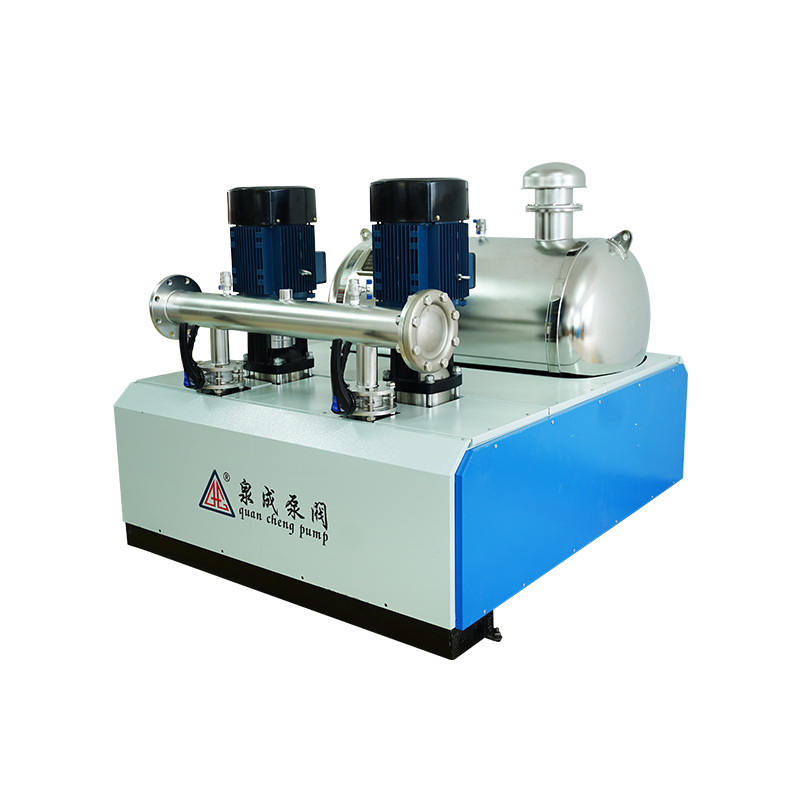
Product OverviewThe Non-negative Pressure Booster Steady Flow Water Supply Equipment uses the munici...
See Details -
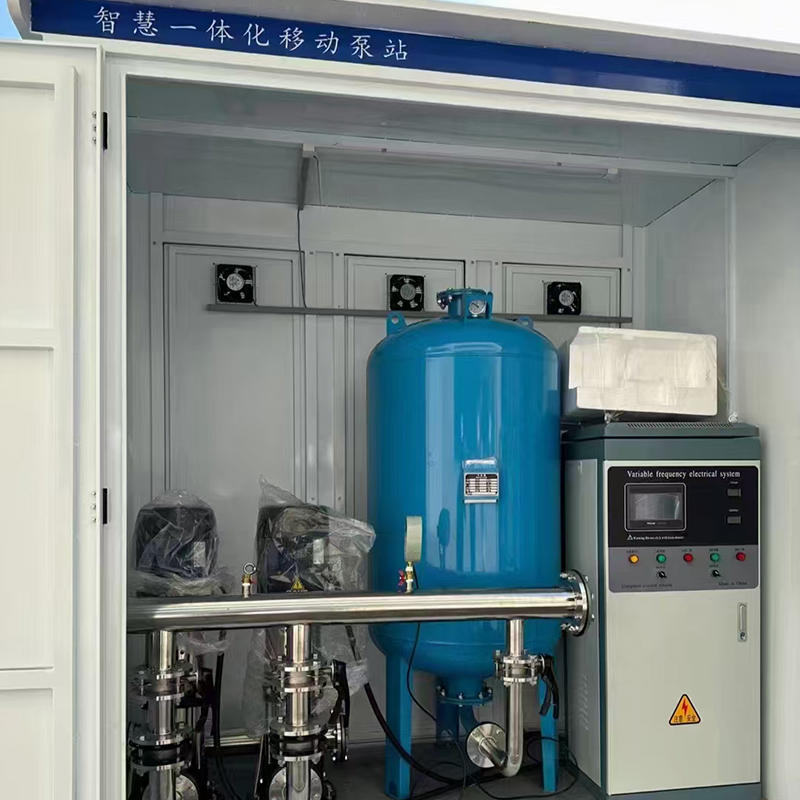
The Intelligent Constant Pressure Variable Frequency Water Supply Equipment is a water supply system...
See Details -
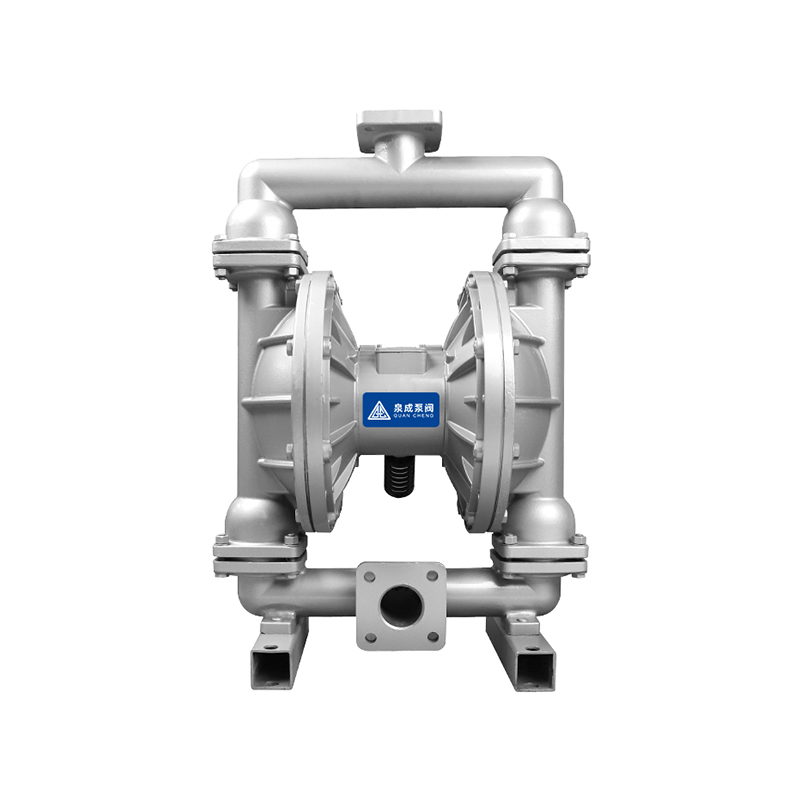
The QBY Air Operated Double Diaphragm Pump produced by our company is a new type of transport machin...
See Details
Copyright © Zhejiang Chuangken Fluid Co., Ltd. All Rights Reserved.
Intelligent Constant Pressure Water Supply System Factory
 浙公网安备33032402001888号
