

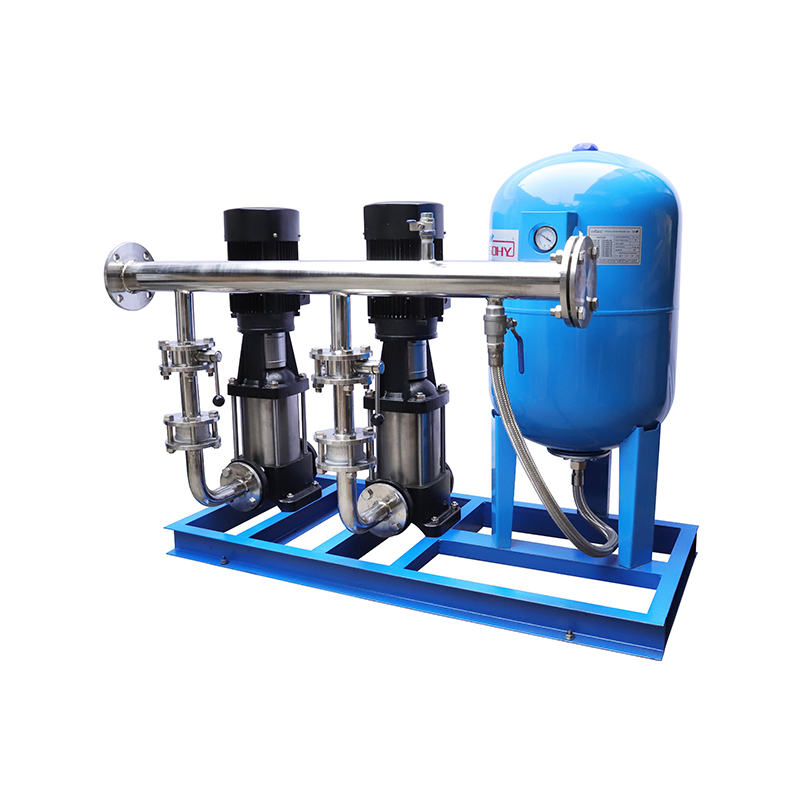
Full Automatic Constant Pressure Variable Frequency Water Supply Equipment is a new generation of hi...
See Details
Where Does Jockey Pump Fit in Networks?
Industry News-Construction and Core Elements
Most units feature a centrifugal pump end driven by an electric motor. The pump casing and impeller are commonly made from cast iron, bronze, or stainless steel, selected according to the fluid and operating environment. A mechanical seal or packing arrangement contains the liquid along the shaft. The motor is sized to match the modest flow and head requirements of pressure maintenance duty.
Mounting options include baseplate assemblies or close-coupled designs that reduce footprint. Controllers and pressure switches form part of the package, allowing the Jockey Pump to operate independently or as part of a coordinated pump set. Wiring and control logic can interface with building management systems when remote monitoring is required.
Flow rates remain relatively low compared with primary fire or process pumps. Head capability, however, matches the pressure rating of the protected system so the unit can reach the necessary set points. These balanced specifications allow the pump to perform its narrow task without excess capacity.
Placement Within Larger Networks
In fire sprinkler installations, the Jockey Pump connects to the same discharge header as the main fire pumps. It maintains pressure in the sprinkler piping so that any actual fire demand immediately triggers the primary pumps through a sharp pressure drop. Without this continuous pressure support, small losses could cause the main pumps to cycle frequently, reducing their readiness and increasing mechanical stress.
Industrial water distribution loops also benefit from the same arrangement. Process lines that require stable pressure for instrumentation or equipment protection use a Jockey Pump to handle baseline losses. The unit sits on a dedicated branch or shares manifold space with other pumps, depending on space and redundancy needs.
Commercial buildings with standpipe or combined systems follow similar practices. The Jockey Pump keeps the network primed so that demand from hose valves or sprinkler heads produces a clear signal for the larger pumps. This arrangement supports orderly system response across different facility types.
Interaction with Primary Pumps
The presence of a Jockey Pump changes how the main pumps behave. Primary units stay offline during routine pressure fluctuations and engage only when flow demand exceeds the smaller pump’s capacity. This division of labor extends the service life of the larger machines and reduces the frequency of high-power starts.
Control panels coordinate the sequence. A pressure drop first calls the Jockey Pump. If pressure continues to fall, indicating a larger demand, the main pumps start according to their own set points. Once demand ends, the Jockey Pump resumes its maintenance role and restores the system to the standby pressure band.
Buyers specifying complete pump packages often request matched sets in which the Jockey Pump and main pumps share compatible materials, flange ratings, and control logic. This compatibility simplifies installation and later operation.
Material and Design Variations
Material selection follows the fluid characteristics and ambient conditions. Fresh water systems frequently use cast iron casings with bronze impellers. Corrosive or higher-purity fluids may call for stainless steel construction throughout the wetted parts. Seal materials range from standard mechanical seals to more specialized faces when the application requires it.
Motor enclosures vary as well. Open drip-proof designs suit clean indoor spaces, while totally enclosed fan-cooled motors handle dustier or outdoor locations. Voltage and frequency options align with regional power standards so the Jockey Pump integrates into local electrical systems without adapters.
These variations allow the same basic concept to serve different project requirements while preserving the core pressure-maintenance function.
A Jockey Pump contributes focused pressure control that supports the stability of larger pumping systems. Its straightforward design, modest capacity, and clear operating logic make it a practical component in fire protection networks, industrial loops, and commercial water systems. Understanding its role helps buyers specify equipment that matches both technical needs and operational patterns.
Related products
-
-
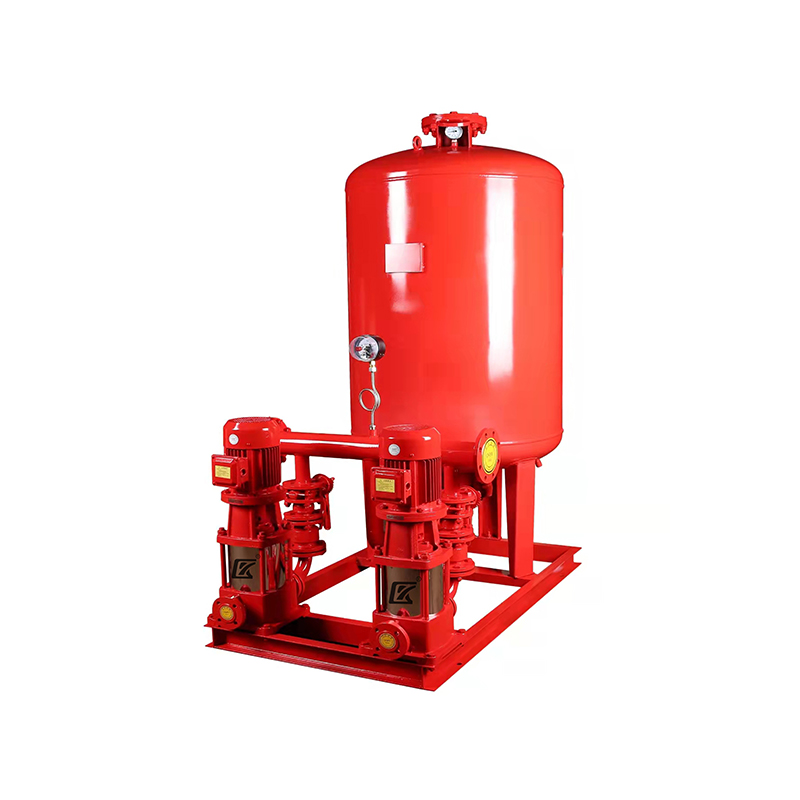
The Automatic Frequency Conversion Constant Pressure Fire Water Supply Equipment is designed and dev...
See Details -
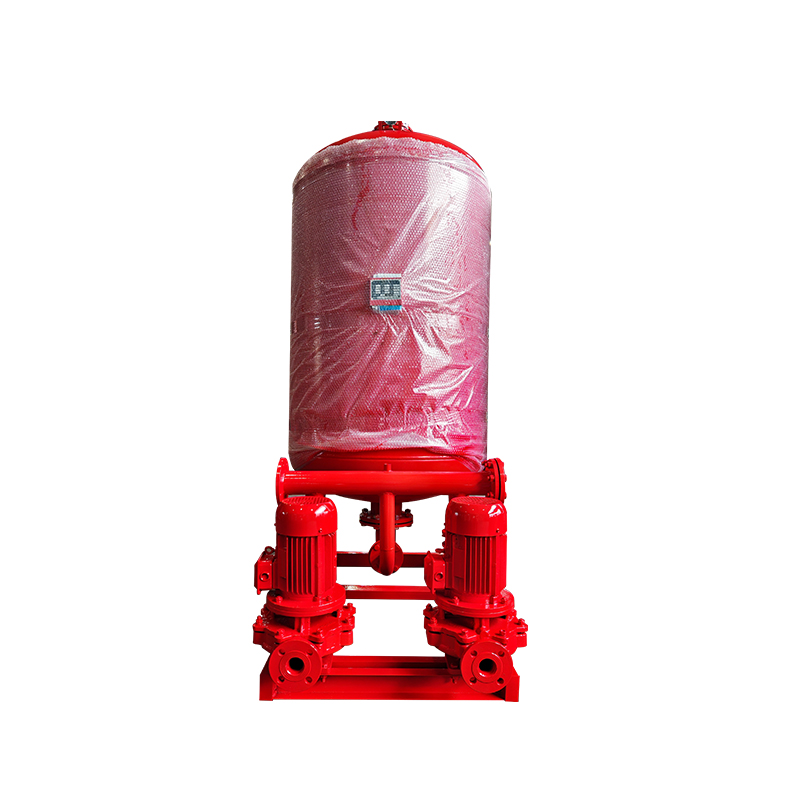
The Fire Fighting Air Pressure Water Supply Equipment typically consists of a pressure tank, pump un...
See Details -
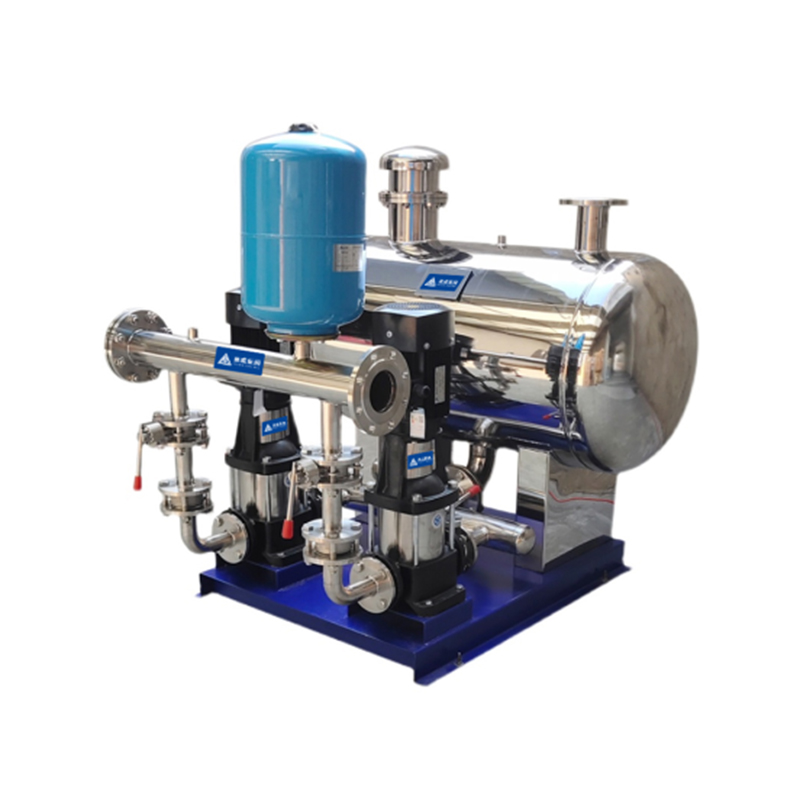
Non-negative pressure water supply equipment is a system composed of a non-negative pressure tank, p...
See Details -
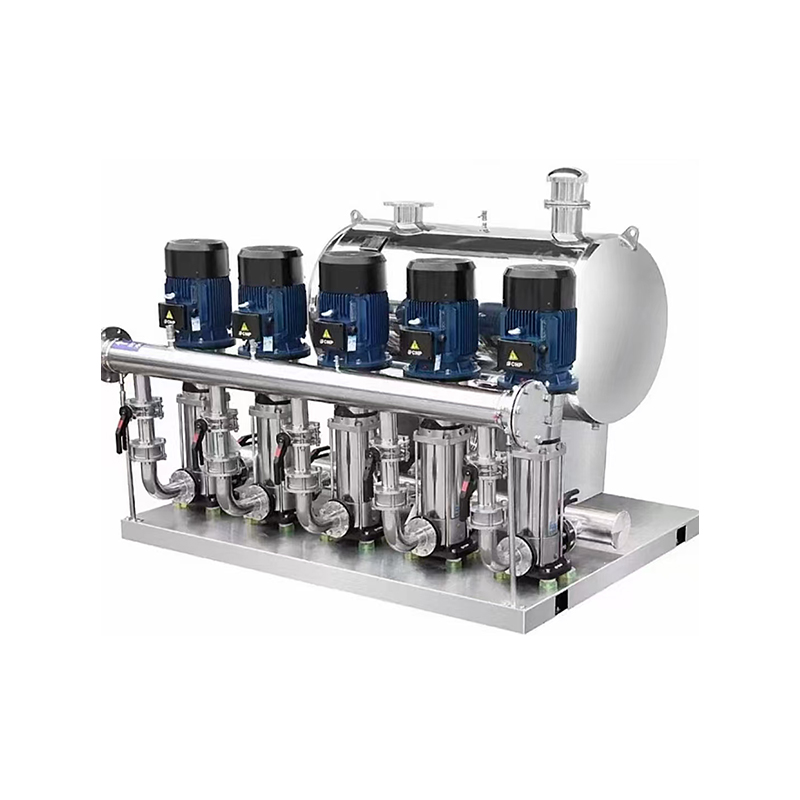
Traditional water supply methods rely heavily on water tanks, which are typically filled with water ...
See Details -
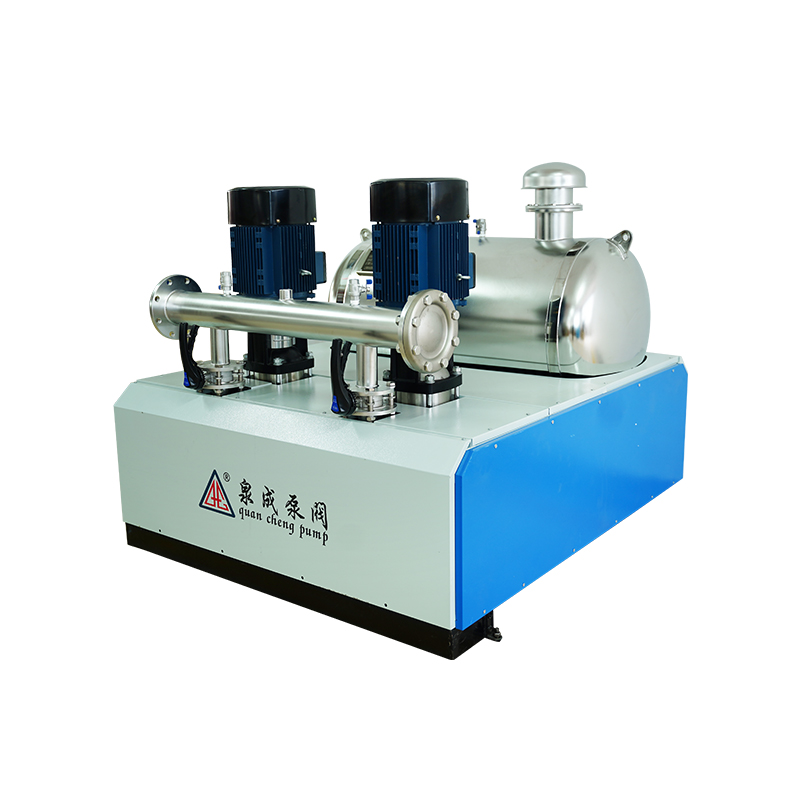
Product OverviewThe Non-negative Pressure Booster Steady Flow Water Supply Equipment uses the munici...
See Details -
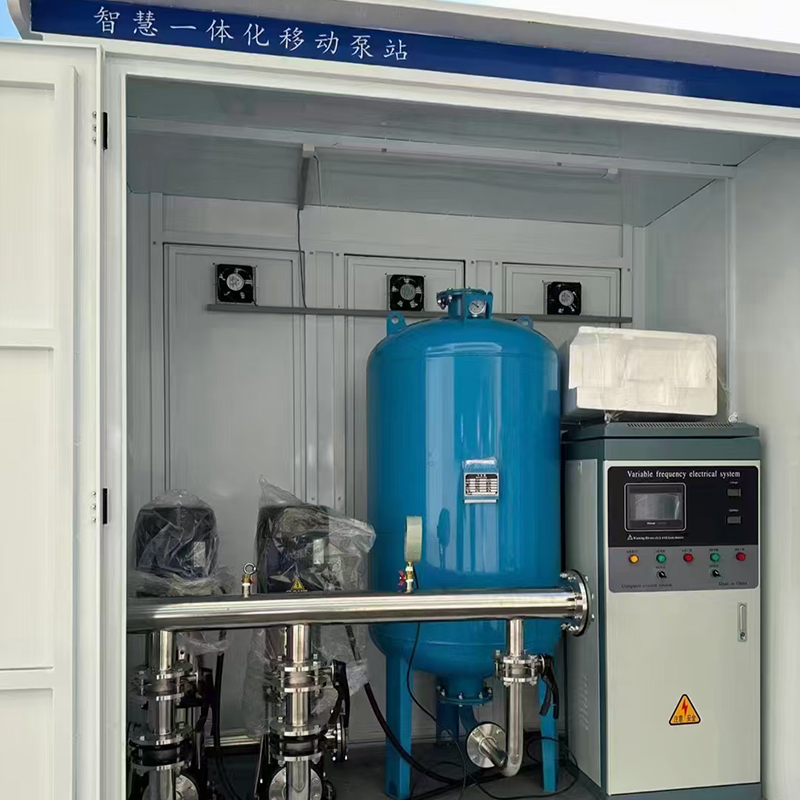
The Intelligent Constant Pressure Variable Frequency Water Supply Equipment is a water supply system...
See Details -
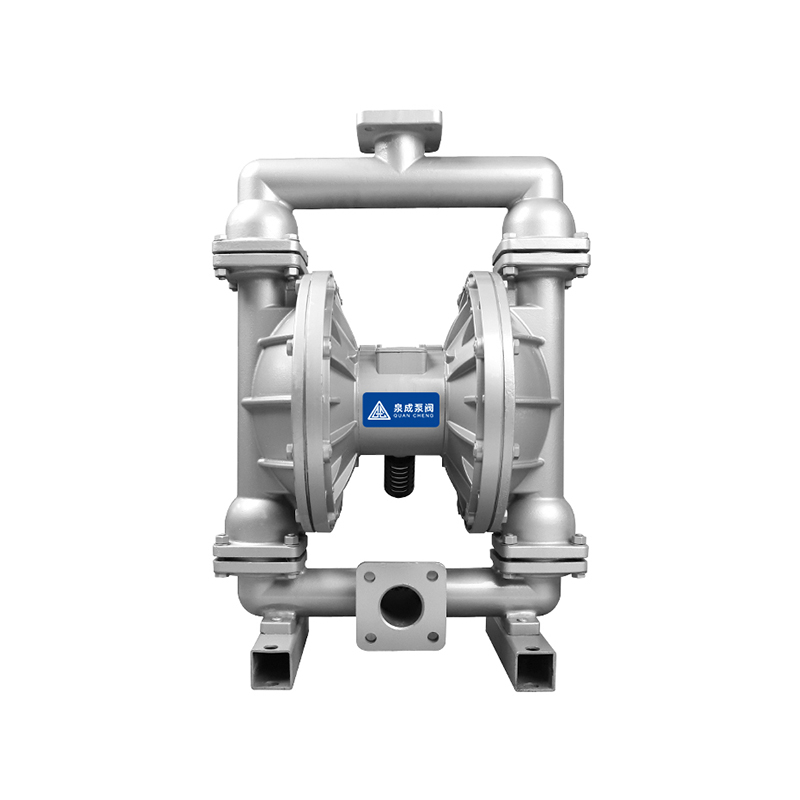
The QBY Air Operated Double Diaphragm Pump produced by our company is a new type of transport machin...
See Details
Copyright © Zhejiang Chuangken Fluid Co., Ltd. All Rights Reserved.
Intelligent Constant Pressure Water Supply System Factory
 浙公网安备33032402001888号
