

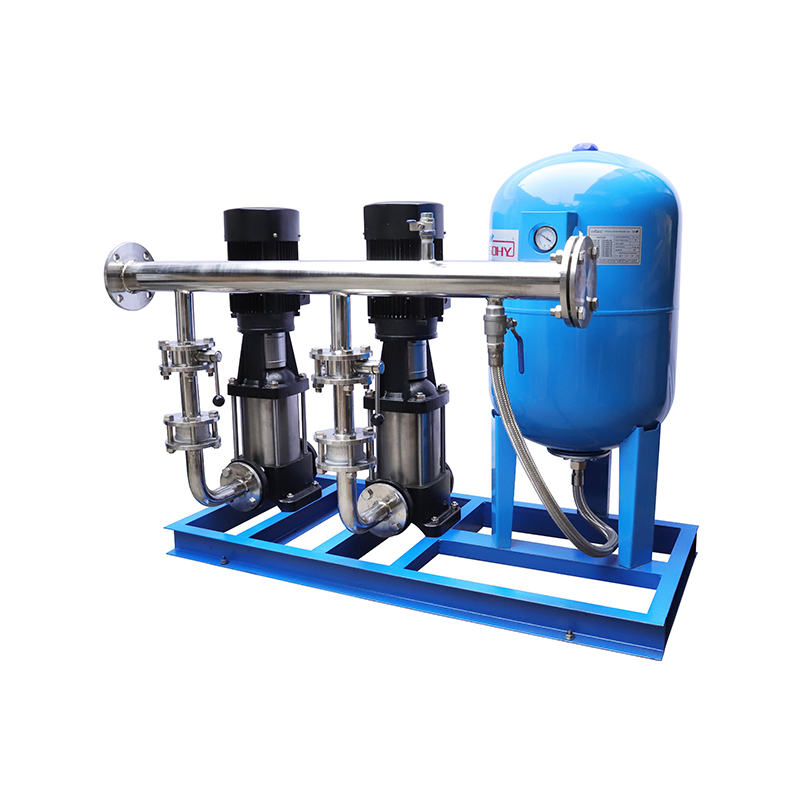
Full Automatic Constant Pressure Variable Frequency Water Supply Equipment is a new generation of hi...
See Details
Why Do Multistage Pumps Factory Designs Use Multiple Impellers?
Industry News-A pump does not always generate the required water pressure through a single impeller. In systems that need higher pressure, multiple impellers can work in sequence to increase the energy transferred to the liquid. This arrangement is the basic principle behind multistage centrifugal pumps, which are used in building water supply, industrial processes, boiler feed systems, and other fluid transfer operations. A Multistage Pumps Factory typically focuses on coordinating hydraulic components, shaft assemblies, motor configurations, and connection structures to produce equipment suited to different operating requirements.
How Multiple Pump Stages Generate Pressure
A multistage centrifugal pump contains two or more impellers arranged along a common shaft. As liquid passes through the first impeller, its pressure and velocity increase. The liquid then enters the next stage, where another impeller adds energy.
This process continues through the remaining stages until the liquid reaches the discharge outlet. Each stage contributes to the overall pump head, allowing the equipment to achieve a higher pressure range without relying on one large impeller.
The number of stages is therefore an important design parameter. A pump with more stages can generate a greater total head under suitable operating conditions, although the final configuration also depends on impeller dimensions, rotational speed, flow rate, and hydraulic design.
When developing a new model, a Multistage Pumps Factory needs to consider how these factors work together rather than simply increasing the number of impellers.
The Main Components Inside a Multistage Pump
Although multistage pumps are available in different structural forms, several components are commonly found in their construction.
- Impellers: Transfer mechanical energy to the liquid at each stage.
- Diffusers or guide vanes: Direct liquid flow from one stage toward the next.
- Pump shaft: Connects the impellers and transfers rotational power from the motor.
- Pump casing: Encloses the hydraulic components and forms the flow passage.
- Mechanical seal: Helps limit liquid leakage around the rotating shaft.
- Bearings: Support the shaft and help maintain its rotating position.
The arrangement and dimensions of these components influence the pump's overall structure. For example, the shaft must accommodate the impellers and other rotating parts, while the casing needs to provide sufficient space for the stage assemblies.
Vertical and Horizontal Structural Designs
Multistage pumps are commonly available in vertical and horizontal configurations. Each structure has its own installation characteristics.
Vertical multistage pumps generally feature a compact footprint, with the motor positioned above the pump assembly. Their in-line inlet and outlet arrangement can simplify integration into certain pipeline systems.
Horizontal multistage pumps use a horizontal shaft layout. Depending on the model, they may have a sectional casing or other housing arrangements that provide access to the internal stage structure during assembly.
For a Multistage Pumps Factory, these two product categories involve different casing designs, shaft arrangements, support structures, and connection layouts. Buyers can compare them according to available installation space, pipeline direction, and system requirements.
Material Selection for Pump Components
Material selection is closely connected to the liquid being handled and the mechanical role of each component. Stainless steel is frequently used in multistage pump construction, particularly for components that come into direct contact with water. It offers corrosion resistance and can be processed into different hydraulic shapes.
Cast iron is another material used for selected pump casings and structural parts. It provides a rigid housing structure for equipment configurations where its properties are suitable. Other materials may be used for seals, bearing components, and selected internal parts.
The material combination can vary between pump models. Buyers should therefore review the material specifications for the casing, impellers, shaft, and other relevant components instead of relying on a general description of the entire pump.
Conclusion
Multistage pump manufacturing combines hydraulic design, component processing, material selection, and coordinated assembly. The relationship between impellers, guide components, shafts, and casings determines how the complete pump generates pressure. For international buyers, understanding these structural details offers a practical starting point when comparing manufacturers and discussing equipment requirements with a Multistage Pumps Factory.
Related products
-
-
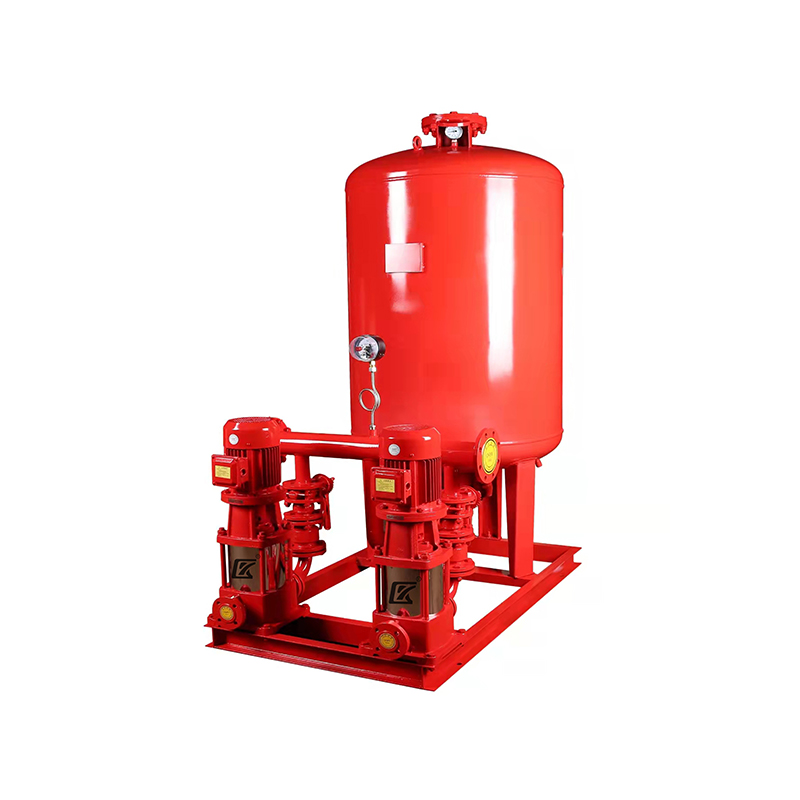
The Automatic Frequency Conversion Constant Pressure Fire Water Supply Equipment is designed and dev...
See Details -
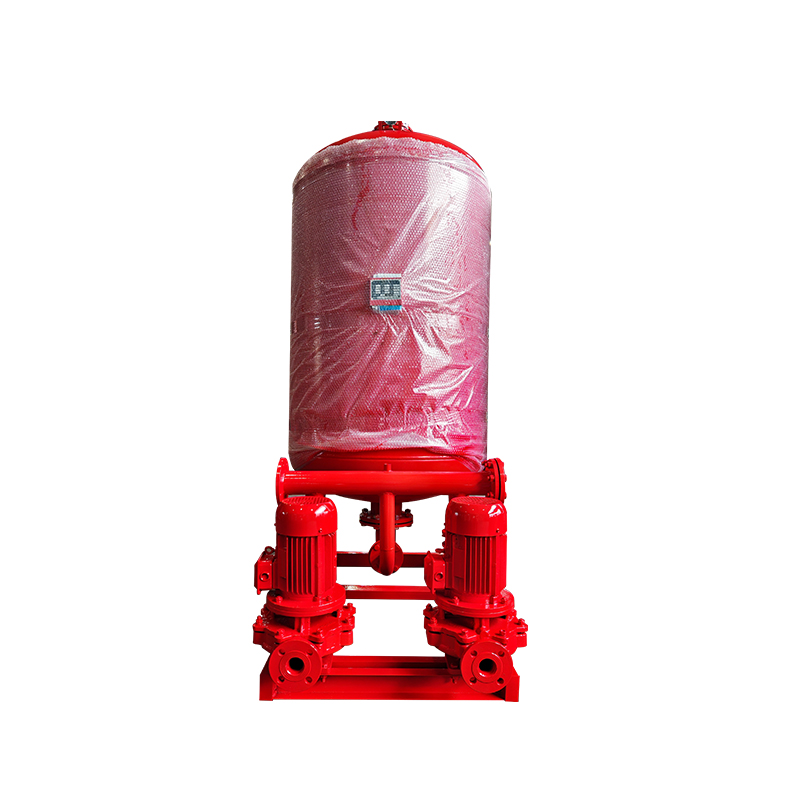
The Fire Fighting Air Pressure Water Supply Equipment typically consists of a pressure tank, pump un...
See Details -
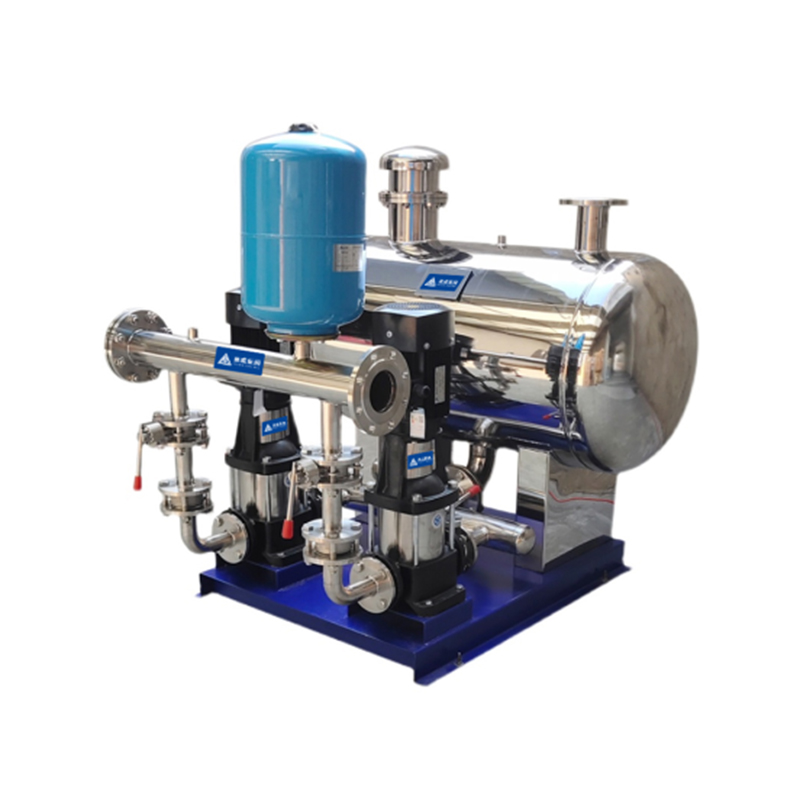
Non-negative pressure water supply equipment is a system composed of a non-negative pressure tank, p...
See Details -
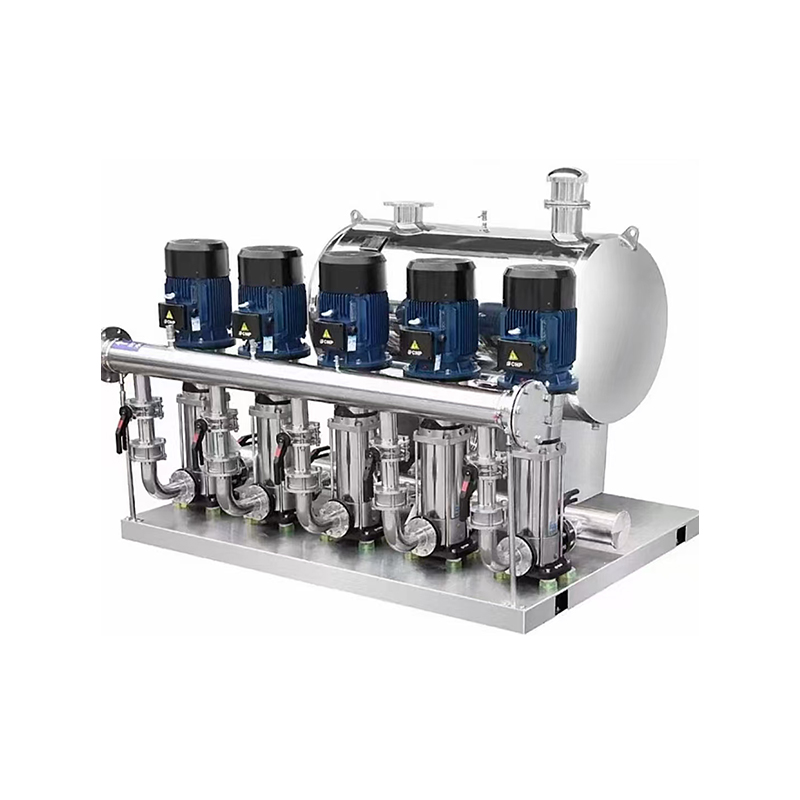
Traditional water supply methods rely heavily on water tanks, which are typically filled with water ...
See Details -
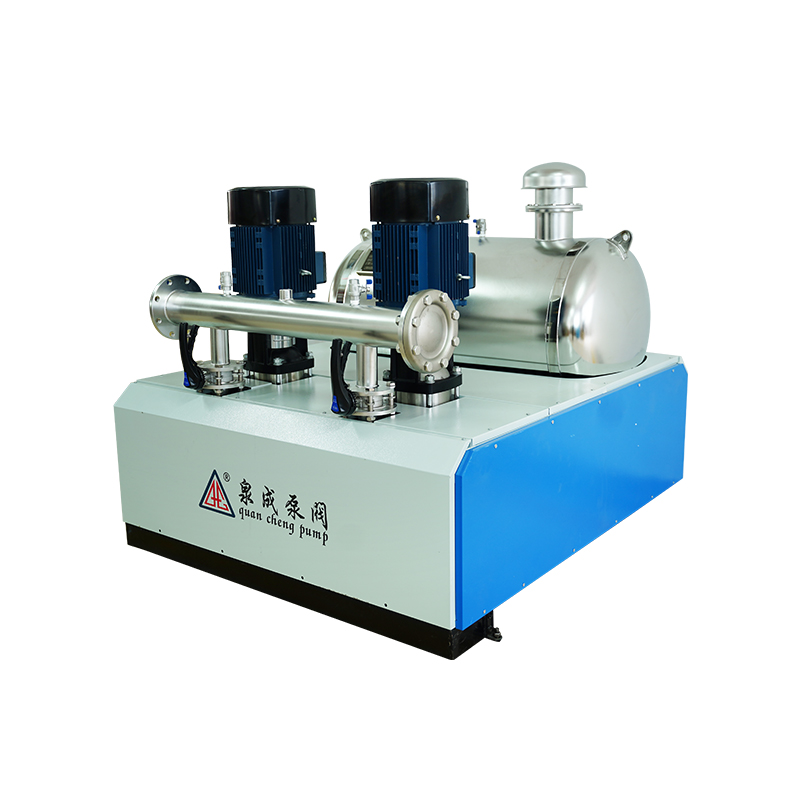
Product OverviewThe Non-negative Pressure Booster Steady Flow Water Supply Equipment uses the munici...
See Details -
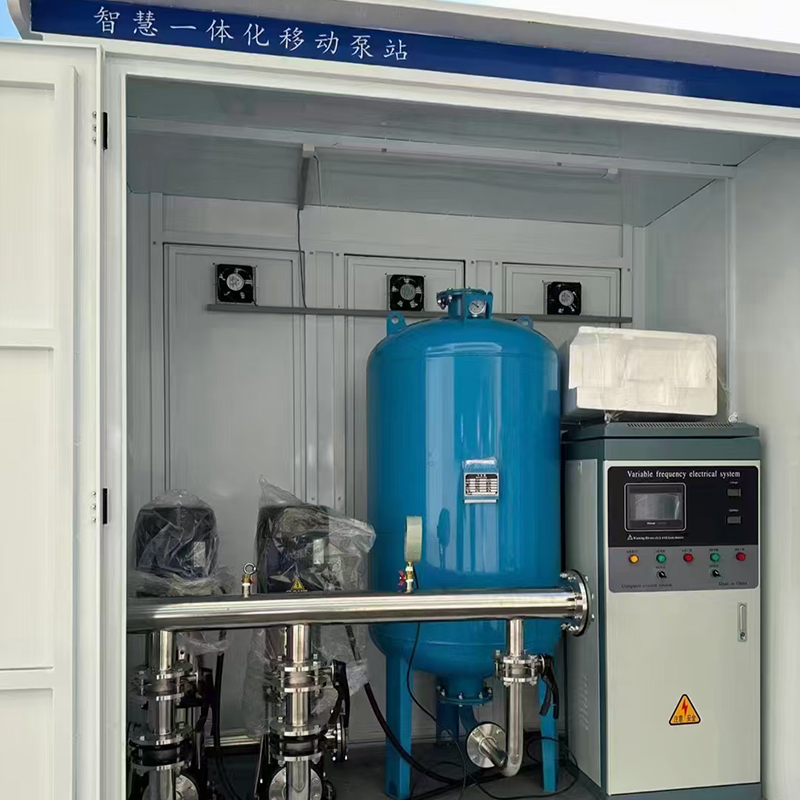
The Intelligent Constant Pressure Variable Frequency Water Supply Equipment is a water supply system...
See Details -
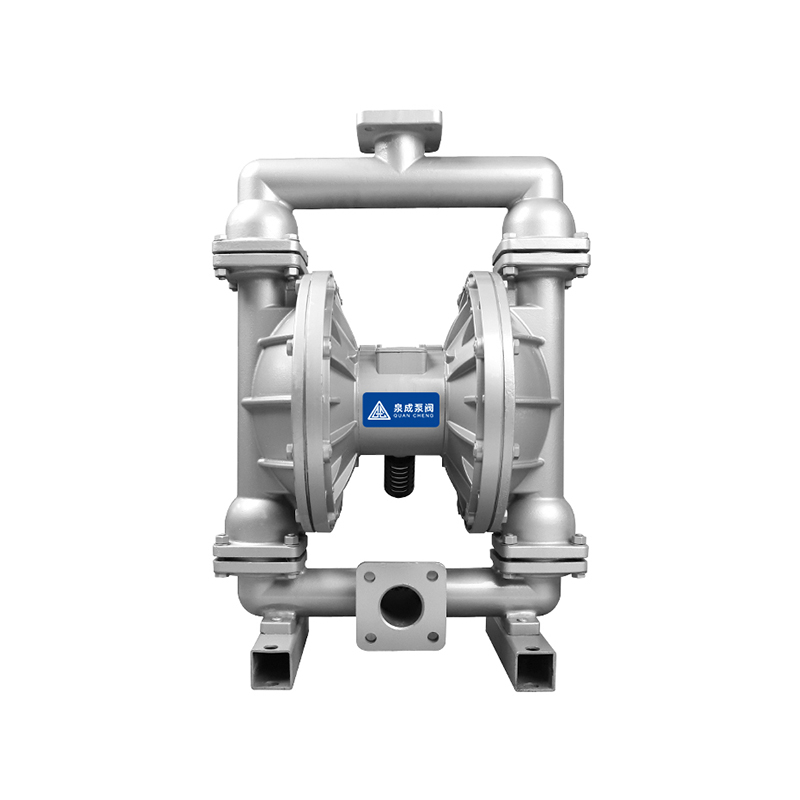
The QBY Air Operated Double Diaphragm Pump produced by our company is a new type of transport machin...
See Details
Copyright © Zhejiang Chuangken Fluid Co., Ltd. All Rights Reserved.
Intelligent Constant Pressure Water Supply System Factory
 浙公网安备33032402001888号
