

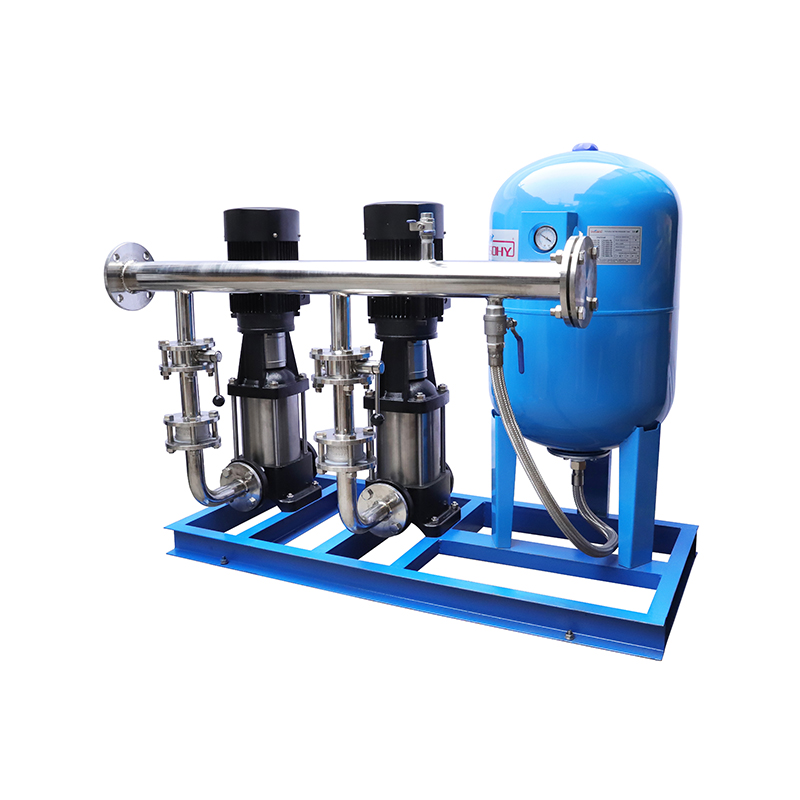
Full Automatic Constant Pressure Variable Frequency Water Supply Equipment is a new generation of hi...
See Details
Are Jockey Pumps Fire System Sidekicks?
Industry News-Jockey pumps play a supporting role in fire sprinkler and hydrant systems by helping to maintain consistent pressure levels. These small units operate alongside larger fire pumps to address minor pressure changes that occur in piping networks. Their presence allows main systems to remain ready without frequent activation during normal conditions.
The Function of Jockey Pumps in Pressure Management
Jockey pumps work by compensating for small pressure drops caused by factors such as minor leaks or temperature variations in the system. When pressure falls below a set point, the jockey pump activates to restore levels and keep the network stable. This mechanism prevents the larger fire pump from engaging for non-emergency situations.
The design of jockey pumps typically involves multi-stage centrifugal configurations that deliver low flow rates suited to pressure maintenance rather than high-volume water supply. They connect directly to the fire protection piping and respond through pressure switches or controllers. In this way, jockey pumps support the overall readiness of the system by handling routine adjustments efficiently.
Integration with Fire Pump Systems
In a typical setup, jockey pumps form part of a coordinated fire protection arrangement that includes a main fire pump and associated controls. The jockey unit activates first in response to slight pressure reductions, maintaining the system within operational ranges. Should a significant demand occur, such as from sprinkler activation, the pressure drop exceeds the jockey pump’s capacity, signaling the main pump to start.
This integration helps manage system cycling and supports reliable performance across different building types. Jockey pumps are sized with flow rates lower than a single sprinkler output to ensure clear differentiation between normal fluctuations and actual events requiring full system response. Their operation contributes to the balanced functioning of fire protection networks in commercial, industrial, and residential structures.
Design Features and Common Types
Jockey pumps often feature compact construction with durable materials suitable for continuous pressure duties. Many models utilize vertical or horizontal multi-stage designs that provide steady output with minimal energy use during operation. Electric motors commonly drive these pumps, allowing straightforward connection to building power supplies.
Variations exist to accommodate different system requirements, including options for various pressure ratings and connection sizes. Some configurations include controllers that monitor system status and manage automatic start-stop cycles. The engineering focus remains on consistent pressure support and compatibility with standard fire protection piping layouts.
Operational Considerations in System Design
When incorporating jockey pumps into fire protection plans, attention goes to matching pump capacity with overall system volume and expected pressure ranges. Placement within the pump room or near main risers facilitates efficient connection and monitoring. Coordination with controllers ensures proper sequencing between the jockey unit and the primary fire pump.
Design teams consider factors such as piping length and potential pressure loss points when selecting appropriate models. This approach helps create systems that respond accurately to both minor adjustments and major demands. Jockey pumps thus form a practical element in arrangements that prioritize consistent performance and operational balance.
Jockey pumps continue to serve as a standard component in many fire protection setups due to their focused contribution to pressure stability. Their interaction with larger system elements supports effective management of water delivery networks in diverse applications. Through careful integration and sizing, these pumps help maintain the functionality of fire safety systems in buildings and facilities where reliable pressure control matters.
Related products
-
-
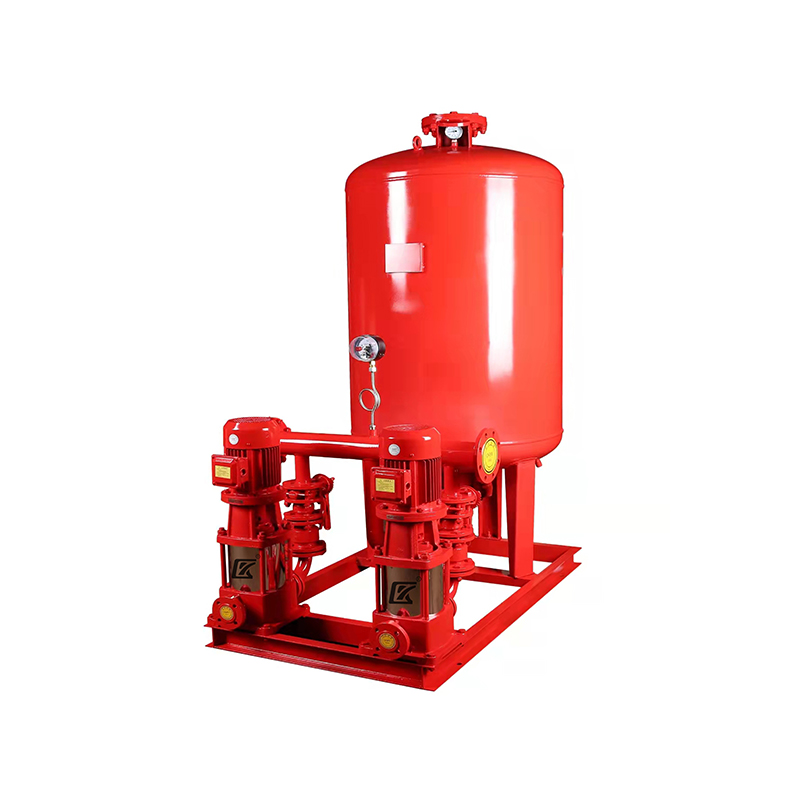
The Automatic Frequency Conversion Constant Pressure Fire Water Supply Equipment is designed and dev...
See Details -
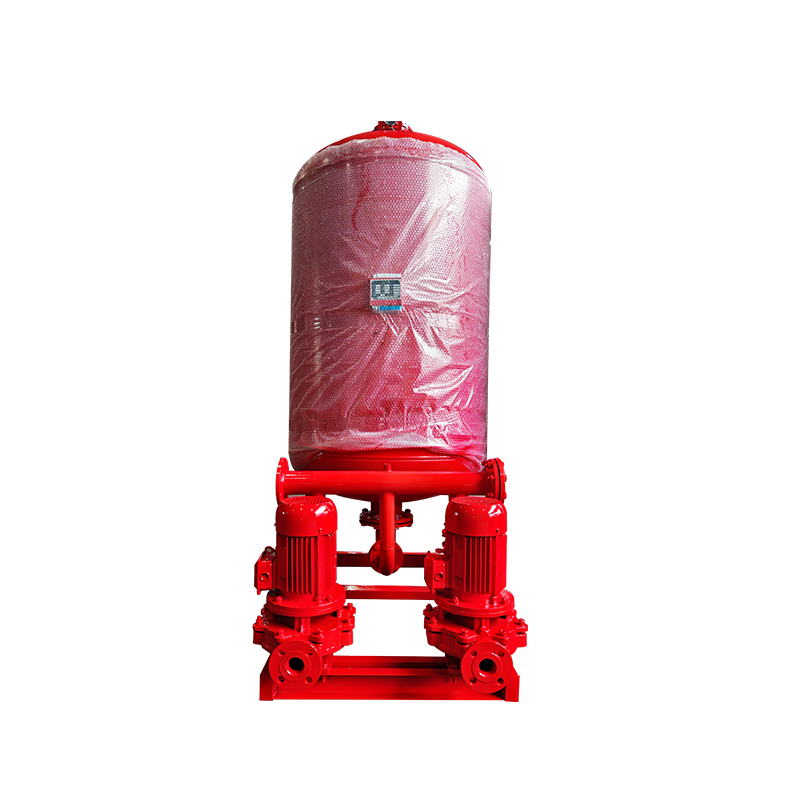
The Fire Fighting Air Pressure Water Supply Equipment typically consists of a pressure tank, pump un...
See Details -
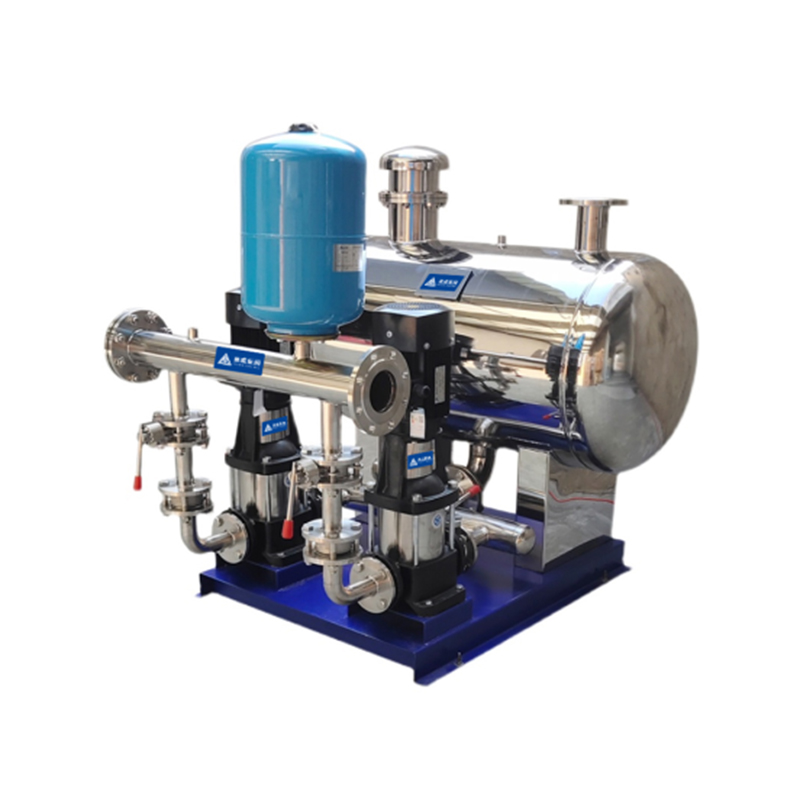
Non-negative pressure water supply equipment is a system composed of a non-negative pressure tank, p...
See Details -
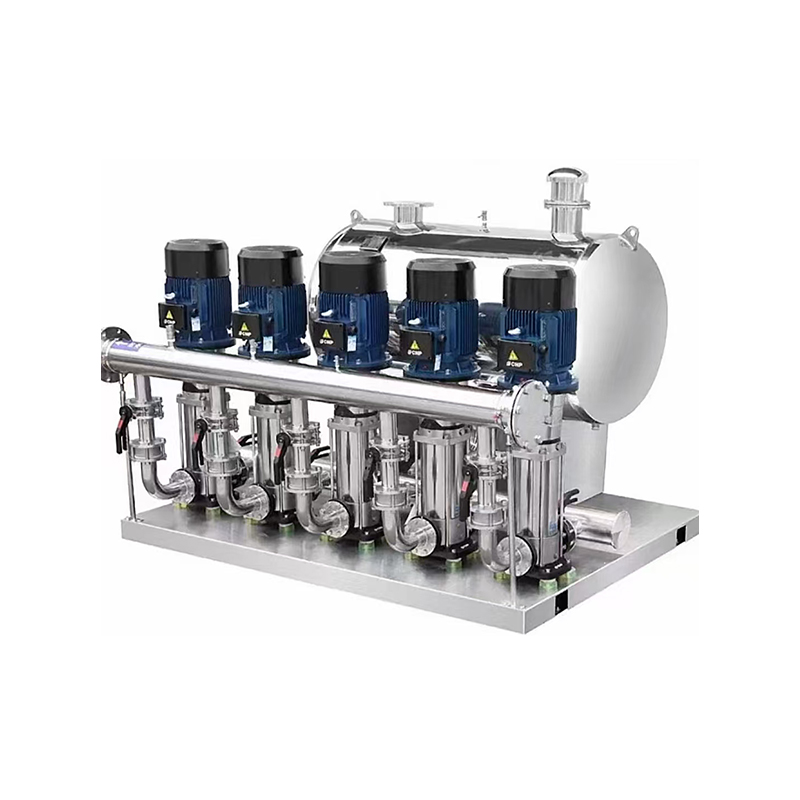
Traditional water supply methods rely heavily on water tanks, which are typically filled with water ...
See Details -
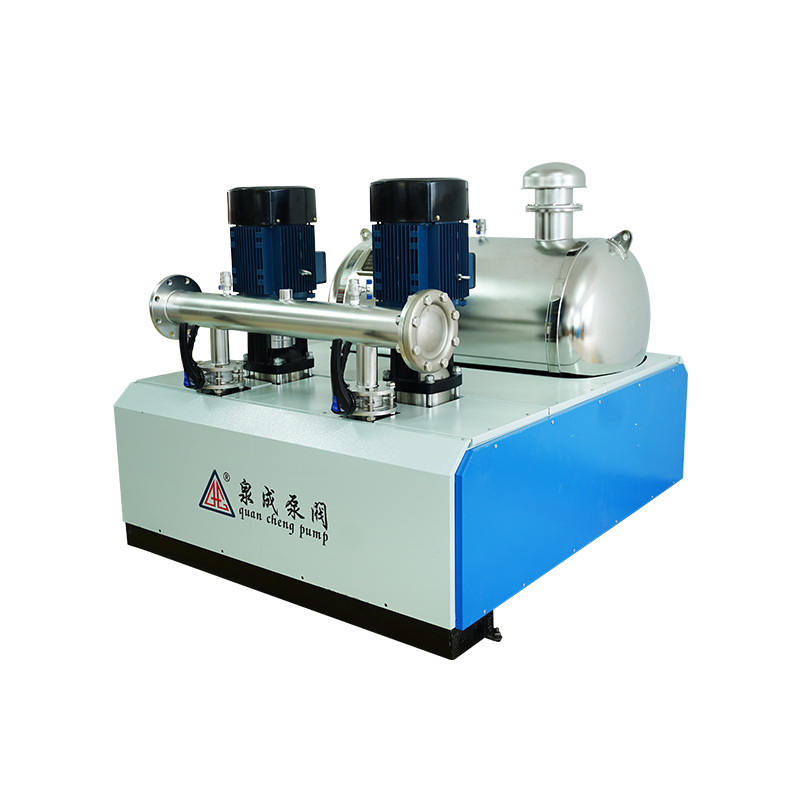
Product OverviewThe Non-negative Pressure Booster Steady Flow Water Supply Equipment uses the munici...
See Details -
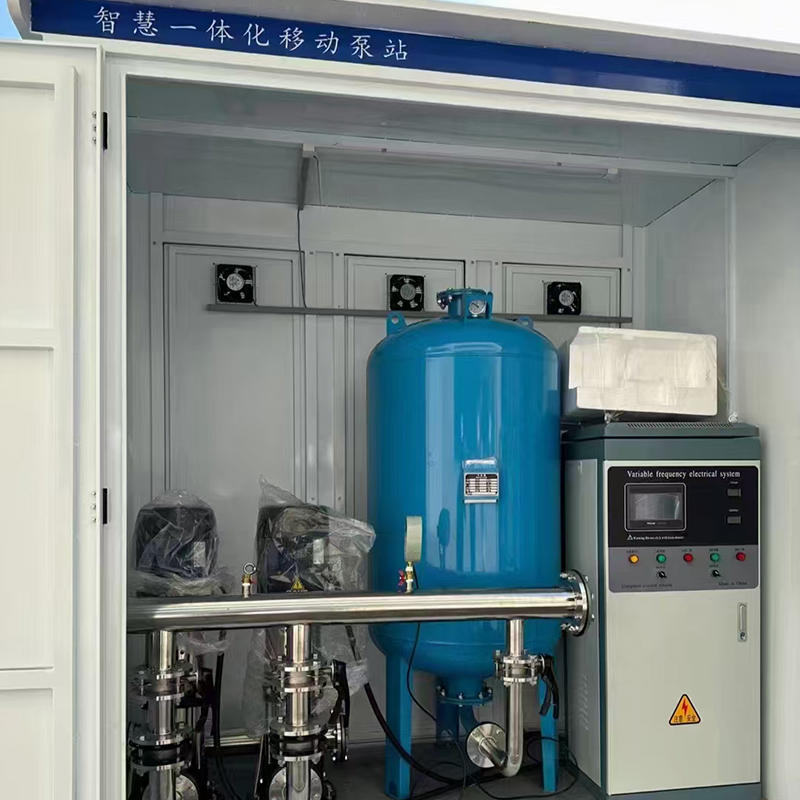
The Intelligent Constant Pressure Variable Frequency Water Supply Equipment is a water supply system...
See Details -
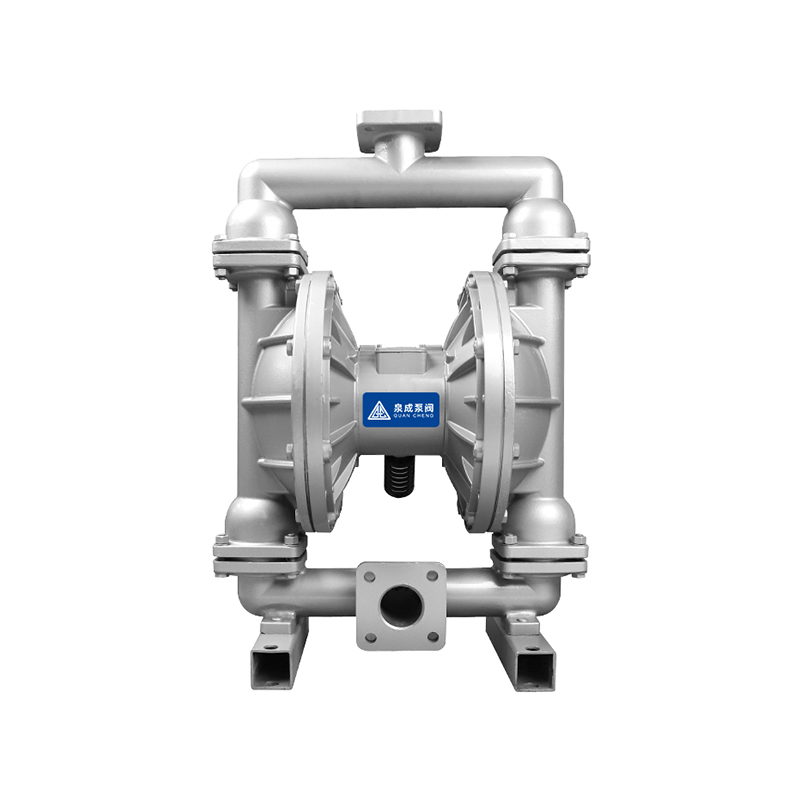
The QBY Air Operated Double Diaphragm Pump produced by our company is a new type of transport machin...
See Details
Copyright © Zhejiang Chuangken Fluid Co., Ltd. All Rights Reserved.
Intelligent Constant Pressure Water Supply System Factory
 浙公网安备33032402001888号
