

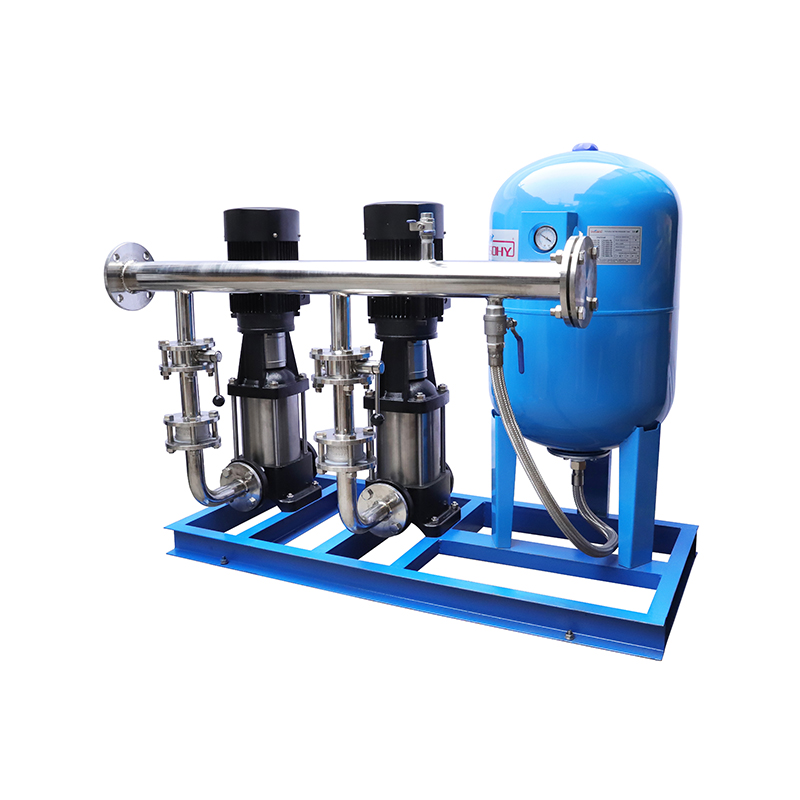
Full Automatic Constant Pressure Variable Frequency Water Supply Equipment is a new generation of hi...
See Details
How Can an Energy-saving Constant Pressure Water Supply System Improve Water Delivery?
Industry News-Reliable water pressure is essential for residential buildings, commercial facilities, manufacturing plants, hotels, schools, hospitals, and many other locations. Water demand changes throughout the day as users turn taps on and off, operate equipment, or consume water during busy periods. An Energy-saving Constant Pressure Water Supply System is designed to respond to these changing conditions by automatically adjusting pump operation and maintaining a stable water supply throughout the distribution network.
Rather than operating at a fixed speed regardless of demand, this type of system regulates pump performance according to real-time water consumption. The result is a smoother water delivery process that supports consistent pressure across different applications.
Intelligent Coordination Between Pumps and Controllers
An Energy-saving Constant Pressure Water Supply System combines several key components into one coordinated solution. Variable frequency drives, pressure sensors, water pumps, electrical control cabinets, pipelines, and communication modules work together to monitor and regulate system performance.
Pressure sensors continuously detect changes within the water supply network. The collected data is transmitted to the controller, which adjusts pump speed according to current demand. When water consumption increases, pump output rises accordingly. When demand decreases, pump speed is reduced to match the lower flow requirement.
This coordinated operation allows the system to respond automatically without requiring frequent manual adjustments.
Suitable for Multiple Water Supply Applications
The flexibility of an Energy-saving Constant Pressure Water Supply System allows it to serve many different industries and facilities.
Residential apartment buildings use these systems to provide stable water pressure across multiple floors. Hotels rely on them to supply guest rooms, kitchens, laundry facilities, and recreational areas. Hospitals require dependable water delivery for medical equipment, laboratories, and sanitation systems.
Industrial facilities frequently install constant pressure systems for production equipment, cooling processes, and cleaning operations. Educational campuses, office buildings, shopping centers, sports venues, and agricultural irrigation projects also benefit from automated pressure regulation.
This broad range of applications demonstrates how adaptable the technology has become across different operating environments.
Manufacturing Focuses on System Integration
Producing an Energy-saving Constant Pressure Water Supply System involves the integration of mechanical, electrical, and electronic technologies. Pump bodies are manufactured using precision casting and CNC machining to achieve accurate dimensions and reliable assembly.
Control cabinets are carefully wired and assembled to accommodate controllers, circuit protection devices, communication modules, and power management components. Variable frequency drives are installed according to the system configuration, allowing coordinated operation with the pumps.
Pressure sensors, valves, and pipeline connectors are fitted during final assembly before the complete system undergoes functional testing. Engineers verify communication between components, pressure response, automatic control sequences, and operating stability throughout the testing process.
This integrated manufacturing approach helps ensure that each subsystem performs smoothly as part of the complete water supply solution.
Flexible Configuration Supports Different Project Sizes
Every water supply project has unique flow and pressure requirements. For this reason, an Energy-saving Constant Pressure Water Supply System is available in a variety of configurations.
Small installations may use a single pump for compact buildings or local water distribution. Medium-sized facilities often install dual-pump arrangements that share operating duties according to demand. Larger commercial or industrial projects may employ multiple pumps operating together under centralized control.
Control software automatically determines how many pumps should operate at a given time based on pressure readings and water consumption. This flexible configuration allows the system to accommodate varying building sizes and usage patterns.
Related products
-
-
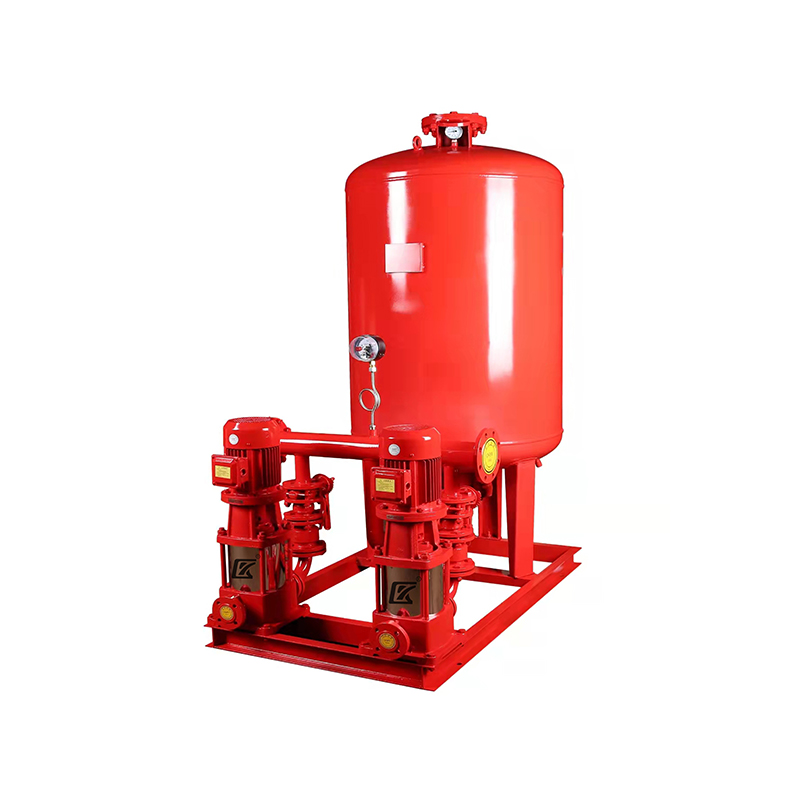
The Automatic Frequency Conversion Constant Pressure Fire Water Supply Equipment is designed and dev...
See Details -
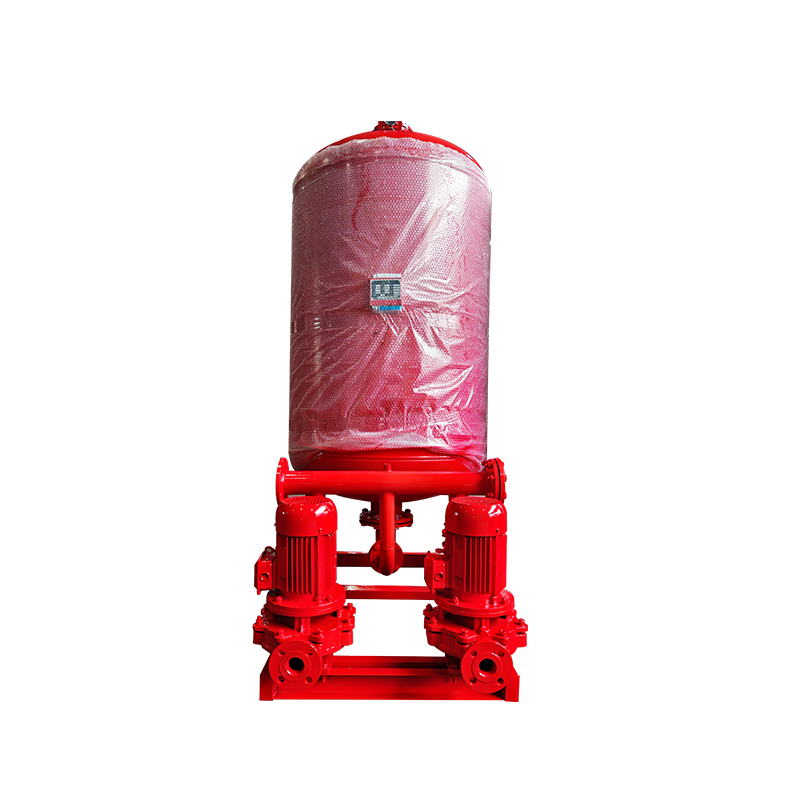
The Fire Fighting Air Pressure Water Supply Equipment typically consists of a pressure tank, pump un...
See Details -
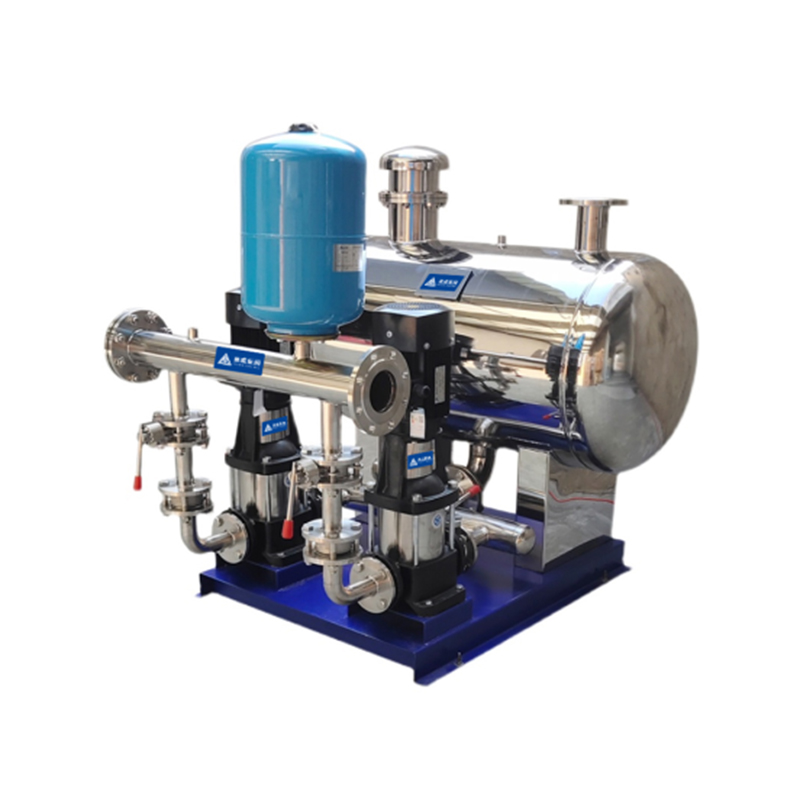
Non-negative pressure water supply equipment is a system composed of a non-negative pressure tank, p...
See Details -
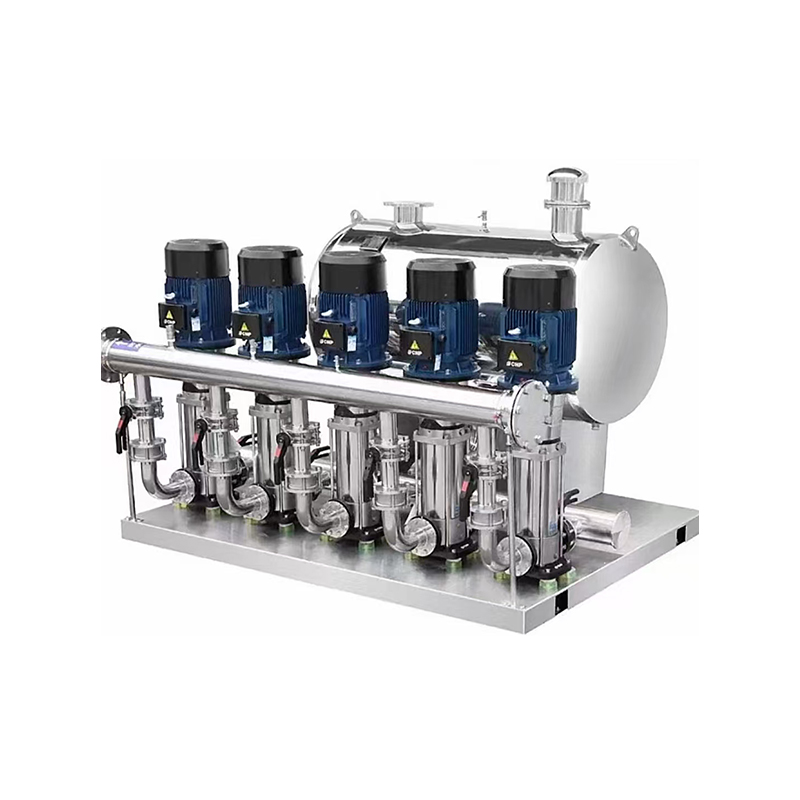
Traditional water supply methods rely heavily on water tanks, which are typically filled with water ...
See Details -
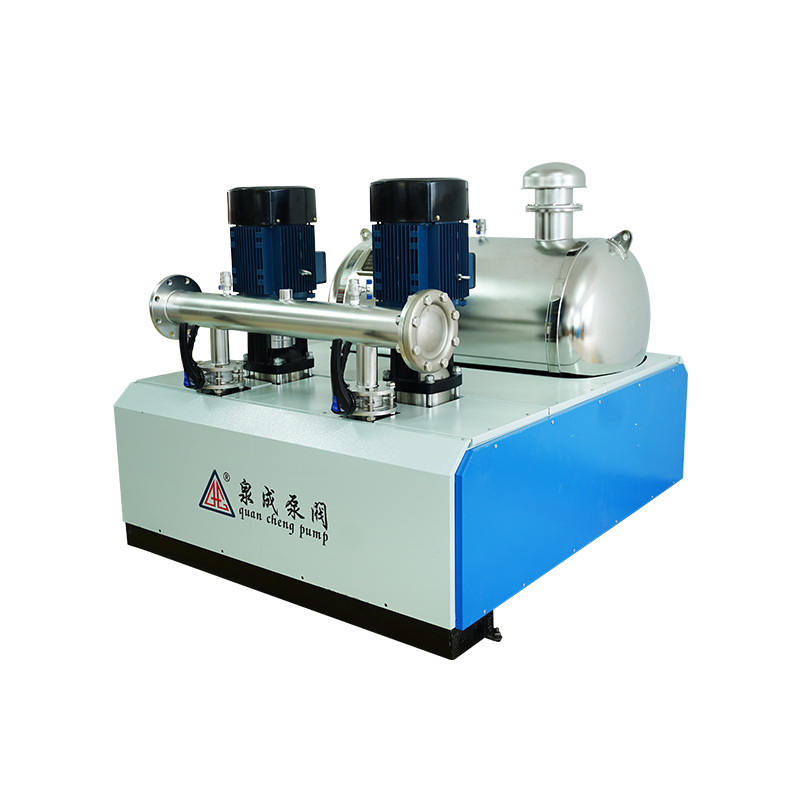
Product OverviewThe Non-negative Pressure Booster Steady Flow Water Supply Equipment uses the munici...
See Details -
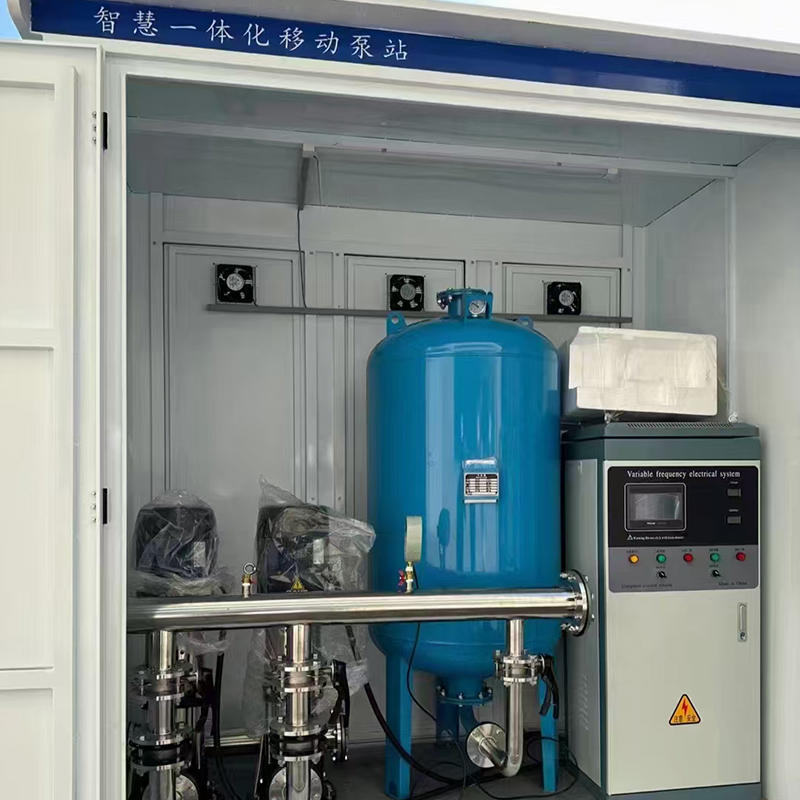
The Intelligent Constant Pressure Variable Frequency Water Supply Equipment is a water supply system...
See Details -
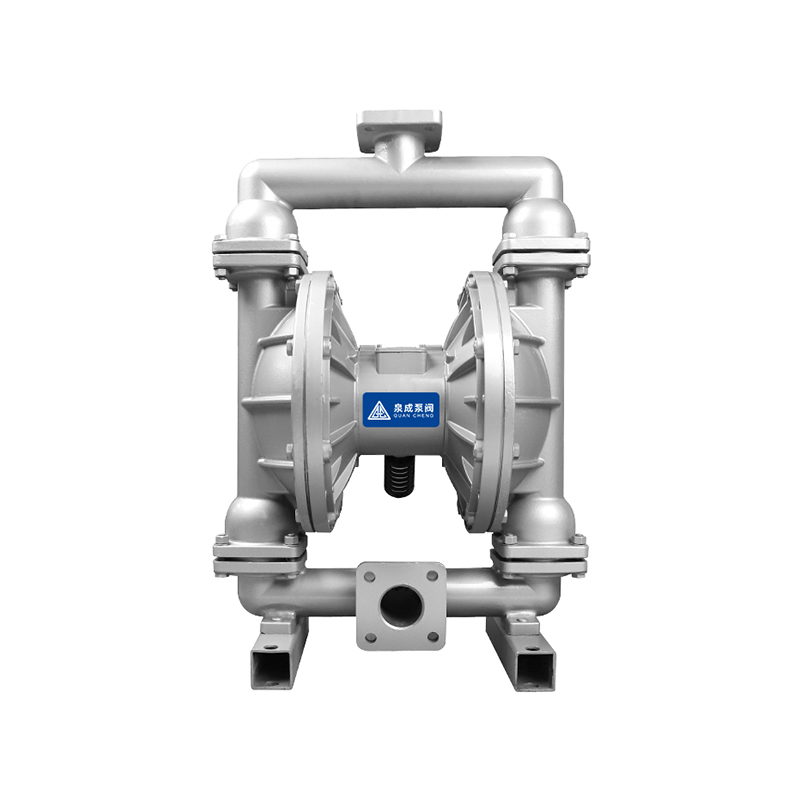
The QBY Air Operated Double Diaphragm Pump produced by our company is a new type of transport machin...
See Details
Copyright © Zhejiang Chuangken Fluid Co., Ltd. All Rights Reserved.
Intelligent Constant Pressure Water Supply System Factory
 浙公网安备33032402001888号
