

Full Automatic Constant Pressure Variable Frequency Water Supply Equipment is a new generation of hi...
See Details
Sewage Pump Factory Capabilities at a Glance
Industry News-Sewage pump factories produce specialized equipment designed to handle the movement of wastewater and other liquids in various operational settings. These manufacturing facilities focus on assembling pumps that support fluid transfer in municipal systems, industrial processes, and construction activities. As demand for reliable water management solutions continues, these factories contribute to the supply of pumps suited for challenging fluid conditions.
The manufacturing process in sewage pump factories involves coordinated stages that bring together engineering and production expertise. Facilities typically include areas for casting pump casings, machining components, and integrating motors or engine drives. Attention to material selection supports the creation of units that can manage solids and liquids commonly found in sewage applications. Production lines emphasize consistent assembly techniques to align impellers, volutes, and seals for operational functionality.
In industrial sectors, sewage pump factories provide equipment for factories, processing plants, and food production sites. These pumps assist with the transfer of effluents and process water, supporting continuous operations. Their construction allows deployment in locations where standard pumps may face limitations due to the nature of the fluids involved. This capability makes them a consideration for facilities managing daily liquid waste streams as part of routine activities.
Construction projects also rely on sewage pumps for temporary dewatering and site drainage. Factories produce portable and stationary units that contractors can position as needed during building or excavation work. The robust build of these pumps supports their use in environments with varying liquid compositions, contributing to project timelines by maintaining workable site conditions.
Core components manufactured in sewage pump factories include heavy-duty casings, wear-resistant impellers, and shaft assemblies. These parts undergo precision machining to ensure proper fit and balance during operation. Motor integration stations combine electrical or diesel drives with the pump body to create complete systems ready for installation. Quality verification steps at various production points help confirm that dimensions and tolerances align with design specifications.
Variations in pump designs allow sewage pump factories to address a range of installation scenarios. Submersible models offer options for direct placement in collection pits, while dry-mounted configurations suit above-ground setups. This diversity enables customization in terms of size and capacity to fit specific site requirements without major modifications during deployment.
In agricultural settings, sewage pumps find application in managing liquid from livestock operations and processing activities. Factories supply units that support the movement of these materials between storage and application areas. The equipment’s engineering helps facilitate efficient transfer in locations where gravity flow alone may not suffice.
Operators in different sectors value sewage pumps for their capacity to manage demanding fluid transfer tasks. Factories continue to refine manufacturing approaches to accommodate evolving equipment specifications while preserving core design principles. This focus supports the availability of pumps that address practical requirements in wastewater movement.
Sewage pump factories form part of the broader industrial landscape that equips sectors with tools for fluid management. Their output supports activities in municipal services, manufacturing, construction, and agriculture by providing pumps designed for specific operational challenges. Through structured production methods, these facilities help ensure that suitable equipment reaches locations where reliable performance matters in daily routines.
The presence of sewage pump factories underscores the importance of specialized manufacturing in sustaining infrastructure and industrial activities. Their role in producing pumps contributes to the functionality of systems that handle liquid flows across multiple contexts, supporting consistent operations without drawing attention to the equipment itself once installed.
Related products
-
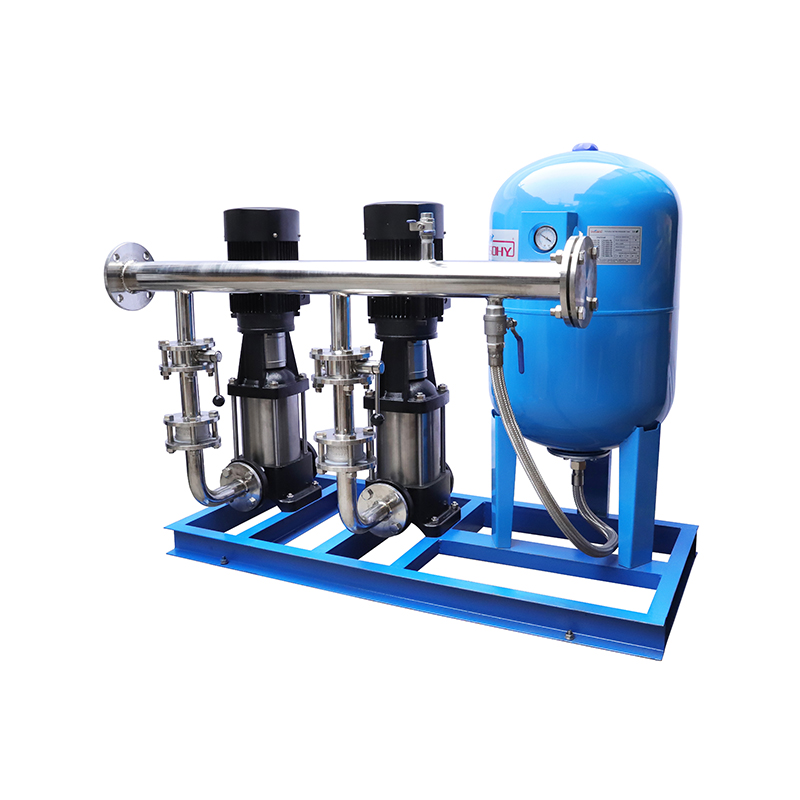
-
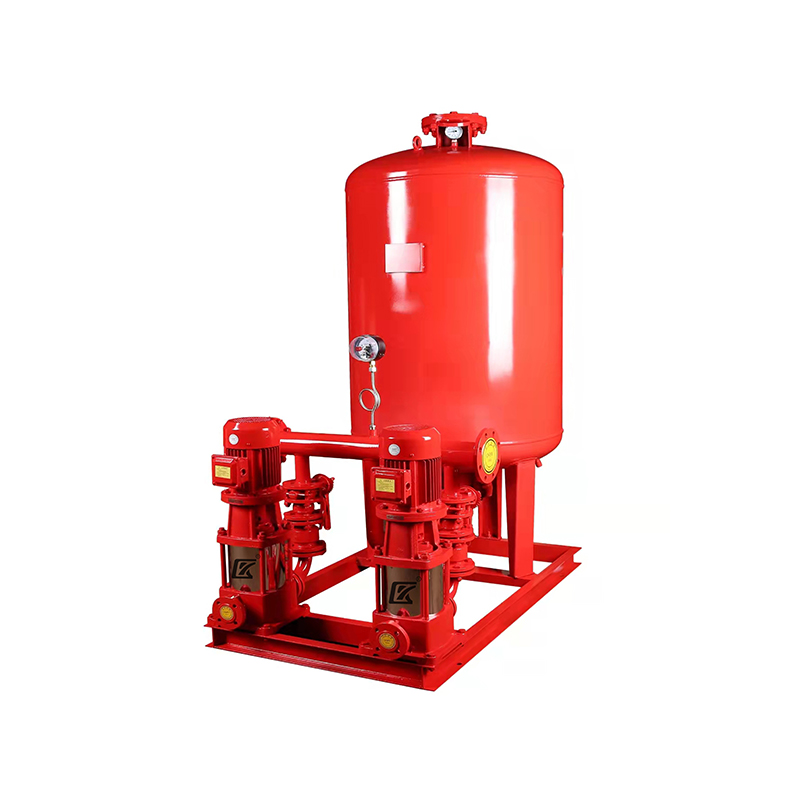
The Automatic Frequency Conversion Constant Pressure Fire Water Supply Equipment is designed and dev...
See Details -
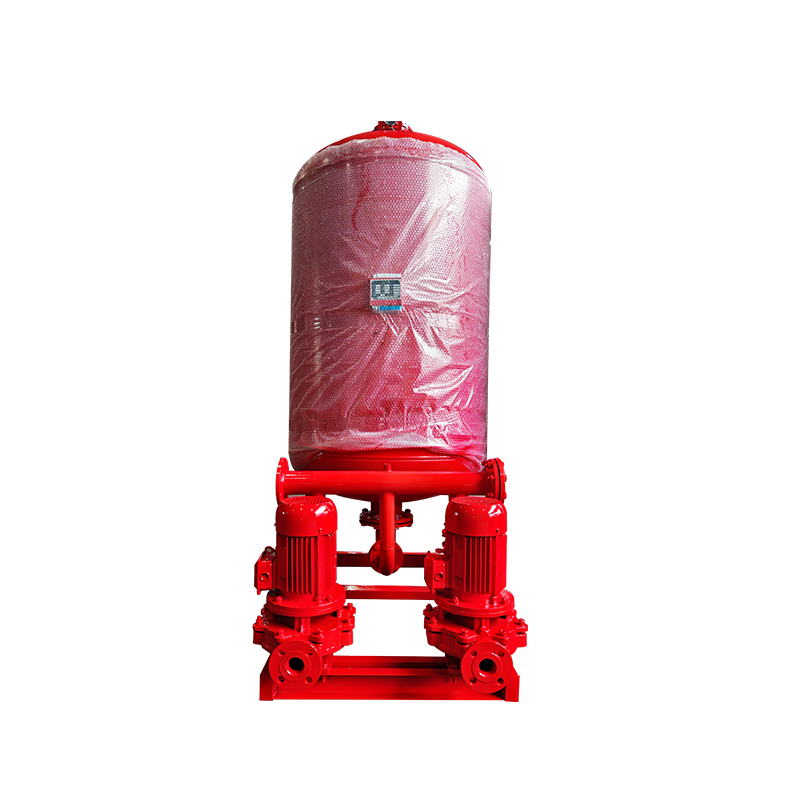
The Fire Fighting Air Pressure Water Supply Equipment typically consists of a pressure tank, pump un...
See Details -
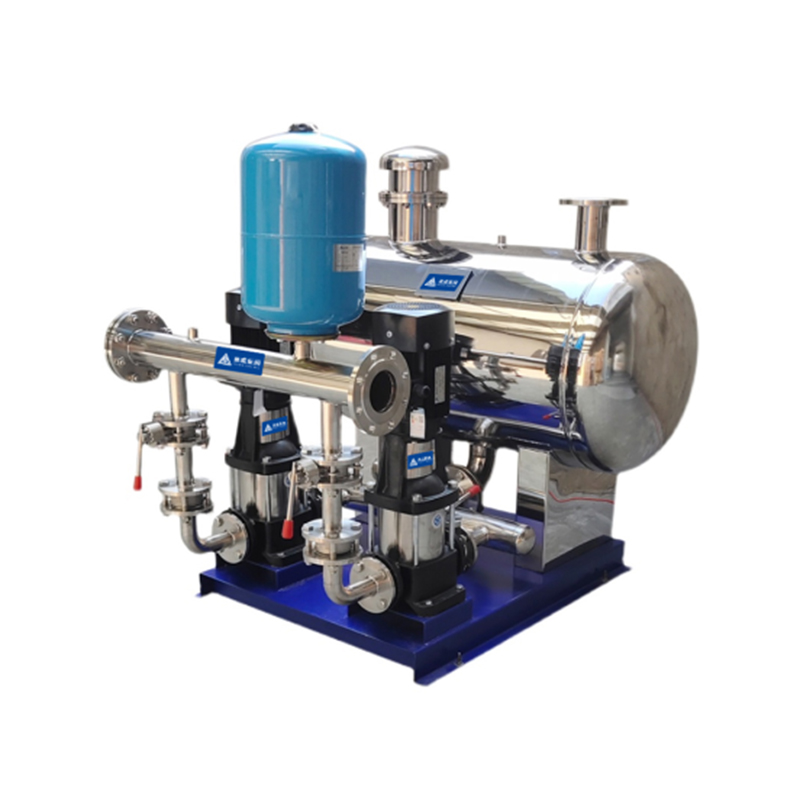
Non-negative pressure water supply equipment is a system composed of a non-negative pressure tank, p...
See Details -
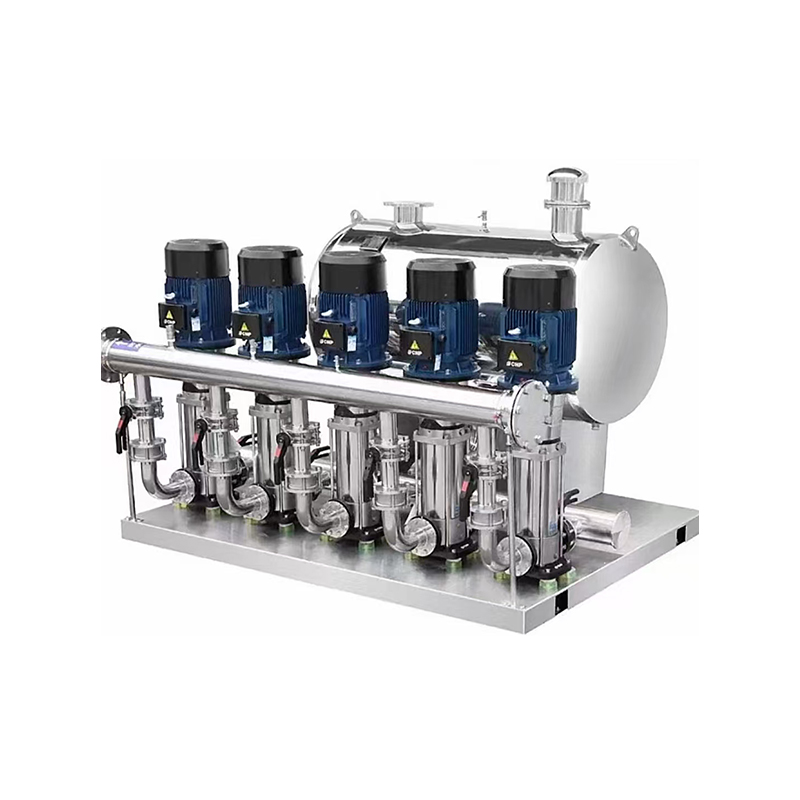
Traditional water supply methods rely heavily on water tanks, which are typically filled with water ...
See Details -
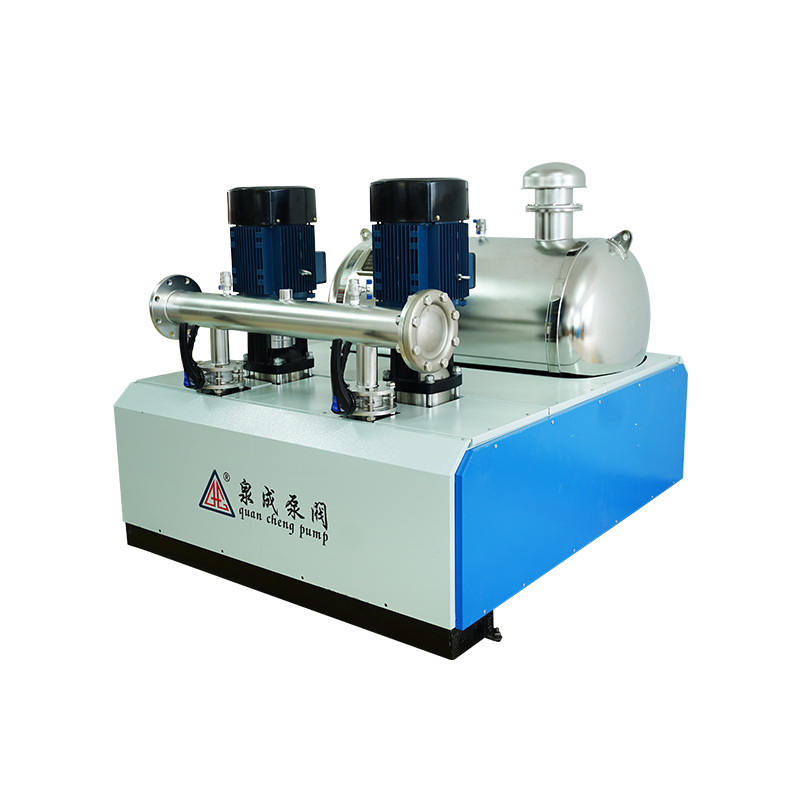
Product OverviewThe Non-negative Pressure Booster Steady Flow Water Supply Equipment uses the munici...
See Details -
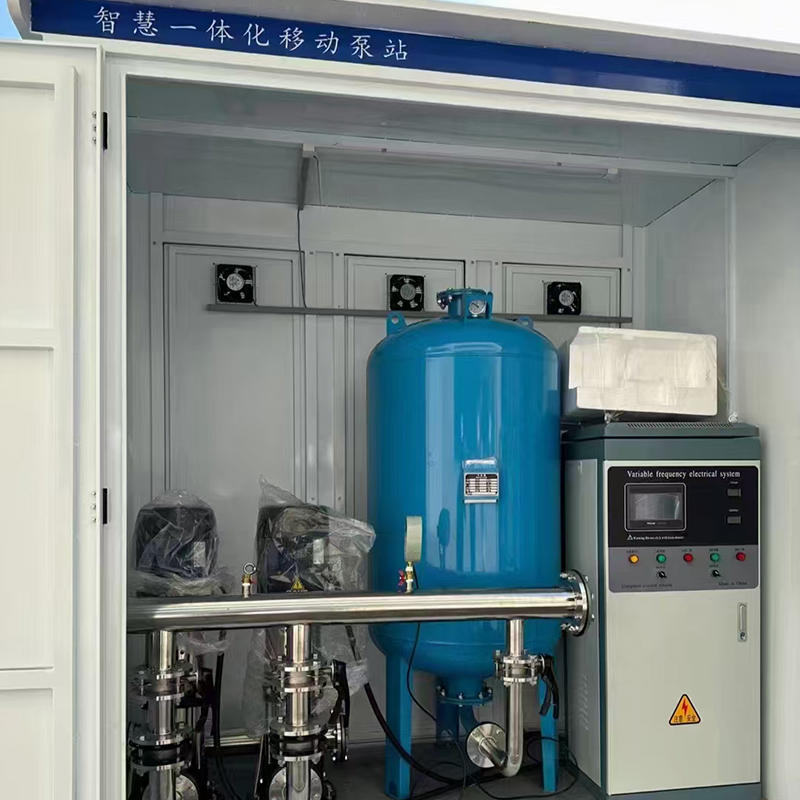
The Intelligent Constant Pressure Variable Frequency Water Supply Equipment is a water supply system...
See Details -
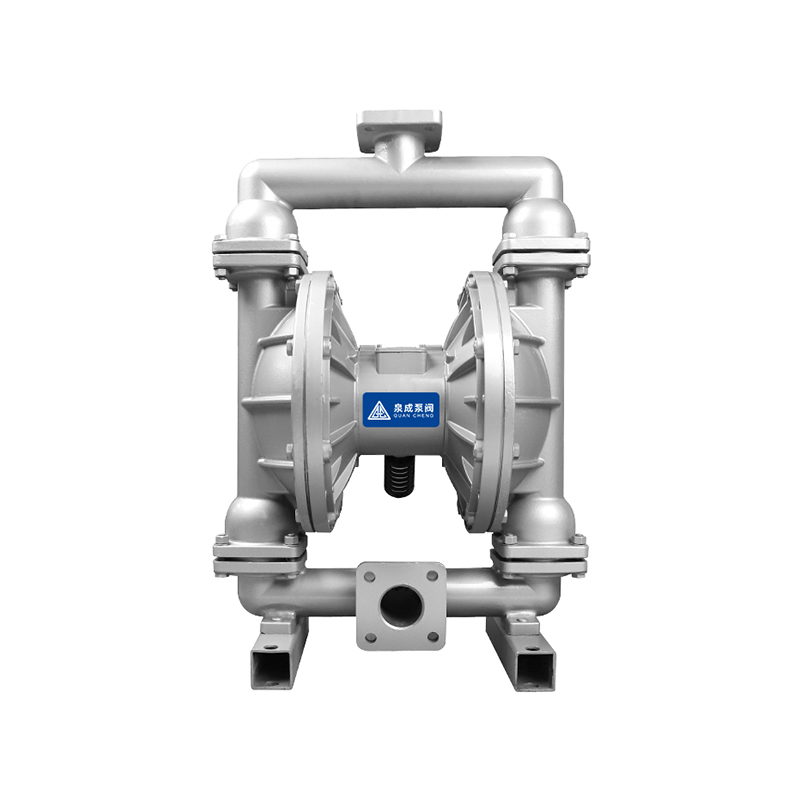
The QBY Air Operated Double Diaphragm Pump produced by our company is a new type of transport machin...
See Details
Copyright © Zhejiang Chuangken Fluid Co., Ltd. All Rights Reserved.
Intelligent Constant Pressure Water Supply System Factory
 浙公网安备33032402001888号
