

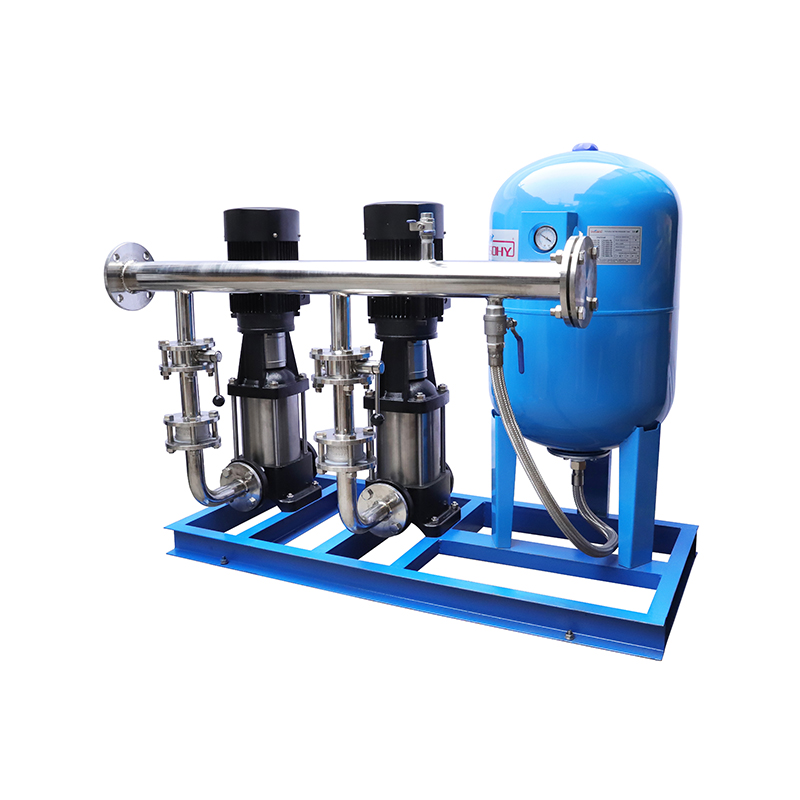
Full Automatic Constant Pressure Variable Frequency Water Supply Equipment is a new generation of hi...
See Details
Can a Self-sucking Pump Work with Various Liquids?
Industry News-Basic Working Principle
A self-sucking pump uses a recirculation chamber to separate air from liquid during startup. As the impeller turns, it creates a vacuum that pulls the mixture into the pump body. Air escapes while liquid recirculates until the suction line fills completely. This process allows the pump to establish flow from sources below the pump level.
The design typically includes a volute casing and specially shaped impeller that supports both priming and regular pumping phases. Once primed, the unit operates like standard centrifugal pumps, delivering steady flow for the duration of use.
Common Setup and Installation Notes
Operators place self-sucking pumps in accessible locations near water sources or storage tanks. Suction hoses or pipes connect directly, often with foot valves to retain initial liquid. The pump housing features ports arranged for easy connection and drainage.
Teams in different sectors adjust installation angles and heights based on site conditions. Proper alignment with the motor or engine helps reduce vibration during extended runs.
Typical Startup Steps:
- Fill the pump casing with liquid through the priming port
- Start the drive unit and monitor initial recirculation
- Confirm steady discharge before full operation
These steps help establish reliable function across repeated uses.
Applications in Field Conditions
Self-sucking pumps appear at construction sites for dewatering excavations and trenches. The ability to handle some solids and air pockets makes them suitable for muddy or intermittent flows. In agriculture, they support irrigation from ponds or wells where water levels vary.
Municipal teams use them for temporary bypass pumping during pipeline repairs. Industrial facilities employ self-sucking pump units for transferring process liquids between tanks or sumps. The pumps manage a range of viscosities depending on the specific model configuration.
| Component | Function in Operation | Common Material Options |
| Impeller | Creates recirculation and flow | Cast Iron or Stainless Steel |
| Volute Casing | Directs liquid and separates air | Durable Cast Materials |
| Check Valve | Maintains priming liquid | Various Metals or Composites |
| Shaft Assembly | Transmits power from motor | Steel Alloys |
The table shows main elements and their roles in everyday function. Configurations differ according to flow and head requirements.
Design Variations Available
Manufacturers produce self-sucking pumps in several sizes and drive options. Electric motor versions suit indoor or fixed installations, while engine-driven models offer portability for remote locations. Some units feature open impellers for handling small debris, while closed designs focus on cleaner fluids.
Material choices range from standard cast iron for general water service to corrosion-resistant alloys for chemical transfer. These options allow matching the pump to the characteristics of the liquid being moved.
Performance Factors in Use
Flow rates and pressure capabilities depend on impeller diameter, speed, and stage arrangements in certain models. Operators monitor discharge pressure and flow volume to match system demands. Self-sucking pumps generally provide good efficiency once primed and running at design conditions.
Temperature of the liquid affects performance margins, as does the altitude of the installation site. Teams account for these elements when selecting units for specific jobs. Regular observation during operation helps identify any changes in sound or output that may indicate adjustments.
Integration with Existing Systems
Many facilities connect self-sucking pumps to control panels for automatic start and stop based on level sensors. This setup reduces manual intervention in routine transfer tasks. Piping arrangements include isolation valves for easier servicing without draining entire systems.
In mobile applications, the pumps mount on skids or trailers with fuel tanks and hoses ready for transport. Quick-connect fittings speed up deployment at different sites throughout the workday.
Field observations show that self-sucking pump units contribute to smoother workflows in fluid handling. Their design addresses common challenges with suction lines that contain air or experience level changes. Teams across construction, agriculture, and industrial settings incorporate these pumps into daily operations for reliable liquid movement.
Related products
-
-
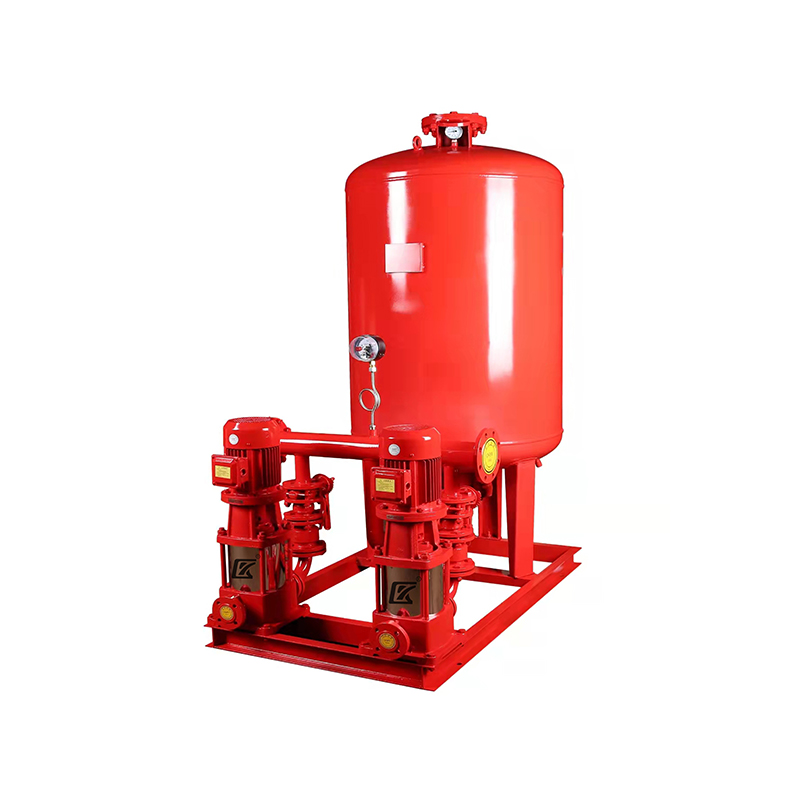
The Automatic Frequency Conversion Constant Pressure Fire Water Supply Equipment is designed and dev...
See Details -
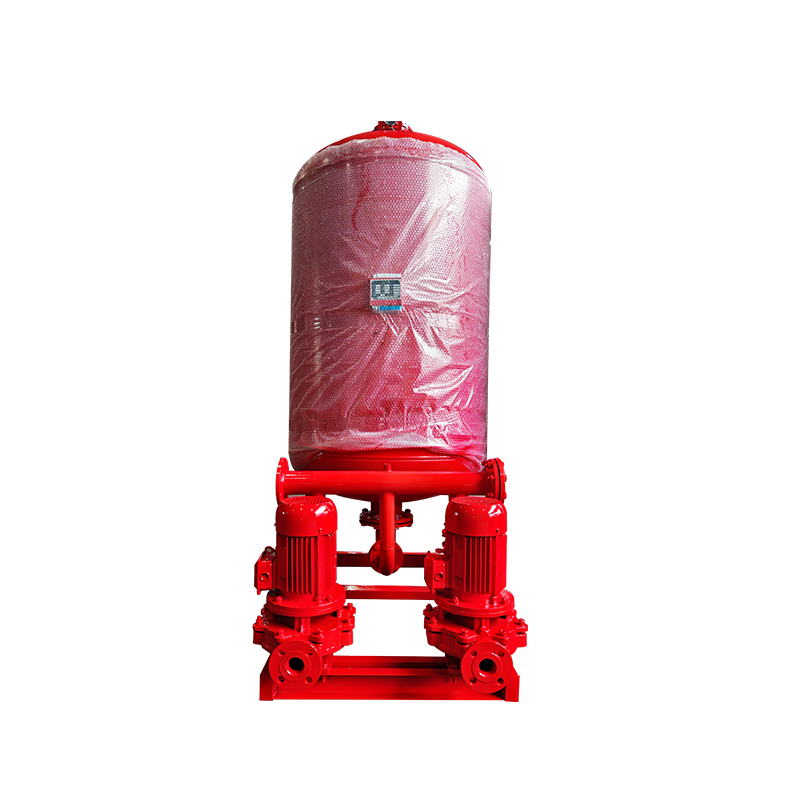
The Fire Fighting Air Pressure Water Supply Equipment typically consists of a pressure tank, pump un...
See Details -
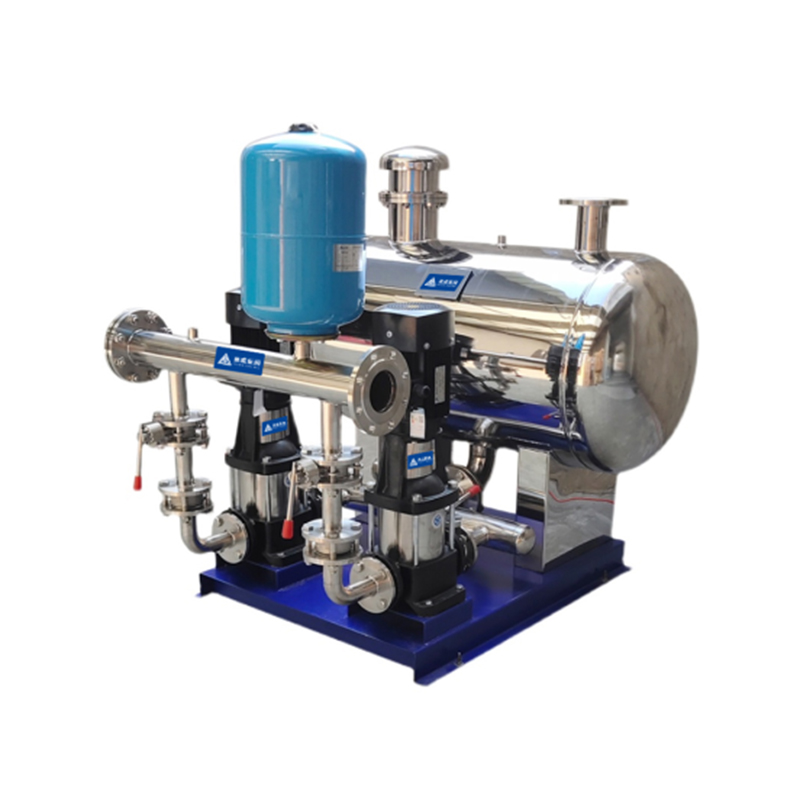
Non-negative pressure water supply equipment is a system composed of a non-negative pressure tank, p...
See Details -
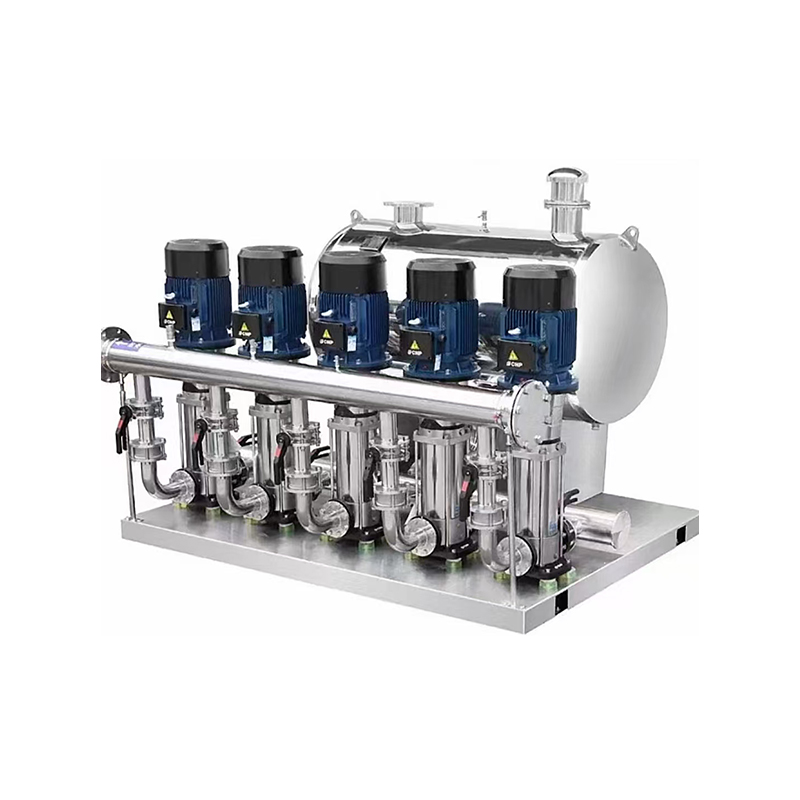
Traditional water supply methods rely heavily on water tanks, which are typically filled with water ...
See Details -
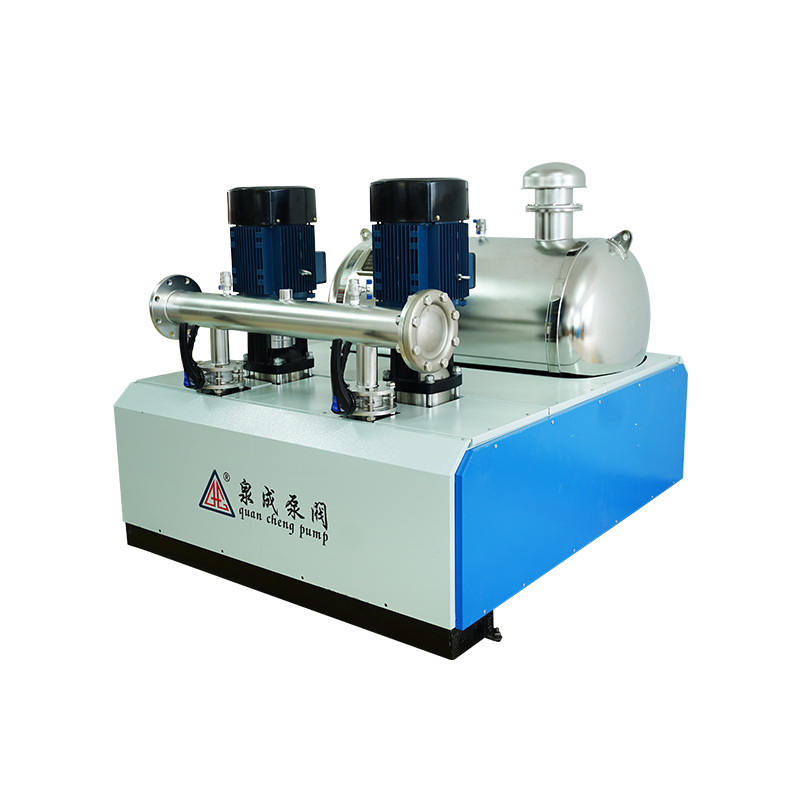
Product OverviewThe Non-negative Pressure Booster Steady Flow Water Supply Equipment uses the munici...
See Details -
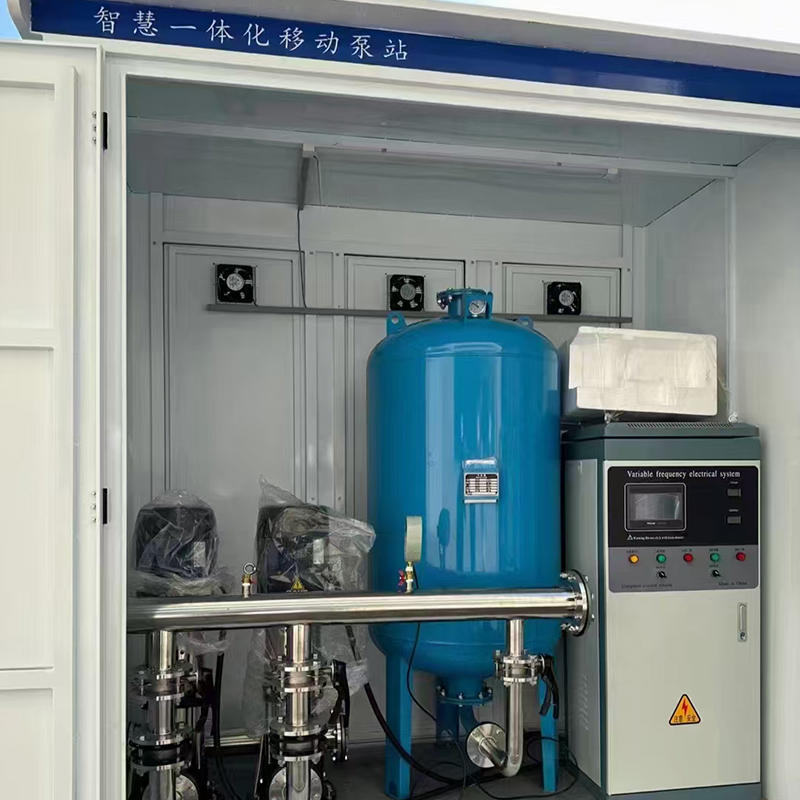
The Intelligent Constant Pressure Variable Frequency Water Supply Equipment is a water supply system...
See Details -
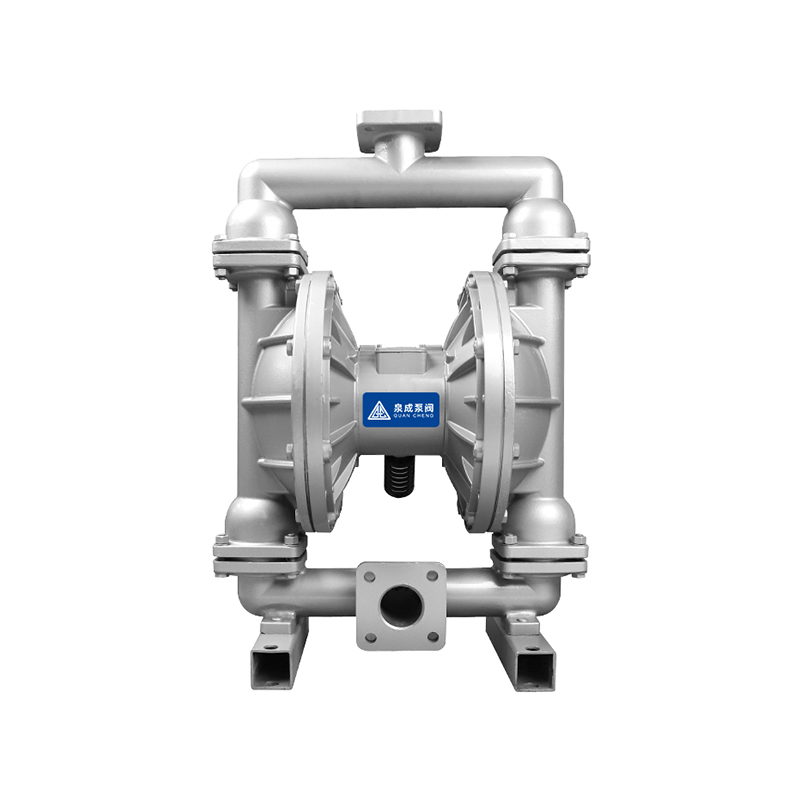
The QBY Air Operated Double Diaphragm Pump produced by our company is a new type of transport machin...
See Details
Copyright © Zhejiang Chuangken Fluid Co., Ltd. All Rights Reserved.
Intelligent Constant Pressure Water Supply System Factory
 浙公网安备33032402001888号
