

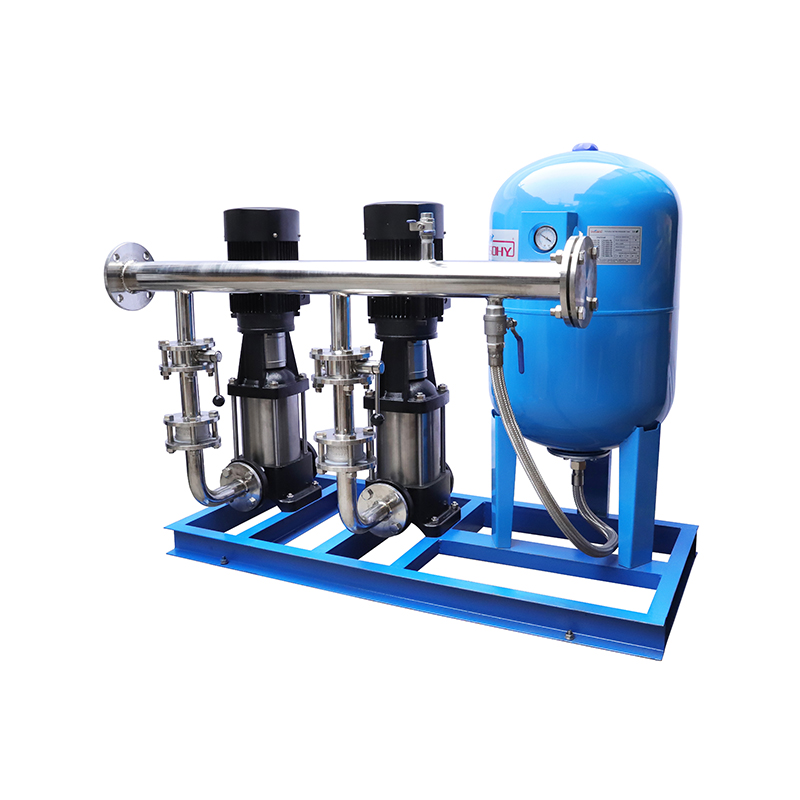
Full Automatic Constant Pressure Variable Frequency Water Supply Equipment is a new generation of hi...
See Details
Why Are Buildings Switching to a Variable Frequency Constant Pressure Water Supply Unit?
Industry News-The Core Idea Behind the System
Traditional pump setups often run at a single speed, which means pressure fluctuates depending on how much water multiple fixtures are drawing at once. A variable frequency constant pressure water supply unit instead uses a variable frequency drive to adjust motor speed continuously, matching pump output to actual demand rather than overshooting or undershooting pressure targets.
This matters practically in buildings where usage is unpredictable. A single household running a shower behaves differently than an apartment building where dozens of units might draw water simultaneously during a morning rush. The system responds to these shifts by speeding up or slowing down pump motors rather than relying on pressure tanks alone to smooth out demand.
Main Components Buyers Should Recognize
A typical variable frequency constant pressure water supply unit brings together several components into one coordinated system:
- Variable frequency drives (VFDs), which control motor speed based on real-time pressure sensor feedback
- Multiple pump units, often arranged so that one or more pumps can activate as demand increases
- A control panel, which monitors pressure and coordinates which pumps run and at what speed
Buyers sourcing this equipment typically want clarity on how many pumps a given unit supports, since larger buildings with more variable demand generally benefit from configurations with more pumps working in coordination rather than a single oversized unit doing all the work alone.
How the System Actually Responds to Demand
When demand is low — late at night, for example — a variable frequency constant pressure water supply unit might run a single pump at reduced speed, just enough to maintain target pressure. As demand increases, the control system brings additional pumps online or increases motor speed, keeping pressure within a defined range rather than letting it spike or drop noticeably. This responsiveness is the main functional difference from older constant-speed pump arrangements, which typically needed oversized equipment just to handle peak demand, running inefficiently the rest of the time.
Application Range
This type of system shows up across a fairly wide range of settings — residential high-rises, commercial buildings, industrial facilities needing consistent process water pressure, and irrigation systems covering large agricultural areas. The common thread across these applications is variable, sometimes unpredictable demand paired with a need for pressure consistency that a single fixed-speed pump can't reliably deliver on its own.
Sourcing Considerations for OEM and Bulk Buyers
For buyers pursuing private label or OEM/ODM arrangements, a variable frequency constant pressure water supply unit offers a fair amount of configuration flexibility — pump count, motor capacity, control panel programming, and housing design can all be adjusted to match a buyer's technical brief. Buyers generally get more accurate results by specifying required flow rate, pressure range, and typical demand pattern upfront, rather than requesting a general-purpose unit and hoping it fits.
Factories producing this equipment often maintain modular designs specifically to accommodate this kind of customization without needing a full redesign for each order, which helps buyers placing mid-volume orders get a reasonably tailored product without the cost structure of a fully custom build.
Final Thought
A variable frequency constant pressure water supply unit solves a problem that's easy to overlook until it isn't — steady water pressure in a building where demand never stays still. For buyers sourcing this equipment, understanding how the variable frequency drive, pump coordination, and control system work together makes it considerably easier to specify the right configuration for a given project.
Related products
-
-
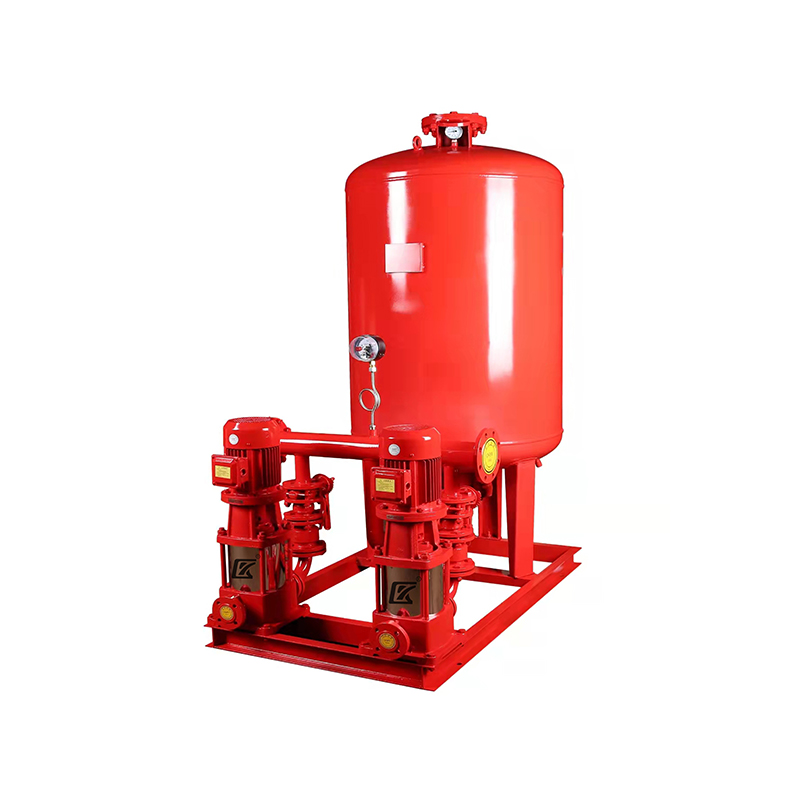
The Automatic Frequency Conversion Constant Pressure Fire Water Supply Equipment is designed and dev...
See Details -
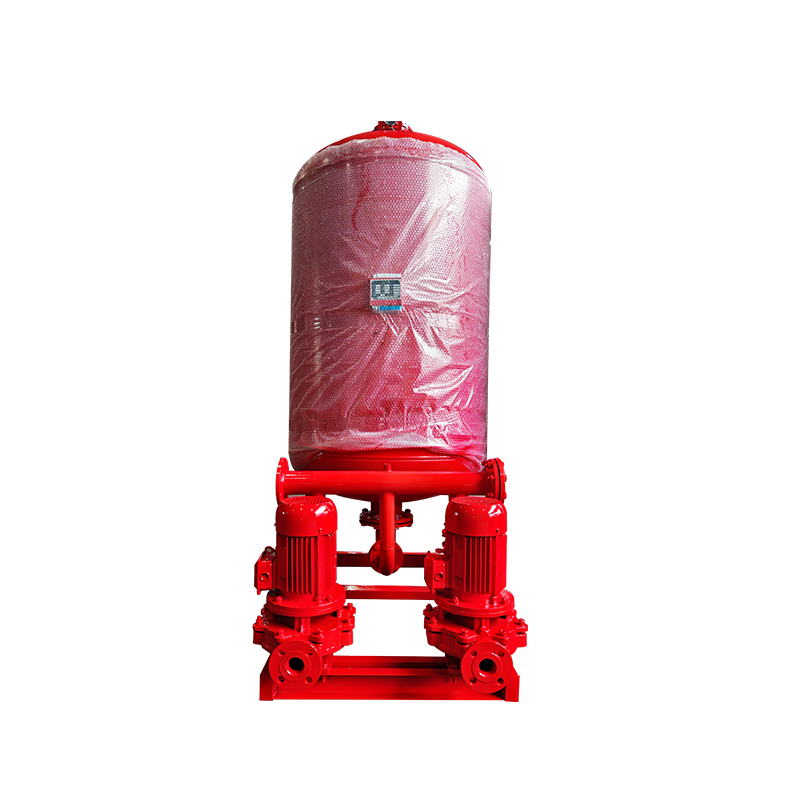
The Fire Fighting Air Pressure Water Supply Equipment typically consists of a pressure tank, pump un...
See Details -
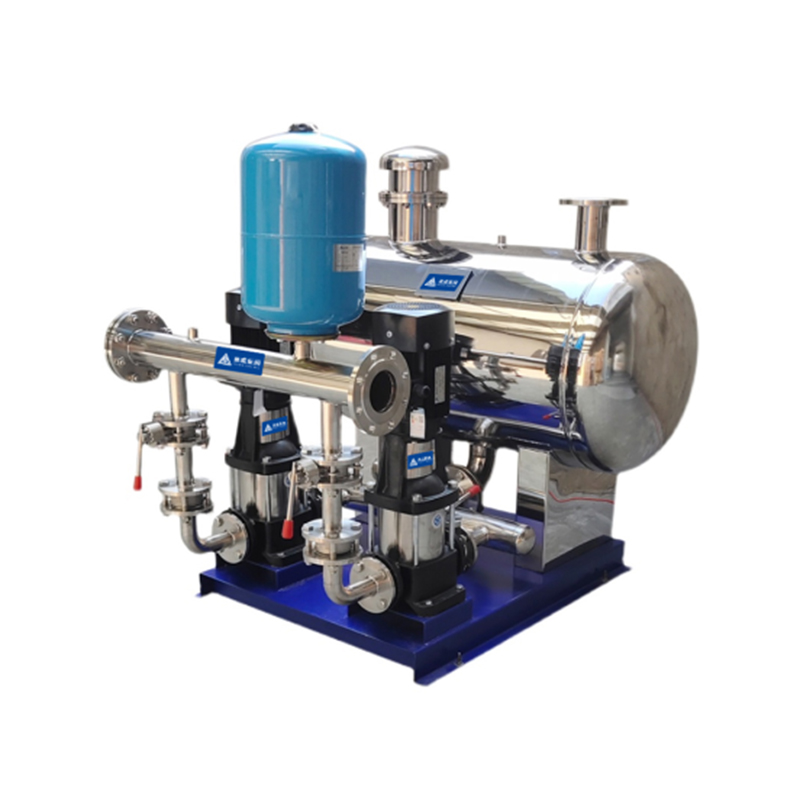
Non-negative pressure water supply equipment is a system composed of a non-negative pressure tank, p...
See Details -
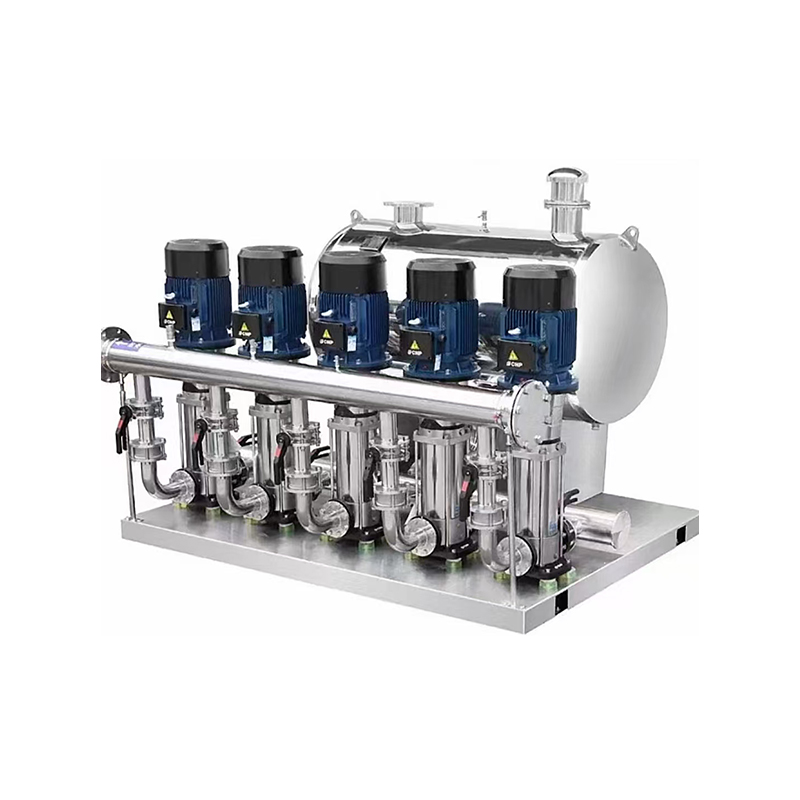
Traditional water supply methods rely heavily on water tanks, which are typically filled with water ...
See Details -
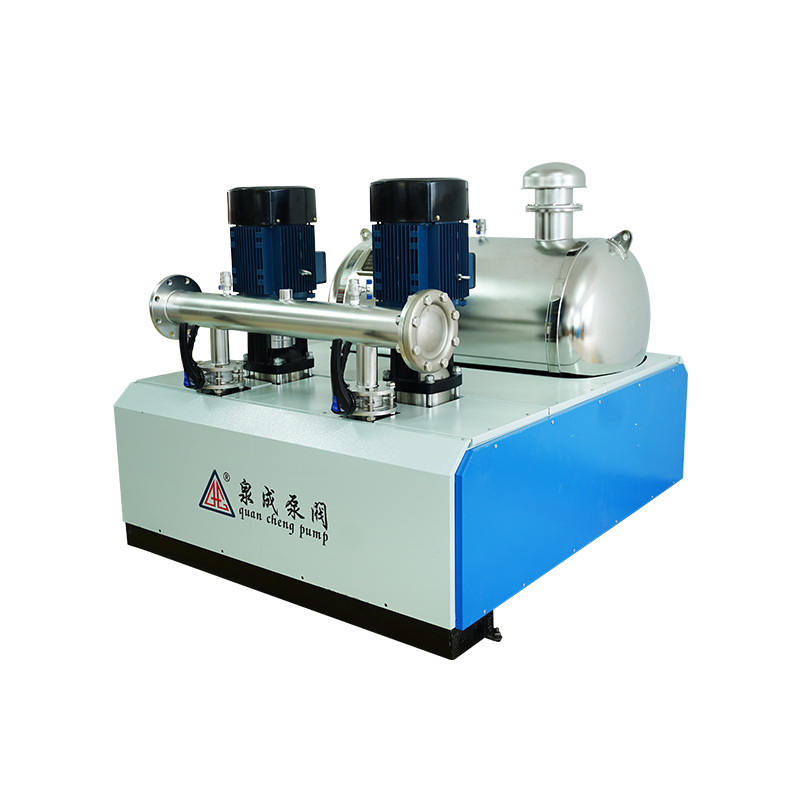
Product OverviewThe Non-negative Pressure Booster Steady Flow Water Supply Equipment uses the munici...
See Details -
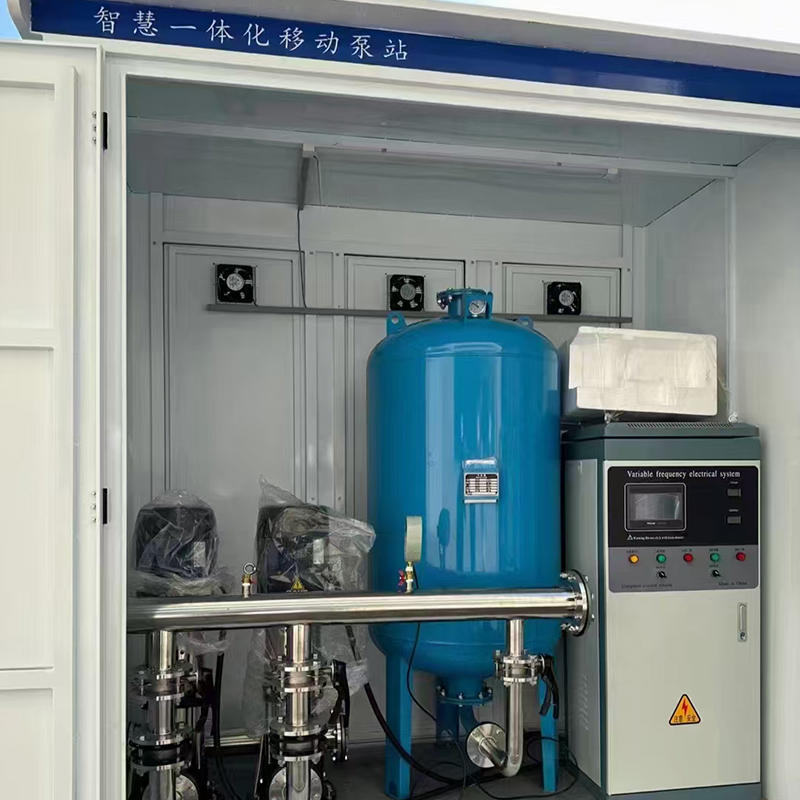
The Intelligent Constant Pressure Variable Frequency Water Supply Equipment is a water supply system...
See Details -
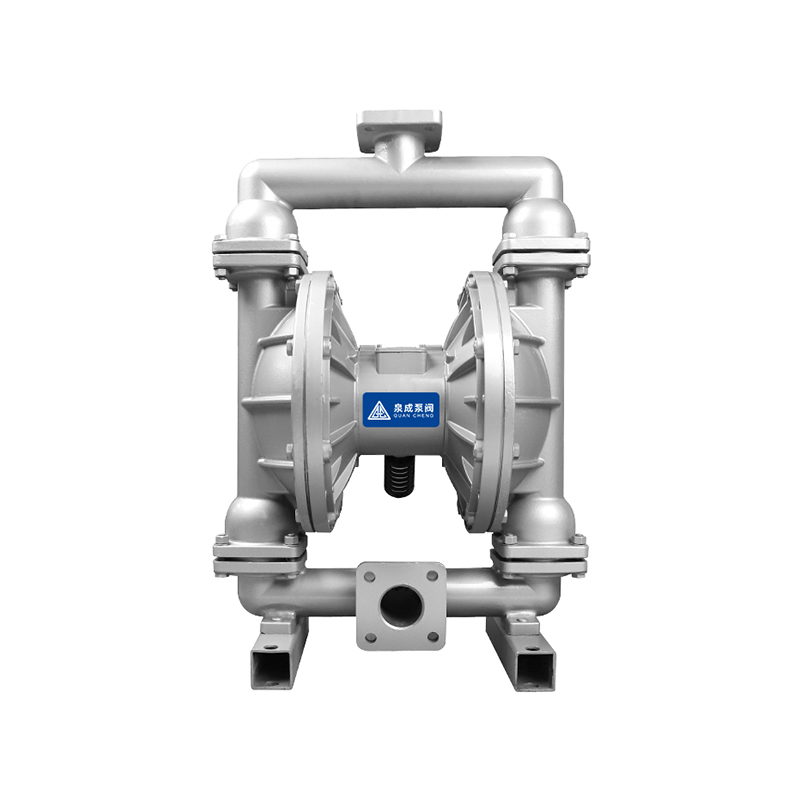
The QBY Air Operated Double Diaphragm Pump produced by our company is a new type of transport machin...
See Details
Copyright © Zhejiang Chuangken Fluid Co., Ltd. All Rights Reserved.
Intelligent Constant Pressure Water Supply System Factory
 浙公网安备33032402001888号
