

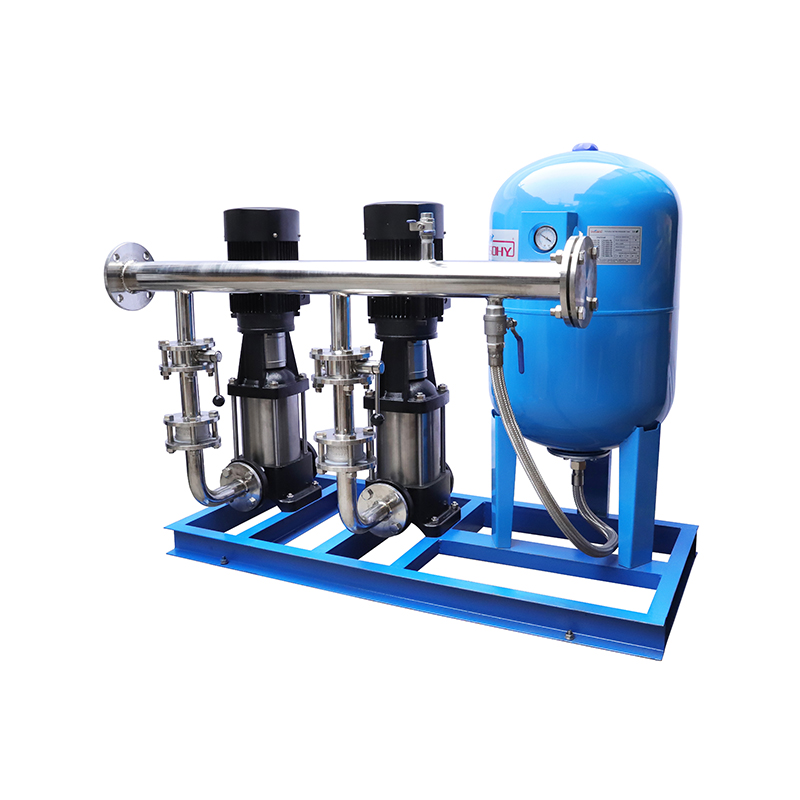
Full Automatic Constant Pressure Variable Frequency Water Supply Equipment is a new generation of hi...
See Details
Choosing the Right Constant Pressure Water Supply System
Industry News-What a Constant Pressure Water Supply System Does
The core function is straightforward: maintain consistent water pressure throughout a building's plumbing network under varying demand conditions. In a conventional setup, pressure fluctuates as demand changes. Open more taps, run the dishwasher, flush a toilet — each action pulls from the same supply and causes pressure to drop elsewhere in the system.
A constant pressure system uses a variable frequency drive, commonly called a VFD, to continuously adjust the speed of the pump motor in real time. When demand increases, the pump speeds up. When demand drops, it slows down. A pressure sensor monitors the system and feeds data back to the controller, which makes adjustments fast enough that pressure variations at individual outlets stay within a narrow, barely noticeable range. The result is a supply that feels stable whether one person is using water or ten.
Where These Systems Are Commonly Used
Constant pressure systems show up across a wide range of applications. In residential settings, they're particularly common in homes supplied by private wells, where the pressure tank and simple pressure switch arrangement of older installations struggles to keep up with modern household demand. Replacing that setup with a constant pressure system noticeably changes the experience of daily water use.
In multi-story apartment buildings, maintaining adequate pressure on upper floors while avoiding excessive pressure on lower ones is a persistent challenge. Constant pressure systems handle this more reliably than fixed-speed pumps, which either over-pressurize lower floors or leave upper floors underserved.
Commercial and light industrial applications — hotels, car washes, food processing facilities, irrigation networks — also rely on these systems when consistent flow is operationally important. A car wash that loses pressure mid-cycle or an irrigation zone that delivers uneven coverage creates real problems. Consistent pressure prevents those scenarios.
Key Components and How They Work Together
A constant pressure water supply system typically consists of a pump, a VFD controller, a pressure transducer, a small pressure tank, and the associated pipework and electrical connections. Each part plays a specific role.
The pump moves the water. The VFD adjusts how fast the pump runs based on instructions from the controller. The pressure transducer measures actual system pressure continuously and reports back. The controller compares the measured pressure against the target setpoint and signals the VFD to speed up or slow down accordingly. The small pressure tank — much smaller than the large tanks used in traditional systems — absorbs minor pressure spikes and protects the pump from short-cycling.
The coordination between these components happens in milliseconds, which is why the pressure response feels seamless from the user's perspective.
Practical Advantages Worth Knowing
Beyond the obvious comfort of stable water pressure, constant pressure systems carry a few other practical benefits. Because the pump only runs as fast as the current demand requires, energy consumption drops compared to fixed-speed pumps that run at full capacity regardless of load. Over a year of operation, that difference adds up.
Softer pump starts and stops — enabled by the VFD — also reduce mechanical wear on the pump and stress on the pipework. Traditional pump setups that kick on hard and shut off abruptly create pressure surges that work against fittings, joints, and seals over time. A variable speed system avoids that.
Installation and setup have also become more accessible as the technology has matured. Controllers come pre-configured for common applications, and many systems can be commissioned with straightforward adjustments to the target pressure setpoint.
For buildings where water demand varies through the day and consistent pressure actually matters, a constant pressure water supply system is a considered, practical choice.
Related products
-
-
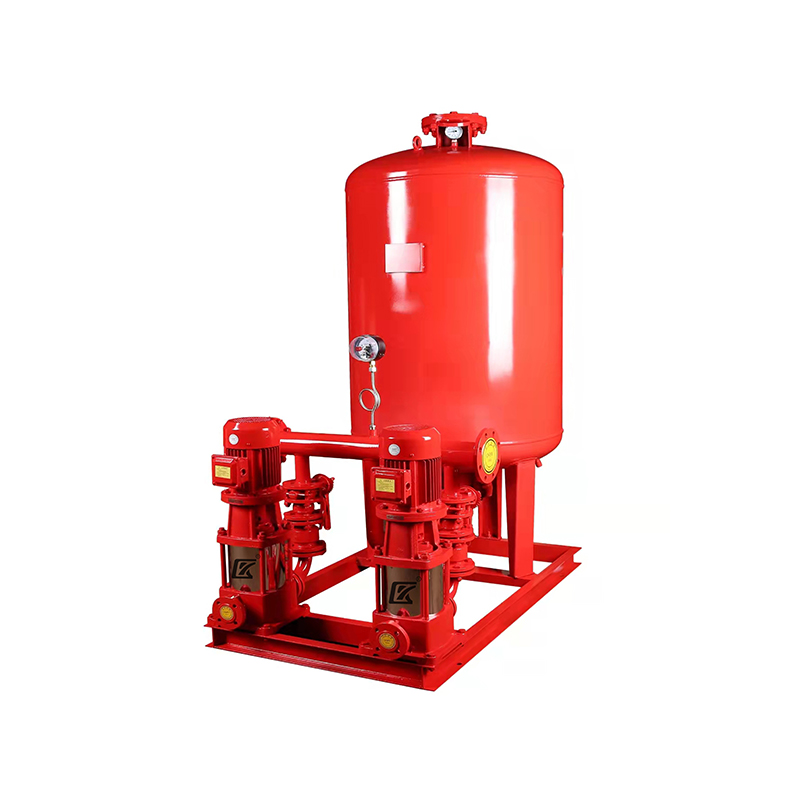
The Automatic Frequency Conversion Constant Pressure Fire Water Supply Equipment is designed and dev...
See Details -
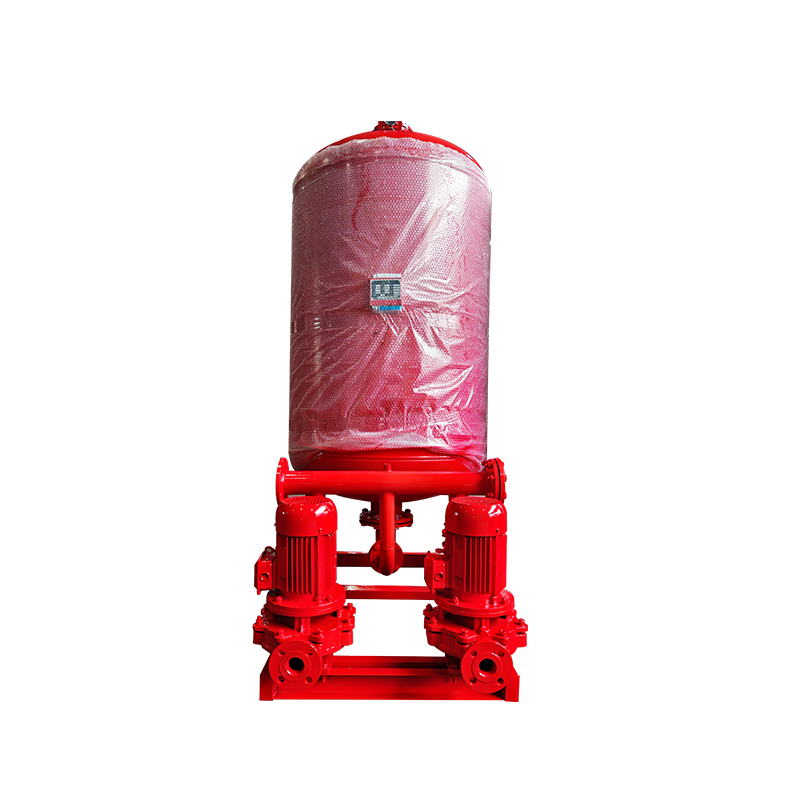
The Fire Fighting Air Pressure Water Supply Equipment typically consists of a pressure tank, pump un...
See Details -
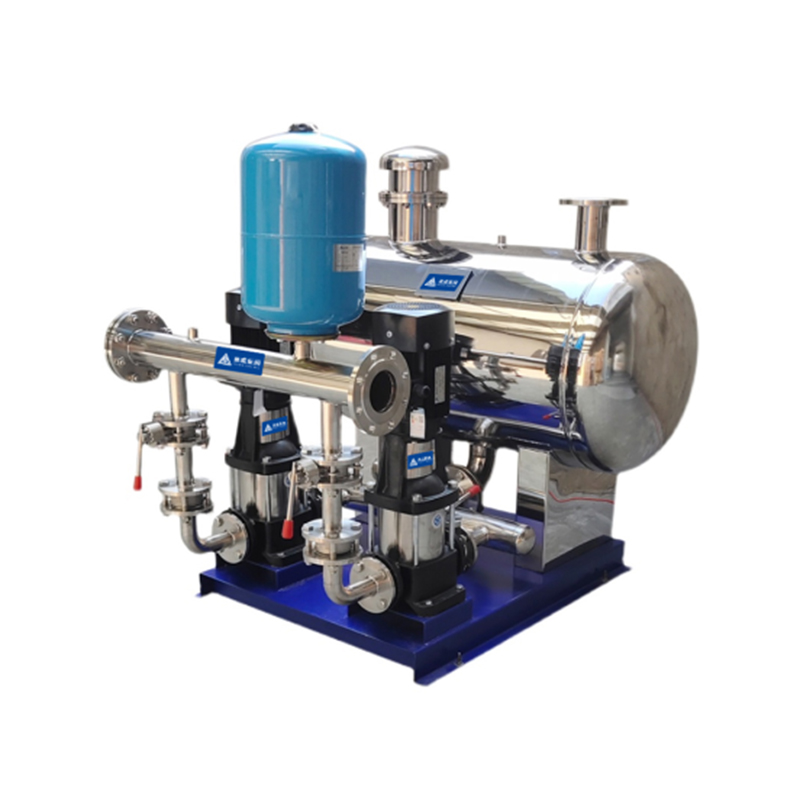
Non-negative pressure water supply equipment is a system composed of a non-negative pressure tank, p...
See Details -
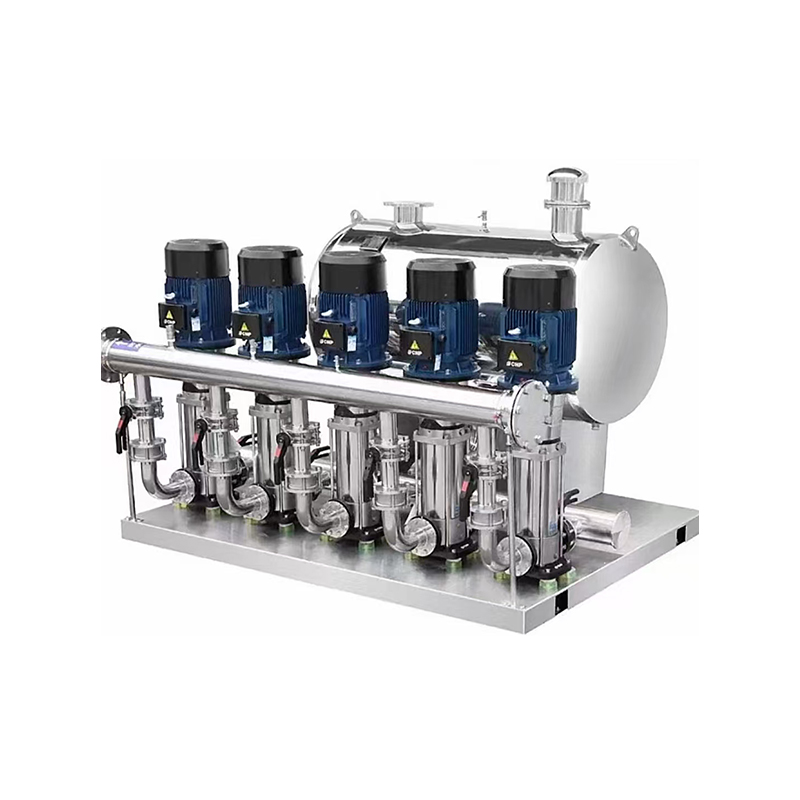
Traditional water supply methods rely heavily on water tanks, which are typically filled with water ...
See Details -
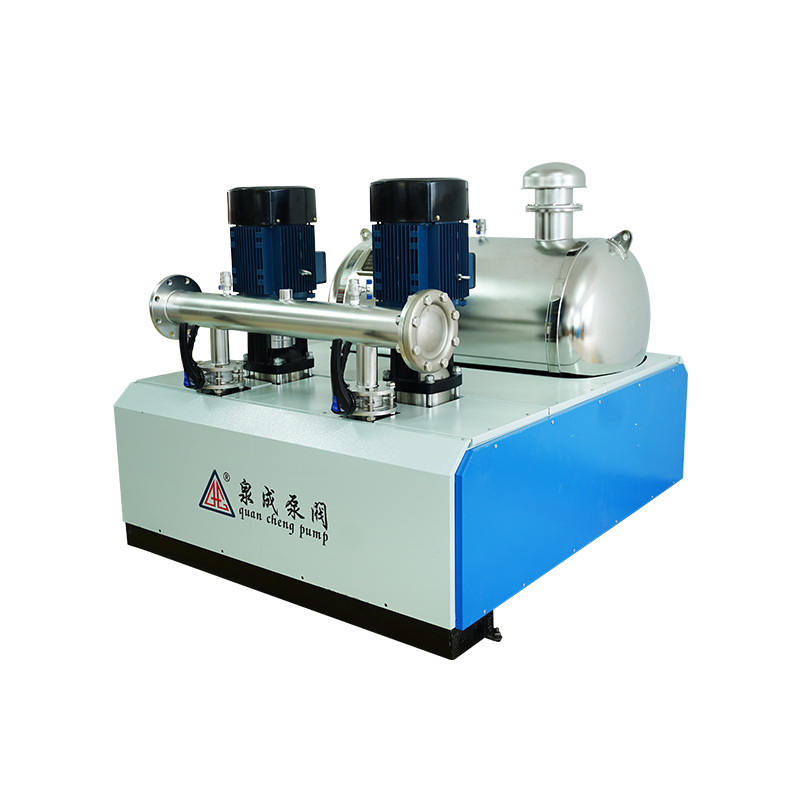
Product OverviewThe Non-negative Pressure Booster Steady Flow Water Supply Equipment uses the munici...
See Details -
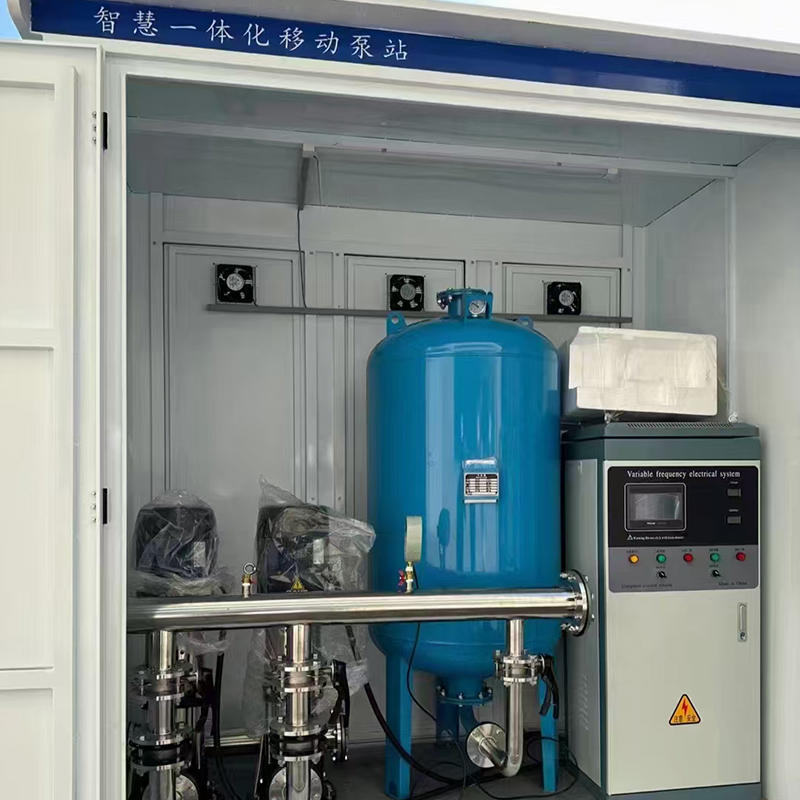
The Intelligent Constant Pressure Variable Frequency Water Supply Equipment is a water supply system...
See Details -
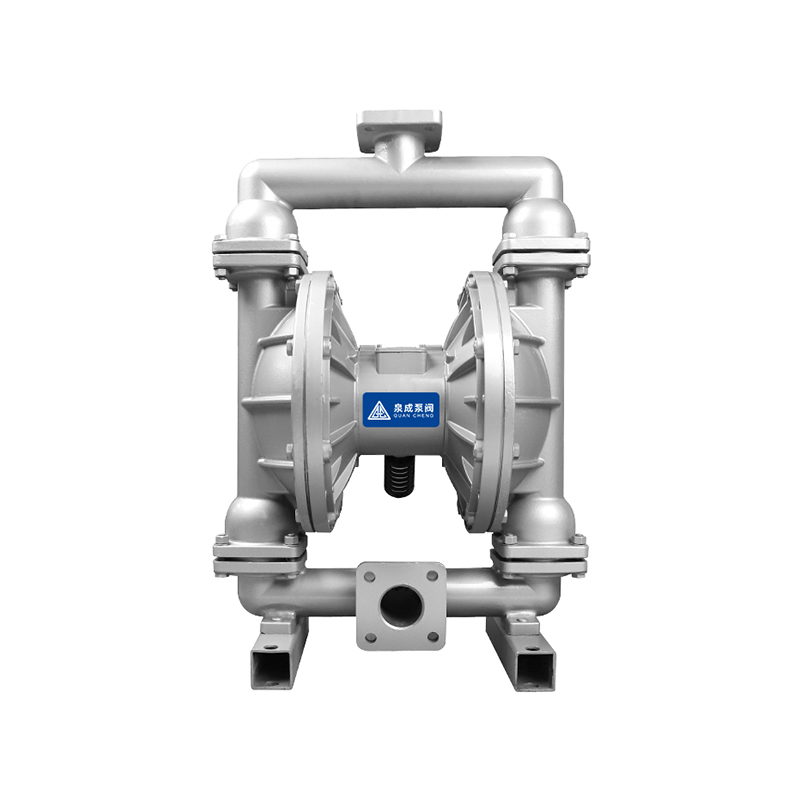
The QBY Air Operated Double Diaphragm Pump produced by our company is a new type of transport machin...
See Details
Copyright © Zhejiang Chuangken Fluid Co., Ltd. All Rights Reserved.
Intelligent Constant Pressure Water Supply System Factory
 浙公网安备33032402001888号
