

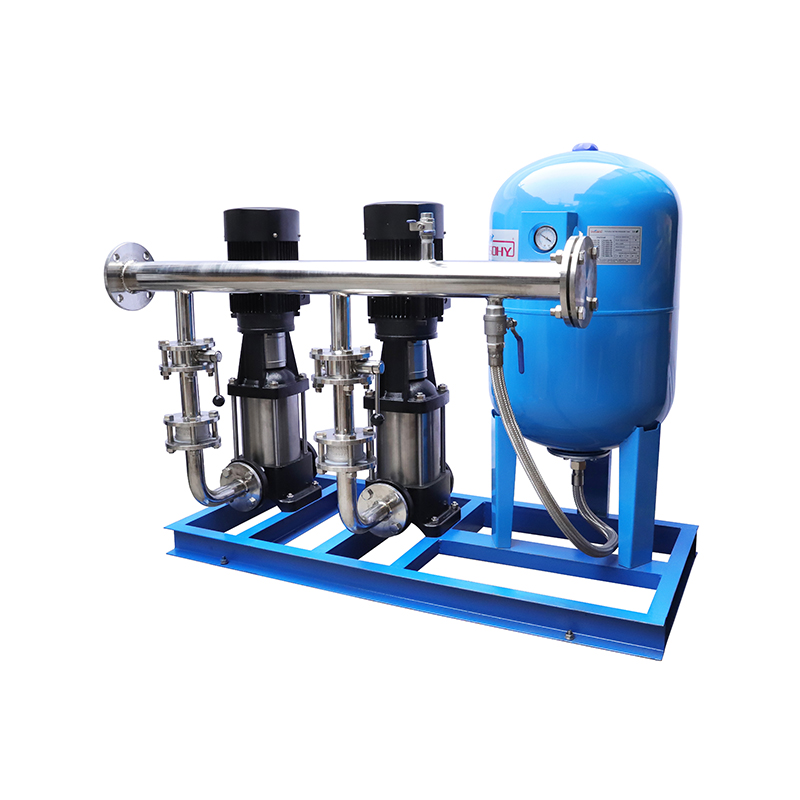
Full Automatic Constant Pressure Variable Frequency Water Supply Equipment is a new generation of hi...
See Details
Multistage Pump Factory Capability Differences Explained
Industry News-Multistage pumps are used wherever a single impeller isn't enough to reach the required pressure. Water supply systems for high-rise buildings, boiler feed circuits in power generation, reverse osmosis pre-pressurization, mine dewatering operations, irrigation schemes covering large elevation changes — all of these applications share the same basic requirement. They need pressure, more of it than a single-stage pump can reliably produce, delivered consistently across varying flow conditions. A multistage pumps factory exists to manufacture the equipment that fills that gap, and the quality of what it produces matters considerably more than the price printed on the quotation.
Manufacturing scope is the first thing worth understanding when evaluating a factory. Some factories machine their own impellers and diffuser bowls, cast or fabricate their own pump casings, and wind their own motor stators in-house. Others source most of those components externally and operate primarily as assembly facilities. Both models exist across the industry, and neither is automatically a red flag — but they carry different risk profiles. A factory with genuine in-house machining capability can control tolerances directly and respond to quality issues at the source. An assembly-focused operation is dependent on the consistency of its component supply chain, which adds a layer of variability that isn't always visible from the outside.
Hydraulic testing infrastructure is one of the more telling indicators of a factory's capability. A multistage pump that looks right on paper needs to be tested under load before it ships. Factories with full-scale test rigs — capable of running pumps across their operating curve at rated pressure and flow — can verify performance before a unit leaves the building. Those without that infrastructure are asking the buyer to take the published specifications on faith.
Product range breadth is another variable. Some factories concentrate on a narrow band of the multistage pump market — compact vertical multistage units for building services, for example, or horizontal multistage pumps for industrial process duties. Others cover a wider span, from small-diameter stainless steel units used in food and beverage applications through to large cast iron or bronze configurations for heavy industrial and mining service. A factory's range usually reflects where its engineering investment has been focused, which in turn suggests where its practical experience is deepest.
Customization capability separates another layer of factories from one another. Standard catalog configurations handle the majority of common applications. But infrastructure projects, process engineering schemes, and OEM integrations regularly require something outside the catalog — a specific material combination, an unusual motor frame size, a modified impeller trim to hit a precise duty point, or integration with a packaged control system. Factories equipped to handle those requirements — with hydraulic modeling capability, application engineering support, and the willingness to run factory acceptance tests on non-standard units — occupy a different position in the supply chain from those that treat every deviation from standard product as a complication to be avoided.
The multistage pump market has enough suppliers that buyers have genuine options. The challenge is that product catalogs and price lists don't always surface the differences that matter. Manufacturing depth, testing infrastructure, certification coverage, and engineering support capacity tend to be the factors that separate a reliable long-term supplier from one that performs adequately on the first order and creates problems on the third.
Related products
-
-
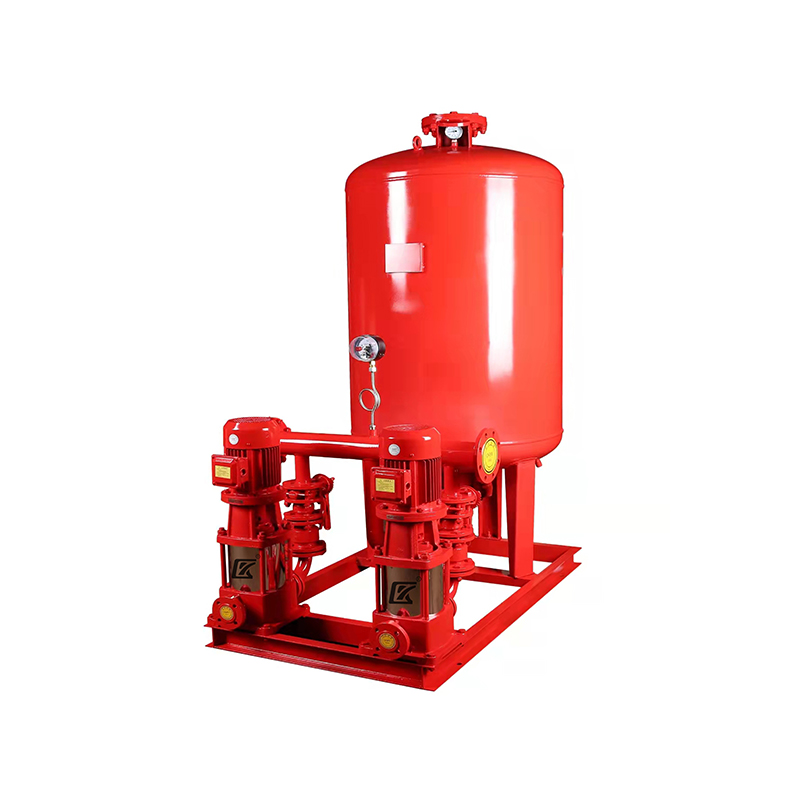
The Automatic Frequency Conversion Constant Pressure Fire Water Supply Equipment is designed and dev...
See Details -
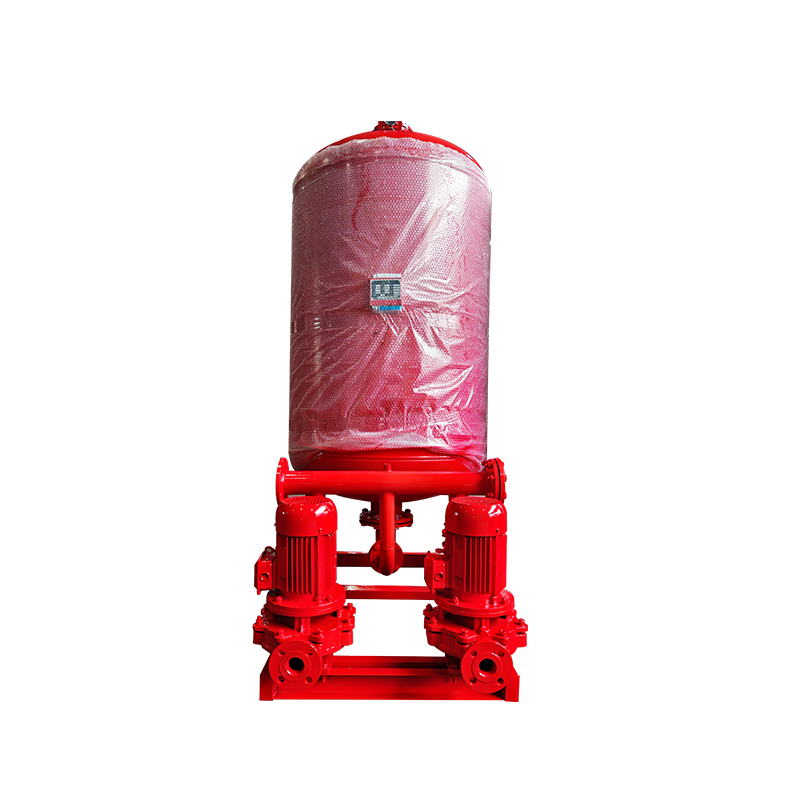
The Fire Fighting Air Pressure Water Supply Equipment typically consists of a pressure tank, pump un...
See Details -
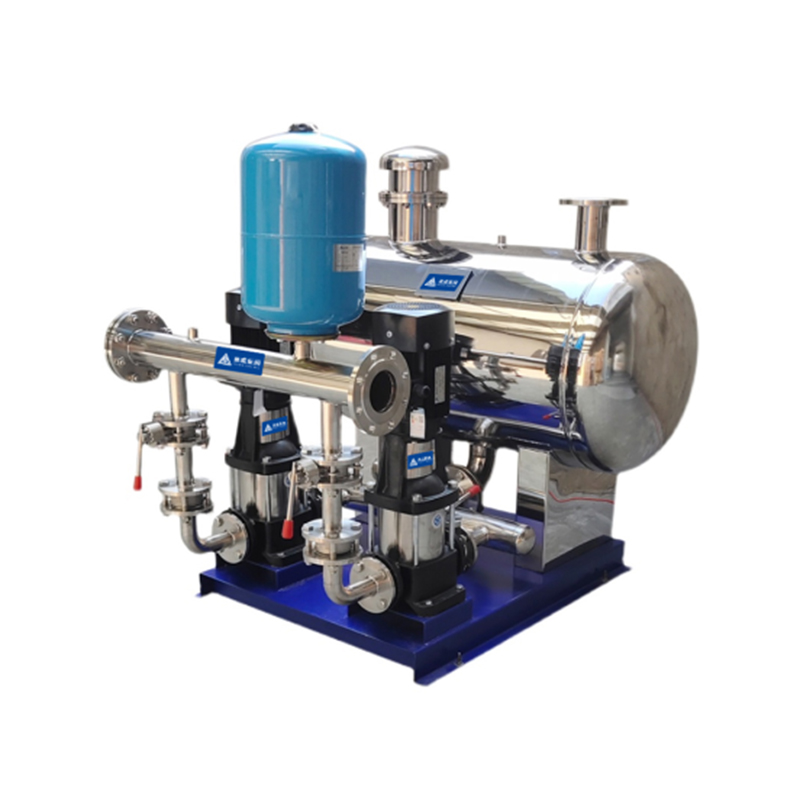
Non-negative pressure water supply equipment is a system composed of a non-negative pressure tank, p...
See Details -
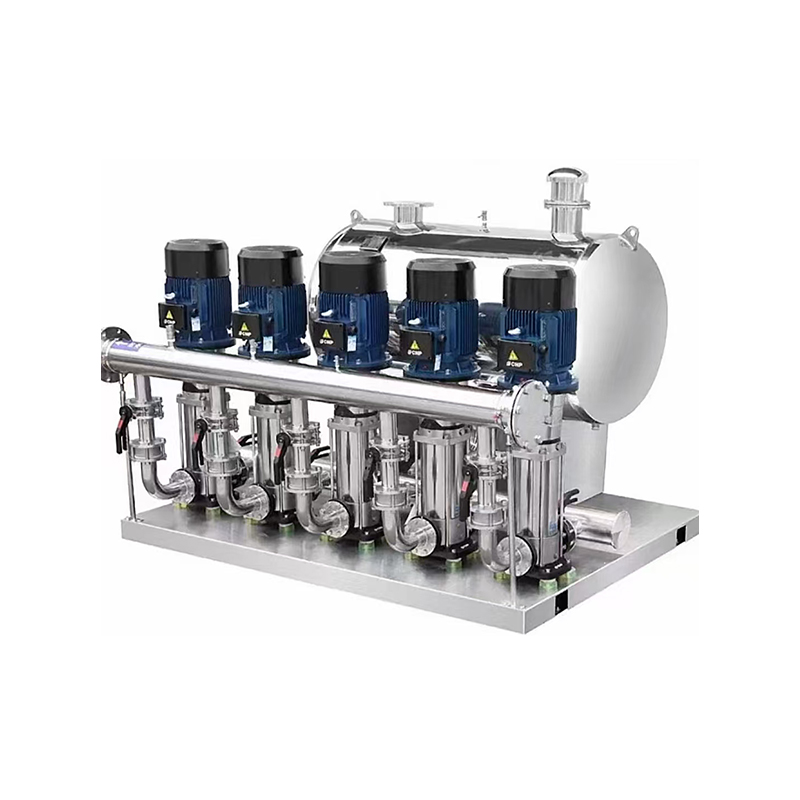
Traditional water supply methods rely heavily on water tanks, which are typically filled with water ...
See Details -
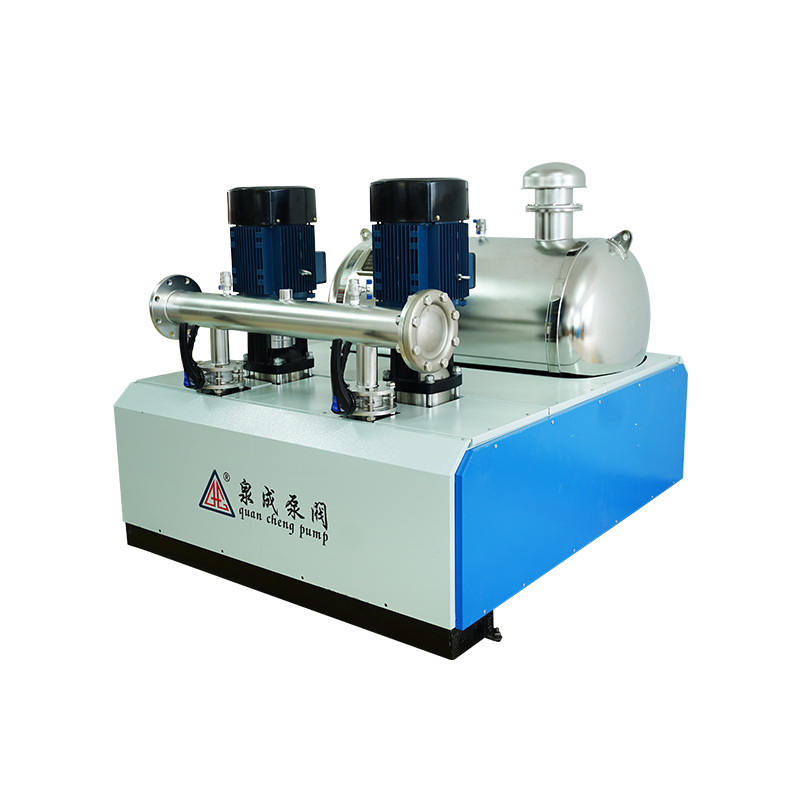
Product OverviewThe Non-negative Pressure Booster Steady Flow Water Supply Equipment uses the munici...
See Details -
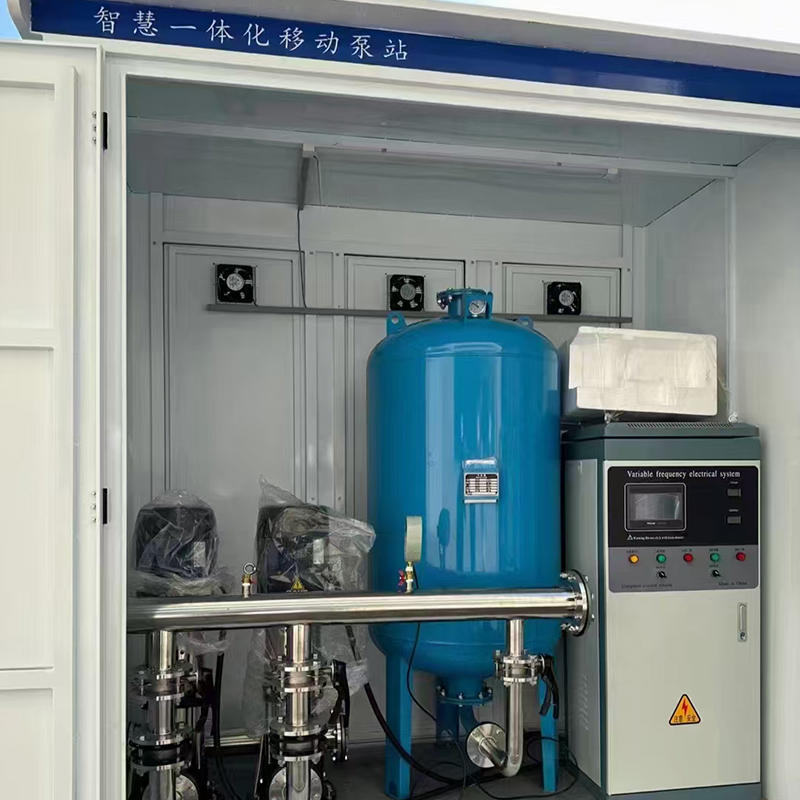
The Intelligent Constant Pressure Variable Frequency Water Supply Equipment is a water supply system...
See Details -
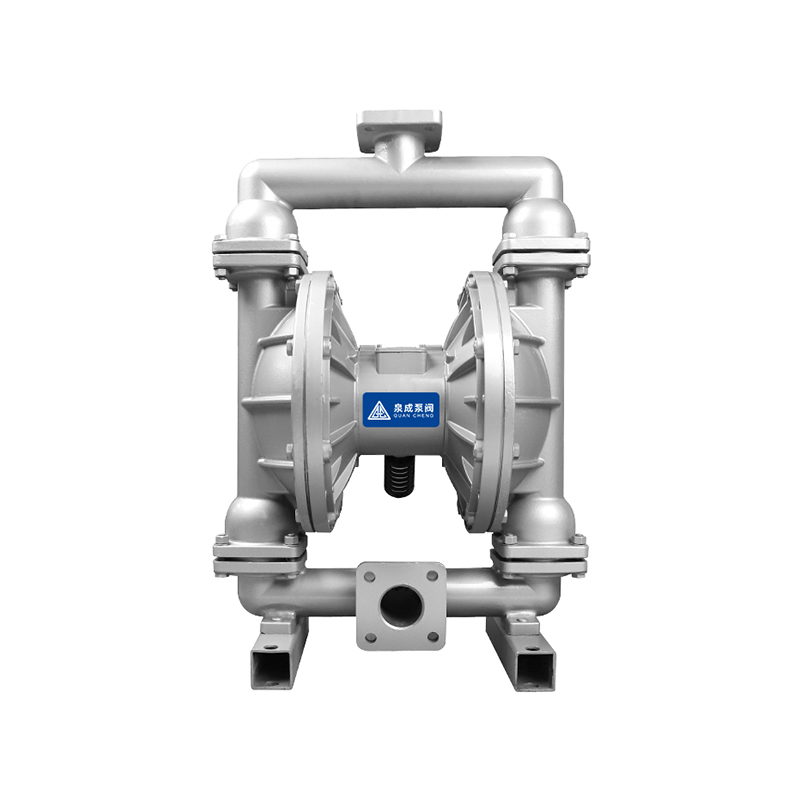
The QBY Air Operated Double Diaphragm Pump produced by our company is a new type of transport machin...
See Details
Copyright © Zhejiang Chuangken Fluid Co., Ltd. All Rights Reserved.
Intelligent Constant Pressure Water Supply System Factory
 浙公网安备33032402001888号
