

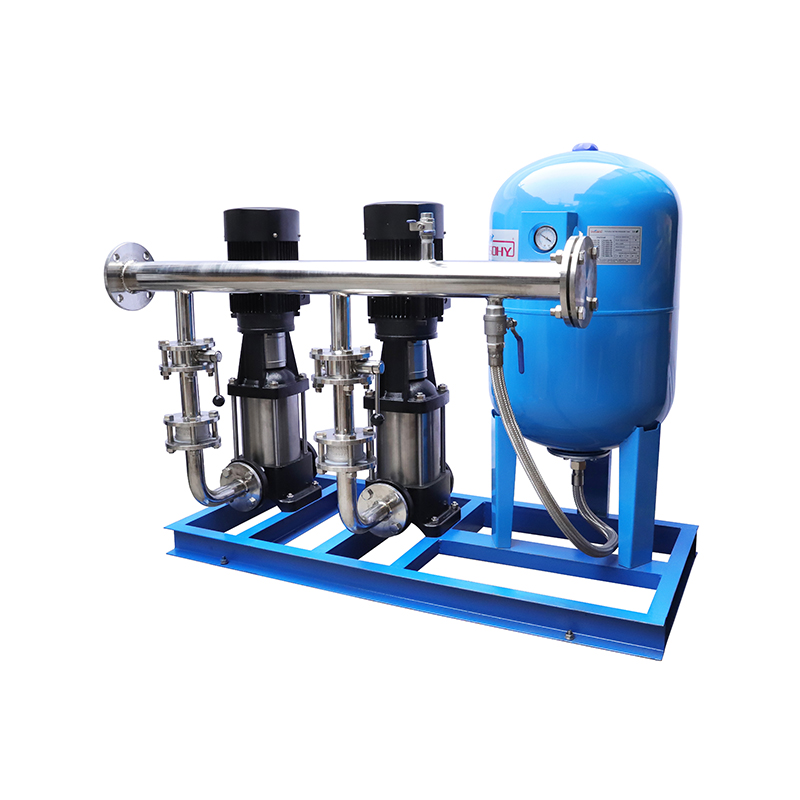
Full Automatic Constant Pressure Variable Frequency Water Supply Equipment is a new generation of hi...
See Details
Diesel Engine Pump Factory Tips for Buyers
Industry News-The Role of Diesel Engine Pump Factories in Industrial Supply
Diesel engine pump factories operate as specialized manufacturing centers that produce units designed for extended operation in locations without ready access to electricity. These facilities coordinate the integration of engine components with pump housings, impellers, and related parts to create complete systems. Production lines emphasize precision in assembly to support functionality in field applications.
Workers at such factories handle tasks ranging from component sourcing to final testing phases. The layout of these operations often includes areas for engine fabrication, pump casing production, and quality checks. This structured approach helps ensure that the resulting diesel engine pumps meet general industry standards for operation in various environments. Demand for these products remains steady due to their utility in remote or temporary work sites.
Core Components Manufactured and Assembled
Within diesel engine pump factories, attention centers on several essential parts that determine overall system effectiveness. Diesel engines form the power source, engineered for fuel efficiency and torque suitable for continuous pumping tasks. Pump elements, including volutes and rotors, are crafted to handle different flow rates and pressures depending on intended use.
Factories incorporate metalworking processes to shape durable casings that protect internal mechanisms. Assembly stations bring together these elements along with control panels and mounting frames. Attention to alignment during construction supports smooth power transfer from the engine to the pump. Variations in design allow for models suited to clear water, slurry, or other fluid types commonly encountered in operational settings.
Applications Across Key Sectors
Diesel engine pumps find use in agriculture for irrigation and drainage activities. Farmers rely on them to move water from wells, rivers, or reservoirs to fields, supporting crop growth during dry periods. The mobility of these units allows deployment where needed without fixed infrastructure.
In construction projects, diesel engine pump factories supply equipment for dewatering excavations and managing site runoff. These pumps help maintain workable conditions by removing excess water efficiently. Municipal services also incorporate them for emergency response and temporary water supply during infrastructure work or system upgrades. The self-contained nature of diesel-powered units makes them practical for locations with limited utility connections.
Manufacturing Processes in Modern Facilities
Production at diesel engine pump factories involves several coordinated stages. Material preparation includes cutting and forming steel and other alloys into required shapes for engine blocks and pump bodies. Machining operations create precise tolerances necessary for moving parts to operate with minimal friction.
Welding and fitting stations join components securely, followed by painting or coating processes that add protection against corrosion. Engine testing areas verify power output and fuel consumption under simulated loads. Pump performance checks measure flow and head characteristics to confirm operational parameters. These steps collectively support the creation of units ready for deployment in real-world scenarios.
Contribution to Operational Efficiency in the Field
Diesel engine pumps produced in dedicated factories provide solutions for fluid handling needs in diverse locations. Their design supports portability, allowing transport to job sites via trucks or trailers. Operators value the straightforward startup procedures and the capacity to run for extended periods with available fuel supplies.
Diesel engine pump factories play a part in sustaining activities that depend on effective water and fluid management. Through focused manufacturing efforts, they help provide equipment that supports daily operations in multiple industries. Their output contributes to the availability of tools that address practical challenges in water movement and resource handling.
Related products
-
-
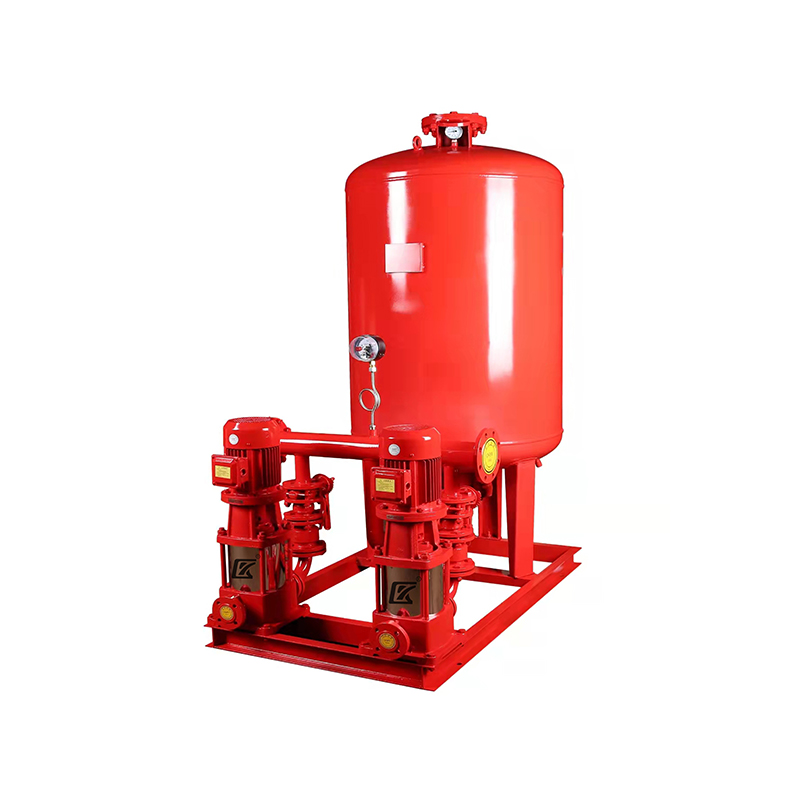
The Automatic Frequency Conversion Constant Pressure Fire Water Supply Equipment is designed and dev...
See Details -
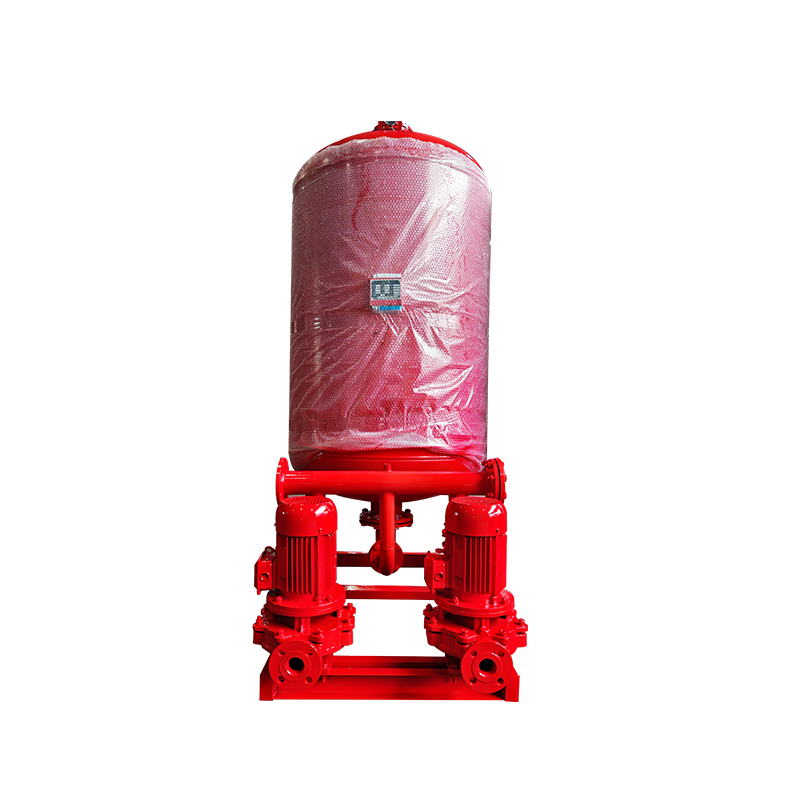
The Fire Fighting Air Pressure Water Supply Equipment typically consists of a pressure tank, pump un...
See Details -
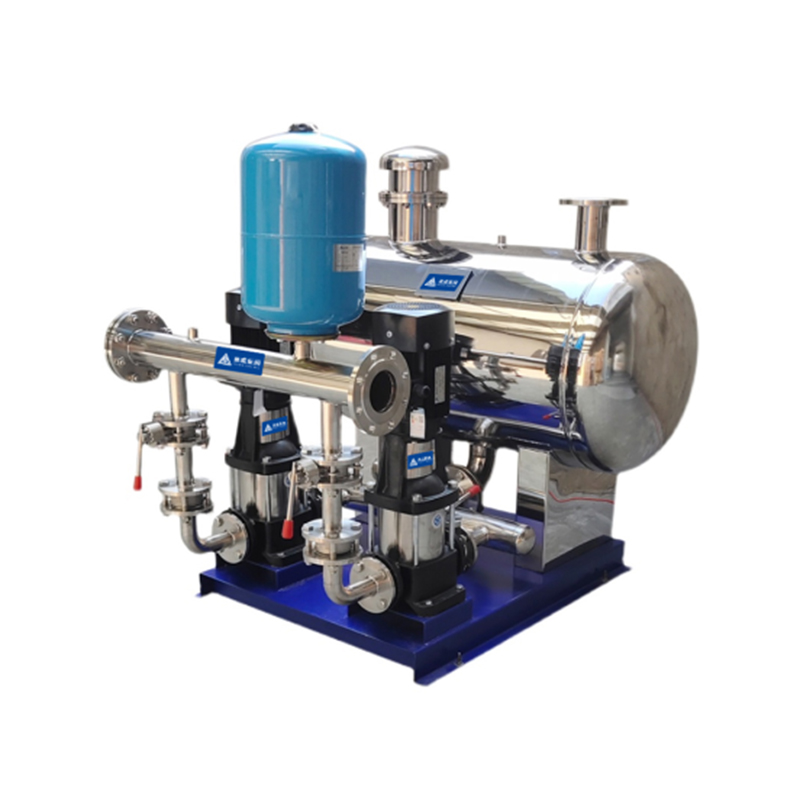
Non-negative pressure water supply equipment is a system composed of a non-negative pressure tank, p...
See Details -
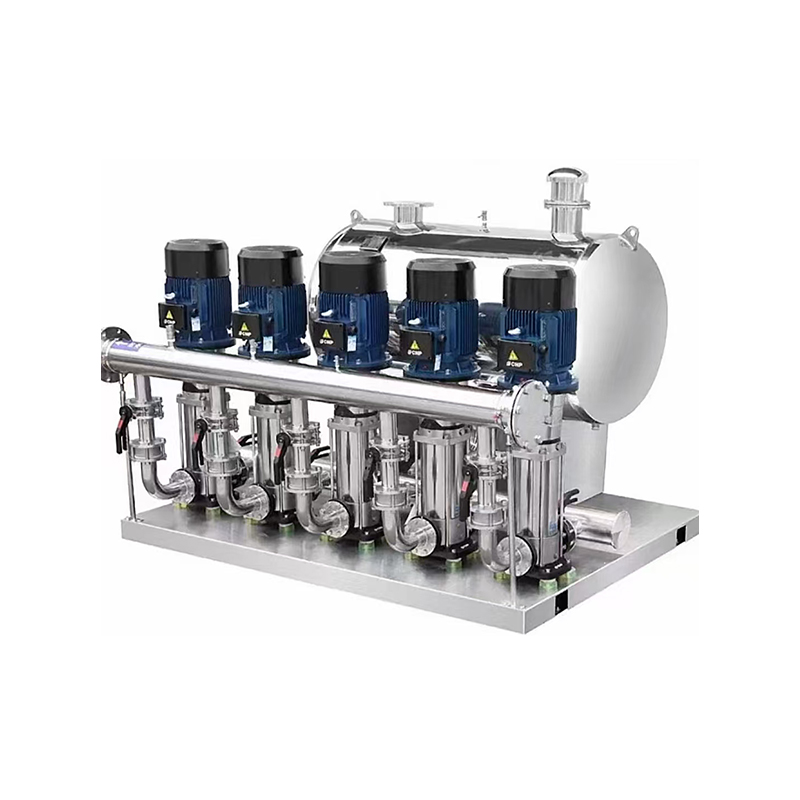
Traditional water supply methods rely heavily on water tanks, which are typically filled with water ...
See Details -
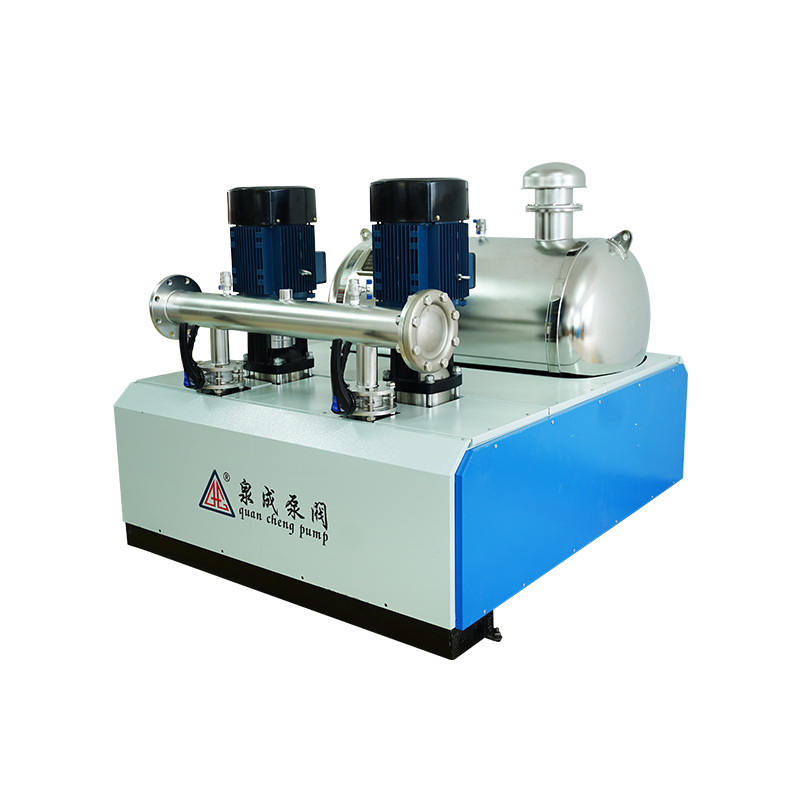
Product OverviewThe Non-negative Pressure Booster Steady Flow Water Supply Equipment uses the munici...
See Details -
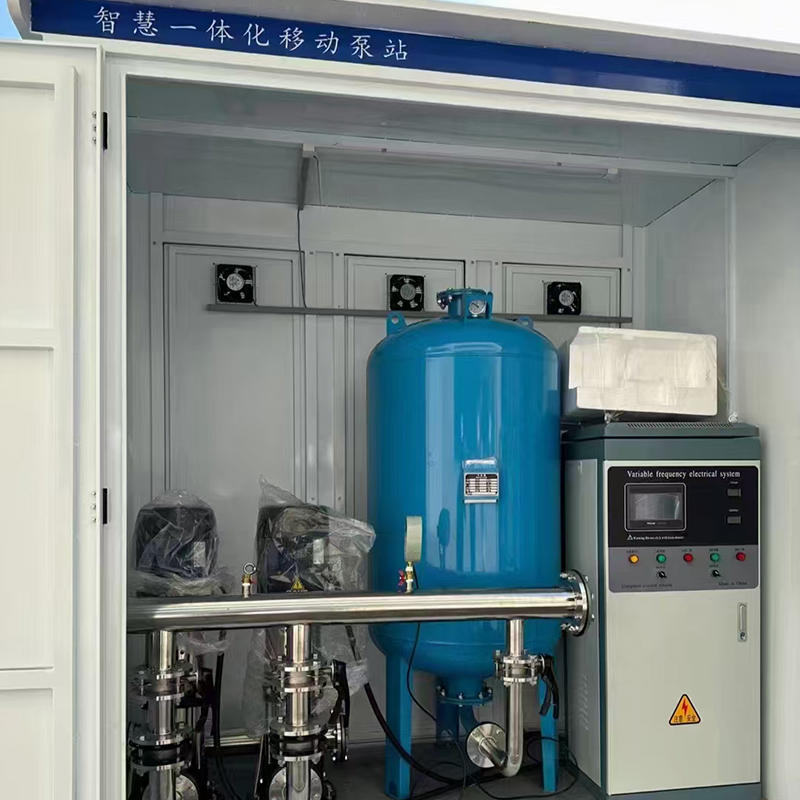
The Intelligent Constant Pressure Variable Frequency Water Supply Equipment is a water supply system...
See Details -
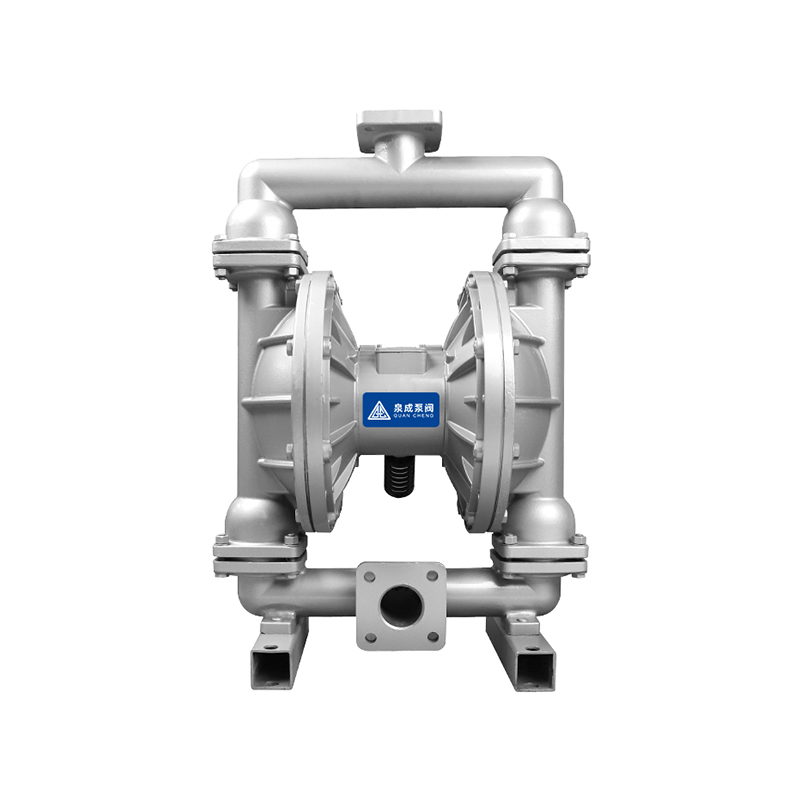
The QBY Air Operated Double Diaphragm Pump produced by our company is a new type of transport machin...
See Details
Copyright © Zhejiang Chuangken Fluid Co., Ltd. All Rights Reserved.
Intelligent Constant Pressure Water Supply System Factory
 浙公网安备33032402001888号
