

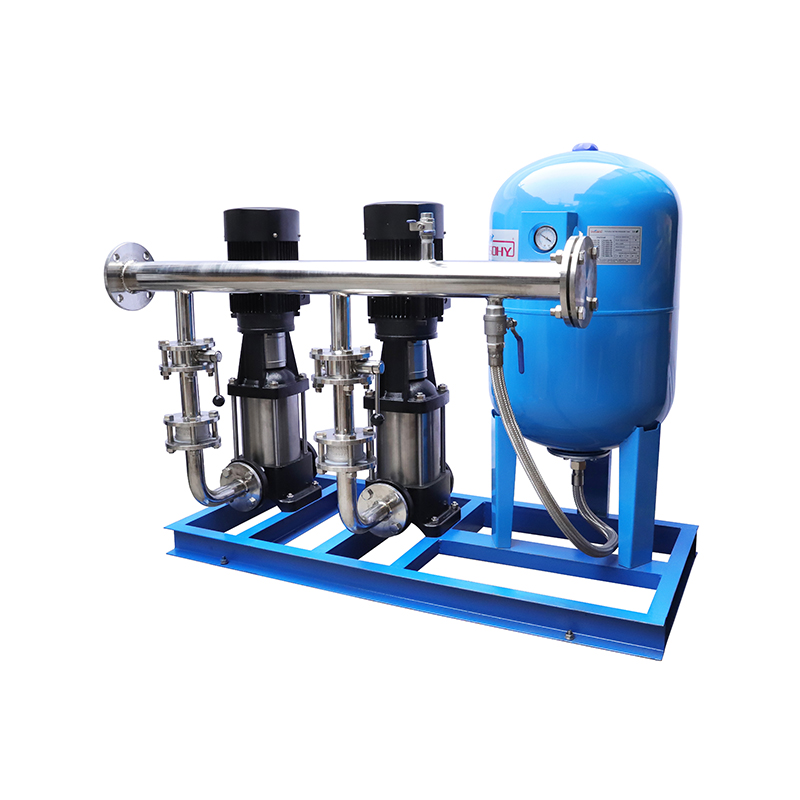
Full Automatic Constant Pressure Variable Frequency Water Supply Equipment is a new generation of hi...
See Details
Constant Pressure Water Supply Units Solve Flow Issues
Industry News-A shower that turns weak the moment someone runs the kitchen tap. A top-floor apartment where water barely trickles out during peak hours. These are common complaints in multi-story buildings, and they usually trace back to one thing: inconsistent water pressure. This is the exact problem a Constant Pressure Water Supply Unit is built to address.
What the Unit Actually Does
At its core, this equipment monitors pressure in a piping system and adjusts pump output in real time to keep flow steady, regardless of how many fixtures are drawing water at once. Instead of pressure spiking and dropping as demand changes, the system responds continuously, smoothing out the fluctuations that users typically notice as annoying surges or sudden drops.
The unit generally combines a pump (or a set of pumps working together), a pressure sensor, a control system, and sometimes a small pressure vessel that absorbs momentary changes in demand. When someone opens a tap, the sensor detects the drop in pressure and signals the pump to compensate. When demand falls, output scales back accordingly. The result is a supply that feels the same whether one person or ten people are using water simultaneously.
Where This Kind of System Gets Used
Buildings with unpredictable or high water demand tend to benefit most from this setup. Some typical scenarios include:
- Residential complexes with several floors, where distance from the main supply naturally reduces pressure at higher levels
- Commercial buildings such as offices or hotels, where usage spikes happen at predictable but intense times
- Agricultural or irrigation setups that need steady flow across long pipe runs
- Facilities without reliable access to municipal pressure, relying instead on wells or storage tanks
In each case, the shared challenge is the same — demand isn't constant, but the expectation for steady water delivery is.
How It Differs From a Standard Pump Setup
A conventional pump generally runs at a fixed speed or simply switches on and off based on a pressure threshold. That works, but it creates the pressure swings users notice — a burst of high pressure when the pump kicks in, followed by a gradual decline as it runs. A constant pressure system takes a different approach by adjusting motor speed continuously, often through variable frequency drive technology, so the pump only works as hard as the moment requires.
This has a practical side effect worth mentioning: because the pump isn't constantly cycling on and off at full power, wear patterns on the motor tend to look different compared to a standard on/off pump, and energy draw shifts with actual demand rather than staying fixed.
Sizing and Configuration Considerations
Selecting the right unit isn't a one-size-fits-all exercise. Factors that typically influence configuration include:
- Peak flow rate needed across all fixtures being served at once
- Vertical distance water needs to travel, since taller buildings require more head pressure
- Number of pumps in the system, since multi-pump setups can stage output more precisely than a single unit
- Source water conditions, including whether the supply comes from a municipal line, well, or storage tank
A Practical Way to Think About It
Rather than treating water pressure as something to tolerate, a constant pressure water supply unit treats it as something to manage actively. The system isn't reacting after the fact — it's continuously adjusting to keep output level. For buildings where water demand shifts throughout the day, that kind of responsiveness tends to make a noticeable difference in daily use, without requiring occupants to think about it at all.
Related products
-
-
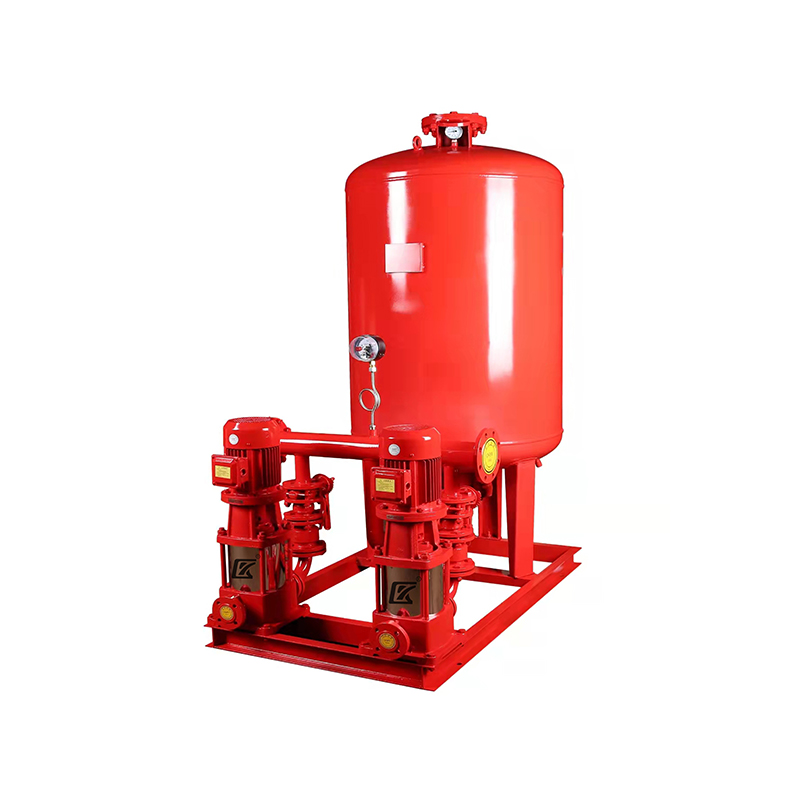
The Automatic Frequency Conversion Constant Pressure Fire Water Supply Equipment is designed and dev...
See Details -
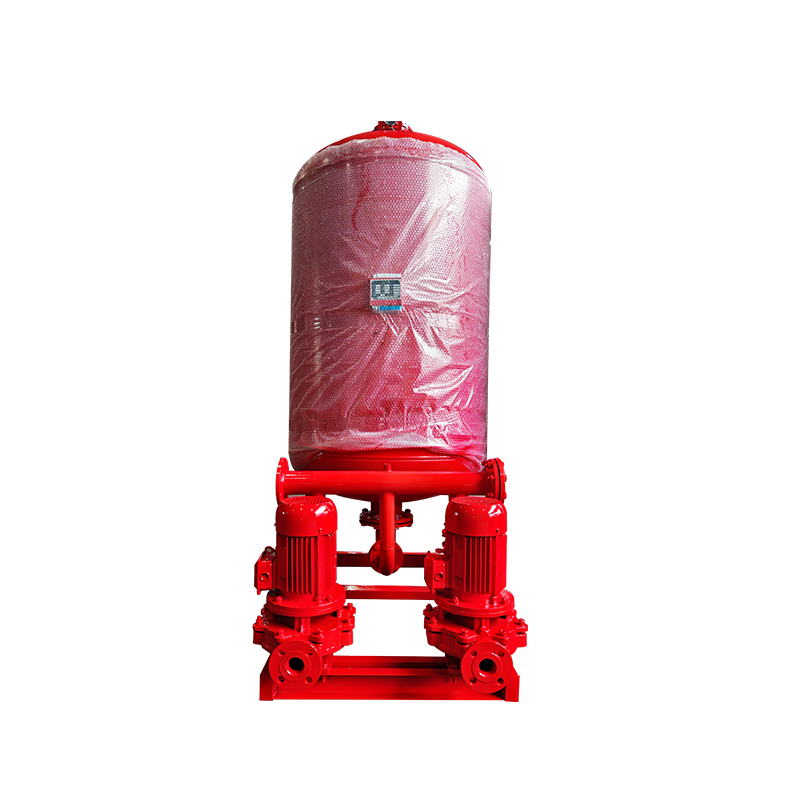
The Fire Fighting Air Pressure Water Supply Equipment typically consists of a pressure tank, pump un...
See Details -
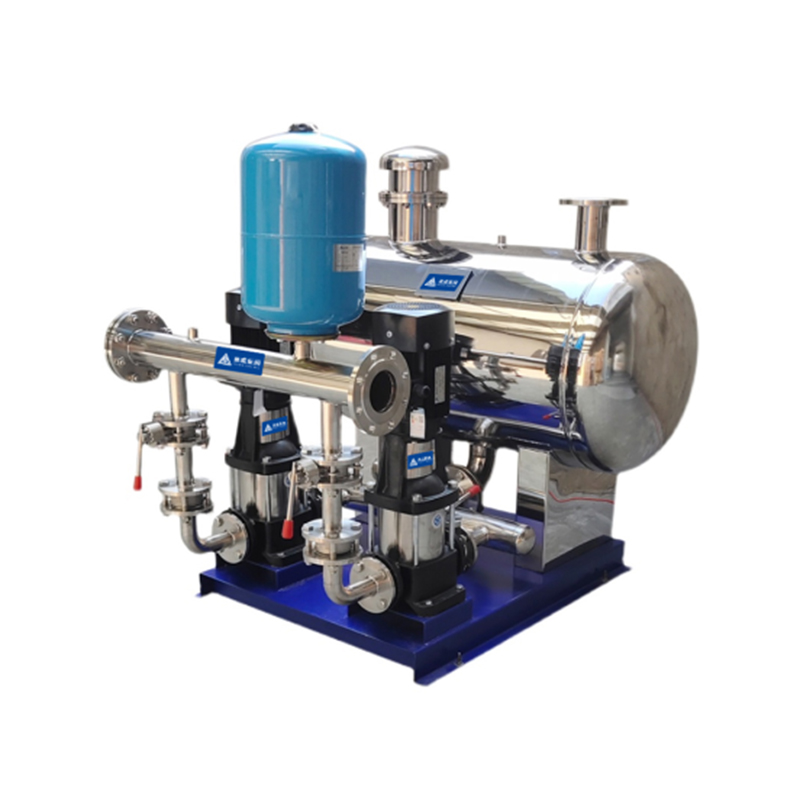
Non-negative pressure water supply equipment is a system composed of a non-negative pressure tank, p...
See Details -
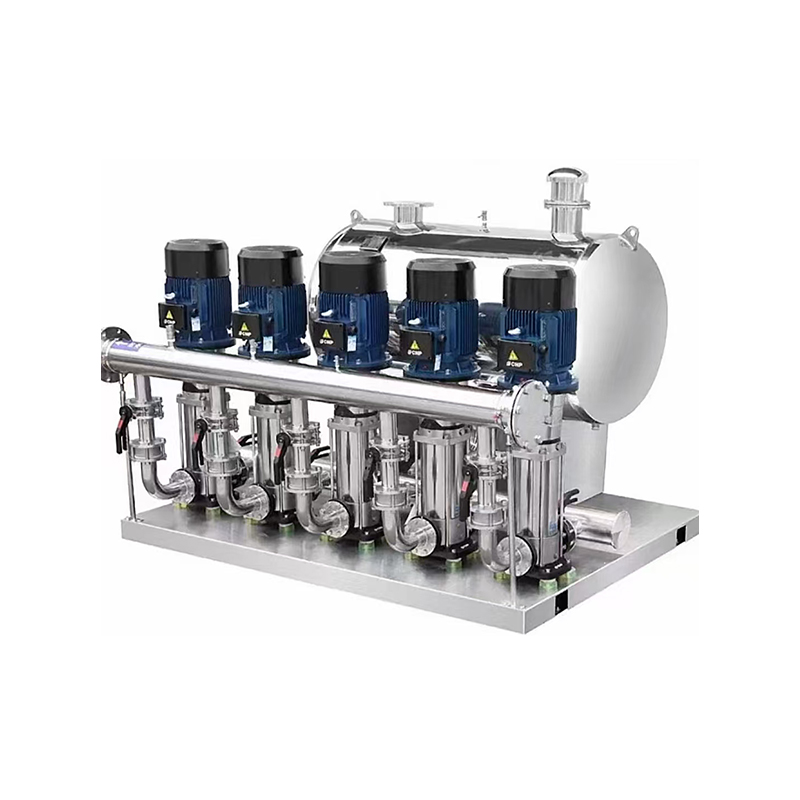
Traditional water supply methods rely heavily on water tanks, which are typically filled with water ...
See Details -
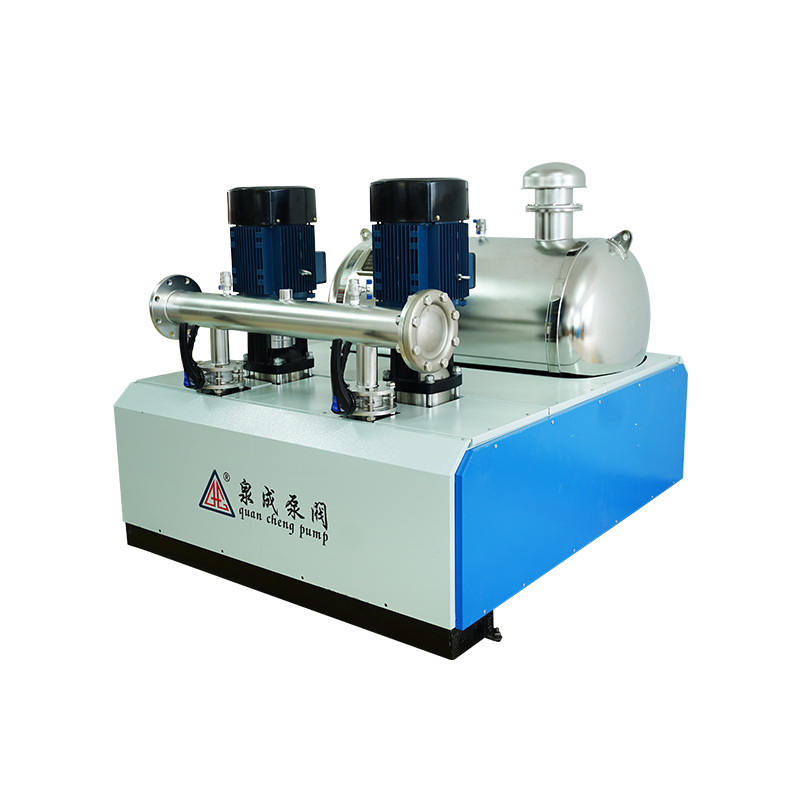
Product OverviewThe Non-negative Pressure Booster Steady Flow Water Supply Equipment uses the munici...
See Details -
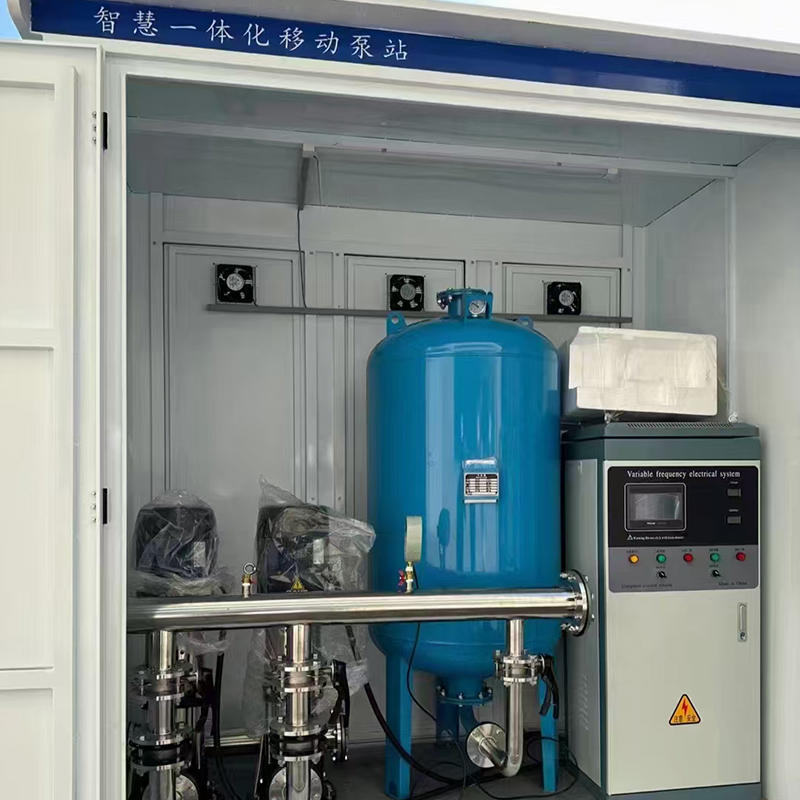
The Intelligent Constant Pressure Variable Frequency Water Supply Equipment is a water supply system...
See Details -
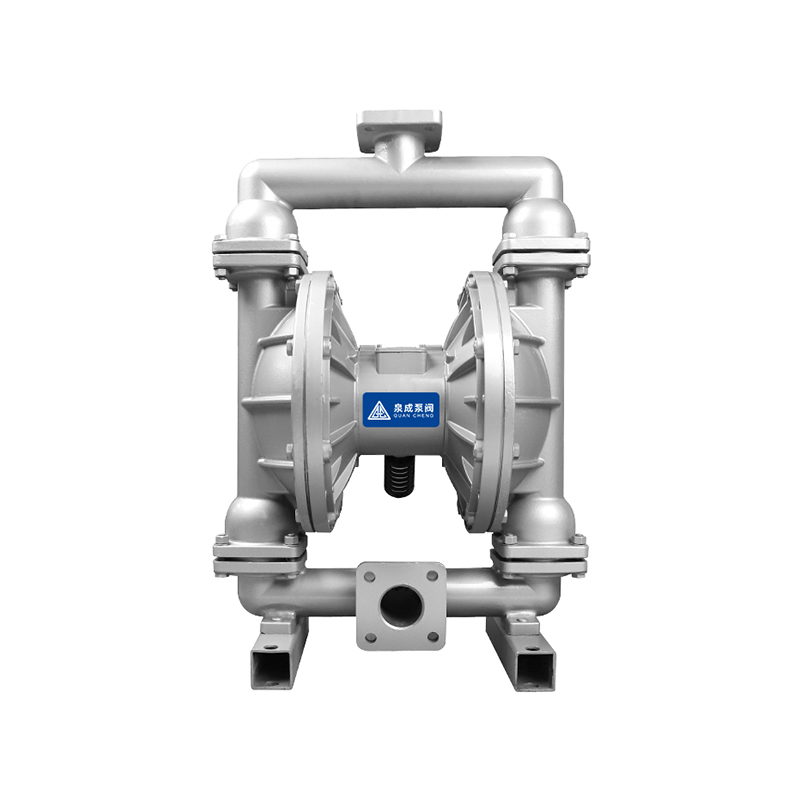
The QBY Air Operated Double Diaphragm Pump produced by our company is a new type of transport machin...
See Details
Copyright © Zhejiang Chuangken Fluid Co., Ltd. All Rights Reserved.
Intelligent Constant Pressure Water Supply System Factory
 浙公网安备33032402001888号
