

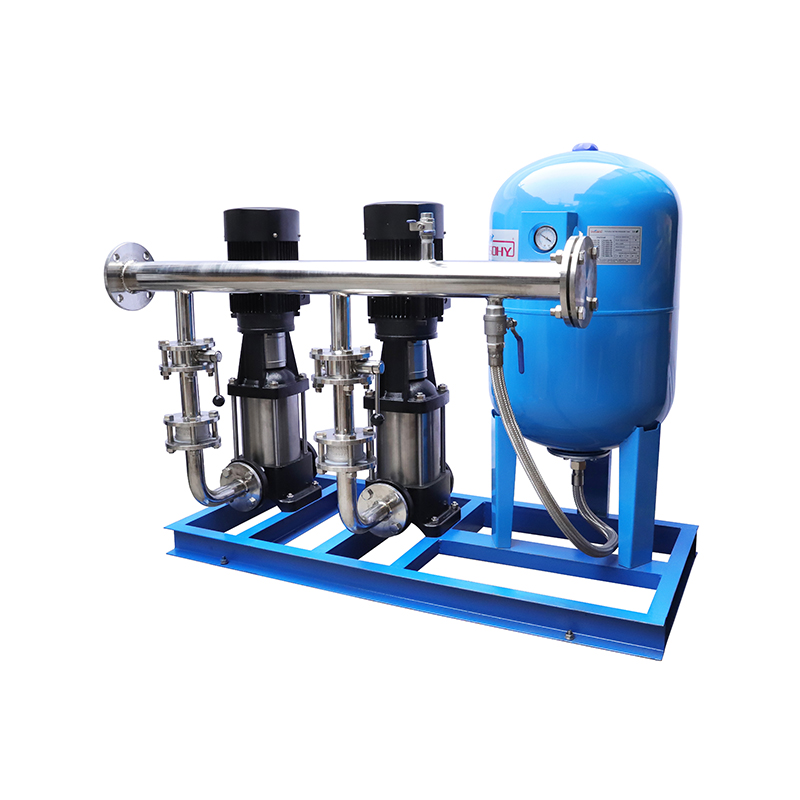
Full Automatic Constant Pressure Variable Frequency Water Supply Equipment is a new generation of hi...
See Details
Does a Jockey Pump Save Water Loss?
Industry News-Understanding the Jockey Pump in Fire Protection Systems
A jockey pump sits quietly in the background of many fire protection setups, yet it plays a steady part in keeping everything ready. Think of it as the small helper that handles everyday pressure needs so the main fire pump stays offline until a real demand arrives. In buildings of different sizes, this compact unit maintains system pressure and reduces the chance of unnecessary starts by the larger pump.
What Makes a Jockey Pump Different
Unlike the main fire pump, which delivers high flow when sprinklers activate, a jockey pump focuses on smaller tasks. It compensates for minor leaks or temperature-related pressure shifts that occur over time. By doing so, it keeps the pressure within a set range. The unit usually runs at a lower capacity and cycles on and off as needed. This arrangement helps the overall system stay stable without constant intervention from the primary equipment.
People often notice the jockey pump only when they walk past the pump room and hear a soft hum. That sound signals the unit is adjusting pressure after a small drop. The process happens automatically through pressure switches that sense changes and start or stop the motor accordingly.
How Pressure Maintenance Works Day to Day
Pressure in a fire sprinkler system can drift for several reasons. Tiny leaks at fittings, packing glands, or valve seats allow water to escape slowly. Temperature changes also expand or contract the water and the piping, which shifts the pressure reading. A jockey pump counters these effects by adding water in small amounts until the desired level returns.
The cycle is straightforward. When pressure falls below a preset point, the pump starts. Once the upper limit is reached, it shuts off. This short-run pattern prevents the main fire pump from activating for routine corrections. As a result, the larger unit remains available for genuine fire events while the smaller pump handles the routine work.
In many installations the jockey pump sits on the same suction and discharge lines as the main pump, or it connects through a dedicated bypass. Either layout allows it to keep the system primed and ready. Operators often set the start and stop points a few pounds per square inch apart to avoid rapid cycling.
Practical Considerations for Selection
Choosing a jockey pump involves matching its capacity to the expected leakage rate of the system. A unit that is too small may run almost continuously, while one that is oversized can cycle too quickly. Flow rates for these pumps often fall in the range of a few gallons per minute up to around twenty, depending on the size of the protected area. Pressure ratings need to exceed the normal system pressure so the pump can restore levels effectively.
Materials also matter. Bronze or stainless-steel components resist corrosion in water service, and mechanical seals help limit packing leakage. Motors are commonly electric and sized for continuous duty, though they rarely run for long periods. The overall package remains compact, which makes installation straightforward in tight mechanical rooms.
Everyday Benefits Observed in Operation
Facility teams appreciate the quiet reliability of a properly sized jockey pump. It reduces wear on the main fire pump by limiting starts and stops. Water loss from minor seepage stays controlled because the small pump restores pressure before larger volumes escape. Pressure gauges stay within the desired band, giving operators a clear visual confirmation that the system remains ready.
In practice, the unit becomes part of the daily landscape. Maintenance staff walk through the pump room, glance at the pressure reading, and move on. The jockey pump continues its short cycles without drawing attention. This low-profile performance supports the larger goal of keeping the fire protection network prepared at all times.
Related products
-
-
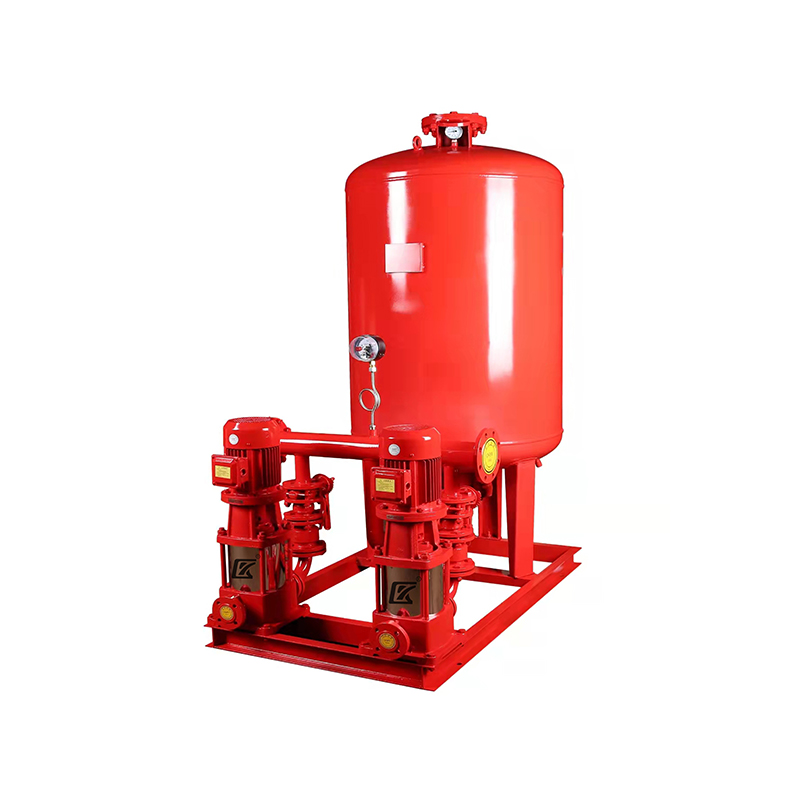
The Automatic Frequency Conversion Constant Pressure Fire Water Supply Equipment is designed and dev...
See Details -
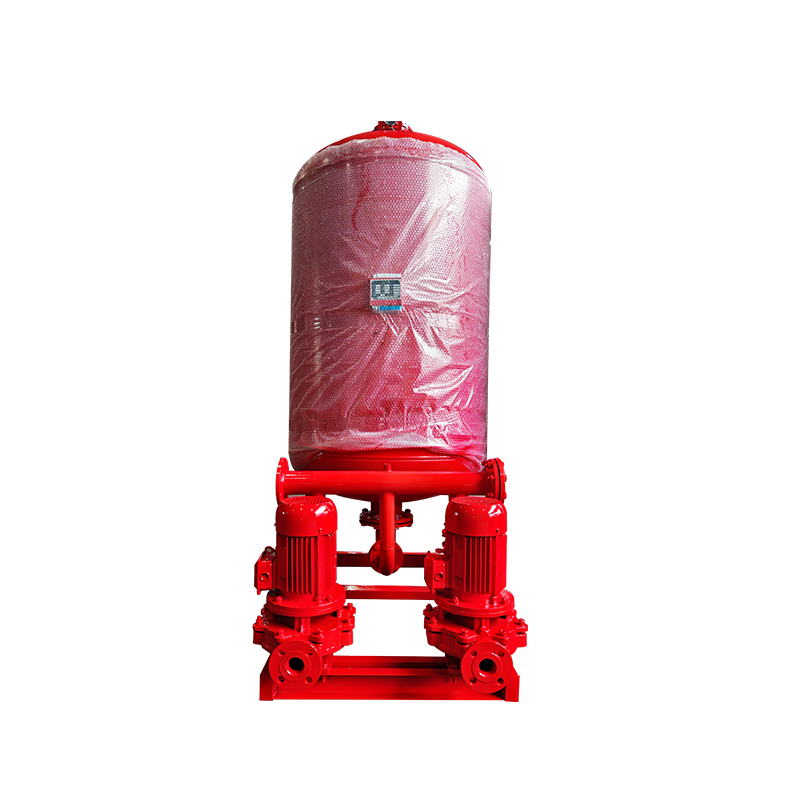
The Fire Fighting Air Pressure Water Supply Equipment typically consists of a pressure tank, pump un...
See Details -
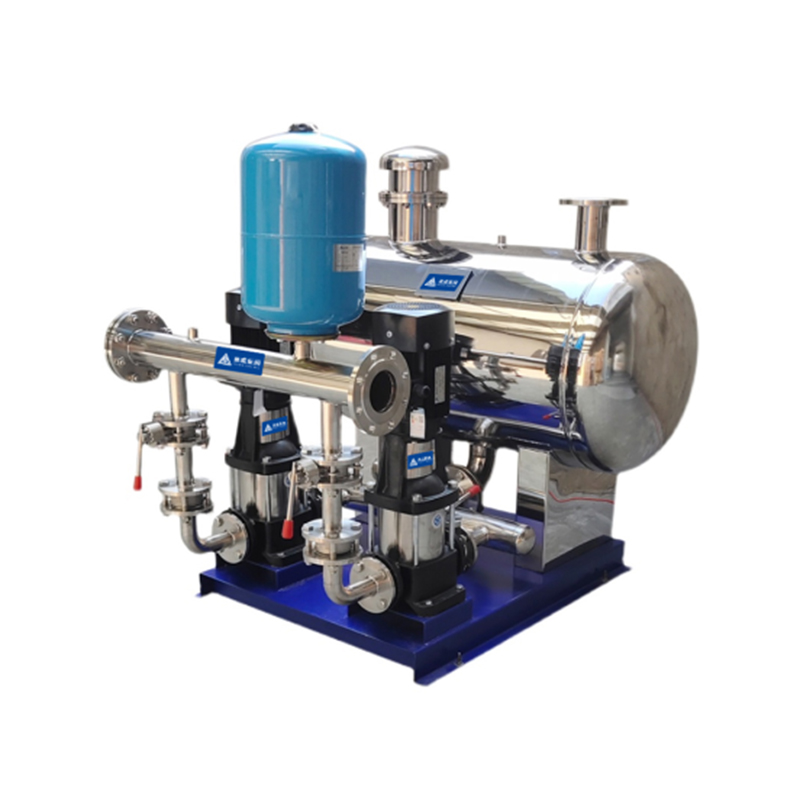
Non-negative pressure water supply equipment is a system composed of a non-negative pressure tank, p...
See Details -
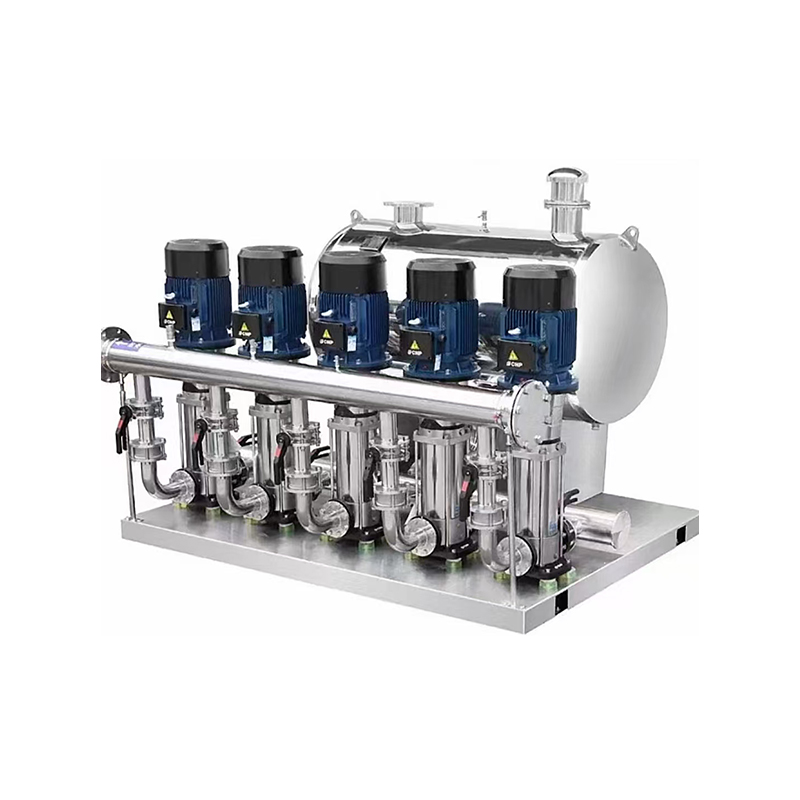
Traditional water supply methods rely heavily on water tanks, which are typically filled with water ...
See Details -
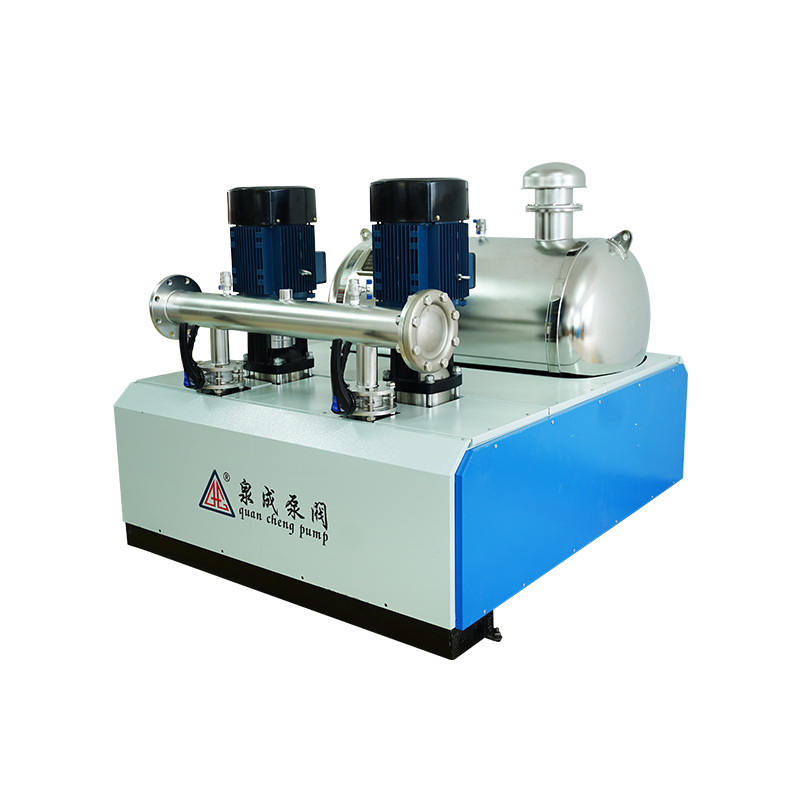
Product OverviewThe Non-negative Pressure Booster Steady Flow Water Supply Equipment uses the munici...
See Details -
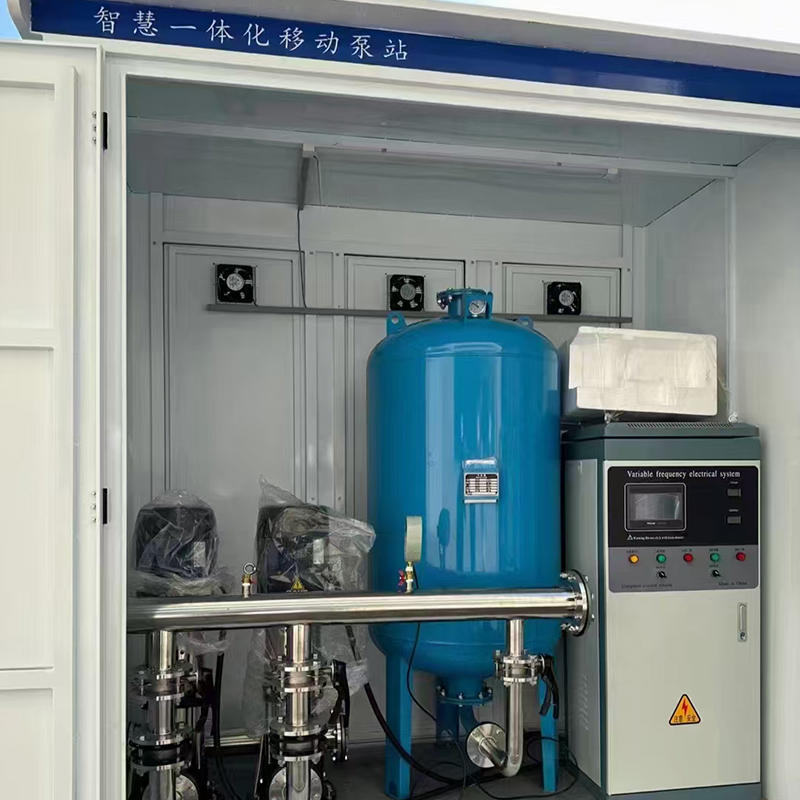
The Intelligent Constant Pressure Variable Frequency Water Supply Equipment is a water supply system...
See Details -
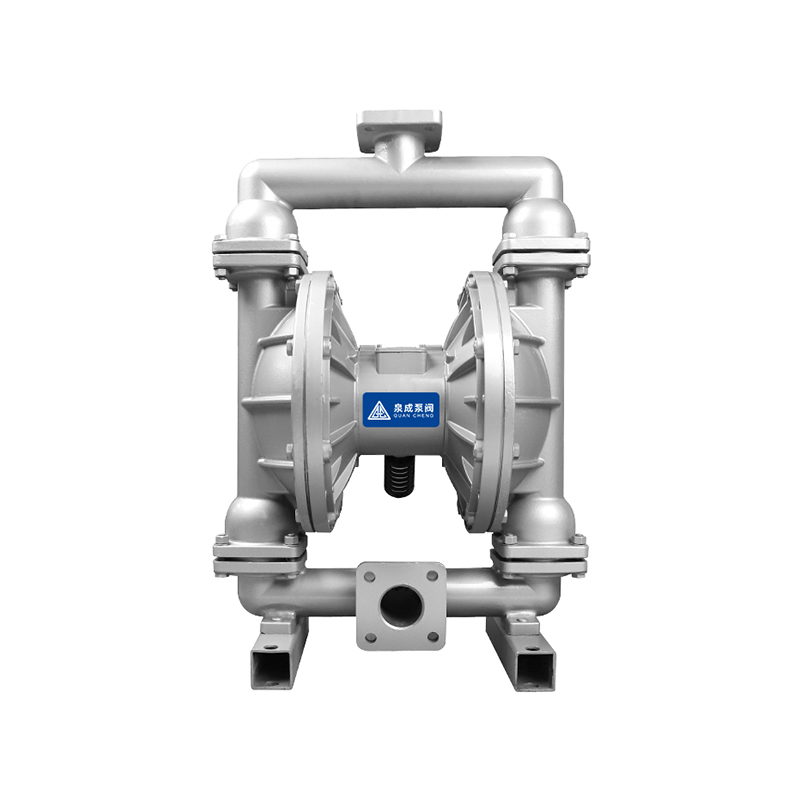
The QBY Air Operated Double Diaphragm Pump produced by our company is a new type of transport machin...
See Details
Copyright © Zhejiang Chuangken Fluid Co., Ltd. All Rights Reserved.
Intelligent Constant Pressure Water Supply System Factory
 浙公网安备33032402001888号
