

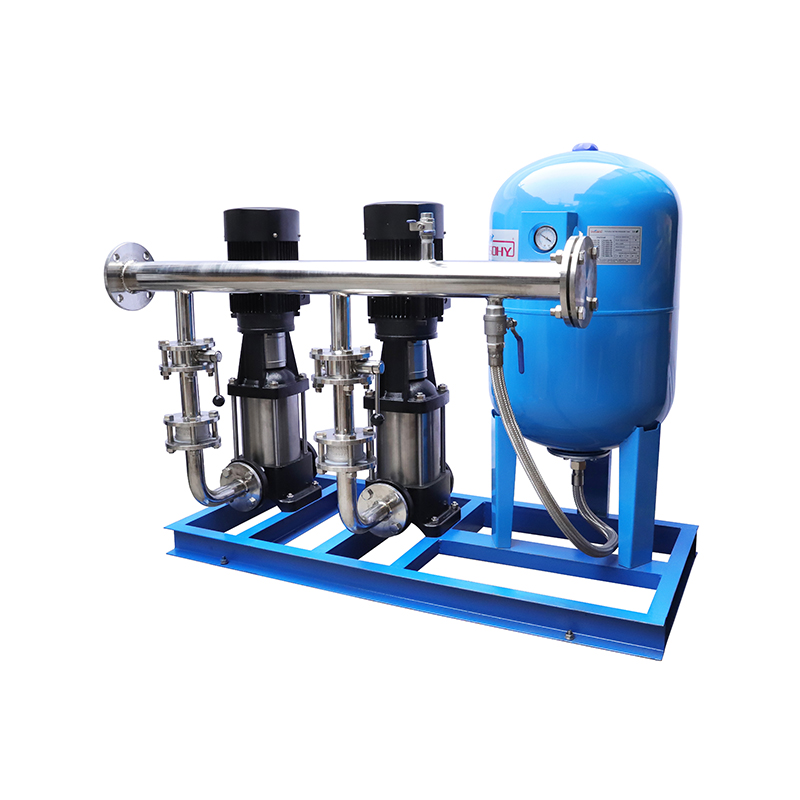
Full Automatic Constant Pressure Variable Frequency Water Supply Equipment is a new generation of hi...
See Details
Sewage Pump Factory Turns Steel Into Pumps
Industry News-The Journey From Raw Materials
Steel plates and specialized alloys arrive by truck each week at the Sewage Pump Factory. Workers inspect the deliveries for surface quality and correct dimensions before moving them to cutting areas. Laser cutters and presses form the casings and impellers with precision. Sparks fly briefly as edges take shape, then the parts cool and move along conveyor lines.
Next comes machining. Operators load components into CNC machines that carve fine details into the metal. Coolant sprays keep temperatures steady while tools create the exact curves needed for efficient water flow. Finished pieces travel to cleaning stations where technicians remove any residue left from the cutting process.
Assembly Takes Center Stage
In the main hall, teams bring the separate parts together. One group fits the motor housing while another secures the impeller inside the volute. Bolts tighten in a set sequence, and gaskets seal joints to prevent leaks. The work requires steady hands and close attention to alignment.
Supervisors walk the line, checking measurements with digital tools. When a pump reaches the right stage, it moves to a balancing station. Here, specialists spin the rotating parts and make small adjustments until the unit runs without vibration. This step helps the pump operate quietly and last longer under load.
Testing Without Delay
Every completed unit heads to the test bay. Technicians connect the pump to a closed water circuit and run it at different speeds. Sensors track pressure, flow rate, and power use. Data appears on nearby screens so the team can confirm the pump meets its design targets. Units that pass move to packaging; those needing minor tweaks return to the assembly area for quick fixes.
Workers in this section often share notes about what they observe. A slight change in seal placement or a different torque setting can improve performance, and the group discusses these details during short breaks. The atmosphere stays focused yet friendly, with experienced hands guiding newer colleagues through the finer points of the process.
People Behind the Machines
The factory employs a mix of skilled tradespeople. Welders join heavy sections with clean seams. Electricians wire control panels and motors. Quality checkers use gauges and microscopes to examine surfaces. Many employees have spent years learning the craft, and their knowledge shows in the consistent results coming off the line.
Shift changes bring fresh energy. Morning crews prepare materials and start the first assemblies. Afternoon teams continue the work and handle testing. Communication boards near each station list daily targets and any notes from the previous shift. This simple system keeps everyone aligned without complicated software.
Technology Supports the Work
Modern tools appear throughout the facility. Automated guided vehicles carry heavy casings from one area to another. Digital readouts on machines display real-time measurements. Tablets help supervisors track progress and update schedules. These aids free workers to concentrate on tasks that still need human judgment and care.
Lighting remains bright and even across the floor of the Sewage Pump Factory. Ventilation systems keep the air clear of fumes from welding and machining. Safety barriers surround moving equipment, and clear floor markings guide foot traffic. The layout encourages efficiency while giving people room to move safely between stations.
Related products
-
-
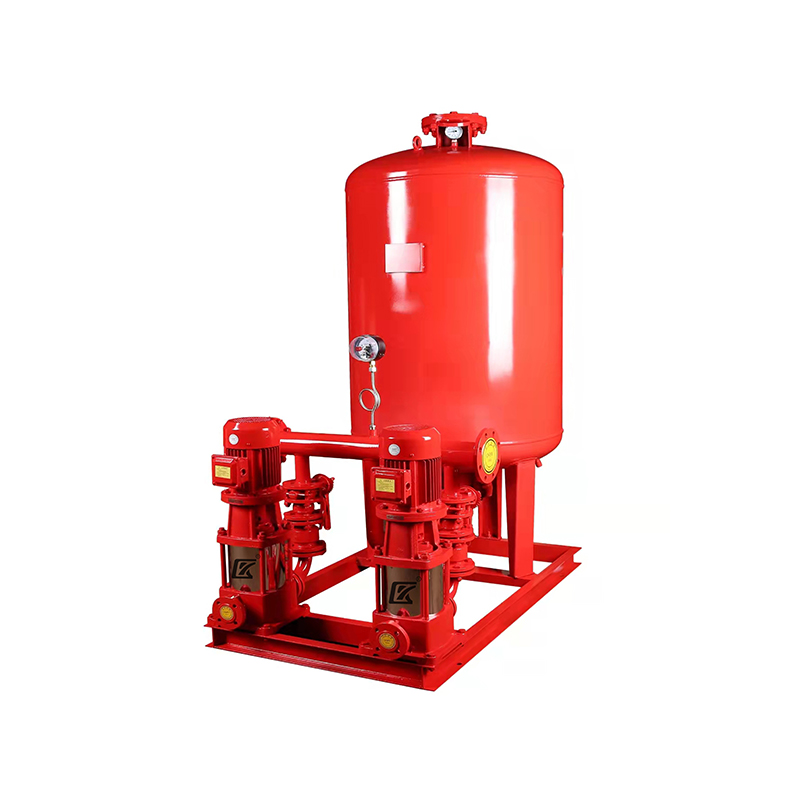
The Automatic Frequency Conversion Constant Pressure Fire Water Supply Equipment is designed and dev...
See Details -
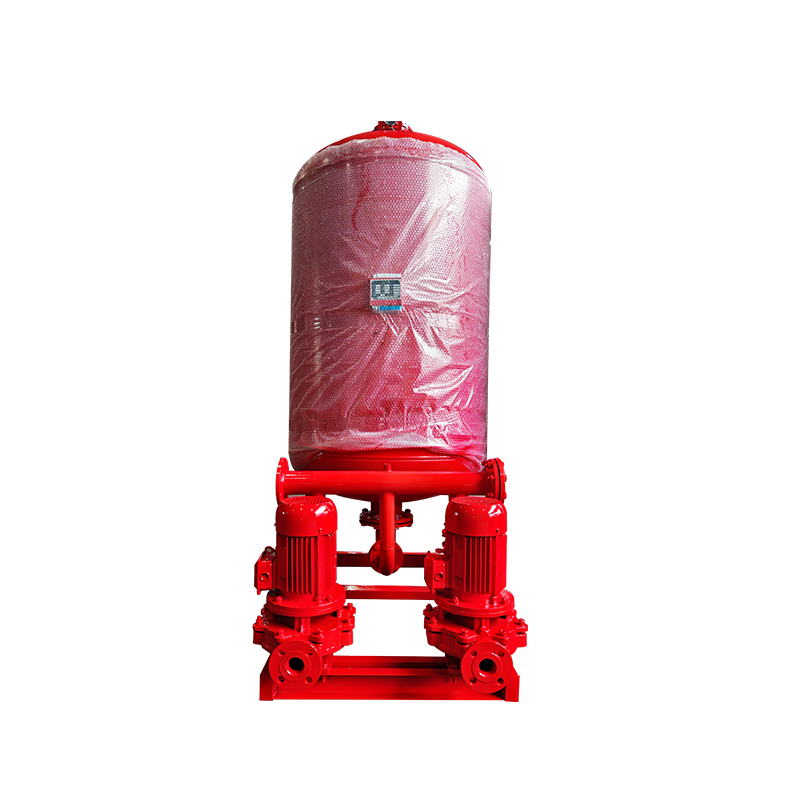
The Fire Fighting Air Pressure Water Supply Equipment typically consists of a pressure tank, pump un...
See Details -
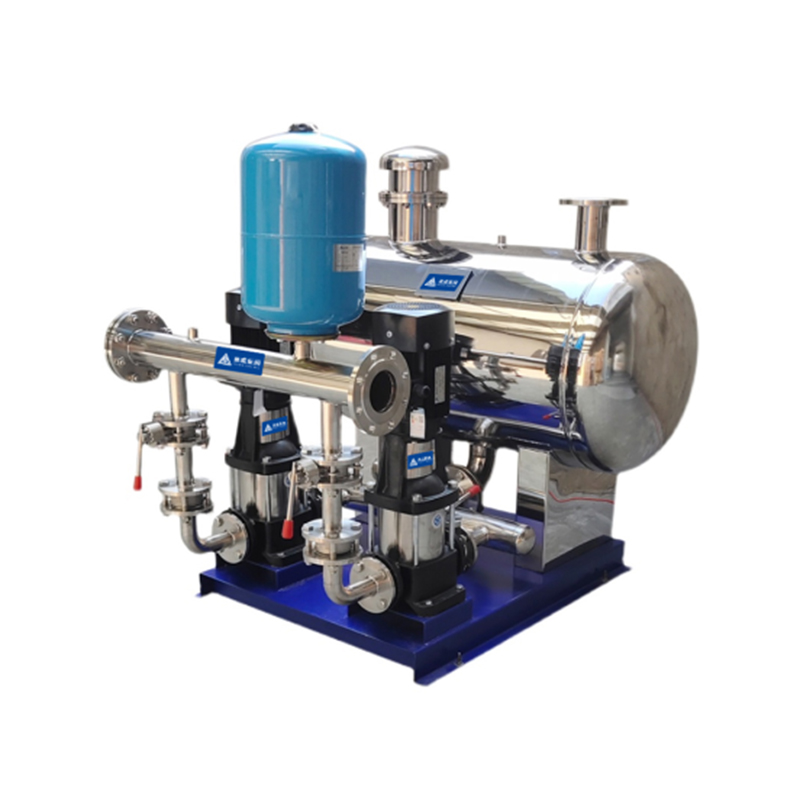
Non-negative pressure water supply equipment is a system composed of a non-negative pressure tank, p...
See Details -
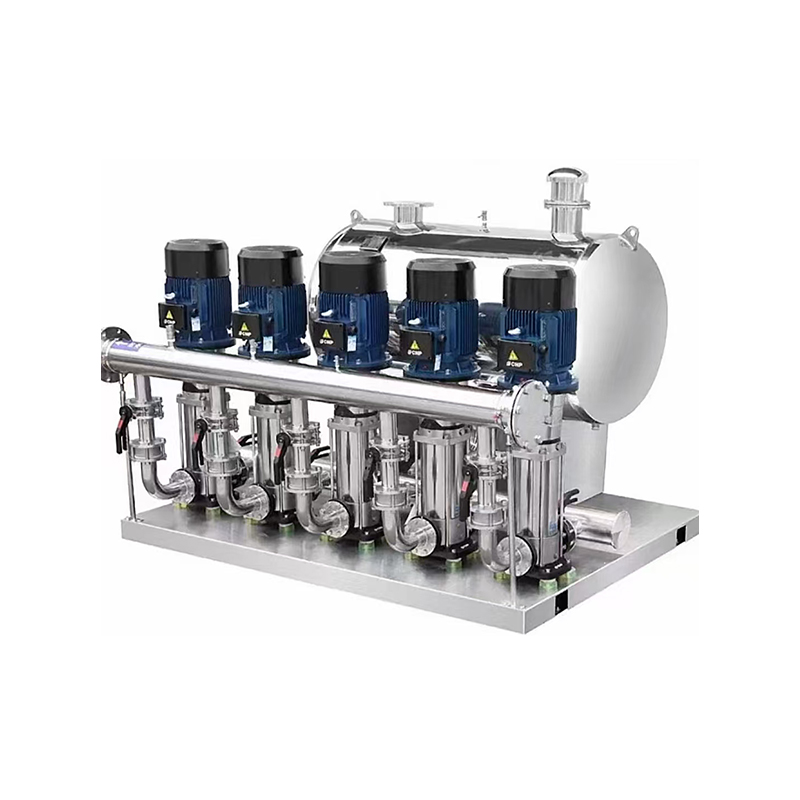
Traditional water supply methods rely heavily on water tanks, which are typically filled with water ...
See Details -
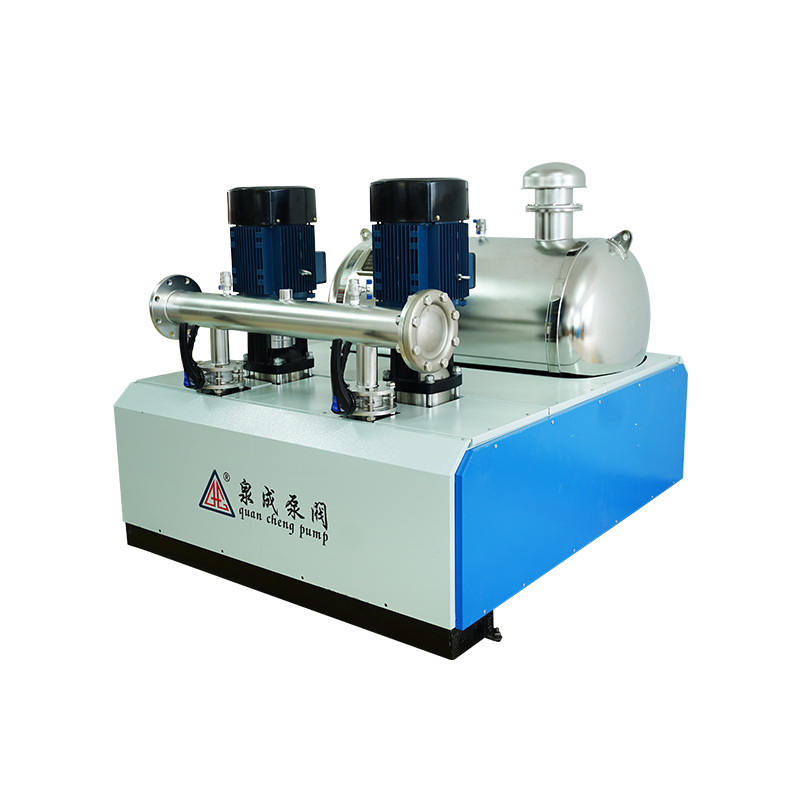
Product OverviewThe Non-negative Pressure Booster Steady Flow Water Supply Equipment uses the munici...
See Details -
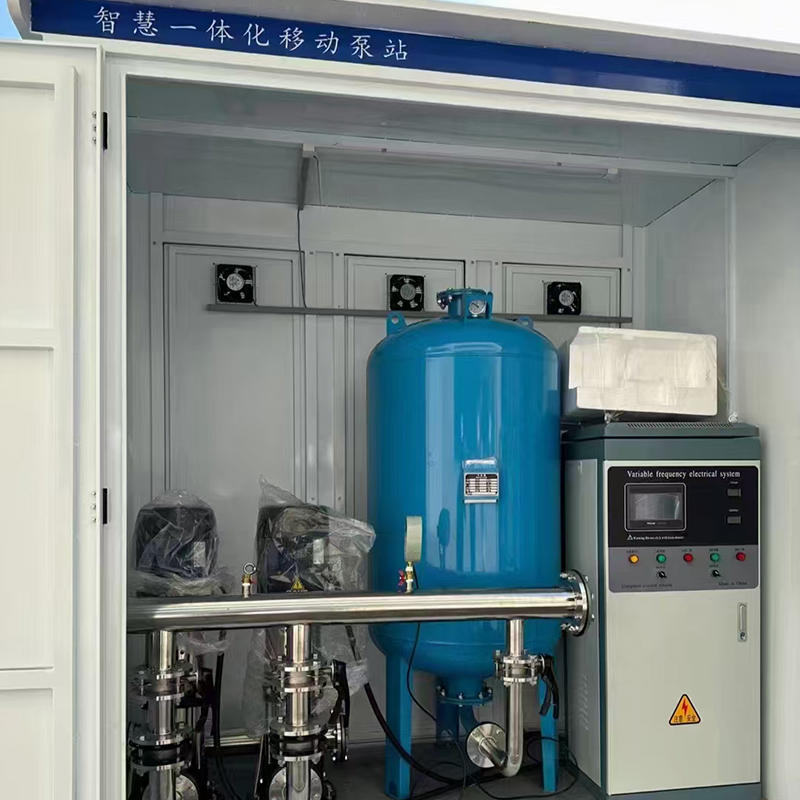
The Intelligent Constant Pressure Variable Frequency Water Supply Equipment is a water supply system...
See Details -
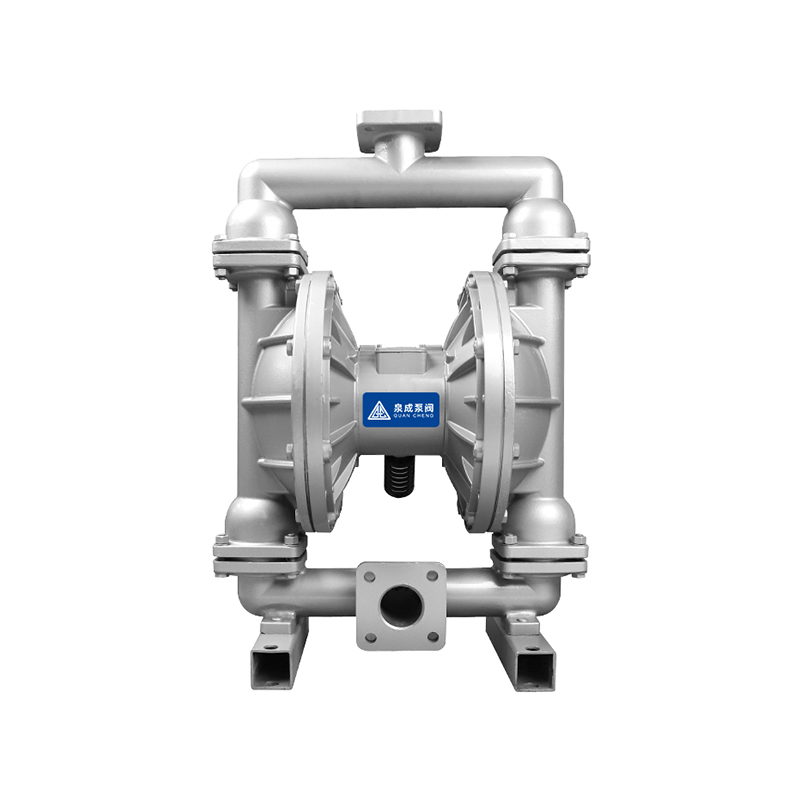
The QBY Air Operated Double Diaphragm Pump produced by our company is a new type of transport machin...
See Details
Copyright © Zhejiang Chuangken Fluid Co., Ltd. All Rights Reserved.
Intelligent Constant Pressure Water Supply System Factory
 浙公网安备33032402001888号
