

Full Automatic Constant Pressure Variable Frequency Water Supply Equipment is a new generation of hi...
See Details
Energy-saving Constant Pressure Water Supply System Fits Diverse Buildings
Industry News-Pressure Changes With Water Demand
A conventional water supply setup may operate around a fixed pump speed. When demand increases, additional pumping capacity may be required. When demand decreases, the same equipment may continue operating even though the system needs less flow.
Variable-frequency drive technology provides another approach. The pump motor can change its operating speed according to the actual water demand detected by the control system.
Pressure sensors provide information from the pipeline, while the controller compares the detected pressure with a preset value. The pump speed can then be adjusted to bring the system toward the required pressure range.
This control method gives the Energy-saving Constant Pressure Water Supply System a dynamic operating structure instead of relying on one fixed pumping condition.
Pumps Work As A Coordinated Group
Larger water supply applications may use several pumps rather than one large pump. This arrangement gives the system more flexibility when demand changes.
For example, one pump may handle a relatively small demand period. When several outlets begin operating at the same time, another pump can be activated. The controller determines how many pumps are needed according to the required flow and pressure.
Pump sequencing is an important part of system design. Poorly coordinated pumps can create unnecessary starts and stops or cause unstable pressure. A well-planned control strategy allows the equipment to respond according to actual demand.
This structure can also make it easier for engineers to configure systems for apartment buildings, hotels, factories, hospitals, commercial complexes, and other facilities.
Sensors Connect The Physical And Digital Sides
Pressure sensors are small components, but they play an important role in automated water supply equipment. Their readings provide the controller with information about what is happening inside the pipeline.
If pressure falls as more outlets open, the controller can increase pump speed or bring another pump into operation. When demand decreases, the control system can reduce the pumping output.
The accuracy and installation position of the sensor therefore matter. A sensor located at an unsuitable point may provide readings that do not accurately represent the pressure condition that engineers want to control.
For an Energy-saving Constant Pressure Water Supply System, sensor signals, controller settings, and pump characteristics need to be considered as one connected system.
Tank Configuration Also Matters
Some systems incorporate water storage tanks, pressure tanks, or other hydraulic components. Their roles can vary according to the application and system architecture.
A storage tank can provide a water reserve, while a pressure tank can help accommodate smaller changes in demand. The size and position of these components influence pipeline behavior and equipment layout.
Engineers therefore need to look at the complete water supply network rather than selecting a pump independently. Pipe diameter, vertical lift, flow requirements, tank capacity, outlet quantity, and pressure requirements all affect the final configuration.
Buildings Create Different Demand Patterns
Residential buildings often experience noticeable changes in water use between different periods of the day. Commercial buildings can have another pattern, while industrial facilities may require relatively steady water flow for production equipment.
Hotels can experience simultaneous demand from guest rooms, kitchens, laundry areas, and other facilities. A factory may require water for production lines, cleaning stations, process equipment, or auxiliary systems.
These differences make system sizing an important engineering task. A pump configuration designed for one application may not be suitable for another.
The Energy-saving Constant Pressure Water Supply System can be configured around different numbers of pumps, motor capacities, pressure settings, and control parameters according to the application.
Customization Starts With The Application
Water supply projects rarely have identical conditions. Building height, pipe arrangement, water consumption, pump room dimensions, electrical supply, and required pressure can all differ.
This is why system suppliers often need detailed project information before recommending a configuration. Flow requirements and pressure targets are only part of the discussion. The number of floors, outlet locations, tank arrangement, pump quantity, and available installation space can also affect system design.
For buyers considering an Energy-saving Constant Pressure Water Supply System, providing accurate project data can make technical communication more efficient and help suppliers develop a suitable configuration.
Related products
-
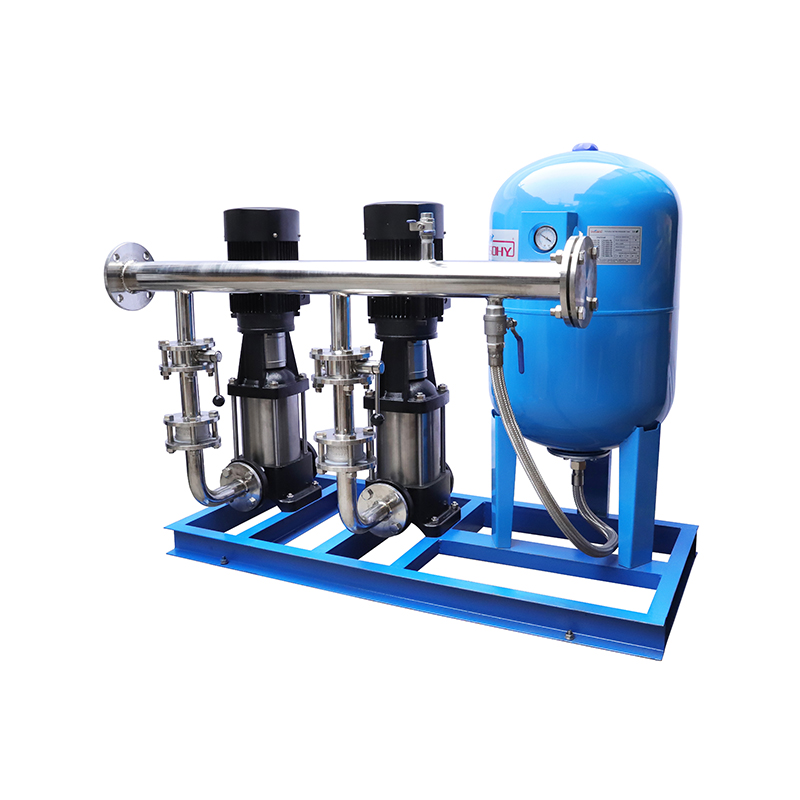
-
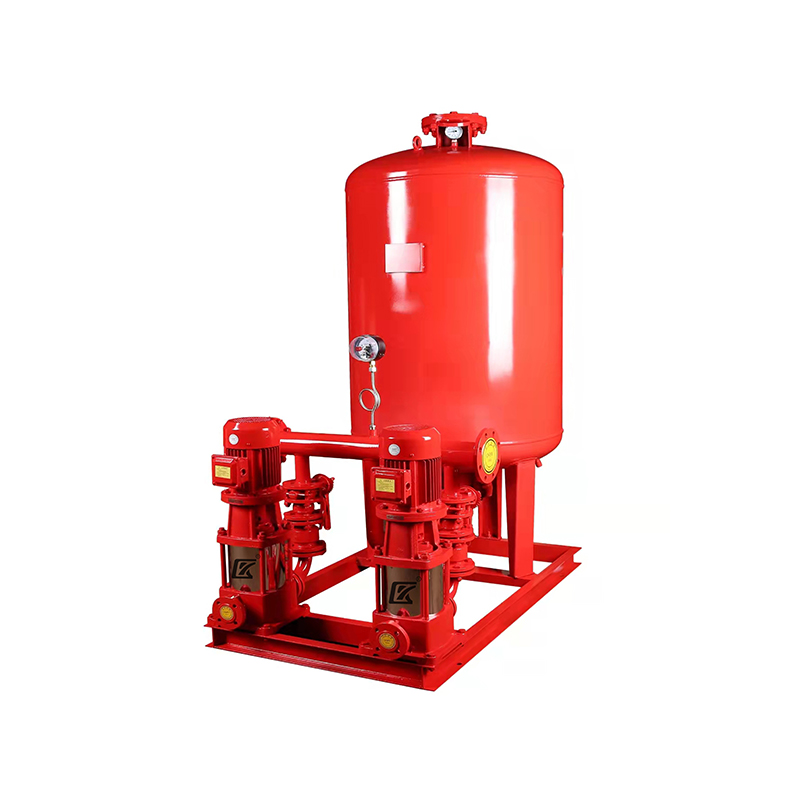
The Automatic Frequency Conversion Constant Pressure Fire Water Supply Equipment is designed and dev...
See Details -
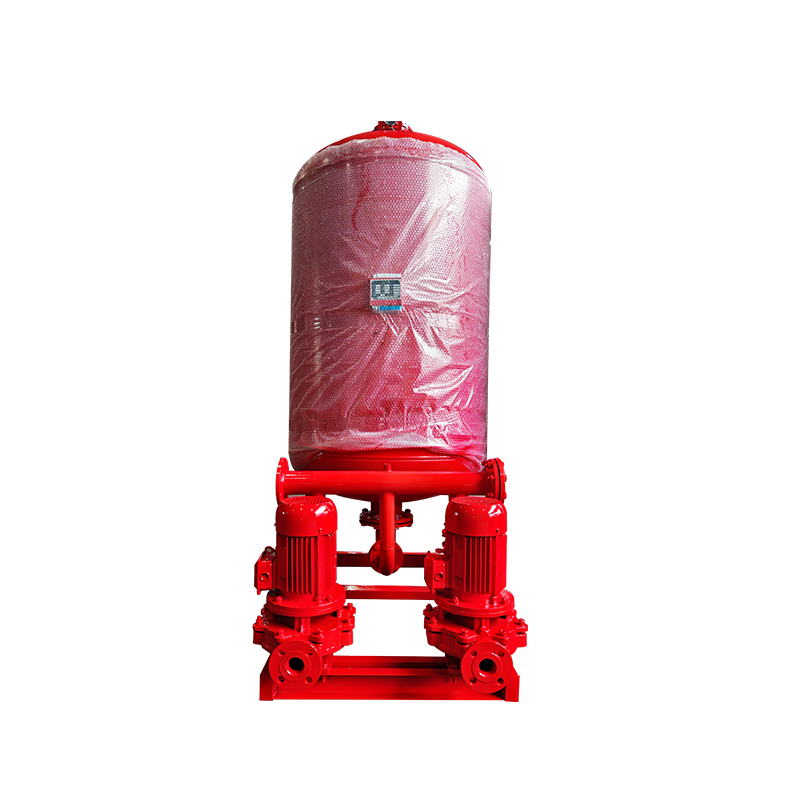
The Fire Fighting Air Pressure Water Supply Equipment typically consists of a pressure tank, pump un...
See Details -
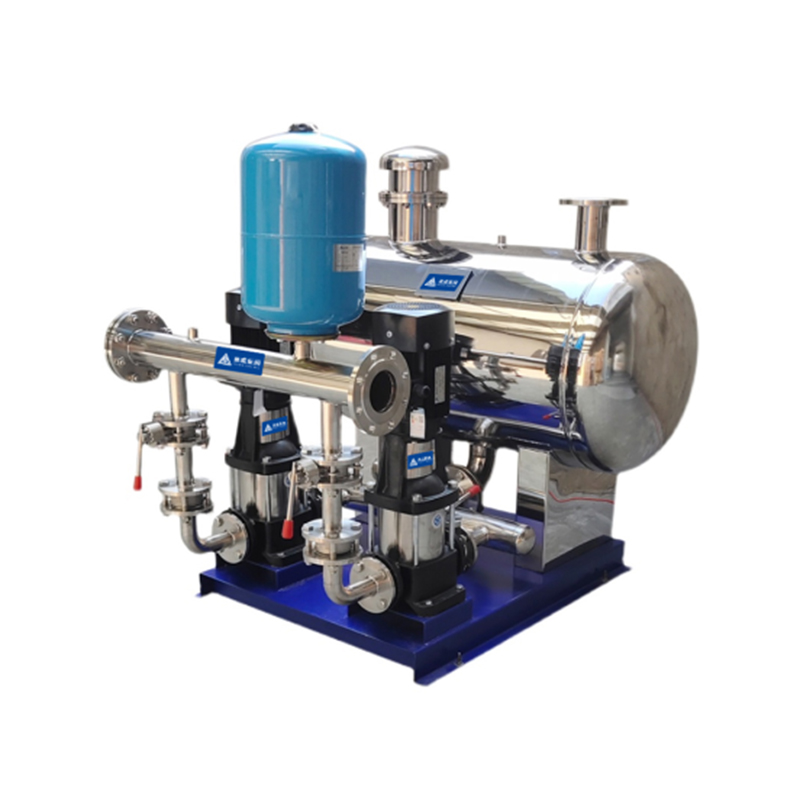
Non-negative pressure water supply equipment is a system composed of a non-negative pressure tank, p...
See Details -
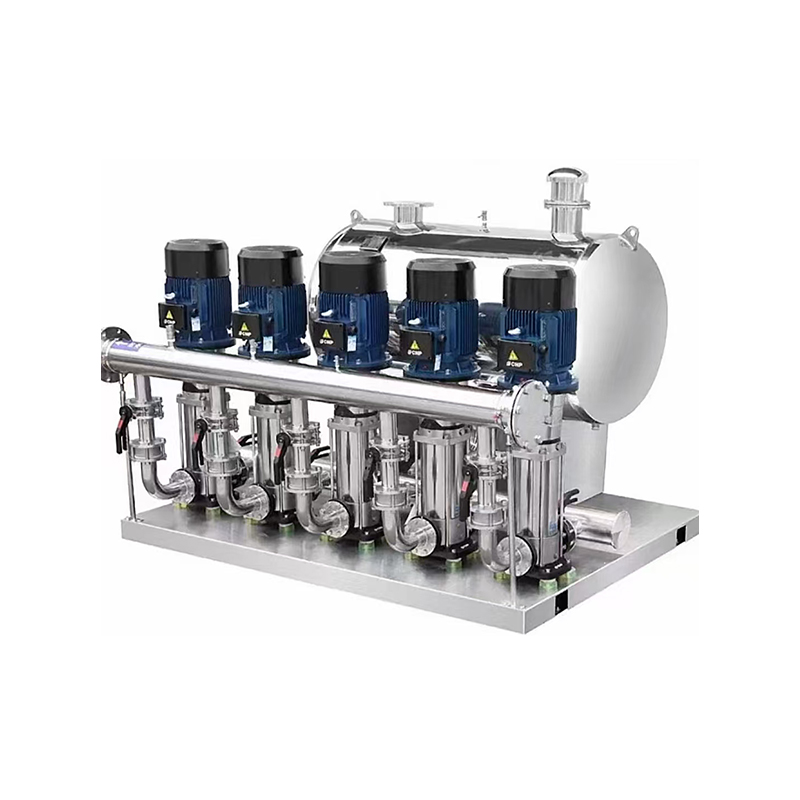
Traditional water supply methods rely heavily on water tanks, which are typically filled with water ...
See Details -
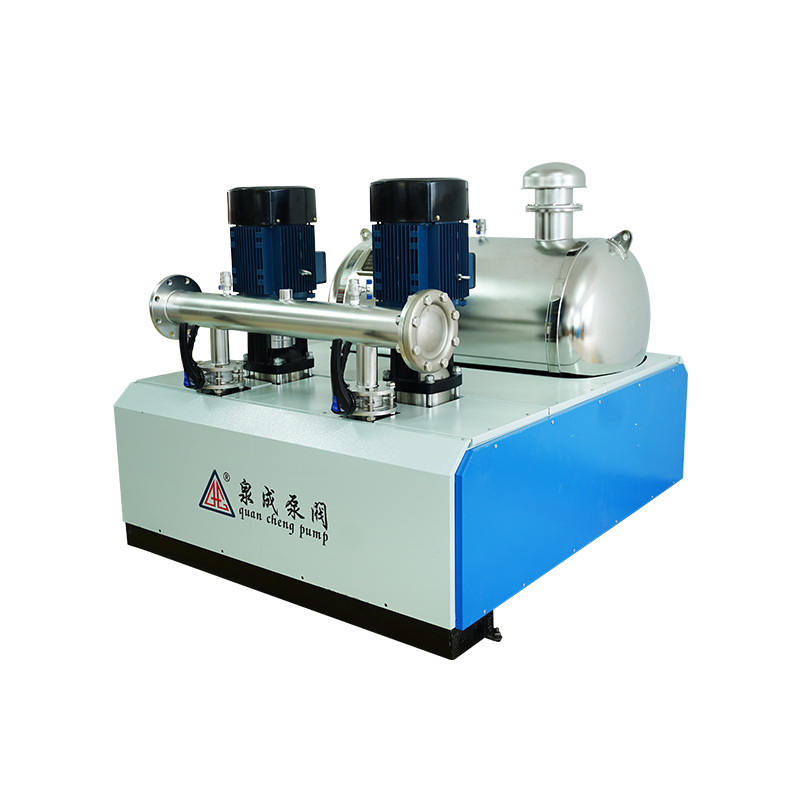
Product OverviewThe Non-negative Pressure Booster Steady Flow Water Supply Equipment uses the munici...
See Details -
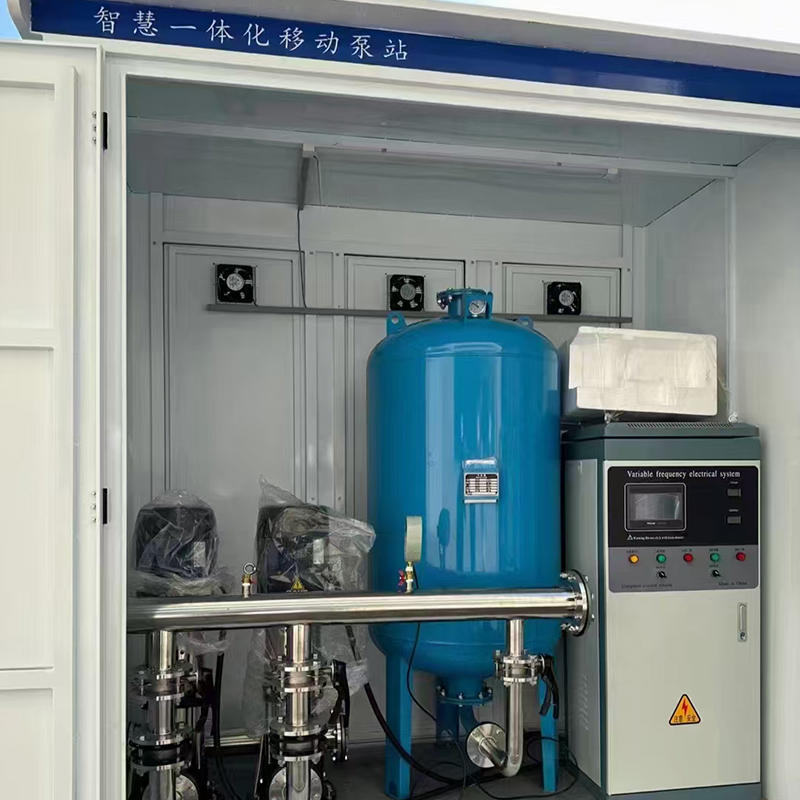
The Intelligent Constant Pressure Variable Frequency Water Supply Equipment is a water supply system...
See Details -
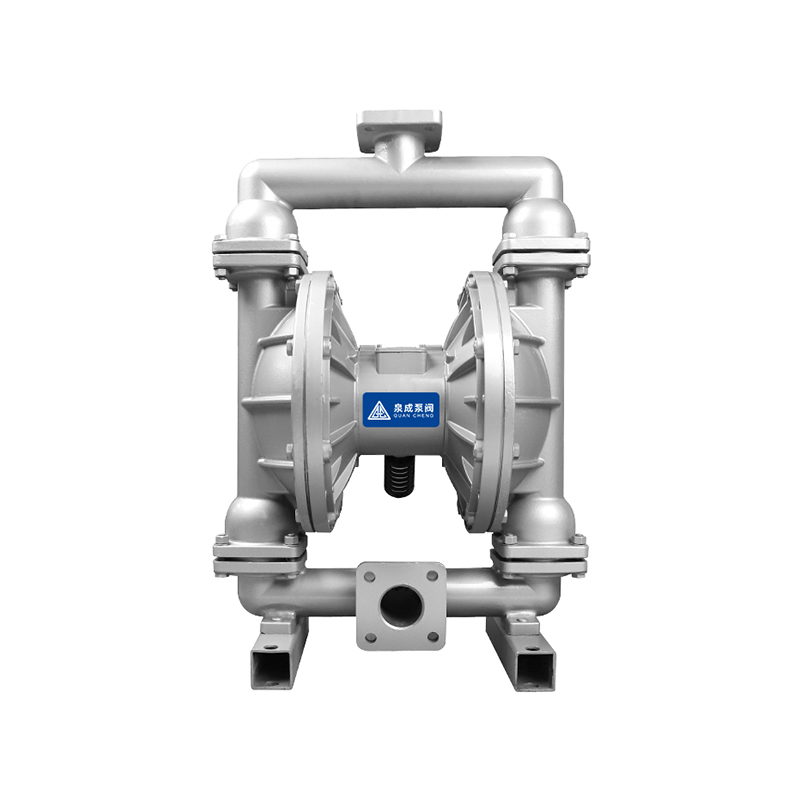
The QBY Air Operated Double Diaphragm Pump produced by our company is a new type of transport machin...
See Details
Copyright © Zhejiang Chuangken Fluid Co., Ltd. All Rights Reserved.
Intelligent Constant Pressure Water Supply System Factory
 浙公网安备33032402001888号
