

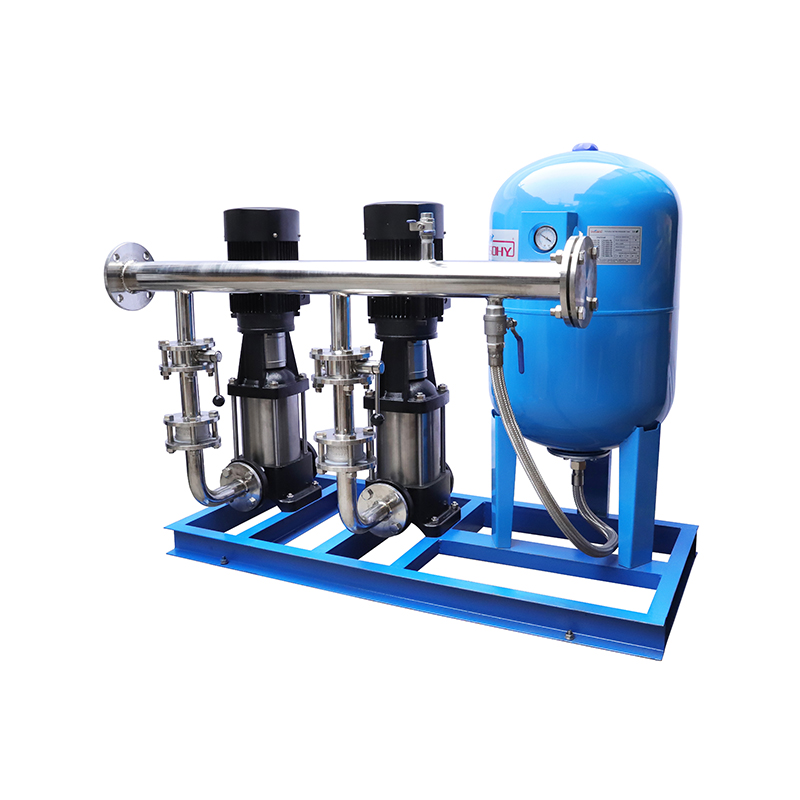
Full Automatic Constant Pressure Variable Frequency Water Supply Equipment is a new generation of hi...
See Details
The Diesel Engine Pump Factory Built On Precision
Industry News-What a Diesel Engine Pump Factory Actually Produces
At its core, this kind of facility manufactures fuel injection pumps, water pumps, oil pumps, and transfer pumps designed to work with diesel engines across a range of displacement sizes. Some plants specialize in a narrow product family — say, plunger-type injection pumps for mid-size engines — while others run parallel lines covering multiple pump types so a single buyer can source several components from one supplier instead of juggling separate vendors.
Component sourcing tends to follow a layered approach:
- Core metal parts (housings, plungers, rotors) are typically machined in-house or from a small, tightly managed group of casting partners
- Seals, bearings, and smaller fittings are often sourced from specialized suppliers and integrated during final assembly
That mix lets a factory keep tighter control over the parts that affect pump performance while still moving efficiently through the parts that don't need custom tooling.
Why Buyers Deal With the Factory Directly
Procurement teams increasingly skip the middleman layer and work straight with the manufacturer. The reasoning is fairly practical. Direct communication means technical questions get answered by people who actually built the pump, not a sales agent relaying messages back and forth. It also opens the door to customization — adjusting mounting configurations, output specifications, or housing materials to match an existing engine platform rather than forcing the buyer to redesign around a generic part.
For OEM and ODM clients specifically, this direct line matters even more. A pump destined for integration into someone else's finished product often needs dimensional tweaks that a factory can only make if it understands the end application from the start, not after a batch has already shipped.
Inside the Production Process
Most factories organize the workflow into a handful of clear stages: raw material inspection, precision machining, sub-assembly, final assembly, and functional testing. The testing stage is where a pump earns its place in a shipment — units run through pressure and flow checks to confirm they perform within the expected range before packing.
A few things buyers commonly ask about during this stage include:
- Flow rate consistency across a production batch
- Compatibility with specific diesel engine models or fuel types
Getting clear answers to these questions upfront tends to shorten the back-and-forth later, especially for buyers placing repeat or large-volume orders.
Matching Factory Capability to Buyer Needs
Not every diesel engine pump factory is built the same way. Some are set up for high-volume runs of a limited number of standard models — ideal for distributors who need consistent, repeatable parts at scale. Others lean toward smaller, more flexible runs that accommodate frequent spec changes, which suits OEM clients developing new equipment lines. Knowing which type of operation you're working with early on saves a lot of friction down the line, since a factory optimized for long standard runs may not be the right fit for a buyer who needs frequent customization, and vice versa.
A Straightforward Sourcing Relationship
At the end of the day, a diesel engine pump factory is judged less by any single feature and more by whether it can consistently deliver the pump a buyer actually specified — on the materials, dimensions, and performance range agreed to upfront. For procurement teams managing multiple suppliers across different product categories, that consistency is often the deciding factor in whether a relationship becomes a repeat one.
Related products
-
-
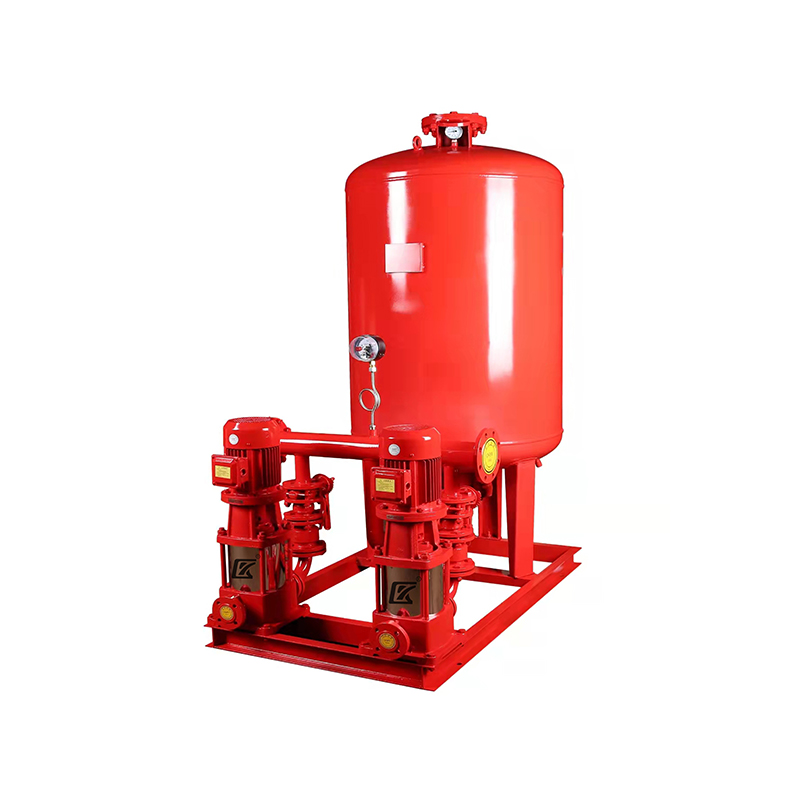
The Automatic Frequency Conversion Constant Pressure Fire Water Supply Equipment is designed and dev...
See Details -
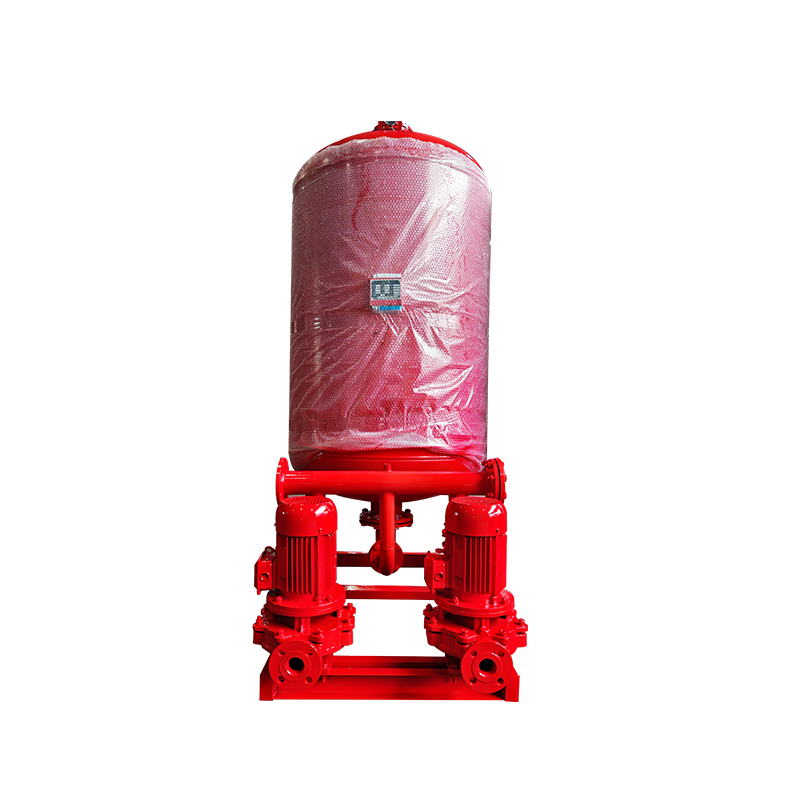
The Fire Fighting Air Pressure Water Supply Equipment typically consists of a pressure tank, pump un...
See Details -
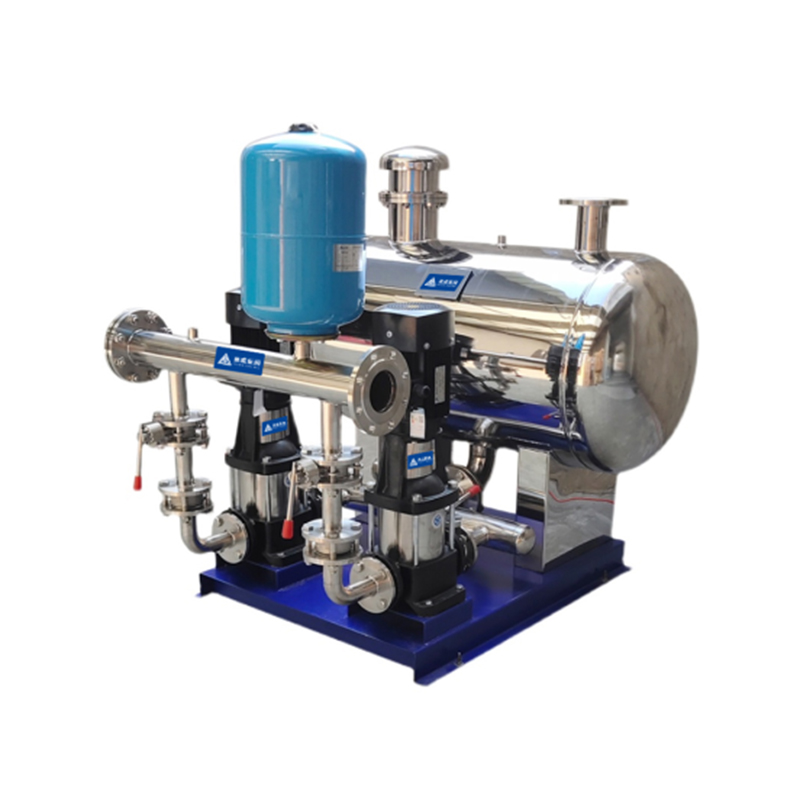
Non-negative pressure water supply equipment is a system composed of a non-negative pressure tank, p...
See Details -
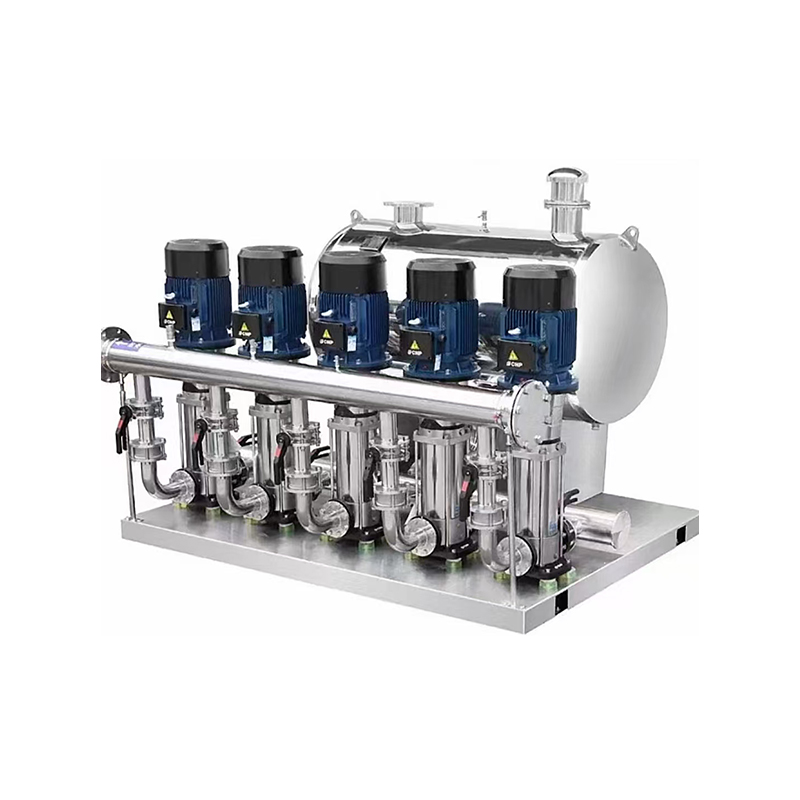
Traditional water supply methods rely heavily on water tanks, which are typically filled with water ...
See Details -
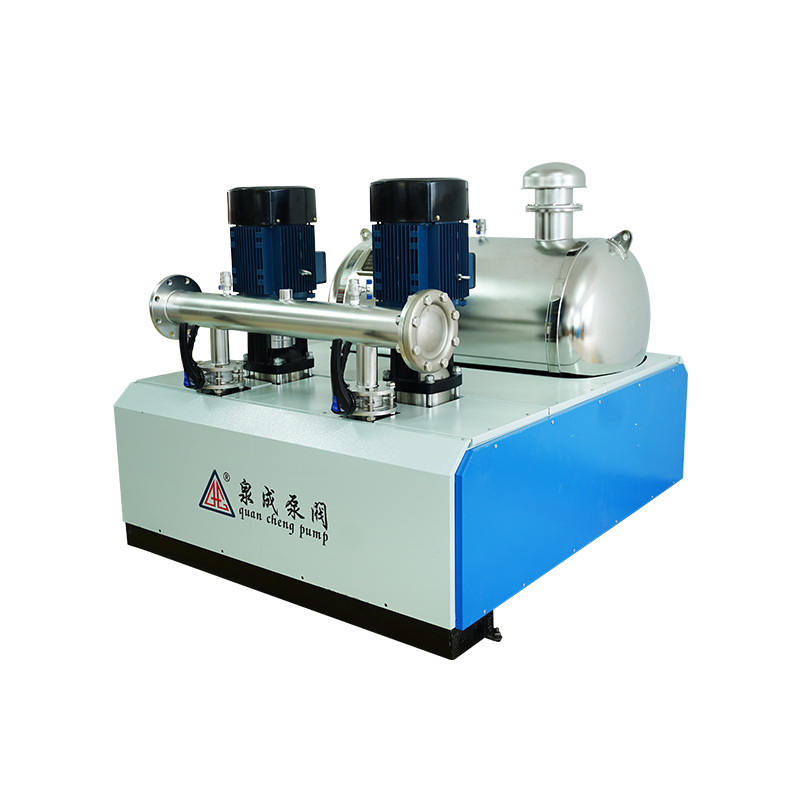
Product OverviewThe Non-negative Pressure Booster Steady Flow Water Supply Equipment uses the munici...
See Details -
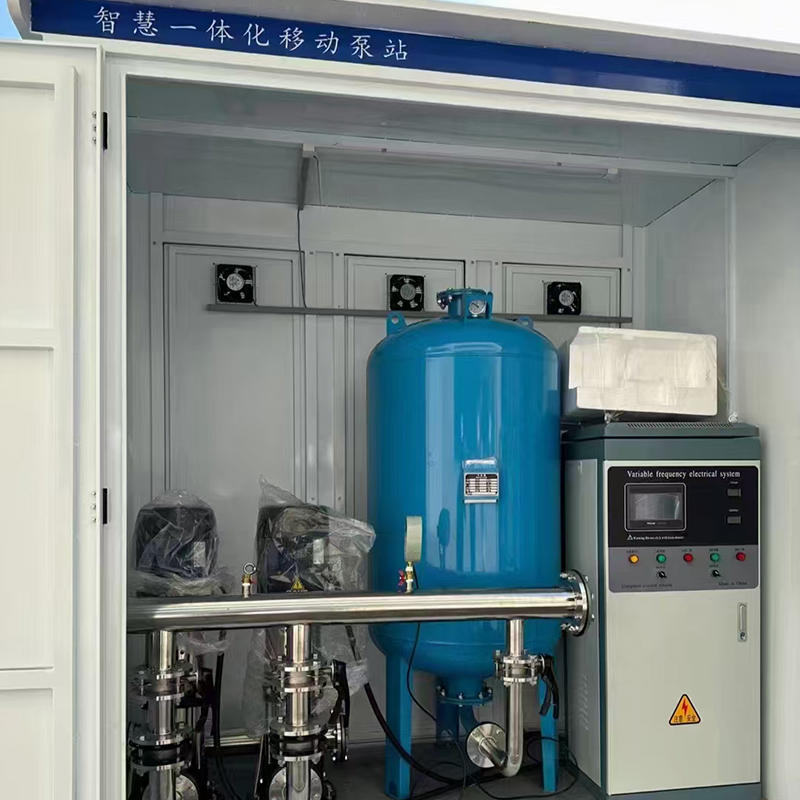
The Intelligent Constant Pressure Variable Frequency Water Supply Equipment is a water supply system...
See Details -
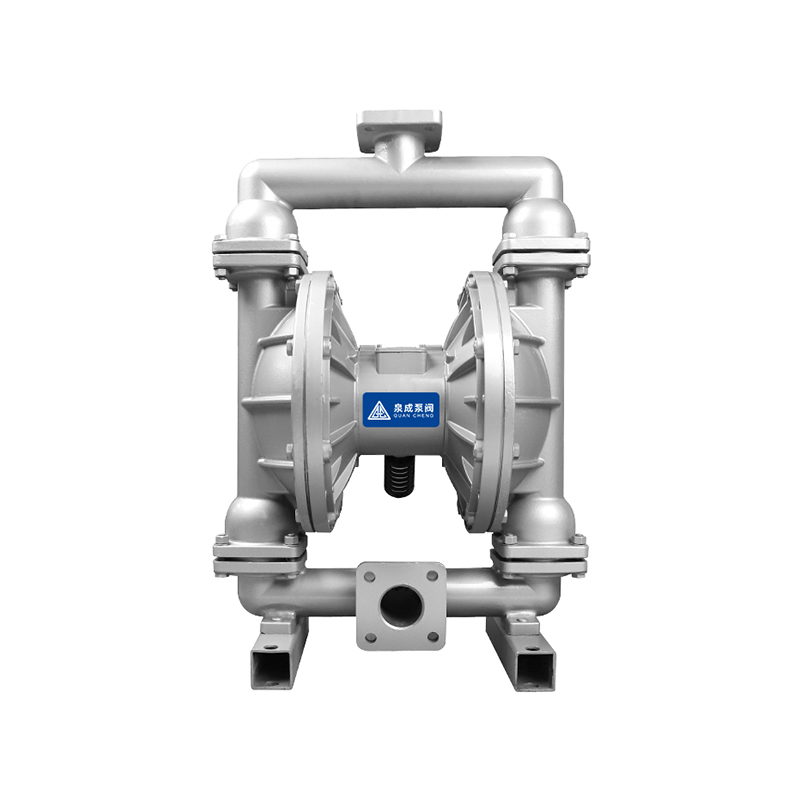
The QBY Air Operated Double Diaphragm Pump produced by our company is a new type of transport machin...
See Details
Copyright © Zhejiang Chuangken Fluid Co., Ltd. All Rights Reserved.
Intelligent Constant Pressure Water Supply System Factory
 浙公网安备33032402001888号
