

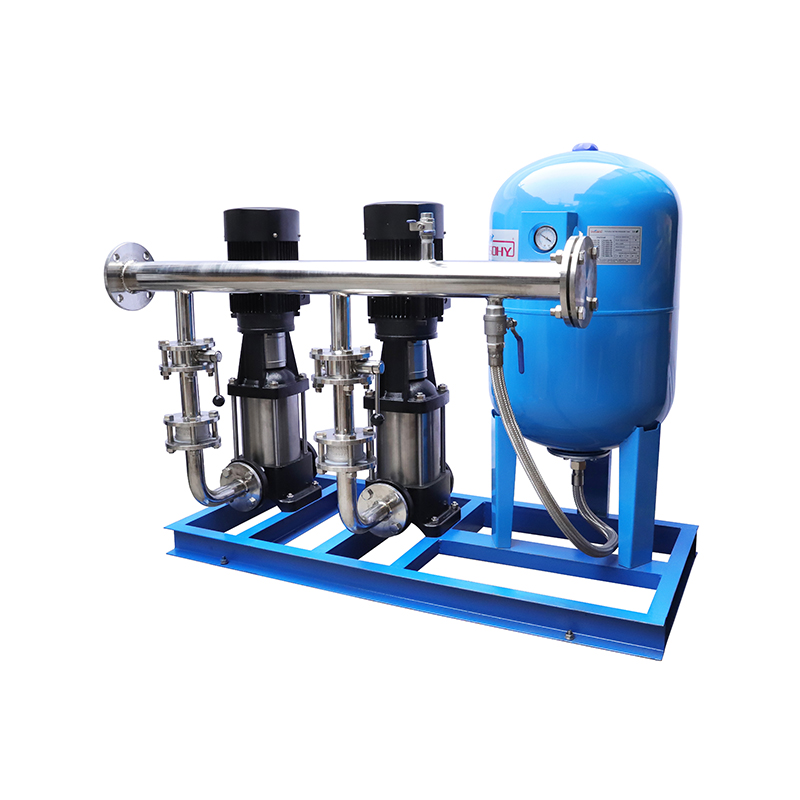
Full Automatic Constant Pressure Variable Frequency Water Supply Equipment is a new generation of hi...
See Details
How Multistage Pumps Factory Assembles Units
Industry News-A multistage pumps factory focuses on building pumps that use several impellers arranged in sequence. These pumps generate higher pressure than single-stage models by passing liquid through multiple stages. The factory brings together design, machining, assembly, and testing under one roof to produce reliable units for various industrial and municipal needs.
Core Purpose of Multistage Pumps Factory Work
The main task of a multistage pumps factory is to create pumps capable of moving fluids against significant resistance. Each additional stage increases the pressure the pump can deliver. Workers and engineers coordinate to turn raw materials into finished machines that handle water transfer, boiler feeding, and process circulation.
The factory environment combines precision machinery with skilled hands. Large workshops house equipment for cutting, shaping, and joining metal components. The goal remains steady output of pumps that perform consistently once installed in the field.
Stages of Production Inside the Factory
Production begins with the preparation of key parts. Impellers, diffusers, and casings are formed from selected metals. Machining centers shape these pieces to exact dimensions so that each stage fits tightly with the next.
Once individual components are ready, assembly teams stack the stages onto a common shaft. Bearings, seals, and couplings are added in sequence. The completed pump then moves to a testing area where it runs under controlled conditions. Operators check flow rates and pressure levels to confirm the unit meets design targets.
Materials Selected for Pump Construction
Factories working with multistage pumps commonly use stainless steel, cast iron, and specialized alloys. Stainless steel suits applications that require resistance to corrosion. Cast iron provides strength and cost-effective durability for general service.
The choice of material depends on the fluid the pump will handle and the operating environment. Surface finishes receive careful attention to reduce friction and support smooth liquid passage through each stage. Proper material pairing helps the finished pump maintain performance over extended periods of use.
Design Considerations Applied During Manufacturing
Engineers at a multistage pumps factory pay close attention to balance and alignment. Each impeller must spin true on the shaft to avoid vibration. Diffusers are shaped to guide liquid smoothly from one stage to the next, converting velocity into pressure.
The number of stages is selected according to the required pressure. More stages raise the output pressure while the flow rate stays within the design range. Casings are engineered to contain the internal forces generated during operation. These design choices take shape on the factory floor through careful machining and assembly.
Applications Served by Factory Output
Pumps leaving a multistage pumps factory often support water distribution networks, industrial process loops, and high-pressure cleaning systems. In municipal settings they help move water across elevation changes. In factories they circulate fluids through heating or cooling circuits.
The ability to deliver steady pressure makes these pumps suitable for situations where a single-stage unit would fall short. Operators value the compact size relative to the pressure produced, allowing installation in spaces that might not accommodate larger equipment.
Balancing Output With Attention to Detail
A multistage pumps factory balances volume with careful attention to each unit. Automated equipment speeds repetitive tasks such as drilling and milling. Human oversight remains essential for final alignment and functional checks.
This combination allows the factory to supply pumps for both standard and custom requirements. Customers may request specific materials, stage counts, or connection sizes. The production system adapts to these requests while preserving consistent manufacturing standards.
Multistage pumps factories turn engineering principles into working machines through structured processes and skilled effort. From material selection to final testing, each step contributes to pumps that deliver the pressure needed for demanding fluid-handling tasks. The result is equipment that supports essential operations across multiple sectors while reflecting the practical focus of the factory that built it.
Related products
-
-
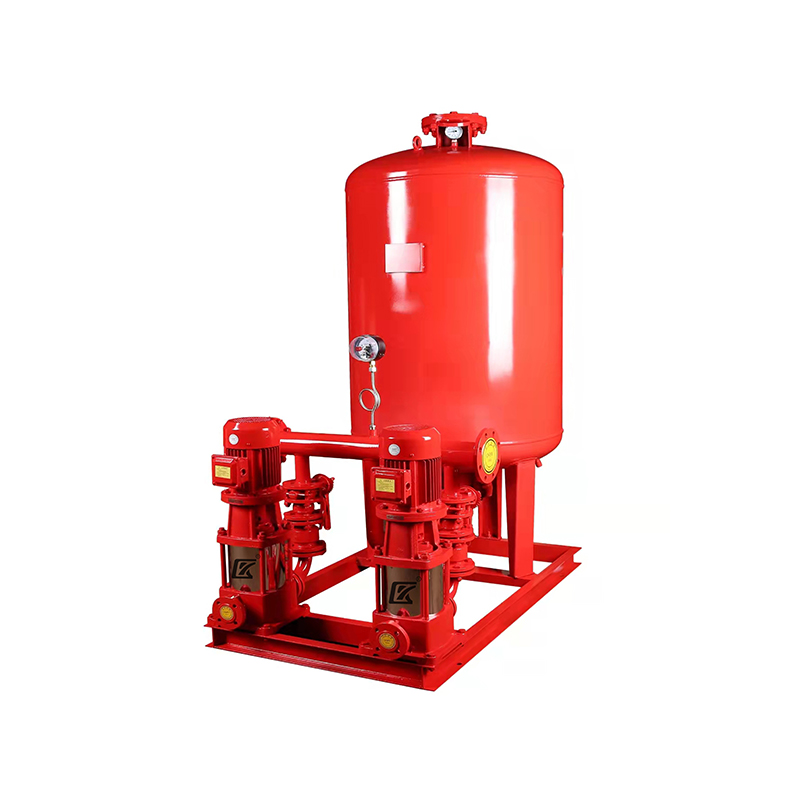
The Automatic Frequency Conversion Constant Pressure Fire Water Supply Equipment is designed and dev...
See Details -
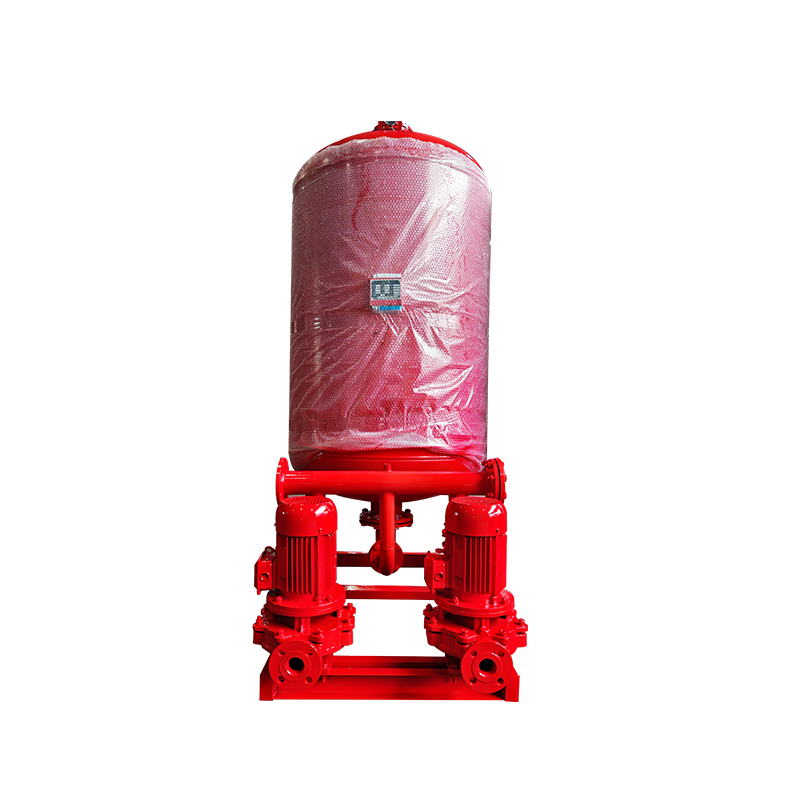
The Fire Fighting Air Pressure Water Supply Equipment typically consists of a pressure tank, pump un...
See Details -
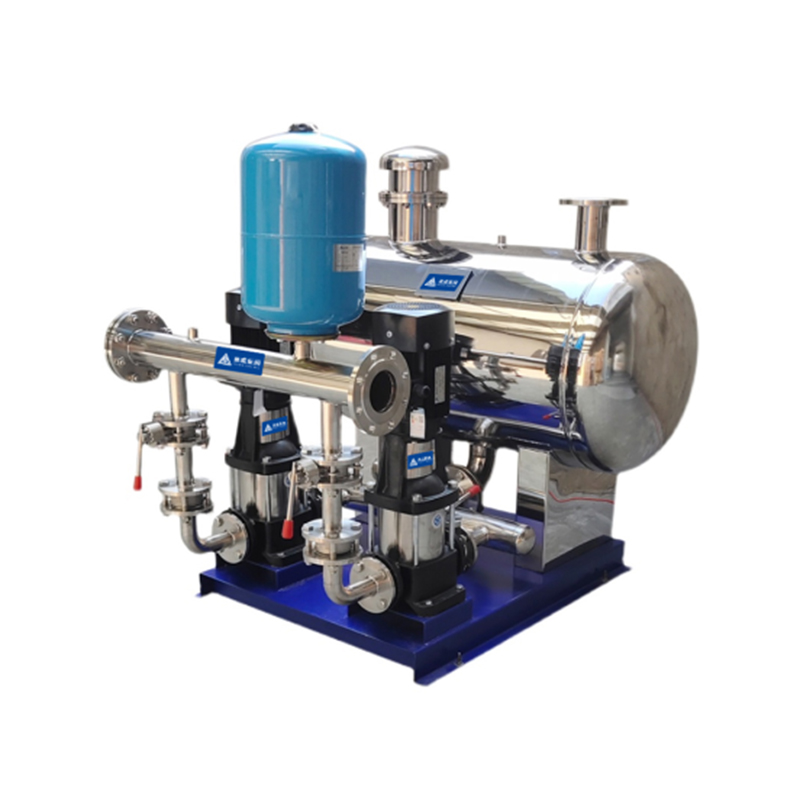
Non-negative pressure water supply equipment is a system composed of a non-negative pressure tank, p...
See Details -
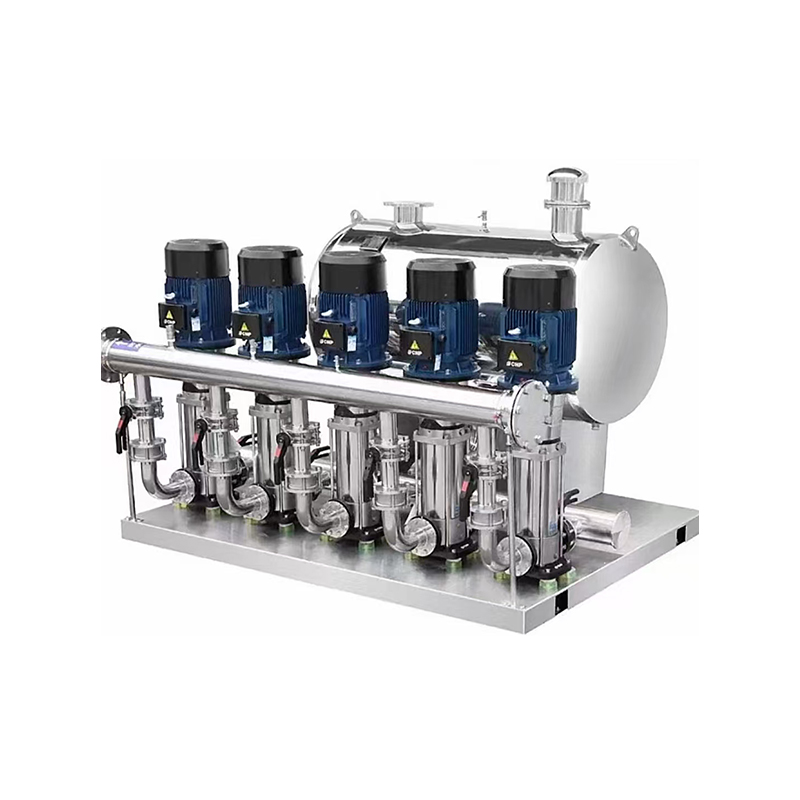
Traditional water supply methods rely heavily on water tanks, which are typically filled with water ...
See Details -
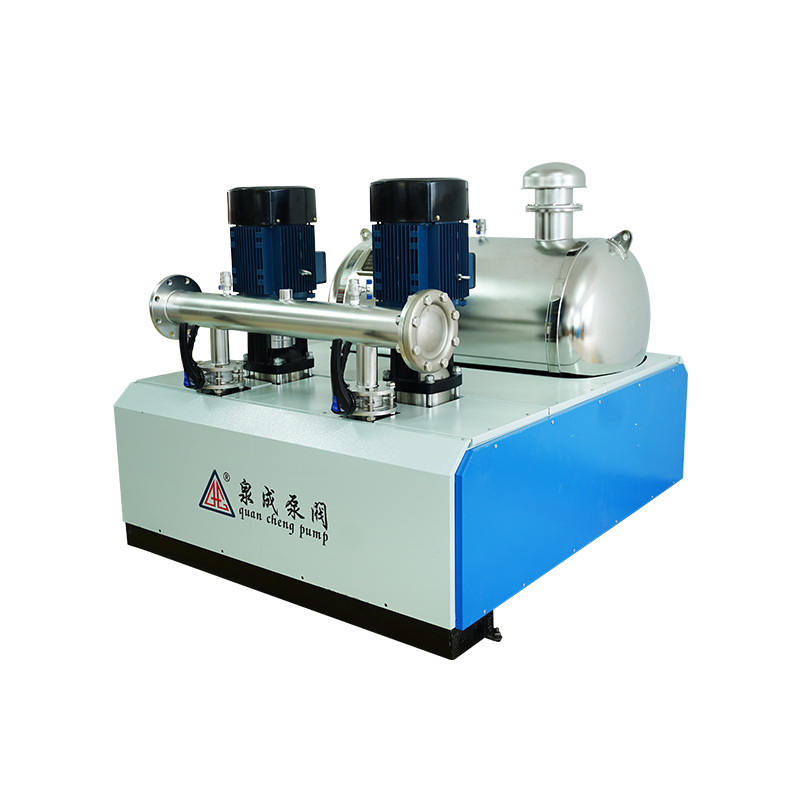
Product OverviewThe Non-negative Pressure Booster Steady Flow Water Supply Equipment uses the munici...
See Details -
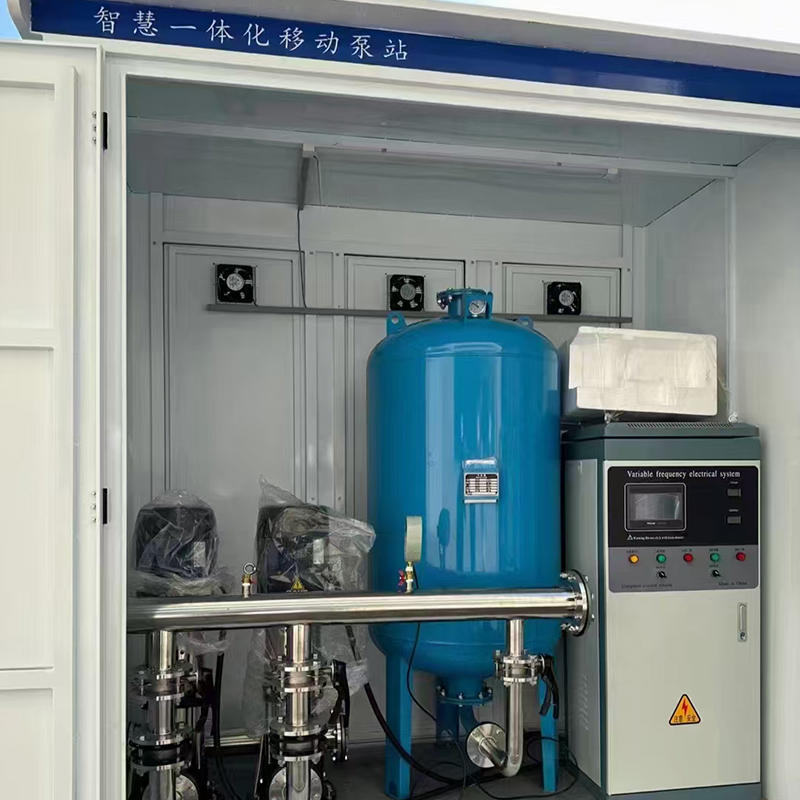
The Intelligent Constant Pressure Variable Frequency Water Supply Equipment is a water supply system...
See Details -
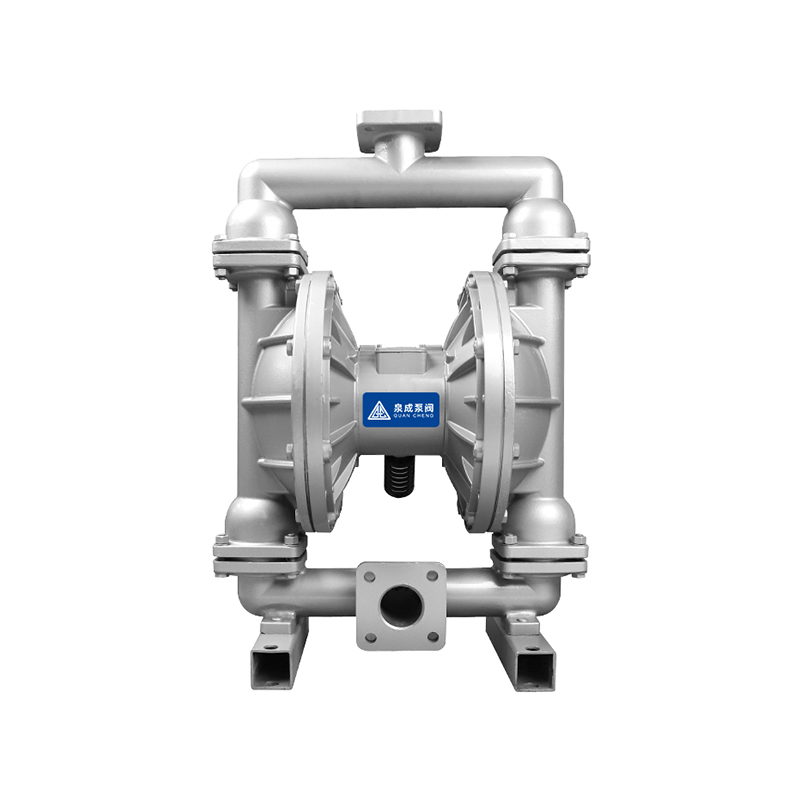
The QBY Air Operated Double Diaphragm Pump produced by our company is a new type of transport machin...
See Details
Copyright © Zhejiang Chuangken Fluid Co., Ltd. All Rights Reserved.
Intelligent Constant Pressure Water Supply System Factory
 浙公网安备33032402001888号
